

 Предпросмотр
 Поделиться
 Поделиться
 Детали произведения

 Скачать
 Похожие работы
 Рентгенография
 Слайд-шоу
 Статистика
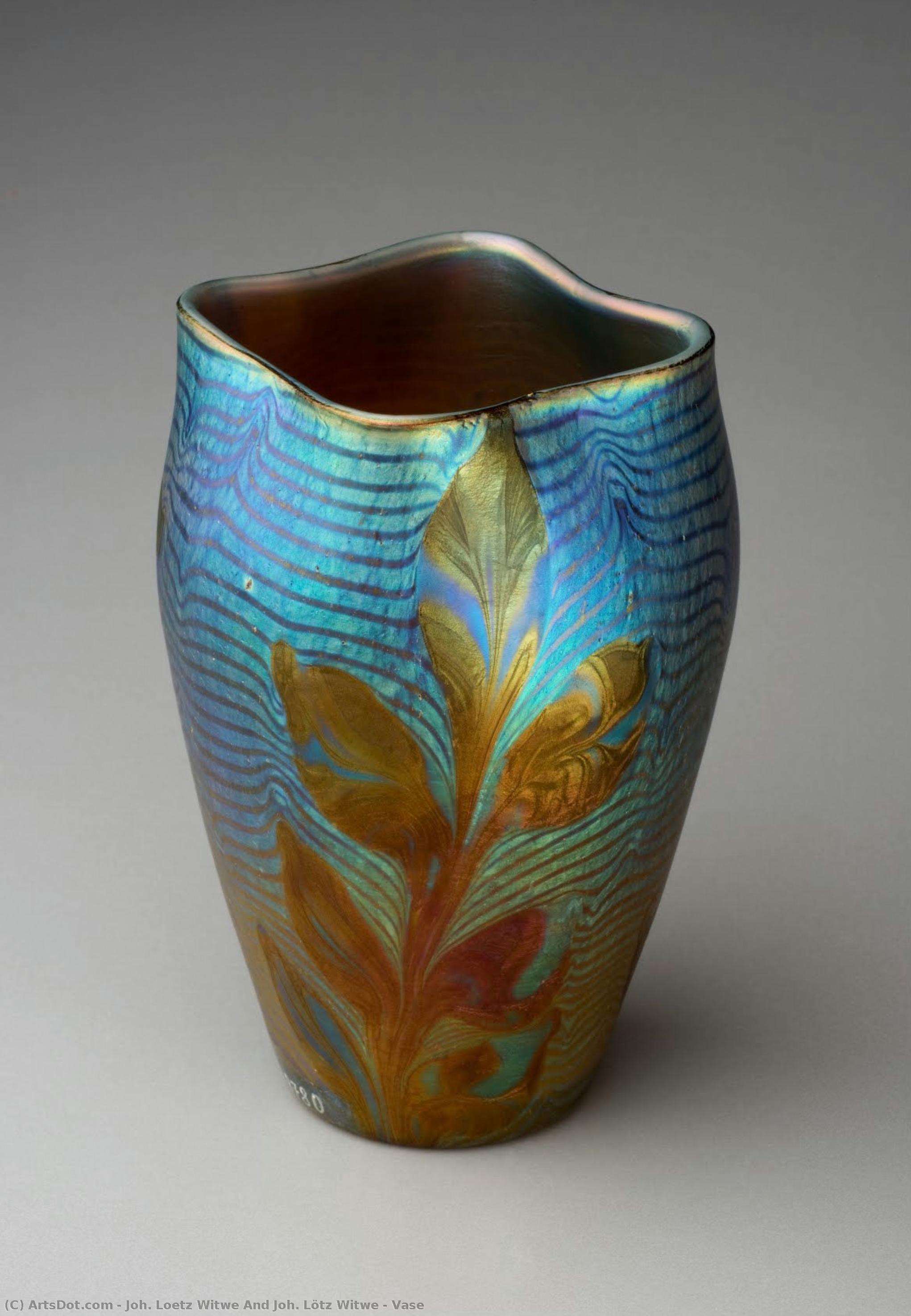
Vase

 Читать далее
Жикле / Арт-принт
Печать (жикле) или холст музейного качества с быстрыми сроками изготовления и широким выбором вариантов отделки. ( Купить картину ручной работы Перейти к цифровым изображениям)




































Выберите один из наших стандартных размеров, соответствующих оригинальным пропорциям произведения искусства.

Вы можете указать свои собственные размеры, чтобы репродукция идеально подошла под конкретную раму или пространство. Если выбранный вами размер не будет соответствовать пропорциям оригинала, мы либо обрежем произведение, либо дополним изображение зеркальным отражением краев или однотонной заливкой. Перед началом производства вам будет отправлен цифровой макет для утверждения.
Пожалуйста, обратите внимание, что предварительный просмотр на экране не отображает фактическую обрезку или расширение изображения. Только макет точно покажет финальную композицию.
Несмотря на возможность заказа индивидуальных размеров, мы рекомендуем выбирать размер из предопределенного списка, чтобы сохранить оригинальные пропорции.
Доставка по всему миру () за 2 недели вместо стандартных 4/5 недель. (12 Сентябрь)

Бесплатная экспресс-доставка по всему миру

Высококачественный льняной холст

Полное страхование доставки

Гарантия возмещения таможенных пошлин

Гарантия точного соответствия цветов

100-дневная политика возврата (только при обнаружении дефектов)

Гарантия возврата 100% средств

Предложение оптовых скидок
 Вариант со стеклом доступен только для размеров менее 110 см

Vase
Жикле / Арт-принт
Размер репродукции
-


Итоговая стоимость
$ 62
Похожие произведения








Биография художника
A Bohemian Legacy of Art Nouveau Glass
The story of Johann Loetz Witwe is not merely the history of a factory, but a luminous chronicle of innovation that defined the golden age of Bohemian glassmaking. Nestled in the heart of the Šumava Mountains in Klostermühle, this illustrious glassworks emerged as a beacon of creativity during the late 19th century. While its foundations were laid by the industrious Johann Eisner in 1865, the soul of the company was truly forged through the visionary leadership of Susanna Lötz. As the widow of the founder, she steered the enterprise with an unparalleled entrepreneurial spirit, transforming a regional manufacturer into a globally recognized name synonymous with the ethereal beauty of the Art Nouveau movement.
The artistry of Loetz glass is characterized by its ability to capture light and mimic the organic wonders of the natural world. The workshop became legendary for its mastery of iridescent and opalescent techniques, creating pieces that seemed to glow from within. One of the most breathtaking achievements of this era was the introduction of the Phänomen edition in 1898. These masterpieces featured intricate glass trails wrapped around the body in rhythmic spirals, often combed while hot into symmetrical or free-form compositions. This technique, combined with colored underlay glass, allowed the artisans to create a sense of movement and depth that captivated collectors from Vienna to London.
Innovation through Collaboration and Technique
The evolution of Loetz glass was driven by a relentless pursuit of technical perfection and a willingness to experiment with the very boundaries of the medium. A pivotal moment in the company's history was the partnership between the management and talented designers such as Eduard Prochaska. Together, they pushed the limits of what glass could achieve, developing groundbreaking processes like intarsia and the mesmerizing octopus glass. Their collaborative efforts led to the creation of marbled, or marmorisierte, glass, which artfully imitated the luxurious textures of semi-precious stones such as onyx, carnelian, malachite, and lapis lazuli.
The factory's technical prowess extended beyond mere decoration; it was a center of industrial excellence. The workshops were equipped with significant grinding facilities capable of producing heavily cut crystal and sophisticated enameled flashing glass. This versatility allowed the company to serve a diverse range of markets, from providing raw high-purity glass for North Bohemian refineries to crafting bespoke luxury items for the European aristocracy. The sheer variety of their output—ranging from delicate vases to complex baroque-style objects with applied decorations—ensured that Loetz remained at the forefront of the decorative arts.
Global Recognition and Historical Significance
The prestige of Johann Loetz Witwe was cemented on the world stage through a series of triumphant appearances at the most prestigious international exhibitions. The company’s presence in Brussels, Munich, and Vienna garnered immense critical acclaim, and their success reached a pinnacle during the 1899 Paris Exposition Universelle, where their work was honored with high distinction. This global reach was supported by an expansive network of sample warehouses located in major cultural hubs including Berlin, Hamburg, Paris, London, Brussels, Milan, and Madrid, ensuring that the brilliance of Bohemian craftsmanship could be admired in the finest salons of Europe.
As the 20th century progressed, the legacy of the Loetz glassworks continued through generations, notably under the stewardship of Max Ritter von Spaun, a grandson of Johann Lötz. Though the era of grand Art Nouveau production eventually transitioned, the historical significance of their work remains undiminished. Today, pieces from the Loetz collection are revered as quintessential examples of the Belle Époque, representing a period when glass was transformed from a functional material into a medium of pure, poetic expression. Their contribution to the history of art lies in their ability to marry industrial innovation with an almost spiritual devotion to aesthetic beauty.
joh. loetz witwe and joh. lötz witwe
Czech Republic
Основные сведения
- Artistic Movement Or Style: Art Nouveau
- Artists Or Movements Influenced By This Artist:
- Marie Kirschner
- Franz Hofstotter
- Artists Who Influenced This Artist: ['Eduard Prochaska']
- Date Of Birth: (Living)
- Full Name: Johann Loetz Witwe
- Nationality: Czech
- Notable Artworks:
- Plant-form vase
- Vase
- Place Of Birth: Klostermühle, Czech Republic