

 Предпросмотр
 Поделиться
 Поделиться
 Детали произведения

 Скачать
 Похожие работы
 Рентгенография
 Слайд-шоу
 Статистика
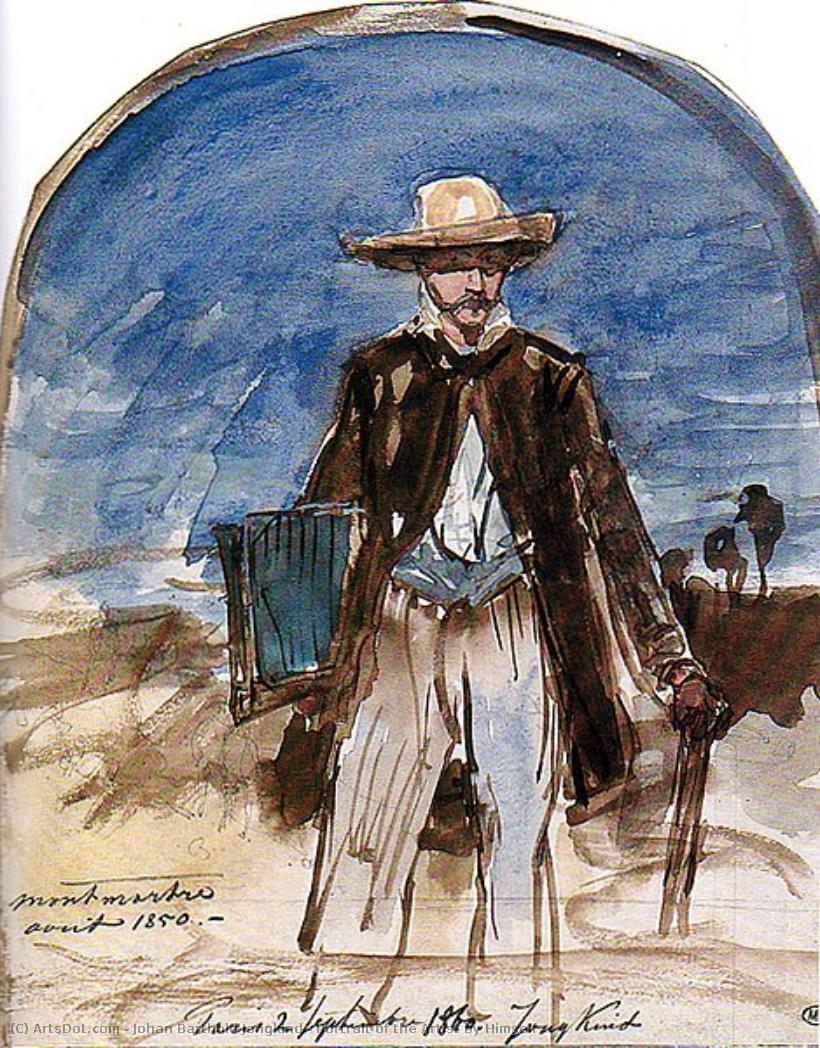
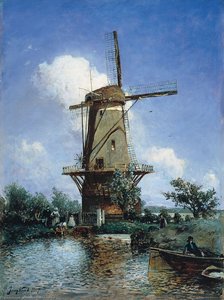
Portrait of the Artist by Himself
 Oil On Canvas
- WallArt
- Impressionistic Landscape
 1850
1850- 19th Century
 21.0 x 17.0 cm
 Музей Орсе
 Читать далее
Приобретите цифровое изображение высокого разрешения в улучшенном качестве, которое значительно превосходит онлайн-превью.
Каждый файл тщательно подготавливается нашими специалистами с использованием передовых инструментов и экспертной ручной ретуши. Мы гарантируем исключительную четкость, точную цветопередачу и детальную проработку каждого изображения.
Финальный файл доставляется по электронной почте в течение 72 часов и оптимизирован для немедленного использования в профессиональной среде, при верстке и печати. Это тот же уровень качества, которому доверяют ведущие дизайнерские студии, издательства и галереи.
Цифровое изображение
Скачайте файл высокого разрешения для личного использования, печати и творческих проектов. ( Перейти к печати Купить картину ручной работы)
Включено в каждый заказ цифровых изображений
Гарантия экспертной цифровой доставки
Выбирая ArtsDot.com, вы получаете не просто изображение — вы приобретаете профессионально обработанное цифровое произведение искусства, созданное с безупречной точностью и под защитой гарантии качества. Вот всё, что автоматически входит в ваш заказ:

Мгновенная доставка по e-mail
Ваш цифровой файл в высоком разрешении будет отправлен вам по электронной почте в течение 72 часов после оформления заказа — и сразу станет доступен для использования.

Цифровой файл с ИИ-улучшением
Ваше произведение искусства проходит профессиональную оптимизацию с использованием передовых инструментов ИИ и ручной обработки, что гарантирует максимальную детализацию, четкость и точность цветопередачи.

Бессрочная бесплатная повторная доставка
Случайно удалили или потеряли файл? Не беспокойтесь — мы отправим его вам повторно в любое время и совершенно бесплатно.

Без импортных пошлин — навсегда
Наслаждайтесь вашим произведением искусства мгновенно без таможенных пошлин, сборов или затрат на доставку — цифровые загрузки всегда не облагаются налогом.

Гарантия точности цветопередачи
Мы гарантируем, что ваше цифровое изображение максимально точно передает оригинальные цвета благодаря использованию профессиональных инструментов и систем управления цветом.

Гарантия удовлетворенности 100 дней
Если вы не будете удовлетворены своим цифровым изображением, мы внесем правки или вернем 100% стоимости в течение 100 дней — без лишних вопросов.

100% Гарантия возврата средств
Не удовлетворены покупкой? Получите полный возврат средств в течение 100 дней после получения цифрового файла — без лишних вопросов.

Скидки на оптовые заказы
Купите 3 изображения, сэкономьте 10% — Купите 5, сэкономьте 15% — Купите 10+, сэкономьте 20%. Отличное решение для творческих проектов, галерей и агентств.
A Forerunner of Light: The Life and Art of Johan Barthold Jongkind
Johan Barthold Jongkind’s “Portrait of the Artist by Himself,” painted in 1850, stands as a testament to the burgeoning Impressionist movement's exploration of subjective experience and fleeting moments captured with unprecedented immediacy. More than just a likeness of the artist himself—a self-portrait is a genre rife with introspection—the painting embodies Jongkind’s pioneering approach to depicting the natural world, anticipating many of the stylistic innovations that would define the era. The scene unfolds against the backdrop of the arid Dutch landscape, specifically the dunes near Scheveningen beach. This choice wasn't arbitrary; Jongkind was deeply attuned to the transformative effects of light on color and form—a preoccupation central to Impressionist philosophy. Unlike academic painters who meticulously rendered surfaces with precise detail, Jongkind prioritized capturing the ephemeral quality of sunlight filtering through the haze, creating an atmosphere that vibrates with warmth and movement. The artist himself is positioned centrally, dressed in a dark suit and tie, clutching a cane and walking stick—symbols of contemplation and resilience—suggesting a figure wrestling with internal thoughts amidst the external beauty of his surroundings.- Style: Impressionistic – Jongkind eschewed traditional realism, favoring loose brushstrokes and vibrant color palettes to convey emotion rather than precise representation.
- Technique: Jongkind employed a technique known as *plein air painting*, working directly outdoors to capture the effects of natural light. He utilized thin layers of paint applied rapidly, allowing colors to blend organically on the canvas.
- Historical Context: Painted during the height of Impressionism’s influence, “Portrait of the Artist by Himself” reflects the movement's rejection of Romantic idealism and its embrace of sensory experience as a source of artistic inspiration. It aligns perfectly with the broader intellectual currents of the time, questioning established conventions and prioritizing subjective perception.
Похожие произведения


Биография художника
A Forerunner of Light: The Life and Art of Johan Barthold Jongkind
Johan Barthold Jongkind, a name perhaps less immediately recognizable than those of Monet or Renoir, occupies a pivotal position in the story of Impressionism. Born on June 3, 1819, in Lattrop, a small town in the Netherlands, Jongkind’s artistic journey was one marked by both profound talent and personal struggle. His early life unfolded amidst the tranquil landscapes of Overijssel province, a region that would deeply inform his lifelong fascination with water, light, and atmosphere – a fascination he sought to capture not just visually, but emotionally. Though initially employed as a clerk, his inherent artistic inclinations led him to The Hague in 1837, where he began formal training under Andreas Schelfhout, a respected landscape painter steeped in the Dutch tradition. This foundation proved crucial, instilling in Jongkind a meticulous observation of nature and a mastery of technique that would later be infused with a distinctly modern sensibility – a sensitivity to the subtle shifts of light and color that would become his hallmark. It was a period of learning the fundamentals, but also one of burgeoning ambition, prompting him to seek further artistic development in the vibrant heart of Paris.Parisian Encounters and Artistic Development
The move to Paris in 1846 proved transformative. Jongkind entered the studios of Eugène Isabey and François-Édouard Picot, immersing himself in the French art scene – a world brimming with new ideas and artistic experimentation. He quickly gained recognition, exhibiting at the Salon as early as 1848, earning praise from influential critics like Charles Baudelaire and Émile Zola. These were years of promise, yet shadowed by a growing internal turmoil. Jongkind battled with bouts of depression and alcoholism, challenges that would intermittently disrupt his career and personal life – struggles he faced with remarkable resilience despite the obstacles. However, he persevered, continuing to paint prolifically, focusing on scenes of the Seine River, the bustling Parisian streets, and the atmospheric nuances of the surrounding countryside. His work during this period reveals a unique blend of Dutch realism and emerging French Romanticism, characterized by vigorous brushwork and a keen sensitivity to light effects. He wasn’t merely depicting landscapes; he was capturing their fleeting moods, their ephemeral beauty – attempting to translate the *feeling* of a place onto canvas. This ability to convey atmosphere would become his signature style and a key influence on the artists who followed.A Mentor to Monet: The Seeds of Impressionism
Jongkind's return to the Netherlands in 1855 was temporary. He eventually settled back in Paris in 1861, where his artistic path intersected with that of a young Claude Monet. This encounter proved profoundly significant for both artists. Jongkind became a mentor to Monet, sharing his knowledge of *plein air* painting – working outdoors directly from nature – and encouraging him to embrace a more spontaneous and expressive approach. Monet himself credited Jongkind with providing the “definitive education” of his eye, recognizing in the older artist’s work a freedom and sensitivity that resonated deeply with his own artistic aspirations. Jongkind's influence can be seen in Monet’s early landscapes, particularly those depicting scenes along the Seine, where the emphasis on light, atmosphere, and fleeting impressions is strikingly similar – a direct inheritance of Jongkind’s techniques and philosophy. He wasn’t simply teaching technique; he was imparting a philosophy of seeing, a way of capturing the essence of a moment in time.Legacy and Lasting Influence
Though Jongkind never fully achieved the widespread fame enjoyed by some of his contemporaries, his contribution to the development of Impressionism is undeniable. His paintings, often characterized by their loose brushwork, dramatic skies, and evocative use of color, paved the way for a new approach to landscape painting – an approach that prioritized capturing the subjective experience of light and atmosphere over strict adherence to realistic representation. He demonstrated that capturing the *feeling* of a place was as important as accurately representing physical reality. His work can be found in prominent museums such as the Van Gogh Museum in Amsterdam and the Musée d'Orsay in Paris, testaments to his enduring artistic merit.- Notable Works: *Moonlight on the Canal*, numerous paintings of the Seine near Notre-Dame Cathedral.
- Influence: A key influence on Claude Monet and a forerunner of Impressionism.
- Final Years: Jongkind passed away on February 9, 1891, in Saint-Égrève, France, leaving behind a legacy that continues to inspire artists and art enthusiasts today.
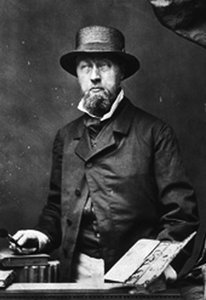
Йохан Бортхольд Жонгкيند
1819 - 1891 , Нидерланды
Основные сведения
- Artistic Movement Or Style: Предшественник импрессионизма
- Artists Or Movements Influenced By This Artist:
- Клод Моне
- Импрессионизм
- Artists Who Influenced This Artist:
- Эжен Исабей
- Андреас Шелфхоут
- Date Of Birth: 3 июня 1819 г.
- Date Of Death: 9 февраля 1891 г.
- Full Name: Johan Barthold Jongkind
- Nationality: Нидерландский
- Notable Artworks:
- Лунный свет на канале
- Парижские пейзажи
- Place Of Birth: Латтроп, Нидерланды