

 Предпросмотр
 Поделиться
 Поделиться
 Детали произведения

 Скачать
 Похожие работы
 Рентгенография
 Слайд-шоу
 Статистика
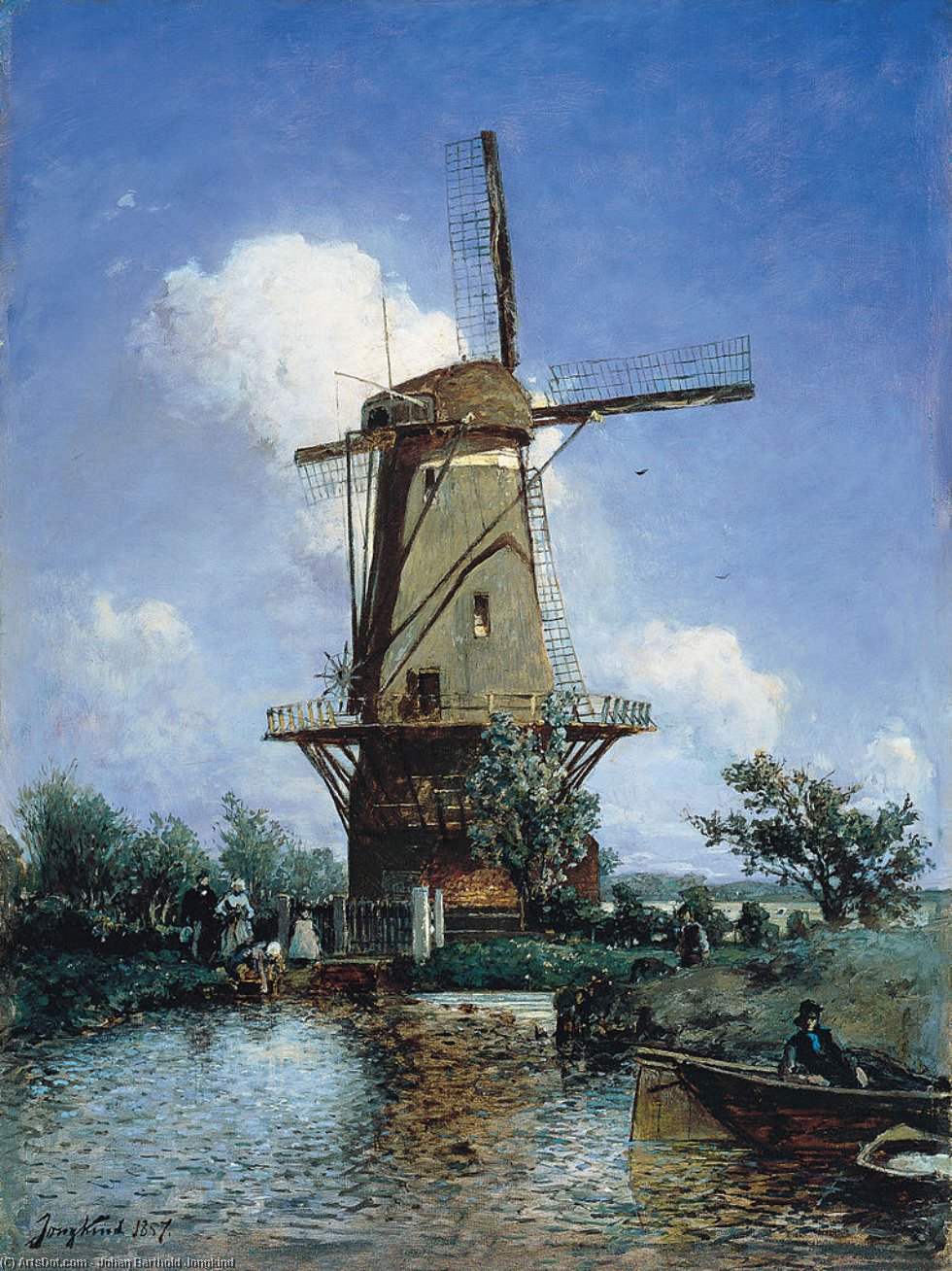
Windmill near Delft


 Читать далее
Масляная репродукция ручной работы
Картина маслом на холсте в выбранном вами размере и раме, написанная на заказ нашими художниками. ( Перейти к печати Перейти к цифровым изображениям)




P118B $10

P118H $10

P118W $10

P438Z $10

P508JH $12

P508YH $12

P805H $10

P805Z $10

P919BZ $10

P919G $10

P919XJ $10

P959ZH $10

P968JZ $12

W106C $8

W218G $10

W218JH $8

W218Y $10

W307PJ $10

W316G $10

W316PJ $8

W316Y $10

W398PJ $8

W4111J $10

W500HY $15

W500JH $15

W692G $12

W849H $8

W940BG $15

W953PJ $8




Выберите один из наших стандартных размеров, соответствующих оригинальным пропорциям произведения искусства.

Вы можете указать собственные размеры, чтобы картина идеально вписалась в выбранную раму или пространство. Если выбранный вами размер не соответствует пропорциям оригинала, мы либо обрежем полотно, либо расширим его за счет дополнительных элементов, написанных вручную. Цифровой макет будет отправлен вам на утверждение перед началом производства.
Обратите внимание, что предварительный просмотр на экране не отражает фактическую обрезку или расширение. Только макет точно покажет окончательную композицию.
Хотя доступны индивидуальные размеры, мы рекомендуем выбирать вариант из предопределенного списка, чтобы сохранить исходные пропорции.
После оформления заказа команда ArtsDot.com свяжется с клиентом по электронной почте для уточнения деталей и предоставит предварительный макет
Доставка по всему миру () за 3–4 недели вместо стандартных 5 недель. (10 Сентябрь). Без компромиссов в качестве.

Бесплатная экспресс-доставка по всему миру

Высококачественный льняной холст

Полное страхование доставки

Гарантия возмещения таможенных пошлин

Гарантия точного соответствия цветов

100-дневная политика возврата (только при обнаружении дефектов)

Гарантия возврата 100% средств

Предложение оптовых скидок
 Вариант со стеклом доступен только для размеров менее 110 см

Windmill near Delft
Техника репродукции
Размер репродукции
-


Итоговая стоимость
$ 263
Windmill near Delft – A Masterpiece of Dutch Romanticism
Delft’s allure extends far beyond its picturesque canals and historic architecture; it resides in the artistic legacy embodied by Johan Barthold Jongkind, specifically his iconic painting “Windmill near Delft,” completed in 1857. This artwork isn't merely a depiction of a rural landscape; it’s a profound meditation on light, atmosphere, and the spirit of its time—a cornerstone of Dutch Romanticism and an influential precursor to Impressionism. Examining Jongkind’s vision reveals layers of artistic innovation and emotional resonance that continue to captivate audiences today.Subject Matter and Composition
The painting captures a quintessential Dutch scene: a solitary windmill standing proudly against a brilliant azure sky punctuated by fluffy white clouds. Situated slightly off-center to the right, the windmill dominates the composition, drawing the eye immediately into its central presence. A tranquil canal winds gracefully through the foreground, mirroring the expansive heavens above and adding depth to the overall vista. Scattered figures—two women tending to flowers near the water’s edge, a man piloting a boat—populate the landscape, subtly enriching the narrative without overshadowing the dominant visual element. Jongkind skillfully employs horizontal lines to emphasize the breadth of the sky, creating a harmonious balance between land and air.Style and Technique – Embracing Impressionistic Light
Jongkind’s artistic approach distinguishes itself from earlier Dutch landscape traditions through its embrace of Impressionistic principles. Loose brushstrokes characterize the entire canvas, prioritizing capturing fleeting moments of light and color rather than meticulous detail. The artist eschews sharp outlines, favoring soft edges that blend seamlessly together—a technique directly influenced by Claude Monet and Eugène Boudin, with whom Jongkind maintained a close artistic friendship. Color palettes are muted yet vibrant, reflecting the diffused sunlight filtering through the clouds, conveying a serene mood infused with nostalgia for a bygone era. The artist’s layering of paint builds up texture and luminosity, creating an immersive experience that invites contemplation.Historical Context – Romanticism's Reflection of Nature
“Windmill near Delft” emerged during the Romantic period in Dutch art—a movement characterized by an intense fascination with nature and emotion. Artists sought to express subjective experiences rather than objective representations, prioritizing feeling over factual accuracy. Jongkind’s work aligns perfectly with this ethos, mirroring the Romantic preoccupation with capturing the sublime beauty of the natural world and conveying a sense of spiritual contemplation. The painting reflects the broader cultural shift toward valuing imagination and intuition—a reaction against the Enlightenment's emphasis on reason and scientific observation. Its creation coincided with a growing interest in plein air painting – working outdoors directly from nature – furthering the Impressionist movement’s core tenets.Symbolism – Resilience and Tranquility
Beyond its aesthetic qualities, “Windmill near Delft” carries symbolic significance rooted in Dutch cultural heritage. The windmill itself represents industriousness and perseverance—a testament to the nation's agricultural traditions and technological advancements. Simultaneously, the tranquil canal and expansive sky evoke feelings of serenity and peace—mirroring the Romantic ideal of harmony between humanity and nature. Jongkind’s masterful depiction encapsulates a timeless vision of rural Dutch life, celebrating both its practical realities and its spiritual beauty.Conclusion – An Enduring Legacy
“Windmill near Delft” stands as a testament to Johan Barthold Jongkind's artistic genius—a pivotal work that bridged the gap between Romanticism and Impressionism. Its luminous brushwork, evocative color palette, and harmonious composition continue to inspire admiration and resonate with viewers today. More than just a landscape painting, it’s an embodiment of Dutch cultural identity and a celebration of the sublime beauty found in the natural world—a masterpiece deserving of continued appreciation for generations to come.Похожие произведения

Биография художника
A Forerunner of Light: The Life and Art of Johan Barthold Jongkind
Johan Barthold Jongkind, a name perhaps less immediately recognizable than those of Monet or Renoir, occupies a pivotal position in the story of Impressionism. Born on June 3, 1819, in Lattrop, a small town in the Netherlands, Jongkind’s artistic journey was one marked by both profound talent and personal struggle. His early life unfolded amidst the tranquil landscapes of Overijssel province, a region that would deeply inform his lifelong fascination with water, light, and atmosphere – a fascination he sought to capture not just visually, but emotionally. Though initially employed as a clerk, his inherent artistic inclinations led him to The Hague in 1837, where he began formal training under Andreas Schelfhout, a respected landscape painter steeped in the Dutch tradition. This foundation proved crucial, instilling in Jongkind a meticulous observation of nature and a mastery of technique that would later be infused with a distinctly modern sensibility – a sensitivity to the subtle shifts of light and color that would become his hallmark. It was a period of learning the fundamentals, but also one of burgeoning ambition, prompting him to seek further artistic development in the vibrant heart of Paris.Parisian Encounters and Artistic Development
The move to Paris in 1846 proved transformative. Jongkind entered the studios of Eugène Isabey and François-Édouard Picot, immersing himself in the French art scene – a world brimming with new ideas and artistic experimentation. He quickly gained recognition, exhibiting at the Salon as early as 1848, earning praise from influential critics like Charles Baudelaire and Émile Zola. These were years of promise, yet shadowed by a growing internal turmoil. Jongkind battled with bouts of depression and alcoholism, challenges that would intermittently disrupt his career and personal life – struggles he faced with remarkable resilience despite the obstacles. However, he persevered, continuing to paint prolifically, focusing on scenes of the Seine River, the bustling Parisian streets, and the atmospheric nuances of the surrounding countryside. His work during this period reveals a unique blend of Dutch realism and emerging French Romanticism, characterized by vigorous brushwork and a keen sensitivity to light effects. He wasn’t merely depicting landscapes; he was capturing their fleeting moods, their ephemeral beauty – attempting to translate the *feeling* of a place onto canvas. This ability to convey atmosphere would become his signature style and a key influence on the artists who followed.A Mentor to Monet: The Seeds of Impressionism
Jongkind's return to the Netherlands in 1855 was temporary. He eventually settled back in Paris in 1861, where his artistic path intersected with that of a young Claude Monet. This encounter proved profoundly significant for both artists. Jongkind became a mentor to Monet, sharing his knowledge of *plein air* painting – working outdoors directly from nature – and encouraging him to embrace a more spontaneous and expressive approach. Monet himself credited Jongkind with providing the “definitive education” of his eye, recognizing in the older artist’s work a freedom and sensitivity that resonated deeply with his own artistic aspirations. Jongkind's influence can be seen in Monet’s early landscapes, particularly those depicting scenes along the Seine, where the emphasis on light, atmosphere, and fleeting impressions is strikingly similar – a direct inheritance of Jongkind’s techniques and philosophy. He wasn’t simply teaching technique; he was imparting a philosophy of seeing, a way of capturing the essence of a moment in time.Legacy and Lasting Influence
Though Jongkind never fully achieved the widespread fame enjoyed by some of his contemporaries, his contribution to the development of Impressionism is undeniable. His paintings, often characterized by their loose brushwork, dramatic skies, and evocative use of color, paved the way for a new approach to landscape painting – an approach that prioritized capturing the subjective experience of light and atmosphere over strict adherence to realistic representation. He demonstrated that capturing the *feeling* of a place was as important as accurately representing physical reality. His work can be found in prominent museums such as the Van Gogh Museum in Amsterdam and the Musée d'Orsay in Paris, testaments to his enduring artistic merit.- Notable Works: *Moonlight on the Canal*, numerous paintings of the Seine near Notre-Dame Cathedral.
- Influence: A key influence on Claude Monet and a forerunner of Impressionism.
- Final Years: Jongkind passed away on February 9, 1891, in Saint-Égrève, France, leaving behind a legacy that continues to inspire artists and art enthusiasts today.
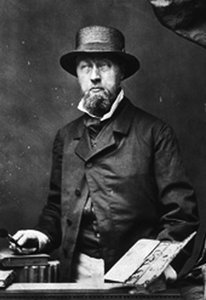
Йохан Бортхольд Жонгкيند
1819 - 1891 , Нидерланды
Основные сведения
- Artistic Movement Or Style: Предшественник импрессионизма
- Artists Or Movements Influenced By This Artist:
- Клод Моне
- Импрессионизм
- Artists Who Influenced This Artist:
- Эжен Исабей
- Андреас Шелфхоут
- Date Of Birth: 3 июня 1819 г.
- Date Of Death: 9 февраля 1891 г.
- Full Name: Johan Barthold Jongkind
- Nationality: Нидерландский
- Notable Artworks:
- Лунный свет на канале
- Парижские пейзажи
- Place Of Birth: Латтроп, Нидерланды
Похожие статьи

Романтический пейзаж: 10 шедевров, изменивших искусство | ArtsDot.com
Погрузитесь в мир романтического пейзажа! 10 шедевров Фридриха, Тёрнера и других гениев. Узнайте историю создания культовых картин и вдохновитесь для декора интерьера. Репродукции высокого качества на ArtsDot.com.
Nicolaes Berchem: Dutch Golden Age Pastoralism & the Evolution of Landscape Painting
Explore the captivating world of Nicolaes Berchem, a leading Dutch Golden Age painter. Discover his idyllic landscapes, masterful technique & lasting influence on art history. Learn more at ArtsDot.

Evocations of Place: A Historical Journey Through Landscape Art
Explore the rich history of landscape art with ArtsDot. Discover renowned artists, movements like Impressionism & Romanticism, and expert guidance for collecting timeless pieces. Find your perfect serene escape today!
Golden Light & Dutch Skies: Bringing the Magic of Dutch Golden Age Landscapes into Your Home
Transform your home with the breathtaking light of Dutch Golden Age landscapes. Discover how hand-painted oil reproductions of masterworks like Ruisdael and Vermeer bring timeless elegance, atmosphere, and soulful texture to modern interiors. Elevate your space with museum-quality art.
Charles Leickert: Capturing the Dutch Golden Age Light – A Comprehensive Study of Technique, Context, and Legacy
Explore the captivating winter landscapes of Charles Leickert, a master of Dutch Golden Age light & atmosphere. Discover his techniques, symbolism, and lasting legacy – a comprehensive study for art enthusiasts and collectors.