

 Предпросмотр
 Поделиться
 Поделиться
 Детали произведения

 Скачать
 Похожие работы
 Рентгенография
 Слайд-шоу
 Статистика
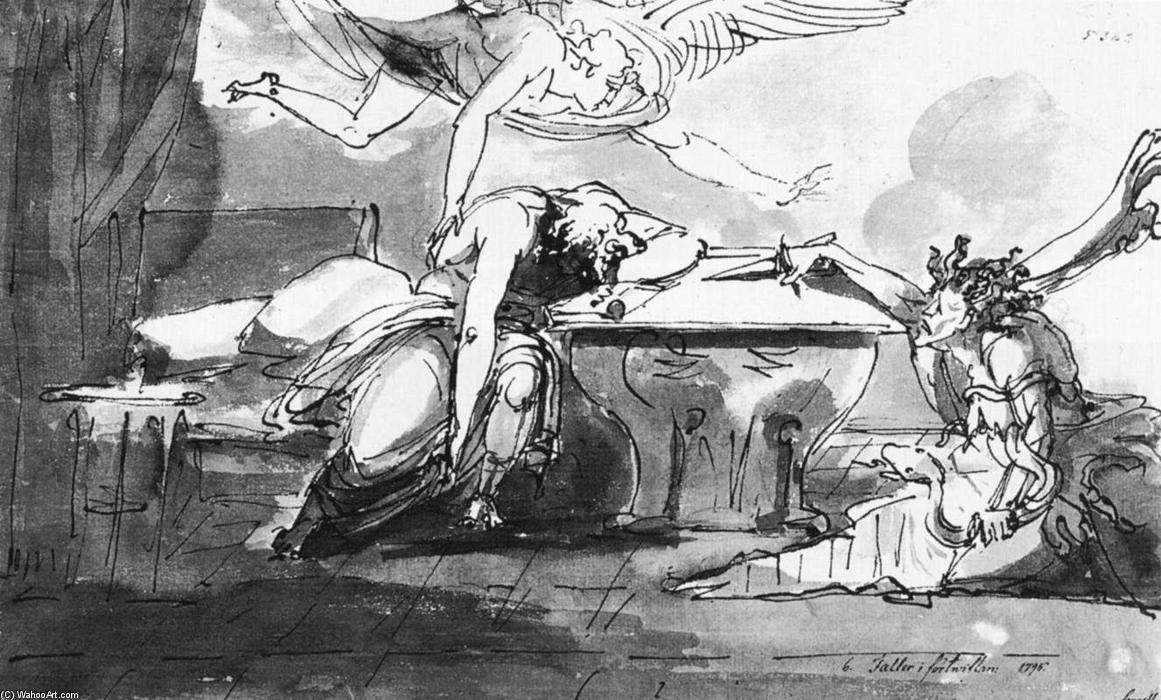
Plunging into Despair
 Romanticism
 1795
1795 198.0 x 331.0 cm
 Национальный музей Швеции
 Читать далее
Приобретите цифровое изображение высокого разрешения в улучшенном качестве, которое значительно превосходит онлайн-превью.
Каждый файл тщательно подготавливается нашими специалистами с использованием передовых инструментов и экспертной ручной ретуши. Мы гарантируем исключительную четкость, точную цветопередачу и детальную проработку каждого изображения.
Финальный файл доставляется по электронной почте в течение 72 часов и оптимизирован для немедленного использования в профессиональной среде, при верстке и печати. Это тот же уровень качества, которому доверяют ведущие дизайнерские студии, издательства и галереи.
Цифровое изображение
Скачайте файл высокого разрешения для личного использования, печати и творческих проектов. ( Перейти к печати Купить картину ручной работы)
Включено в каждый заказ цифровых изображений
Гарантия экспертной цифровой доставки
Выбирая ArtsDot.com, вы получаете не просто изображение — вы приобретаете профессионально обработанное цифровое произведение искусства, созданное с безупречной точностью и под защитой гарантии качества. Вот всё, что автоматически входит в ваш заказ:

Мгновенная доставка по e-mail
Ваш цифровой файл в высоком разрешении будет отправлен вам по электронной почте в течение 72 часов после оформления заказа — и сразу станет доступен для использования.

Цифровой файл с ИИ-улучшением
Ваше произведение искусства проходит профессиональную оптимизацию с использованием передовых инструментов ИИ и ручной обработки, что гарантирует максимальную детализацию, четкость и точность цветопередачи.

Бессрочная бесплатная повторная доставка
Случайно удалили или потеряли файл? Не беспокойтесь — мы отправим его вам повторно в любое время и совершенно бесплатно.

Без импортных пошлин — навсегда
Наслаждайтесь вашим произведением искусства мгновенно без таможенных пошлин, сборов или затрат на доставку — цифровые загрузки всегда не облагаются налогом.

Гарантия точности цветопередачи
Мы гарантируем, что ваше цифровое изображение максимально точно передает оригинальные цвета благодаря использованию профессиональных инструментов и систем управления цветом.

Гарантия удовлетворенности 100 дней
Если вы не будете удовлетворены своим цифровым изображением, мы внесем правки или вернем 100% стоимости в течение 100 дней — без лишних вопросов.

100% Гарантия возврата средств
Не удовлетворены покупкой? Получите полный возврат средств в течение 100 дней после получения цифрового файла — без лишних вопросов.

Скидки на оптовые заказы
Купите 3 изображения, сэкономьте 10% — Купите 5, сэкономьте 15% — Купите 10+, сэкономьте 20%. Отличное решение для творческих проектов, галерей и агентств.
Похожие произведения
Биография художника
Johan Tobias Sergel: Sculptor of Emotion and Myth
Johan Tobias Sergel (1740-1814) stands as a pivotal figure in 18th and 19th-century Swedish art, a sculptor whose expressive portraits and dramatic mythological scenes captured the spirit of his time. Born in Stockholm, he rose from humble beginnings to become one of Sweden’s most celebrated artists, leaving behind a legacy that continues to resonate through his powerful works. Sergel's career unfolded during a period of significant artistic transition – moving from the Rococo’s ornate flourishes towards the burgeoning Neoclassical ideals while retaining a distinctly personal and emotionally charged style.
His early training was shaped by a diverse range of influences. Initially apprenticed to Pierre Hubert L’Archevêque, he later benefited from instruction in Paris, absorbing the techniques and aesthetics of the era. Crucially, his time in Rome proved transformative. There, amidst the ruins of antiquity, Sergel immersed himself in classical sculpture, developing a profound understanding of form, anatomy, and narrative. This experience fueled his ambition to create works that not only depicted beauty but also conveyed complex emotions and stories – a hallmark of his later career.
A Life Shaped by Art and Emotion
Sergel’s life was far from solely dedicated to artistic pursuits; it was interwoven with personal drama, melancholy, and a deep connection to the world around him. Born into a family of artists—his father, Christoffer Sergel, was a decorator—he inherited a creative lineage that profoundly shaped his path. However, his early years were marked by financial struggles and a sense of displacement, contributing to a lifelong tendency towards introspection and occasional bouts of despair.
A pivotal moment arrived when he was summoned to Stockholm by King Gustav III, who recognized Sergel’s talent and offered him a position at the Royal Palace. This appointment brought both prestige and responsibility, but also exposed Sergel to the pressures of court life. Despite his success, he struggled with personal demons, experiencing periods of intense sadness and contemplating suicide – a struggle reflected in some of his most poignant works. His relationship with Anna-Rella Hellström, an innkeeper who became his mistress and muse, provided a source of profound joy and inspiration, culminating in the birth of four children. Her untimely death in 1796 marked a devastating blow, leaving Sergel deeply affected for the remainder of his life.
Sculpting Myth and Majesty
Sergel’s artistic output spanned a remarkable range of subjects, encompassing portraits, mythological scenes, historical monuments, and even satirical drawings. His sculptures are characterized by their dramatic intensity, expressive gestures, and meticulous attention to detail. He skillfully employed marble and bronze to capture the essence of his subjects – whether regal figures like King Gustav III or tormented heroes from classical tales.
Among his most celebrated works are the monumental “Diomedes Stealing the Palladium,” a powerful depiction of a legendary hero’s transgression, and “The Muse of History Recording the Deeds of Gustavus Adolphus,” a complex allegorical composition celebrating the achievements of King Gustav II Adolf. His portrait of King Gustav III, later cast in bronze and installed in Stockholm's Sergels torg, remains an iconic representation of the Swedish monarch. Furthermore, his work extended beyond grand monuments; he created intimate portraits that captured the personalities and emotions of his subjects with remarkable sensitivity.
Legacy and Influence
Johan Tobias Sergel’s impact on Swedish art is undeniable. He bridged the gap between Rococo and Neoclassical styles, forging a unique artistic voice characterized by emotional depth and dramatic flair. His sculptures continue to be admired for their technical skill, expressive power, and ability to evoke profound human experiences.
Sergels torg, named in his honor, stands as a testament to his enduring legacy – a public space designed to reflect the spirit of the artist and celebrate Swedish history. His influence can also be seen in the works of subsequent generations of Swedish sculptors, who drew inspiration from his innovative approach to portraying human emotion and mythic narratives. Sergel’s work remains a vital part of Sweden's cultural heritage, offering a window into the artistic sensibilities of a transformative era.
Further Exploration: Plunging into Despair (1795) – A dramatic black & white Romantic drawing showcasing expressive lines and intense emotion. Johan Tobias Sergel - Explore his significant contributions to 18th & 19th century European art.
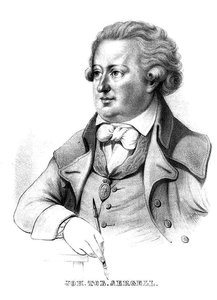
Johan Tobias Sergel
1740 - 1814 , Sweden
Основные сведения
- Artistic Movement Or Style: Neoclassical & Rococo
- Artists Or Movements Influenced By This Artist:
- Gustav III
- Romanticism
- Artists Who Influenced This Artist:
- Pierre Hubert Larchevêsque
- Thomas Rowlandson
- Date Of Birth: September 7, 1740
- Date Of Death: February 26, 1814
- Full Name: Johan Tobias Sergel
- Nationality: Swedish
- Notable Artworks:
- Plunging into Despair
- Diomedes Stealing Palladium
- Muse of History Recording Deeds
- Place Of Birth: Stockholm, Sweden