 Предпросмотр
 Поделиться
 Поделиться
 Детали произведения

 Скачать
 Похожие работы
 Рентгенография
 Слайд-шоу
 Статистика
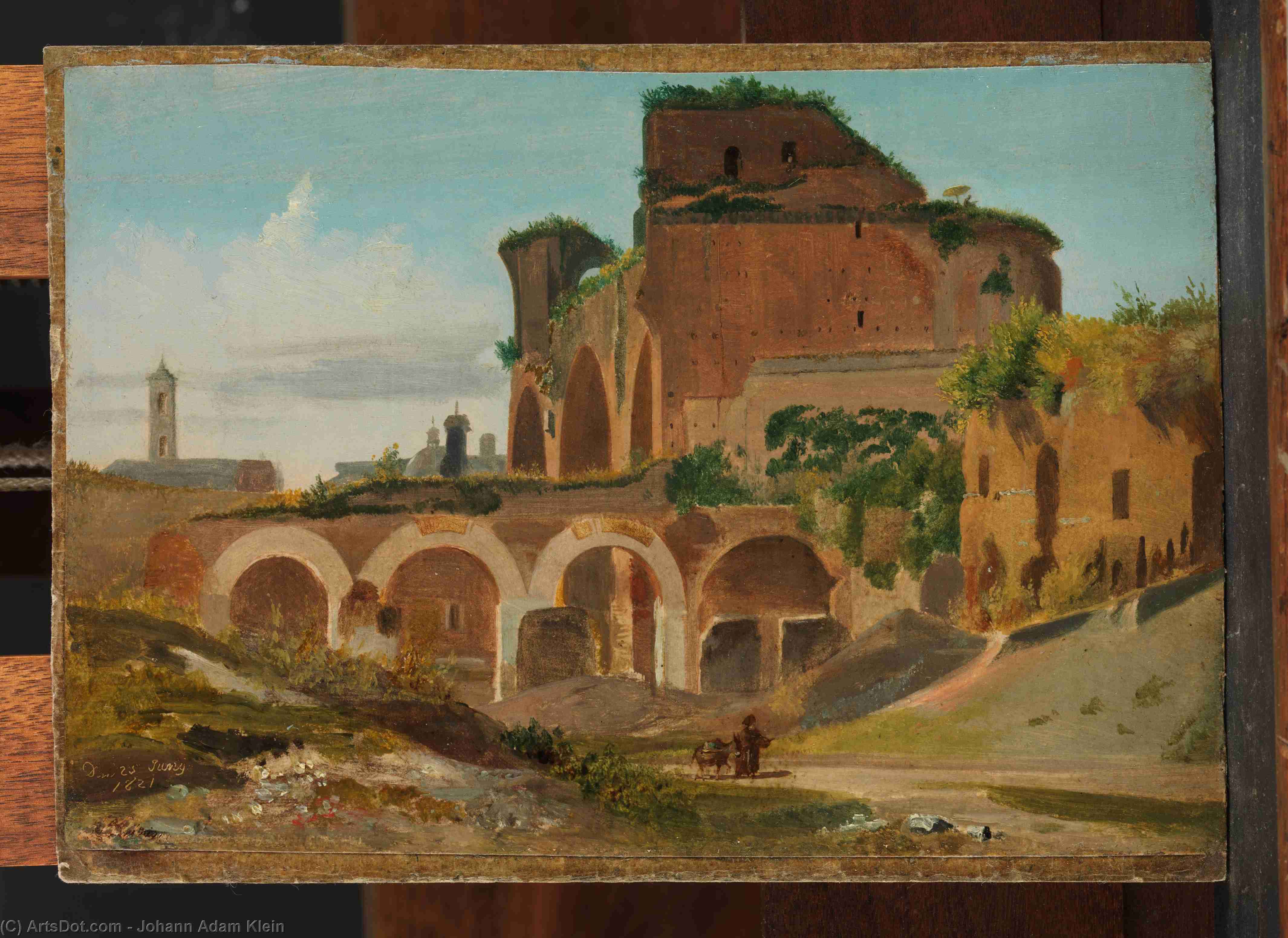
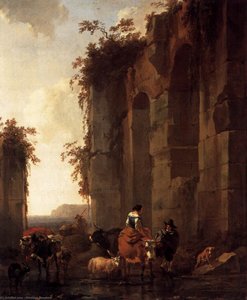
The Basilica of Constantine, Rome (1821)
 Читать далее
Приобретите цифровое изображение высокого разрешения в улучшенном качестве, которое значительно превосходит онлайн-превью.
Каждый файл тщательно подготавливается нашими специалистами с использованием передовых инструментов и экспертной ручной ретуши. Мы гарантируем исключительную четкость, точную цветопередачу и детальную проработку каждого изображения.
Финальный файл доставляется по электронной почте в течение 72 часов и оптимизирован для немедленного использования в профессиональной среде, при верстке и печати. Это тот же уровень качества, которому доверяют ведущие дизайнерские студии, издательства и галереи.
Цифровое изображение
Скачайте файл высокого разрешения для личного использования, печати и творческих проектов. ( Перейти к печати Купить картину ручной работы)
Включено в каждый заказ цифровых изображений
Гарантия экспертной цифровой доставки
Выбирая ArtsDot.com, вы получаете не просто изображение — вы приобретаете профессионально обработанное цифровое произведение искусства, созданное с безупречной точностью и под защитой гарантии качества. Вот всё, что автоматически входит в ваш заказ:

Мгновенная доставка по e-mail
Ваш цифровой файл в высоком разрешении будет отправлен вам по электронной почте в течение 72 часов после оформления заказа — и сразу станет доступен для использования.

Цифровой файл с ИИ-улучшением
Ваше произведение искусства проходит профессиональную оптимизацию с использованием передовых инструментов ИИ и ручной обработки, что гарантирует максимальную детализацию, четкость и точность цветопередачи.

Бессрочная бесплатная повторная доставка
Случайно удалили или потеряли файл? Не беспокойтесь — мы отправим его вам повторно в любое время и совершенно бесплатно.

Без импортных пошлин — навсегда
Наслаждайтесь вашим произведением искусства мгновенно без таможенных пошлин, сборов или затрат на доставку — цифровые загрузки всегда не облагаются налогом.

Гарантия точности цветопередачи
Мы гарантируем, что ваше цифровое изображение максимально точно передает оригинальные цвета благодаря использованию профессиональных инструментов и систем управления цветом.

Гарантия удовлетворенности 100 дней
Если вы не будете удовлетворены своим цифровым изображением, мы внесем правки или вернем 100% стоимости в течение 100 дней — без лишних вопросов.

100% Гарантия возврата средств
Не удовлетворены покупкой? Получите полный возврат средств в течение 100 дней после получения цифрового файла — без лишних вопросов.

Скидки на оптовые заказы
Купите 3 изображения, сэкономьте 10% — Купите 5, сэкономьте 15% — Купите 10+, сэкономьте 20%. Отличное решение для творческих проектов, галерей и агентств.
Похожие произведения







Биография художника
A Chronicler of the Rhine: The Life and Art of Johann Adam Klein
Johann Adam Klein, born in 1792, was a German painter whose work offers a fascinating glimpse into the Romantic era’s preoccupation with both meticulous observation and idealized landscapes. While not a household name like some of his contemporaries, Klein carved out a unique niche for himself as a chronicler of the Rhine River valley, its people, and its animal life. His career unfolded against a backdrop of significant social and political change in Europe, influencing his artistic choices and ultimately shaping a body of work that blends scientific accuracy with poetic sensibility. Little is known about Klein’s early life or formal training; he appears to have been largely self-taught, developing his skills through dedicated study of nature and the works of earlier masters. This independent path allowed him to cultivate a distinctive style, free from rigid academic constraints. He lived until 1875, witnessing firsthand the rise of industrialization and its impact on the traditional rural life he so often depicted.From Animal Studies to Panoramic Vistas
Klein initially gained recognition for his remarkably detailed animal studies. These were not merely representations of fauna; they possessed a striking realism that suggested an intimate understanding of anatomy, behavior, and habitat. He captured the subtle nuances of fur, feather, and muscle with painstaking precision, elevating these creatures beyond simple subjects to become compelling portraits in their own right. However, Klein’s artistic ambitions extended beyond individual animals. He soon began incorporating them into broader landscape compositions, specifically focusing on the Rhine region. This marked a pivotal shift in his career – from a focus on isolated natural elements to expansive panoramic vistas that captured the essence of the river and its surrounding environment. His paintings became increasingly ambitious in scale and scope, aiming to convey not just the physical beauty of the Rhine but also its historical significance and cultural importance. He was commissioned by Prussian authorities to document the Rhine’s landscapes as part of a larger surveying project, providing him with opportunities to travel extensively along the river and create a comprehensive visual record.Influences and Artistic Development
While Klein's style was largely self-developed, certain artistic influences are discernible in his work. The Dutch Golden Age masters, particularly those known for their animal paintings – artists like Paulus Potter and Jan Weenix – likely provided early inspiration regarding technique and realism. The Romantic movement, with its emphasis on emotion, individualism, and the sublime power of nature, profoundly shaped Klein’s artistic vision. Artists such as Caspar David Friedrich, whose landscapes evoked a sense of awe and spiritual contemplation, undoubtedly influenced his approach to composition and atmosphere. Furthermore, Klein's travels in Italy exposed him to Classical art and architecture, elements that occasionally appear in the backgrounds of his Rhine paintings, adding a layer of historical depth and cultural context. His work is not overtly dramatic like some Romantic painters, but rather possesses a quiet dignity and understated beauty, reflecting a more restrained sensibility. He skillfully blended these diverse influences into a unique style characterized by meticulous detail, atmospheric perspective, and a deep appreciation for the natural world.Major Achievements and Historical Significance
Klein’s most significant achievement lies in his comprehensive documentation of the Rhine River valley during a period of rapid change. His paintings serve as invaluable historical records, capturing the landscapes, architecture, and daily life of the region before they were irrevocably altered by industrialization. The commissions he received from the Prussian government attest to the value placed on his work for its accuracy and detail. Beyond their documentary importance, Klein’s paintings are also admired for their artistic merit. His skillful use of light and shadow creates a sense of depth and atmosphere, while his meticulous attention to detail brings the landscapes to life. He was able to capture the unique character of each location along the Rhine, from the bustling port cities to the quiet rural villages. His work provides insight into the Romantic era’s fascination with national identity and its connection to the natural landscape. While he may not be as widely recognized as some of his contemporaries, Johann Adam Klein remains an important figure in German art history, a testament to the power of observation, dedication, and artistic skill.Legacy
- Klein’s paintings are held in numerous public and private collections throughout Germany.
- His work continues to be studied by art historians for its historical significance and artistic merit.
- He is considered a key figure in the development of 19th-century German landscape painting.
- The detailed accuracy of his Rhine landscapes makes them valuable resources for researchers studying the region’s history and environment.
- His legacy lies in his ability to blend scientific observation with poetic sensibility, creating paintings that are both informative and emotionally engaging.