

 Предпросмотр
 Поделиться
 Поделиться
 Детали произведения

 Скачать
 Похожие работы
 Рентгенография
 Слайд-шоу
 Статистика
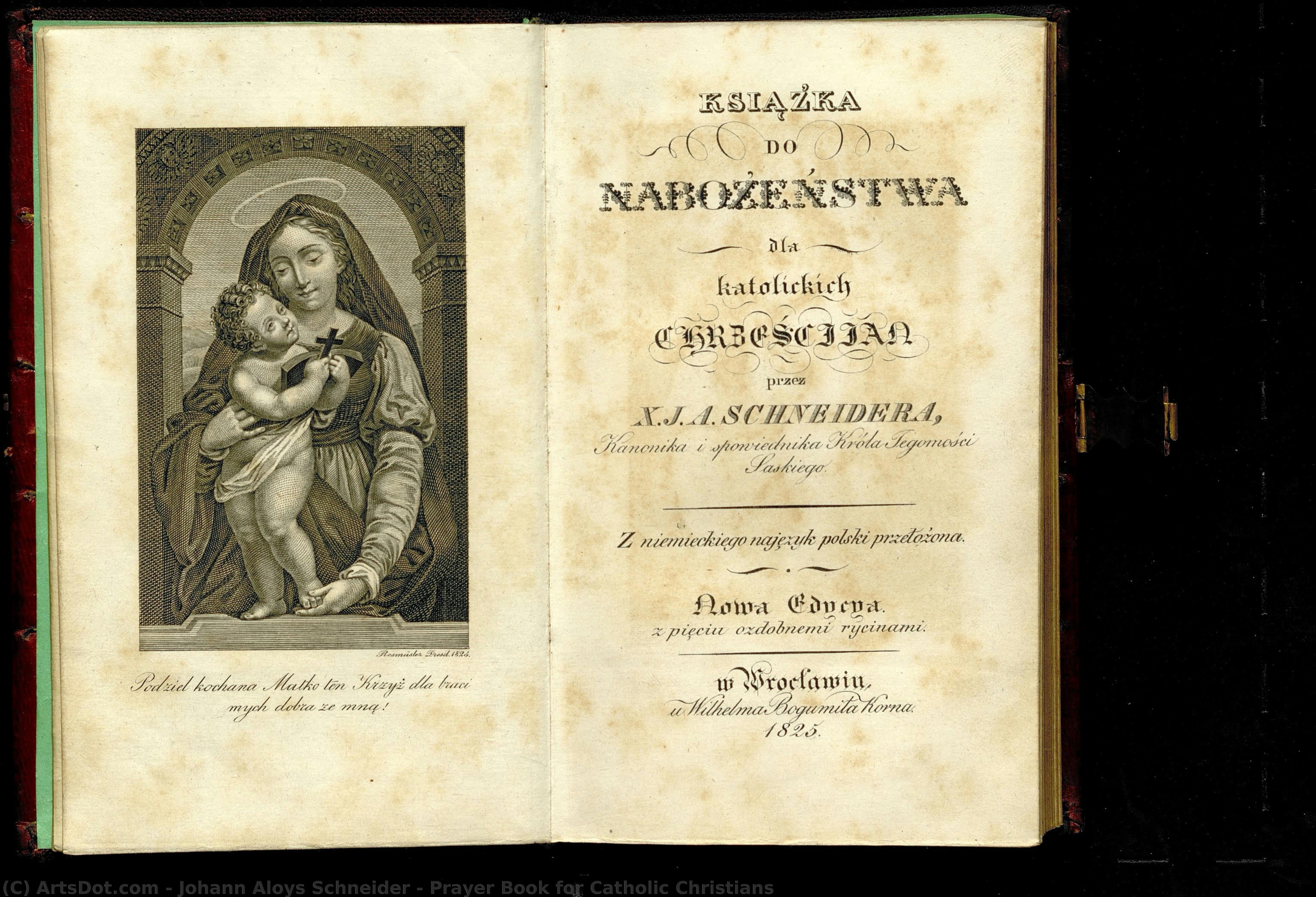
Prayer Book for Catholic Christians


 Читать далее
Приобретите цифровое изображение высокого разрешения в улучшенном качестве, которое значительно превосходит онлайн-превью.
Каждый файл тщательно подготавливается нашими специалистами с использованием передовых инструментов и экспертной ручной ретуши. Мы гарантируем исключительную четкость, точную цветопередачу и детальную проработку каждого изображения.
Финальный файл доставляется по электронной почте в течение 72 часов и оптимизирован для немедленного использования в профессиональной среде, при верстке и печати. Это тот же уровень качества, которому доверяют ведущие дизайнерские студии, издательства и галереи.
Цифровое изображение
Скачайте файл высокого разрешения для личного использования, печати и творческих проектов. ( Перейти к печати Купить картину ручной работы)
Включено в каждый заказ цифровых изображений
Гарантия экспертной цифровой доставки
Выбирая ArtsDot.com, вы получаете не просто изображение — вы приобретаете профессионально обработанное цифровое произведение искусства, созданное с безупречной точностью и под защитой гарантии качества. Вот всё, что автоматически входит в ваш заказ:

Мгновенная доставка по e-mail
Ваш цифровой файл в высоком разрешении будет отправлен вам по электронной почте в течение 72 часов после оформления заказа — и сразу станет доступен для использования.

Цифровой файл с ИИ-улучшением
Ваше произведение искусства проходит профессиональную оптимизацию с использованием передовых инструментов ИИ и ручной обработки, что гарантирует максимальную детализацию, четкость и точность цветопередачи.

Бессрочная бесплатная повторная доставка
Случайно удалили или потеряли файл? Не беспокойтесь — мы отправим его вам повторно в любое время и совершенно бесплатно.

Без импортных пошлин — навсегда
Наслаждайтесь вашим произведением искусства мгновенно без таможенных пошлин, сборов или затрат на доставку — цифровые загрузки всегда не облагаются налогом.

Гарантия точности цветопередачи
Мы гарантируем, что ваше цифровое изображение максимально точно передает оригинальные цвета благодаря использованию профессиональных инструментов и систем управления цветом.

Гарантия удовлетворенности 100 дней
Если вы не будете удовлетворены своим цифровым изображением, мы внесем правки или вернем 100% стоимости в течение 100 дней — без лишних вопросов.

100% Гарантия возврата средств
Не удовлетворены покупкой? Получите полный возврат средств в течение 100 дней после получения цифрового файла — без лишних вопросов.

Скидки на оптовые заказы
Купите 3 изображения, сэкономьте 10% — Купите 5, сэкономьте 15% — Купите 10+, сэкономьте 20%. Отличное решение для творческих проектов, галерей и агентств.
Похожие произведения








Биография художника
A Life Dedicated to Faith and Art: Johann Aloys Schneider
Johann Aloys Schneider, born in Brno, Bohemia (modern-day Czech Republic) on April 12th, 1752, was a figure whose life seamlessly blended the roles of priest, educator, and bishop. His story is one not solely defined by ecclesiastical duties but deeply interwoven with a commitment to artistic expression, particularly through the meticulous craft of engraving and the illumination of religious texts. Schneider’s early education took place within the Jesuit college in Olmütz, an institution known for its rigorous curriculum and emphasis on both intellectual and spiritual development. This formative period undoubtedly instilled in him a profound reverence for learning and a dedication to the Catholic faith – values that would shape his entire life's trajectory. He entered the priesthood, dedicating himself to service within the church, but it was his parallel pursuit of artistic endeavors that distinguished him as a unique voice within the 18th-century religious landscape.The Engraver’s Hand: A Baroque Legacy
Schneider's artistic output primarily centered around engravings and illuminated manuscripts, reflecting the prevailing aesthetic sensibilities of the late Baroque period. His work wasn’t about radical innovation; rather, it was a masterful continuation and refinement of established traditions. He possessed an exceptional skill in rendering intricate details, particularly evident in his religious prints. These weren’t merely reproductions of existing imagery but carefully considered interpretations that often imbued scenes with heightened emotional intensity and dramatic flair. The delicate lines and subtle shading techniques he employed brought biblical narratives to life, serving as powerful tools for devotional practice during a time when widespread literacy was limited. His engravings were not simply images; they were windows into the sacred, designed to inspire contemplation and reinforce faith. He wasn’t merely copying existing works but adding his own artistic sensibility, creating pieces that resonated with the spiritual needs of his community.Vicar Apostolic and Bishop: A Shepherd of Souls
In 1801, Schneider was appointed as Vicar Apostolic of Saxony, a position of significant responsibility within the Catholic Church. This appointment marked a turning point in his life, demanding he balance his artistic pursuits with the weighty duties of ecclesiastical leadership. He served in this role until his death in 1818, navigating the complex political and religious climate of the era. Later, he became Bishop for a period of 2.4 years. His time as Vicar Apostolic was characterized by a commitment to strengthening Catholic communities within Saxony, fostering education, and promoting religious observance. It is important to note that his administrative responsibilities likely influenced the themes and subjects of his artwork. The need to provide accessible devotional materials for his flock may have spurred him to create more prints and illuminated texts.Influences and Artistic Development
While a comprehensive understanding of Schneider’s direct artistic influences remains elusive, it is clear that he drew heavily from the established traditions of Baroque engraving prevalent in Central Europe. Artists like Johann Baptist Zimmermann and Martin Engelbrecht, known for their detailed religious prints and book illustrations, likely served as models for his own style. The Jesuit emphasis on visual rhetoric also played a crucial role in shaping his artistic development. The Jesuits understood the power of imagery to convey complex theological concepts and inspire emotional responses, and Schneider’s work reflects this understanding. His illuminated manuscripts, with their ornate borders and carefully rendered figures, demonstrate a deep appreciation for the aesthetic principles of the Baroque period – characterized by grandeur, drama, and elaborate ornamentation.- Baroque Engraving Traditions
- Jesuit Visual Rhetoric
- Religious Printmaking of Central Europe
Historical Significance and Enduring Appeal
Johann Aloys Schneider’s historical significance lies not in groundbreaking artistic innovation but in his dedicated continuation of a vital religious tradition. He was a skilled craftsman who used his talents to create beautiful and evocative images that served as powerful tools for devotional practice. His work provides valuable insight into the aesthetic sensibilities and spiritual concerns of the late 18th-century Catholic Church. Today, Schneider’s engravings and illuminated manuscripts are prized by collectors and scholars alike. They offer a glimpse into a world where art and faith were inextricably linked, and where the meticulous hand of the artist played a crucial role in shaping religious experience. His legacy endures as a testament to the power of artistic dedication and the enduring appeal of Baroque elegance.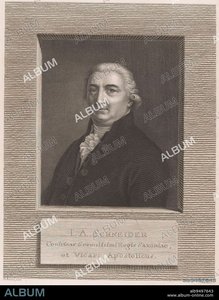
johann aloys schneider
1752 - 1818 , Czech Republic
Основные сведения
- Artistic Movement Or Style: Baroque Art
- Date Of Birth: April 12, 1752
- Date Of Death: 1818
- Full Name: Johann Aloys Schneider
- Nationality: German
- Place Of Birth: Brno, Czech Republic