

 Предпросмотр
 Поделиться
 Поделиться
 Детали произведения

 Скачать
 Похожие работы
 Рентгенография
 Слайд-шоу
 Статистика
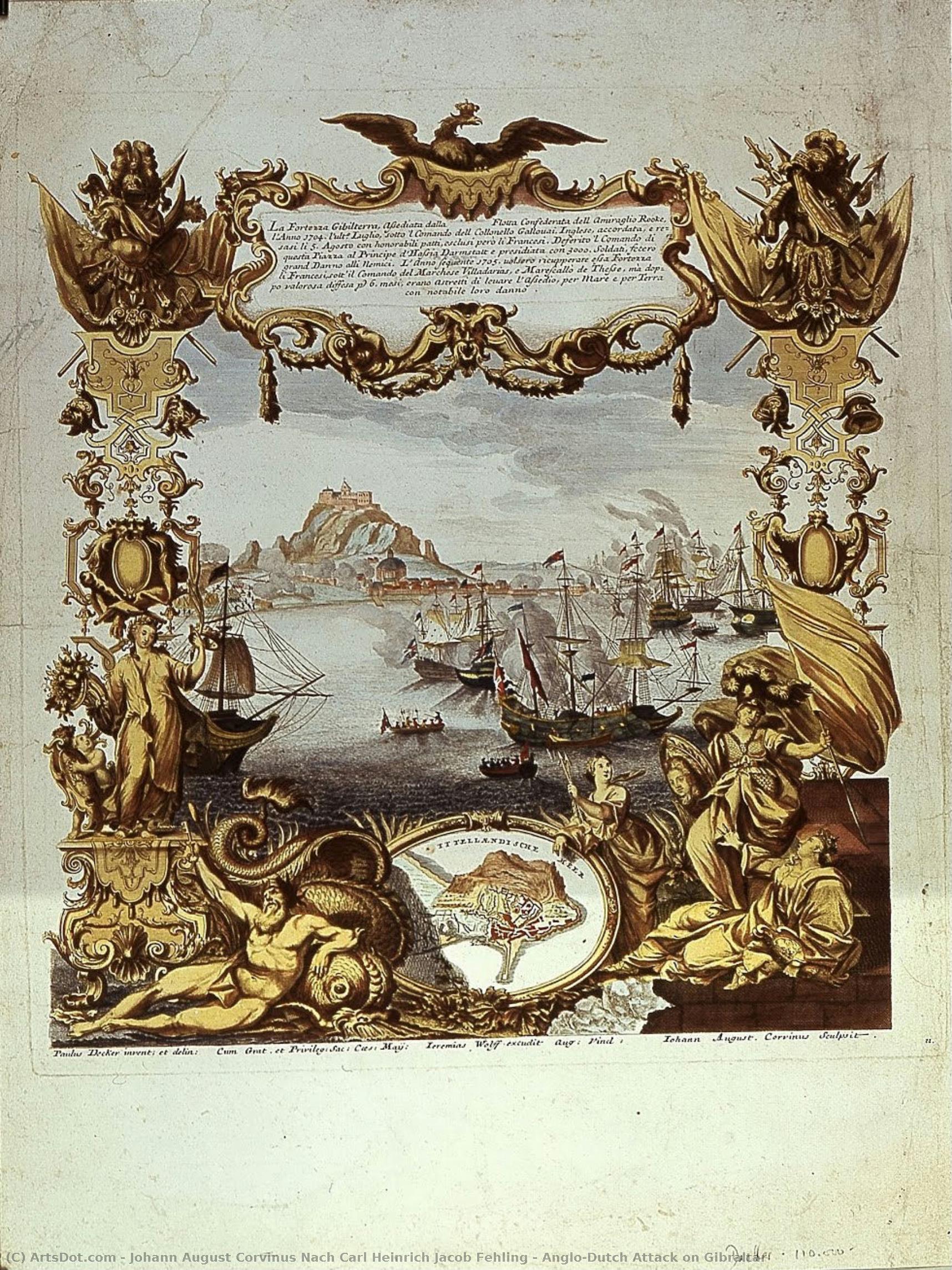
Anglo-Dutch Attack on Gibraltar

 Читать далее
Приобретите цифровое изображение высокого разрешения в улучшенном качестве, которое значительно превосходит онлайн-превью.
Каждый файл тщательно подготавливается нашими специалистами с использованием передовых инструментов и экспертной ручной ретуши. Мы гарантируем исключительную четкость, точную цветопередачу и детальную проработку каждого изображения.
Финальный файл доставляется по электронной почте в течение 72 часов и оптимизирован для немедленного использования в профессиональной среде, при верстке и печати. Это тот же уровень качества, которому доверяют ведущие дизайнерские студии, издательства и галереи.
Цифровое изображение
Скачайте файл высокого разрешения для личного использования, печати и творческих проектов. ( Перейти к печати Купить картину ручной работы)
Включено в каждый заказ цифровых изображений
Гарантия экспертной цифровой доставки
Выбирая ArtsDot.com, вы получаете не просто изображение — вы приобретаете профессионально обработанное цифровое произведение искусства, созданное с безупречной точностью и под защитой гарантии качества. Вот всё, что автоматически входит в ваш заказ:

Мгновенная доставка по e-mail
Ваш цифровой файл в высоком разрешении будет отправлен вам по электронной почте в течение 72 часов после оформления заказа — и сразу станет доступен для использования.

Цифровой файл с ИИ-улучшением
Ваше произведение искусства проходит профессиональную оптимизацию с использованием передовых инструментов ИИ и ручной обработки, что гарантирует максимальную детализацию, четкость и точность цветопередачи.

Бессрочная бесплатная повторная доставка
Случайно удалили или потеряли файл? Не беспокойтесь — мы отправим его вам повторно в любое время и совершенно бесплатно.

Без импортных пошлин — навсегда
Наслаждайтесь вашим произведением искусства мгновенно без таможенных пошлин, сборов или затрат на доставку — цифровые загрузки всегда не облагаются налогом.

Гарантия точности цветопередачи
Мы гарантируем, что ваше цифровое изображение максимально точно передает оригинальные цвета благодаря использованию профессиональных инструментов и систем управления цветом.

Гарантия удовлетворенности 100 дней
Если вы не будете удовлетворены своим цифровым изображением, мы внесем правки или вернем 100% стоимости в течение 100 дней — без лишних вопросов.

100% Гарантия возврата средств
Не удовлетворены покупкой? Получите полный возврат средств в течение 100 дней после получения цифрового файла — без лишних вопросов.

Скидки на оптовые заказы
Купите 3 изображения, сэкономьте 10% — Купите 5, сэкономьте 15% — Купите 10+, сэкономьте 20%. Отличное решение для творческих проектов, галерей и агентств.
Похожие произведения








Биография художника
John Michael Wright: A Renaissance Englishman in a Baroque World
Born in London around 1617, John Michael Wright’s life was a tapestry woven from threads of Scottish heritage, Roman artistic influence, and the tumultuous politics of 17th-century England. While often overshadowed by his more flamboyant contemporaries like Sir Peter Lely, Wright stands as a significant figure in British art – a painter who bridged the gap between the classical ideals of Rome and the evolving tastes of his native land. His career, spanning over half a century, reveals a remarkable adaptability and a quiet mastery of portraiture that continues to intrigue scholars today.
Wright’s early artistic training began in Edinburgh under the tutelage of George Jamesone, a Scottish painter who instilled in him a foundational understanding of composition and technique. However, it was his subsequent sojourn in Rome – a period he frequently identified as ‘Scotus’ – that truly shaped his artistic vision. Admitted to the prestigious Accademia di San Luca, Wright immersed himself in the vibrant art scene of the Italian capital, absorbing the techniques of Caravaggio, Guido Reni, and other masters of the Baroque. This Roman experience wasn't merely a period of study; it profoundly altered his perspective, influencing his approach to light, shadow, and the portrayal of human emotion.
Upon returning to England in 1656, Wright quickly established himself as a sought-after portraitist. He benefited greatly from the political climate following the English Civil War and the subsequent Restoration. His aristocratic clientele included figures like Charles II and James II, affording him access to the wealthiest and most influential circles of society. Wright’s portraits weren't simply likenesses; they were carefully constructed narratives, imbued with a sense of dignity, intelligence, and often, subtle melancholy. He possessed an uncanny ability to capture not just physical appearance but also the inner character of his subjects – a skill that set him apart from many of his contemporaries.
The Influence of Rome and the Baroque Style
Wright’s artistic development is inextricably linked to his Roman period. The influence of the Baroque style—characterized by dramatic lighting, dynamic compositions, and an emphasis on emotional intensity—is readily apparent in his work. However, Wright didn't simply mimic Italian techniques; he adapted them to suit the English context, creating a distinctly British interpretation of the Baroque aesthetic. His use of chiaroscuro – the interplay of light and dark – is particularly noteworthy, lending depth and drama to his portraits.
Furthermore, Wright’s exposure to classical art in Rome instilled in him a deep appreciation for anatomical accuracy and idealized beauty. He meticulously studied the human form, striving for a level of realism that was both technically proficient and aesthetically pleasing. This commitment to detail is evident in his rendering of drapery, hands, and facial features – elements that he treated with remarkable precision.
Notable Works and Patronage
While many of Wright’s portraits remain in private collections, several notable works have survived, offering valuable insights into his artistic style and the tastes of his patrons. The portrait of Mrs. Salesbury with her Grandchildren Edward and Elizabeth Bagot, now housed at Castle Musuem in Nottingham, exemplifies his ability to capture a sense of familial warmth and intimacy. His portraits of members of the Stuart court—including Charles II and James II—are particularly significant, providing a glimpse into the personalities and ambitions of these powerful figures.
Wright’s success as a portraitist was largely due to his astute understanding of his patrons' desires. He skillfully navigated the complex political landscape of Restoration England, cultivating relationships with influential individuals who could provide him with commissions and access to prestigious circles. His ability to cater to the tastes of both royalty and aristocracy solidified his position as one of the most sought-after artists of his generation.
A Legacy of Realism and Quiet Dignity
Despite a period of relative obscurity following his death in 1694, John Michael Wright’s work has experienced a resurgence of critical appreciation in recent decades. Scholars now recognize him as one of the leading indigenous British painters of the 17th century – a painter who defied convention and forged a unique artistic identity. Wright's portraits are distinguished by their realism, psychological depth, and understated elegance. He eschewed the flamboyant theatricality favored by some of his contemporaries, opting instead for a more subtle and nuanced approach to portraiture.
His legacy lies not in grand, sweeping compositions but in the quiet dignity and penetrating gaze of his subjects – individuals who seem to possess a profound understanding of themselves and the world around them. John Michael Wright’s paintings offer a valuable window into the social and political landscape of 17th-century England, revealing the complexities of power, ambition, and human emotion.
johann august corvinus nach carl heinrich jacob fehling
1694 - 1761 , Germany
Основные сведения
- Artistic Movement Or Style: Baroque portraiture
- Artists Or Movements Influenced By This Artist: ['None known']
- Artists Who Influenced This Artist: ['George Jamesone']
- Date Of Birth: May 1617
- Date Of Death: July 1694
- Full Name: John Michael Wright
- Nationality: English
- Notable Artworks: ['Portrait of Mrs Salesbury']
- Place Of Birth: London, England