


 Предпросмотр
 Поделиться
 Поделиться
 Детали произведения

 Скачать
 Похожие работы
 Рентгенография
 Слайд-шоу
 Статистика
Дизайн для погребального памятника
 Акрил на холсте
- Настенный декор
- Neoclassical Style
 17.0 x 10.0 cm
 Йельский центр британского искусства
 Читать далее
Приобретите цифровое изображение высокого разрешения в улучшенном качестве, которое значительно превосходит онлайн-превью.
Каждый файл тщательно подготавливается нашими специалистами с использованием передовых инструментов и экспертной ручной ретуши. Мы гарантируем исключительную четкость, точную цветопередачу и детальную проработку каждого изображения.
Финальный файл доставляется по электронной почте в течение 72 часов и оптимизирован для немедленного использования в профессиональной среде, при верстке и печати. Это тот же уровень качества, которому доверяют ведущие дизайнерские студии, издательства и галереи.
Цифровое изображение
Скачайте файл высокого разрешения для личного использования, печати и творческих проектов. ( Перейти к печати Купить картину ручной работы)
Включено в каждый заказ цифровых изображений
Гарантия экспертной цифровой доставки
Выбирая ArtsDot.com, вы получаете не просто изображение — вы приобретаете профессионально обработанное цифровое произведение искусства, созданное с безупречной точностью и под защитой гарантии качества. Вот всё, что автоматически входит в ваш заказ:

Мгновенная доставка по e-mail
Ваш цифровой файл в высоком разрешении будет отправлен вам по электронной почте в течение 72 часов после оформления заказа — и сразу станет доступен для использования.

Цифровой файл с ИИ-улучшением
Ваше произведение искусства проходит профессиональную оптимизацию с использованием передовых инструментов ИИ и ручной обработки, что гарантирует максимальную детализацию, четкость и точность цветопередачи.

Бессрочная бесплатная повторная доставка
Случайно удалили или потеряли файл? Не беспокойтесь — мы отправим его вам повторно в любое время и совершенно бесплатно.

Без импортных пошлин — навсегда
Наслаждайтесь вашим произведением искусства мгновенно без таможенных пошлин, сборов или затрат на доставку — цифровые загрузки всегда не облагаются налогом.

Гарантия точности цветопередачи
Мы гарантируем, что ваше цифровое изображение максимально точно передает оригинальные цвета благодаря использованию профессиональных инструментов и систем управления цветом.

Гарантия удовлетворенности 100 дней
Если вы не будете удовлетворены своим цифровым изображением, мы внесем правки или вернем 100% стоимости в течение 100 дней — без лишних вопросов.

100% Гарантия возврата средств
Не удовлетворены покупкой? Получите полный возврат средств в течение 100 дней после получения цифрового файла — без лишних вопросов.

Скидки на оптовые заказы
Купите 3 изображения, сэкономьте 10% — Купите 5, сэкономьте 15% — Купите 10+, сэкономьте 20%. Отличное решение для творческих проектов, галерей и агентств.
A Somber Reflection on Mortality: Johann Eckstein’s Design for Funerary Monument
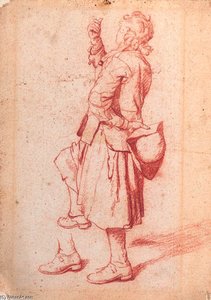
Johann Eckstein (1735-1818), a German artist hailing from Poppenroth, stands as a testament to the neoclassical aesthetic flourishing in late 18th century Europe. His oeuvre encompasses portraiture, sculpture, engraving, and pastel artistry—a remarkable breadth of talent that speaks volumes about his artistic grounding and intellectual curiosity. This particular drawing, “Design for Funerary Monument,” exemplifies Eckstein’s signature style: meticulous detail combined with restrained emotion, capturing a profound contemplation on the human condition.- Subject Matter & Composition: The artwork depicts a solitary man positioned before a pile of bags—a striking juxtaposition that immediately draws attention. His outstretched hands convey vulnerability and supplication, while his gaze directs upwards, suggesting an aspiration beyond earthly concerns. The background figures offer subtle context without dominating the central figure’s expressive pose.
- Style & Technique: Eckstein's masterful use of black and white engraving—a technique favored during his time—creates a sense of solemnity and gravitas. Precise hatching and cross-hatching meticulously render textures, particularly in the robe and bags, demonstrating exceptional technical skill. The artist’s attention to detail elevates the image beyond mere representation, inviting viewers into a moment of quiet introspection.
- Historical Context: Eckstein's work emerged during a period marked by Enlightenment ideals—a fascination with reason and observation influencing artistic endeavors. Funerary monuments were considered important expressions of piety and remembrance, reflecting societal beliefs about death and afterlife. Eckstein’s design aligns perfectly with this cultural milieu, embodying the neoclassical preoccupation with idealized form and dignified emotion.
- Symbolism & Emotional Impact: The man's posture embodies humility before mortality—a theme prevalent in classical art. The bags symbolize burdens carried throughout life, hinting at anxieties about legacy and remembrance. Overall, “Design for Funerary Monument” evokes a feeling of melancholy beauty, prompting contemplation on the ephemeral nature of existence and the importance of spiritual reflection.
- Provenance & Reproduction: Currently housed at Yale Center for British Art (Paul Mellon Collection), this drawing represents an invaluable piece of artistic heritage. Fortunately, ArtsDot offers high-quality reproductions that allow enthusiasts worldwide to appreciate Eckstein’s artistry without venturing into museums. These prints capture the essence of the original artwork—its tonal subtlety and expressive power—providing a stunning visual experience for collectors and interior designers alike.
Explore more about Johann Eckstein's artistic journey here.
Похожие произведения


Биография художника
Early Life and Artistic Foundations
Joseph, Baron Ducreux (June 26, 1735 – July 24, 1802), was a remarkably versatile figure in 18th-century French art—a noble, portrait painter, pastelist, miniaturist, and engraver. Born in Nancy, France, into a family with a history of artistic talent, Ducreux’s early life provided him with a solid foundation for his future career. While specific details about his formal training remain somewhat elusive, it is believed he received instruction from his father, who was also a painter, and later benefited significantly from the tutelage of Maurice Quentin de La Tour, a renowned pastelist known for his exquisite portraits. This early mentorship instilled in Ducreux a deep understanding of technique, particularly in capturing delicate details and subtle expressions—skills that would become hallmarks of his distinctive style. His move to Paris in 1760 marked the beginning of his ascent within the artistic circles of the capital, where he continued to refine his craft under the influence of Jean-Baptiste Greuze, a master of sentimental portraiture. Greuze’s impact on Ducreux's oil painting technique is noted as an important step in his development.Royal Patronage and the Rise to Prominence
Ducreux’s career truly took flight when he was appointed as the official portraitist to Queen Marie Antoinette in 1769. This prestigious commission, which involved creating a portrait for King Louis XVI before their marriage, catapulted him into the heart of French court life. Despite not being a member of the Royal Academy of Painting and Sculpture—a body traditionally dominated by established artists—Ducreux’s talent and dedication earned him the coveted title of *premier peintre de la reine*. This appointment underscored the Queen's discerning eye and her willingness to champion unconventional artistic voices. The royal court provided Ducreux with unparalleled opportunities, solidifying his reputation and establishing him as one of the most sought-after portraitists in France.The Revolutionary Self-Portraits: A Departure from Convention
What truly distinguishes Joseph Ducreux from his contemporaries is a series of self-portraits created during the tumultuous years of the French Revolution. These works represent a radical departure from the formal, stoic depictions prevalent at the time and reveal a playful, expressive personality rarely seen in portraiture. Instead of presenting an idealized image of himself, Ducreux depicted himself in exaggerated poses—often mid-yawn, with a mischievous grin, or engaging directly with the viewer—challenging the conventions of courtly art. His “Self-Portrait, Yawning” (1783) and “Self-Portrait as a Mocker” (1783), for example, capture him in moments of vulnerability and spontaneity, inviting viewers to share in his humor and engage with his personality on a more personal level. These unconventional portraits were not merely artistic exercises; they reflected Ducreux’s own response to the changing political landscape and his willingness to embrace a more democratic approach to art.Influence and Legacy
Ducreux's self-portraits, initially met with mixed reactions, experienced a remarkable resurgence in popularity during the 20th and 21st centuries, largely thanks to their appropriation by internet culture. His expressive depictions of human emotion—particularly his ability to convey humor and vulnerability—resonated deeply with a global audience, leading to widespread sharing and remixing on platforms like social media. This digital rediscovery has not only brought renewed attention to Ducreux’s work but also highlighted the timeless quality of his art and its enduring relevance. Beyond his internet fame, Ducreux's legacy lies in his pioneering spirit—his willingness to experiment with expression and emotion in portraiture paved the way for future artists to explore more diverse and personal approaches to the genre. He demonstrated that art could be both sophisticated and accessible, serious and humorous, leaving an indelible mark on the history of portrait painting. Joseph Ducreux’s life and work serve as a reminder that true artistry often lies in defying conventions and embracing the full spectrum of human experience.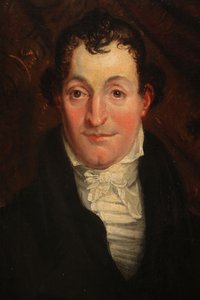
johann eckstein
1735 - 1818 , Germany
Основные сведения
- Artistic Movement Or Style: Portraiture, Pastel
- Artists Or Movements Influenced By This Artist: ['Jean-Baptiste Greuze']
- Artists Who Influenced This Artist: ['Maurice Quentin de La Tour']
- Date Of Birth: June 26, 1735
- Date Of Death: July 24, 1802
- Full Name: Joseph, Baron Ducreux
- Nationality: Lorrainian, French
- Notable Artworks:
- Self-Portrait, Yawning
- Self-Portrait as a Mocker
- Place Of Birth: Nancy, France