

 Предпросмотр
 Поделиться
 Поделиться
 Детали произведения

 Скачать
 Похожие работы
 Рентгенография
 Слайд-шоу
 Статистика
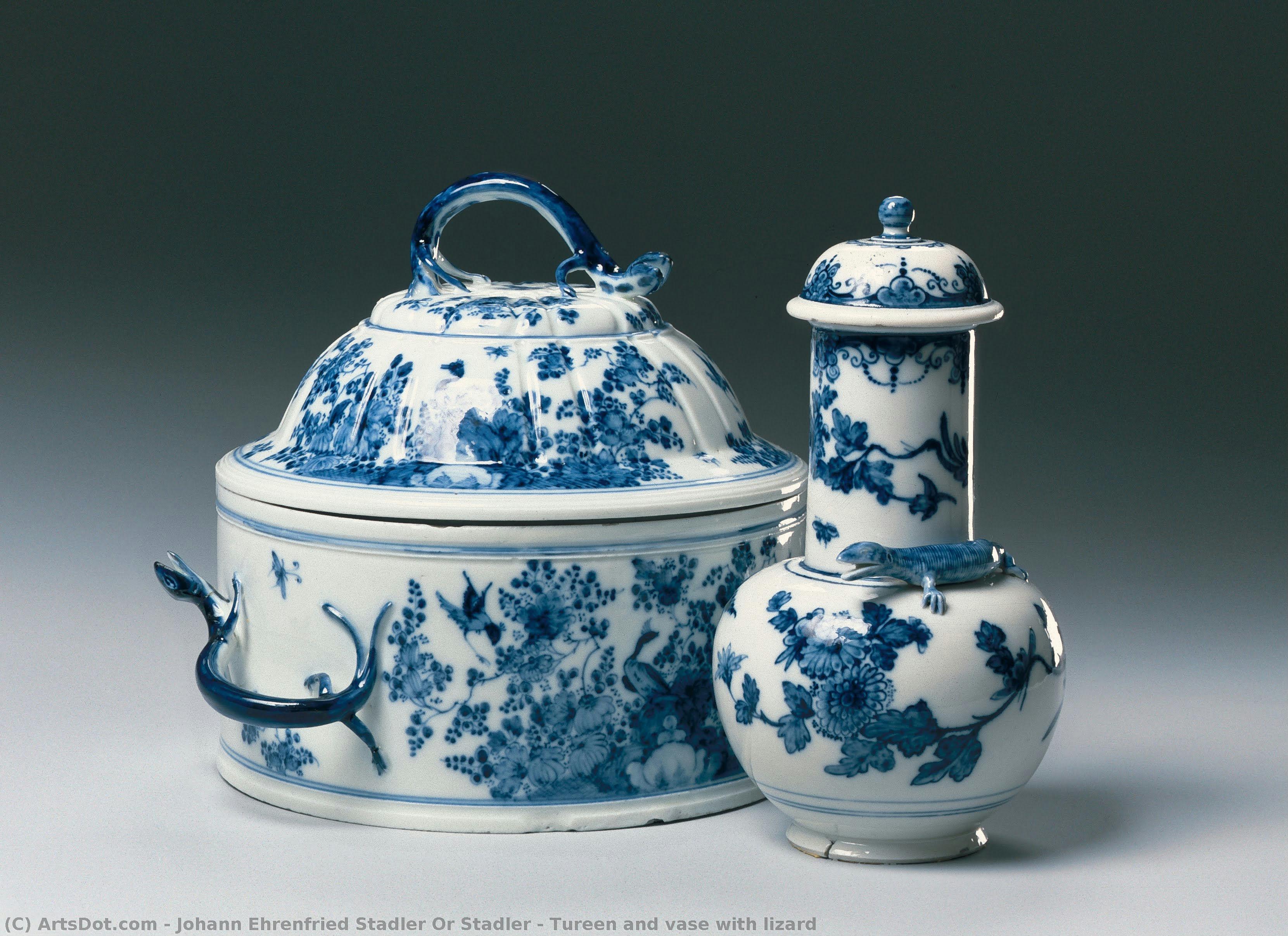
Tureen and vase with lizard


 Читать далее
Масляная репродукция ручной работы
Картина маслом на холсте в выбранном вами размере и раме, написанная на заказ нашими художниками. ( Перейти к печати Перейти к цифровым изображениям)




































Выберите один из наших стандартных размеров, соответствующих оригинальным пропорциям произведения искусства.

Вы можете указать собственные размеры, чтобы картина идеально вписалась в выбранную раму или пространство. Если выбранный вами размер не соответствует пропорциям оригинала, мы либо обрежем полотно, либо расширим его за счет дополнительных элементов, написанных вручную. Цифровой макет будет отправлен вам на утверждение перед началом производства.
Обратите внимание, что предварительный просмотр на экране не отражает фактическую обрезку или расширение. Только макет точно покажет окончательную композицию.
Хотя доступны индивидуальные размеры, мы рекомендуем выбирать вариант из предопределенного списка, чтобы сохранить исходные пропорции.
После оформления заказа команда ArtsDot.com свяжется с клиентом по электронной почте для уточнения деталей и предоставит предварительный макет
Доставка по всему миру () за 3–4 недели вместо стандартных 5 недель. (13 Сентябрь). Без компромиссов в качестве.

Бесплатная экспресс-доставка по всему миру

Высококачественный льняной холст

Полное страхование доставки

Гарантия возмещения таможенных пошлин

Гарантия точного соответствия цветов

100-дневная политика возврата (только при обнаружении дефектов)

Гарантия возврата 100% средств

Предложение оптовых скидок
 Вариант со стеклом доступен только для размеров менее 110 см

Tureen and vase with lizard
Техника репродукции
Размер репродукции
-


Итоговая стоимость
$ 263
Похожие произведения








Биография художника
Thomas Hudson: The Master of Domestic Detail
Born in Exeter, Devon, in 1701 – a date shrouded in some uncertainty, often cited as December 8th – Thomas Hudson’s life and career unfolded within the bustling artistic landscape of London. He wasn't a flamboyant figure or a revolutionary innovator; rather, he was a meticulous craftsman, a dedicated portraitist who quietly established himself as the foremost painter of domestic scenes during the mid-18th century. His legacy isn’t one of dramatic stylistic shifts but of an astonishingly consistent and remarkably detailed approach to capturing everyday life within the homes of England's elite.
Hudson’s early artistic training was largely shaped by Jonathan Richardson the Elder, a prominent portraitist and art theorist. Richardson, known for his satirical and often unconventional portraits, fostered in Hudson a keen eye for observation and an appreciation for the nuances of human character. However, Hudson's relationship with his mentor proved complex; he married Richardson’s daughter, a union that reportedly caused considerable friction within the artistic community. Despite this familial entanglement, Hudson forged his own distinct path, becoming increasingly renowned for his ability to render fabrics, furniture, and domestic objects with unparalleled realism – a skill honed through years of diligent study and, crucially, collaboration.
Hudson’s studio operated as a sophisticated workshop, employing a team of assistants, most notably the drapery painter Joseph Van Aken. This partnership was pivotal to his success. Van Aken specialized in creating incredibly realistic fabric representations – velvets, silks, brocades – that formed the very foundation of Hudson's compositions. The artist himself focused on capturing the overall scene, the arrangement of objects, and the subtle expressions of the sitters. He wasn’t simply painting portraits; he was meticulously documenting a specific social milieu, offering a window into the lives of England’s landed gentry and merchant class. His subjects included prominent figures like Joshua Reynolds, Joseph Wright, Peter Toms, and even the esteemed poet Alexander Pope, who resided at his nearby villa in Twickenham.
The Art of Observation and Detail
Hudson's technique was characterized by an almost obsessive attention to detail. He wasn’t interested in grand gestures or dramatic lighting; instead, he favored a restrained palette and a focus on the minutiae of everyday life. His paintings are filled with exquisitely rendered textures – the weave of a carpet, the sheen of polished wood, the folds of a silk gown. He employed a technique known as ‘drapery painting,’ where assistants would create incredibly detailed fabric representations, which Hudson then integrated into his compositions. This collaborative approach allowed him to produce a prodigious output of portraits and genre scenes, all marked by an extraordinary level of realism.
Hudson’s subjects were typically posed in comfortable domestic settings – drawing rooms, libraries, or dining rooms – surrounded by the objects that defined their status and wealth. He meticulously depicted furniture, tableware, books, musical instruments, and other items, creating a rich tapestry of visual information. His paintings aren't merely portraits; they are carefully constructed narratives, offering insights into the tastes, habits, and social customs of his clientele.
A Retrospective Career
Hudson’s career spanned several decades, with his most prolific period occurring between 1740 and 1760. He initially enjoyed considerable success, becoming one of London's most sought-after portraitists. However, as the artistic landscape shifted and new talents emerged – notably Joshua Reynolds – Hudson faced increasing competition. He retreated from active portraiture in the late 1750s, dedicating himself to private commissions and maintaining a substantial art collection.
Despite his relative obscurity during his later years, Hudson’s work gained renewed recognition after his death in Twickenham in 1779. His extensive collection of paintings, drawings, and prints was dispersed through several auctions, revealing the breadth and depth of his artistic output. Today, his works are housed in major museums across the United Kingdom, including the National Portrait Gallery, the National Maritime Museum, Tate Britain, Barnstaple Guildhall, and the Bristol City Museum and Art Gallery – a testament to the enduring appeal of his meticulous realism and his unique portrayal of domestic life.
Legacy and Influence
Thomas Hudson’s influence on subsequent generations of artists is subtle but significant. His dedication to detail and his focus on everyday subjects paved the way for later artists who sought to capture the nuances of ordinary life. While he wasn't a revolutionary figure, his consistent excellence and his remarkable ability to render domestic objects with unparalleled realism cemented his place as one of England’s most important portraitists of the 18th century. He represents a fascinating intersection of artistic collaboration, meticulous craftsmanship, and a deep appreciation for the details that define human experience.
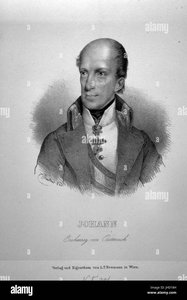
johann ehrenfried stadler or stadler
1701 - 1741 , Germany
Основные сведения
- Artistic Movement Or Style: Portrait painting
- Artists Or Movements Influenced By This Artist: ['Joshua Reynolds']
- Artists Who Influenced This Artist: ['Jonathan Richardson']
- Date Of Birth: 1701
- Date Of Death: 1779
- Full Name: Thomas Hudson
- Nationality: English
- Notable Artworks:
- William III on Horseback
- James Thomson (poet)
- Samuel Scott
- Place Of Birth: Devon, England