

 Предпросмотр
 Поделиться
 Поделиться
 Детали произведения

 Скачать
 Похожие работы
 Рентгенография
 Слайд-шоу
 Статистика
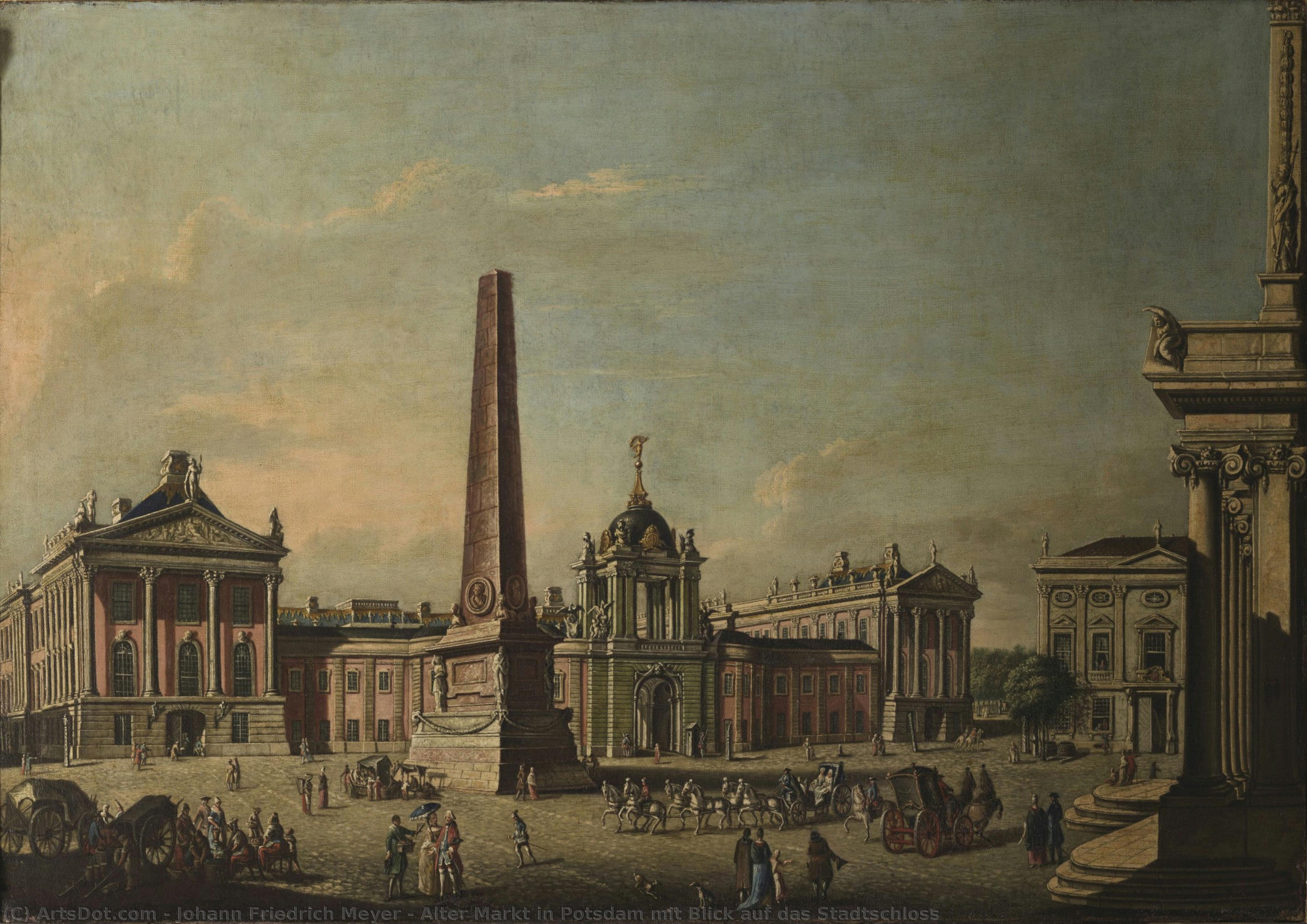
Alter Markt in Potsdam mit Blick auf das Stadtschloss
 1772
1772 73.0 x 112.0 cm
 Читать далее
Приобретите цифровое изображение высокого разрешения в улучшенном качестве, которое значительно превосходит онлайн-превью.
Каждый файл тщательно подготавливается нашими специалистами с использованием передовых инструментов и экспертной ручной ретуши. Мы гарантируем исключительную четкость, точную цветопередачу и детальную проработку каждого изображения.
Финальный файл доставляется по электронной почте в течение 72 часов и оптимизирован для немедленного использования в профессиональной среде, при верстке и печати. Это тот же уровень качества, которому доверяют ведущие дизайнерские студии, издательства и галереи.
Цифровое изображение
Скачайте файл высокого разрешения для личного использования, печати и творческих проектов. ( Перейти к печати Купить картину ручной работы)
Включено в каждый заказ цифровых изображений
Гарантия экспертной цифровой доставки
Выбирая ArtsDot.com, вы получаете не просто изображение — вы приобретаете профессионально обработанное цифровое произведение искусства, созданное с безупречной точностью и под защитой гарантии качества. Вот всё, что автоматически входит в ваш заказ:

Мгновенная доставка по e-mail
Ваш цифровой файл в высоком разрешении будет отправлен вам по электронной почте в течение 72 часов после оформления заказа — и сразу станет доступен для использования.

Цифровой файл с ИИ-улучшением
Ваше произведение искусства проходит профессиональную оптимизацию с использованием передовых инструментов ИИ и ручной обработки, что гарантирует максимальную детализацию, четкость и точность цветопередачи.

Бессрочная бесплатная повторная доставка
Случайно удалили или потеряли файл? Не беспокойтесь — мы отправим его вам повторно в любое время и совершенно бесплатно.

Без импортных пошлин — навсегда
Наслаждайтесь вашим произведением искусства мгновенно без таможенных пошлин, сборов или затрат на доставку — цифровые загрузки всегда не облагаются налогом.

Гарантия точности цветопередачи
Мы гарантируем, что ваше цифровое изображение максимально точно передает оригинальные цвета благодаря использованию профессиональных инструментов и систем управления цветом.

Гарантия удовлетворенности 100 дней
Если вы не будете удовлетворены своим цифровым изображением, мы внесем правки или вернем 100% стоимости в течение 100 дней — без лишних вопросов.

100% Гарантия возврата средств
Не удовлетворены покупкой? Получите полный возврат средств в течение 100 дней после получения цифрового файла — без лишних вопросов.

Скидки на оптовые заказы
Купите 3 изображения, сэкономьте 10% — Купите 5, сэкономьте 15% — Купите 10+, сэкономьте 20%. Отличное решение для творческих проектов, галерей и агентств.
Похожие произведения









Биография художника
The Alchemist of Light: The Dual Legacy of Johann Friedrich Meyer
In the intellectual ferment of eighteenth-century Prussia, few figures embody the era's unique marriage of empirical science and aesthetic grace as profoundly as Johann Friedrich Meyer. Born in Osnabrück in 1705, Meyer’s life was a tapestry woven from the threads of theological inquiry, pharmaceutical precision, and artistic mastery. While history often remembers him through the lens of his scientific contributions to chemical thought, his true legacy resides in his ability to translate the meticulous observations of a chemist into the sweeping, detailed vistas of a master landscape artist. His journey began not with a brush, but with the rhythmic, disciplined labor of an apprenticeship at the Hirsh Pharmacy in Bramsche, where the careful measurement of elements and the study of organic matter instilled in him a lifelong devotion to accuracy and detail.
The formative years of Meyer’s life were marked by a profound tension between the spiritual and the material. Raised by a physician father, he was steeped in an environment where the mysteries of the natural world were viewed through both a religious and a scientific prism. Although his early academic pursuits at Leipzig University leaned toward theology, the tactile reality of the laboratory—the transformative power of chemical reactions and the structural beauty of botanical specimens—evently redirected his focus. This period of intellectual wandering was crucial; it provided him with the foundational belief that to truly represent the world, one must first understand its fundamental composition. This philosophy would later become the cornerstone of his artistic technique, allowing him to approach a canvas with the same rigor one might apply to a scientific treatise.
A Vision of Prussian Grandeur
As Meyer transitioned from the laboratory to the studio, his work evolved into a celebrated form of veduta—the art of highly detailed, large-scale topographical painting. He became a premier chronicler of the Prussian landscape, specifically capturing the burgeoning architectural splendor of Potsdam and Berlin. His mastery lay in his ability to render the monumental scale of Baroque architecture alongside the delicate, ephemeral qualities of light and atmosphere. Unlike many of his contemporaries who sought purely romanticized vistas, Meyer’s landscapes possess an almost documentary precision. One can trace the influence of his pharmaceutical training in the way he meticulously renders the textures of stone, the density of foliage, and the clarity of the Prussian sky.
His artistic development was characterized by a seamless integration of structural permanence and natural fluidity. In his depictions of Wilhelmplatz and other significant Prussian landmarks, Meyer did not merely paint buildings; he captured the very essence of an era's growing political and cultural identity. His works serve as windows into the 18th-century urban experience, offering a sense of place that is both geographically accurate and emotionally resonant. Through his use of oil on canvas, he achieved a luminous quality that suggests a deep understanding of how light interacts with different surfaces—a skill undoubtedly sharpened by years of observing the subtle color shifts in chemical precipitates.
Historical Significance and Enduring Influence
The significance of Johann Friedrich Meyer extends far beyond the borders of German landscape art. He represents a pivotal moment in the Enlightenment, where the boundaries between the arts and sciences were not yet rigid walls, but permeable membranes. His advocacy for certain chemical theories, such as the phlogiston theory, alongside his artistic output, highlights a period when the pursuit of truth was a unified endeavor, whether through the lens of a microscope or the tip of a paintbrush. He stands as a testament to the idea that scientific observation can enrich the human experience of beauty, providing a depth of meaning that transcends mere decoration.
Today, Meyer’s work remains a vital resource for historians and art enthusiasts alike. His paintings are more than just aesthetic objects; they are historical records of a landscape in transition, capturing the architectural triumphs of the Prussian state before the ravages of time and conflict. To look upon a Meyer landscape is to witness the intersection of two worlds: the structured, analytical mind of the scientist and the soulful, observant eye of the artist. His ability to find the extraordinary within the precise remains an enduring inspiration, reminding us that true vision requires both the intellect to understand the world and the heart to feel its majesty.
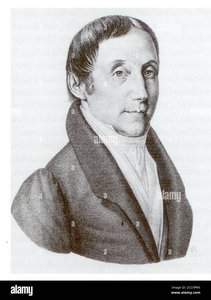
Johann Friedrich Meyer
1705 - 1765 , Germany
Основные сведения
- Artistic Movement Or Style: Landscape Art
- Artists Or Movements Influenced By This Artist: ['Joseph Black']
- Artists Who Influenced This Artist: ['']
- Date Of Birth: October 24, 1705
- Date Of Death: November 2, 1765
- Full Name: Johann Friedrich Meyer
- Nationality: German
- Notable Artworks:
- Alter Markt in Potsdam mit Blick auf das Stadtschloss
- Wilhelmplatz in Potsdam von Süden
- Place Of Birth: Osnabrück, Germany