

 Предпросмотр
 Поделиться
 Поделиться
 Детали произведения

 Скачать
 Похожие работы
 Рентгенография
 Слайд-шоу
 Статистика
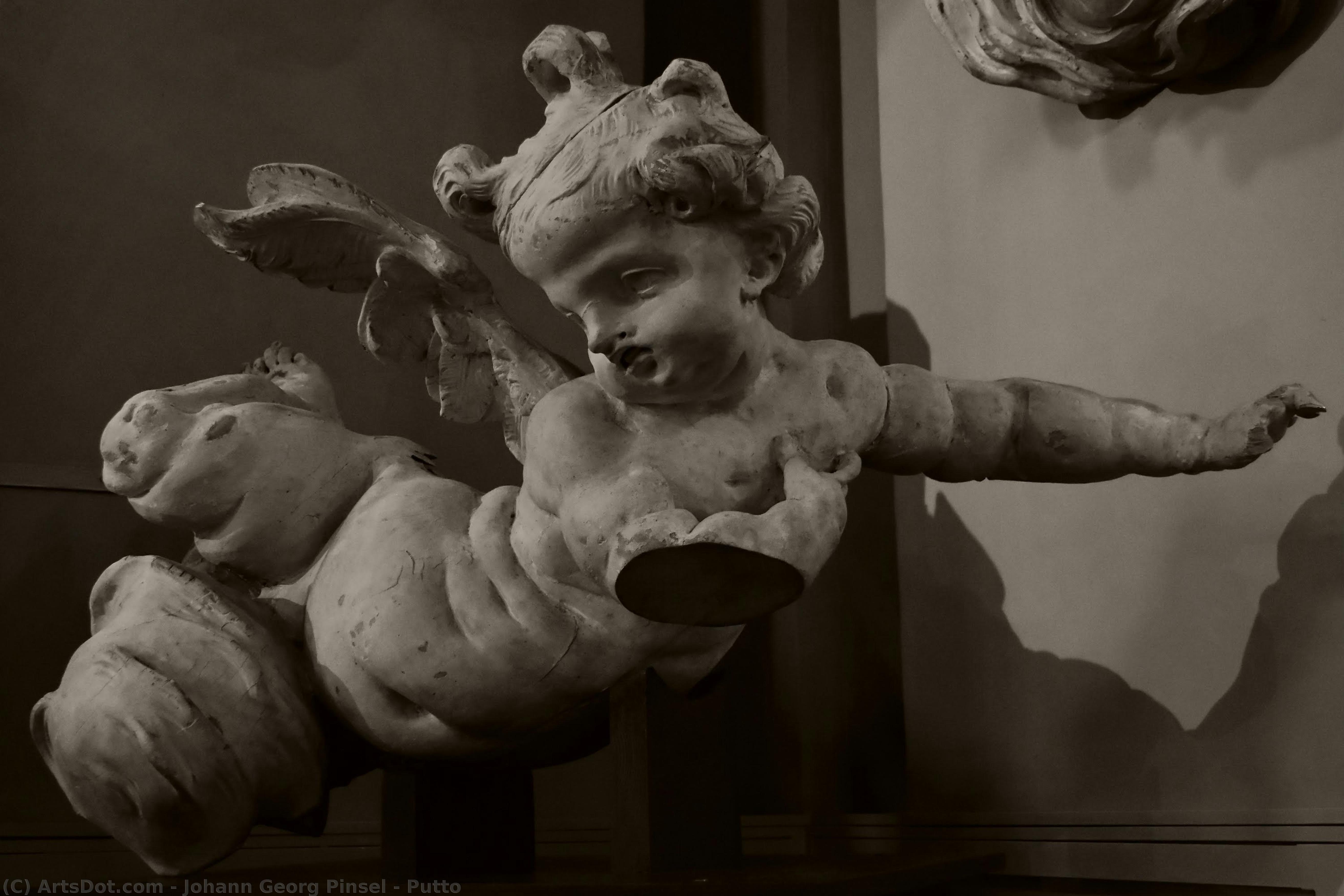
Putto


 Читать далее
Масляная репродукция ручной работы
Картина маслом на холсте в выбранном вами размере и раме, написанная на заказ нашими художниками. ( Перейти к печати Перейти к цифровым изображениям)




































Выберите один из наших стандартных размеров, соответствующих оригинальным пропорциям произведения искусства.

Вы можете указать собственные размеры, чтобы картина идеально вписалась в выбранную раму или пространство. Если выбранный вами размер не соответствует пропорциям оригинала, мы либо обрежем полотно, либо расширим его за счет дополнительных элементов, написанных вручную. Цифровой макет будет отправлен вам на утверждение перед началом производства.
Обратите внимание, что предварительный просмотр на экране не отражает фактическую обрезку или расширение. Только макет точно покажет окончательную композицию.
Хотя доступны индивидуальные размеры, мы рекомендуем выбирать вариант из предопределенного списка, чтобы сохранить исходные пропорции.
После оформления заказа команда ArtsDot.com свяжется с клиентом по электронной почте для уточнения деталей и предоставит предварительный макет
Доставка по всему миру () за 3–4 недели вместо стандартных 5 недель. (11 Сентябрь). Без компромиссов в качестве.

Бесплатная экспресс-доставка по всему миру

Высококачественный льняной холст

Полное страхование доставки

Гарантия возмещения таможенных пошлин

Гарантия точного соответствия цветов

100-дневная политика возврата (только при обнаружении дефектов)

Гарантия возврата 100% средств

Предложение оптовых скидок
 Вариант со стеклом доступен только для размеров менее 110 см

Putto
Техника репродукции
Размер репродукции
-


Итоговая стоимость
$ 263
Похожие произведения


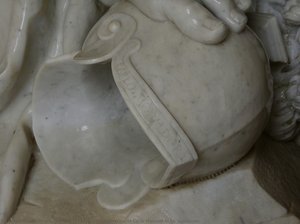
Биография художника
The Sculptor of Eastern Galicia’s Baroque Splendor
Johann Georg Pinsel, a name that resonates with the dramatic intensity of the 18th century, stands as a pivotal figure in the artistic landscape of Eastern Galicia. Born around 1715 in Buzău, within the historical region of Galicia—now part of Ukraine—Pinsel’s life and work embody the swirling energy of the Baroque-Rococo transition. Though biographical details regarding his early years remain shrouded in the mists of time, his presence in the art historical canon was powerfully resurrected in 1923 by the scholar Jan Bołoz Antoniewicz. This rediscovery allowed the world to witness a master whose hands breathed life into stone and wood, creating works that capture both divine grace and raw, human emotion.
The essence of Pinsel’s artistry lies in its profound ability to marry the theatricality of the Baroque with the delicate, ornamental flourishes of the Rococo. His style is characterized by an extraordinary sense of movement and a mastery of intricate detail that commands the viewer's attention. Whether working in marble or wood, Pinsel possessed a unique talent for capturing poignant expressions and dynamic compositions. This is perhaps most evident in his religious works, where he utilized dramatic realism to evoke deep spiritual devotion, making the sacred figures feel tangibly present within their architectural settings.
Patronage and the Flourishing of a Master
The trajectory of Pinsel’s career was inextricably linked to the patronage of the Polish aristocracy, most notably Mikołaj Bazyli Potocki. As a wealthy and influential figure, Potocki provided the essential resources and ambitious commissions that allowed Pinsel to flourish in the town of Buchach. Under this generous stewardship, Pinsel embarked on monumental projects that would define the cultural heritage of the region. His work for the Potocki family was not merely decorative but served as a profound expression of religious iconography and familial prestige.
Among his most significant achievements are the sculptural elements that continue to haunt and inspire art lovers today. His ability to manipulate medium and form is showcased in several key works:
- St. Elizabeth, head: A breathtaking example of Baroque-Rococo sculpture, where the focus on a singular, expressive element demonstrates his mastery of realism and emotional depth.
- Samson Tearing the Lion: A 1760 masterpiece that exemplifies the power and drama of his style, utilizing mythological themes to showcase muscular tension and dynamic movement.
- Putto: Created around 1755, this sculpture of an angel highlights his ability to execute classical, delicate forms with a lightness of touch that is characteristic of the Rococo influence.
- St. John of Nepomuk and the Virgin Mary: These religious depictions from approximately 1750 represent his unwavering devotion to sacred themes, blending technical precision with spiritual intensity.
A Lasting Legacy in Stone and Spirit
Though Pinsel’s life was relatively short, ending in 1761, the impact of his creative output remains indelible. His work serves as a vital link to the complex cultural tapestry of the Polish-Lithuanian Commonwealth, bridging the gap between German artistic influences and the local traditions of Galicia. By infusing religious subjects with such visceral energy, he helped create a unique regional identity that persists in the churches and monuments of Ukraine and Poland.
Today, Pinsel is celebrated not just as a skilled craftsman, but as a visionary who could transform cold material into a narrative of faith, myth, and human struggle. His sculptures remain essential touchstones for understanding the evolution of Baroque art in Eastern Europe, standing as enduring monuments to a period of unparalleled artistic splendor.
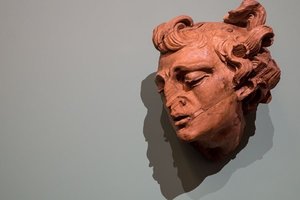
johann georg pinsel
1715 - 1761 , Galicia
Основные сведения
- Artistic Movement Or Style: Baroque-Rococo
- Date Of Birth: 1715
- Date Of Death: 1761
- Full Name: Johann Georg Pinsel
- Nationality: German
- Notable Artworks:
- Samson Tearing the Lion
- Putto
- St Elizabeth, head
- Place Of Birth: Buzău, Galicia
Похожие статьи

The Enduring Form: Exploring Themes & Techniques in Sculpture Across Historical Periods
Explore the rich history of sculpture from ancient masterpieces to contemporary innovations. Discover key techniques, influential artists & investment potential for discerning art collectors.

10 легендарных бронзовых шедевров, изменивших искусство | ArtsDot
Погрузитесь в мир великих бронзовых шедевров! От Давида Донателло до Мыслителя Родена – узнайте историю создания, технику и значение легендарных скульптур. Вдохновение для интерьера и музейное качество репродукций на ArtsDot.com.

10 легендарных бронзовых скульптур, изменивших искусство навсегда | ArtsDot
Погрузитесь в мир великих бронзовых скульптур! От Давида Микеланджело до работ Родена – история искусства, техники и вдохновения. Купите репродукции шедевров для вашего интерьера на ArtsDot.com
Жорж Сёра: 25 шедевров великого мастера пуантилизма | ArtsDot
Откройте для себя 25 шедевров Жоржа Сёра – пионера пуантилизма! Узнайте историю создания культовых картин, технику письма и влияние импрессионизма. Репродукции высокого качества на ArtsDot.com. Искусство для вашего интерьера.
Жорж Брак: 25 шедевров кубизма для ценителей искусства и интерьера
Откройте для себя 25 шедевров Жоржа Брака – пионера кубизма! Узнайте историю создания культовых картин, технику и влияние французского художника на искусство XX века. Репродукции высокого качества для вашего интерьера на ArtsDot.com.