

 Предпросмотр
 Поделиться
 Поделиться
 Детали произведения

 Скачать
 Похожие работы
 Рентгенография
 Слайд-шоу
 Статистика
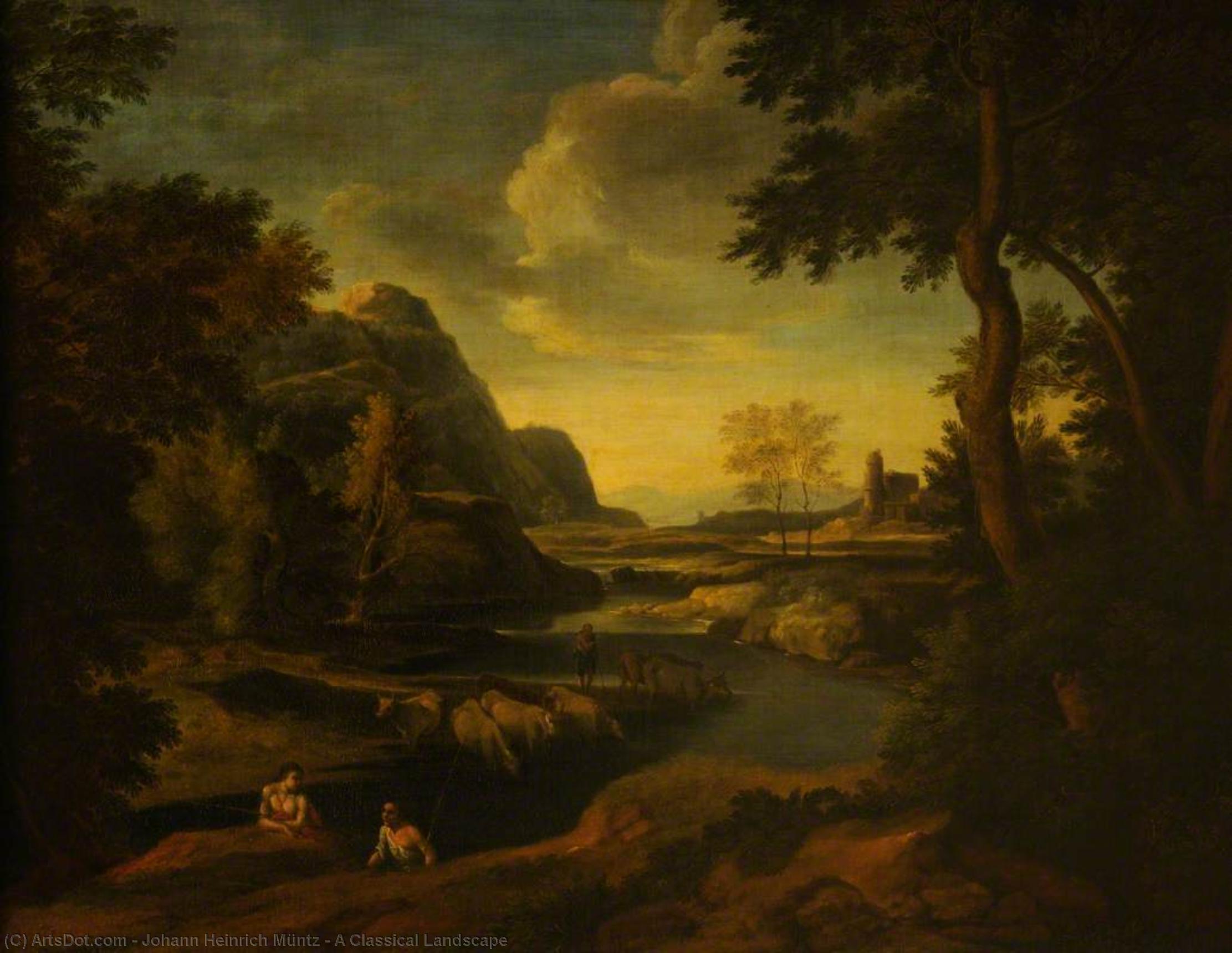
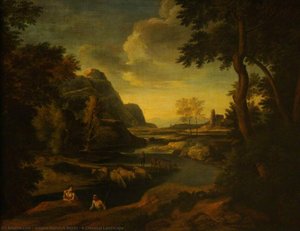
A Classical Landscape
 Baroque
 1755
1755 71.0 x 97.0 cm
 National Trust
 Читать далее
Приобретите цифровое изображение высокого разрешения в улучшенном качестве, которое значительно превосходит онлайн-превью.
Каждый файл тщательно подготавливается нашими специалистами с использованием передовых инструментов и экспертной ручной ретуши. Мы гарантируем исключительную четкость, точную цветопередачу и детальную проработку каждого изображения.
Финальный файл доставляется по электронной почте в течение 72 часов и оптимизирован для немедленного использования в профессиональной среде, при верстке и печати. Это тот же уровень качества, которому доверяют ведущие дизайнерские студии, издательства и галереи.
Цифровое изображение
Скачайте файл высокого разрешения для личного использования, печати и творческих проектов. ( Перейти к печати Купить картину ручной работы)
Включено в каждый заказ цифровых изображений
Гарантия экспертной цифровой доставки
Выбирая ArtsDot.com, вы получаете не просто изображение — вы приобретаете профессионально обработанное цифровое произведение искусства, созданное с безупречной точностью и под защитой гарантии качества. Вот всё, что автоматически входит в ваш заказ:

Мгновенная доставка по e-mail
Ваш цифровой файл в высоком разрешении будет отправлен вам по электронной почте в течение 72 часов после оформления заказа — и сразу станет доступен для использования.

Цифровой файл с ИИ-улучшением
Ваше произведение искусства проходит профессиональную оптимизацию с использованием передовых инструментов ИИ и ручной обработки, что гарантирует максимальную детализацию, четкость и точность цветопередачи.

Бессрочная бесплатная повторная доставка
Случайно удалили или потеряли файл? Не беспокойтесь — мы отправим его вам повторно в любое время и совершенно бесплатно.

Без импортных пошлин — навсегда
Наслаждайтесь вашим произведением искусства мгновенно без таможенных пошлин, сборов или затрат на доставку — цифровые загрузки всегда не облагаются налогом.

Гарантия точности цветопередачи
Мы гарантируем, что ваше цифровое изображение максимально точно передает оригинальные цвета благодаря использованию профессиональных инструментов и систем управления цветом.

Гарантия удовлетворенности 100 дней
Если вы не будете удовлетворены своим цифровым изображением, мы внесем правки или вернем 100% стоимости в течение 100 дней — без лишних вопросов.

100% Гарантия возврата средств
Не удовлетворены покупкой? Получите полный возврат средств в течение 100 дней после получения цифрового файла — без лишних вопросов.

Скидки на оптовые заказы
Купите 3 изображения, сэкономьте 10% — Купите 5, сэкономьте 15% — Купите 10+, сэкономьте 20%. Отличное решение для творческих проектов, галерей и агентств.
Похожие произведения




Биография художника
Early Life and Formation
Johann Heinrich Müntz, a name often Anglicized as John Henry Muntz during his productive years in England, was born in 1727 in Mulhouse, a city geographically nestled within Alsace but politically part of the Old Swiss Confederacy. This unique position—a crossroads of cultures and allegiances—perhaps foreshadowed Müntz’s own trajectory as an artist who would bridge stylistic divides and introduce novel aesthetic concepts. His early life was marked by both artistic inclination and military service; he embarked on travels, eventually joining the French army where he rose to the rank of captain in a Swiss regiment. A period spent in Spain proved formative, not for battles won but for sketches made—detailed studies of Gothic architecture that would later become central to his pioneering work.
Following the conclusion of the War of the Austrian Succession in 1748 and the disbandment of his regiment, Müntz sought entry into the Tribu des Maréchaux, a respected artisan group in Mulhouse. Accepted as a painter, he then journeyed to Rome in 1751, dedicating two years to meticulously copying antique vases—a rigorous training that honed his observational skills and instilled a deep appreciation for classical forms. This foundation would prove crucial as he navigated the complexities of Rococo design and ultimately sought to infuse it with elements of Gothic grandeur.
Arrival in England and Collaboration with Horace Walpole
The turning point in Müntz’s career came in 1754 when, while on the island of Jersey, he encountered Richard Bentley. This connection proved pivotal; Bentley championed Müntz's talents and introduced him to the influential Horace Walpole, a man whose vision would shape much of English taste during the mid-18th century. For four years, Müntz was employed at Strawberry Hill House, Walpole’s iconic Gothic Revival estate. He served not only as a painter and engraver but also as a key contributor to the overall aesthetic direction of the house—a project that aimed to create a whimsical, romanticized vision of medieval architecture.
Walpole recognized Müntz's skill and recommended him to other discerning patrons, including John Chute and George Montagu. He undertook commissions at The Vyne, Chute’s residence near Basingstoke, where several of his paintings remain today. A charming anecdote from this period involves the poet Thomas Gray, who found himself unexpectedly tasked with nursing Chute through a severe bout of gout while Müntz continued his work on the estate. However, the relationship between Walpole and Müntz eventually soured. Accounts vary—some suggest a dispute over Müntz’s affections for one of Walpole's servants, others claim a simple disagreement stemming from accusations of dishonesty. Regardless of the precise cause, the falling out marked a significant shift in Müntz’s career.
A Pioneer of Gothic Revival and Architectural Innovation
Following his departure from Strawberry Hill House in 1759, Müntz established himself in London and secured work at Kew Gardens. It was here that he truly began to leave his mark as an innovator. Around 1759, he designed the “Gothic Cathedral,” a whimsical folly constructed of wood and plaster—a testament to his ability to translate architectural concepts into imaginative structures. Though ultimately difficult to maintain and demolished in 1807, it represented a bold experiment in bringing Gothic forms to life.
Müntz’s contributions extended beyond purely decorative elements; he collaborated with William Chambers on the design of Kew's “Alhambra” (1758), demonstrating his versatility and willingness to engage with diverse architectural styles. In 1761-62, he designed an octagonal “Gothic Room” for Richard Bateman’s house at Old Windsor, a project that blended Gothic motifs with Chinese influences—reflecting the eclectic tastes of the period. His commission from James Caulfeild, 4th Viscount Charlemont, to create designs for his estate at Marino in Dublin further showcased his talent, though these plans may not have been fully realized.
Legacy and Historical Significance
While Müntz’s later life saw him travel to Holland, painting landscapes of Greece and Jerusalem and working as a porcelain painter and metallurgist, his most enduring legacy lies in his contributions to the Gothic Revival movement. He was not merely replicating Gothic forms; he was actively adapting them, integrating them into contemporary designs, and challenging prevailing aesthetic norms.
- Bridging Styles: Müntz skillfully blended Rococo elegance with the dramatic verticality and intricate detailing of Gothic architecture.
- Influence on English Taste: His work at Strawberry Hill House, The Vyne, and Kew Gardens helped popularize Gothic motifs and inspire a new generation of architects and designers.
- Pioneering Spirit: He was among the first to explore the potential of Gothic forms in a playful, imaginative way, paving the way for later developments in the movement.
- Architectural Innovation: His designs for follies and rooms demonstrated his ability to translate architectural concepts into tangible structures.
Johann Heinrich Müntz’s career was one of constant exploration and adaptation. He remains a fascinating figure—an artist who, through his skill, vision, and willingness to embrace new ideas, left an indelible mark on the landscape of 18th-century art and architecture.
johann heinrich müntz
1727 - 1798