

 Предпросмотр
 Поделиться
 Поделиться
 Детали произведения

 Скачать
 Похожие работы
 Рентгенография
 Слайд-шоу
 Статистика
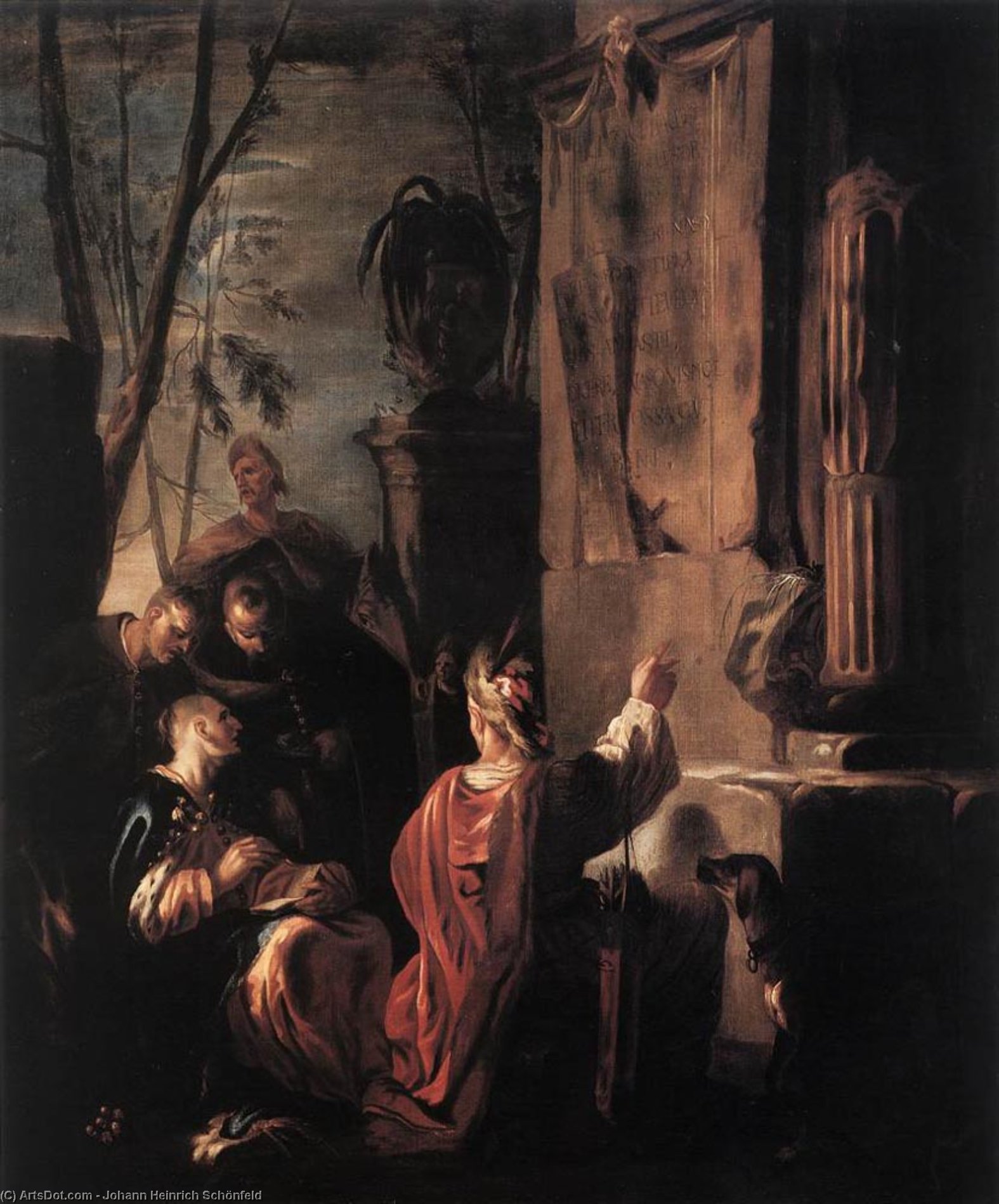
Scythians at the Tomb of Ovid
 Oil On Canvas
- WallArt
- Baroque
 1640
1640- Early Modern
 110.0 x 93.0 cm
 Музей изящных искусств Будапешта
 Читать далее
Приобретите цифровое изображение высокого разрешения в улучшенном качестве, которое значительно превосходит онлайн-превью.
Каждый файл тщательно подготавливается нашими специалистами с использованием передовых инструментов и экспертной ручной ретуши. Мы гарантируем исключительную четкость, точную цветопередачу и детальную проработку каждого изображения.
Финальный файл доставляется по электронной почте в течение 72 часов и оптимизирован для немедленного использования в профессиональной среде, при верстке и печати. Это тот же уровень качества, которому доверяют ведущие дизайнерские студии, издательства и галереи.
Цифровое изображение
Скачайте файл высокого разрешения для личного использования, печати и творческих проектов. ( Перейти к печати Купить картину ручной работы)
Включено в каждый заказ цифровых изображений
Гарантия экспертной цифровой доставки
Выбирая ArtsDot.com, вы получаете не просто изображение — вы приобретаете профессионально обработанное цифровое произведение искусства, созданное с безупречной точностью и под защитой гарантии качества. Вот всё, что автоматически входит в ваш заказ:

Мгновенная доставка по e-mail
Ваш цифровой файл в высоком разрешении будет отправлен вам по электронной почте в течение 72 часов после оформления заказа — и сразу станет доступен для использования.

Цифровой файл с ИИ-улучшением
Ваше произведение искусства проходит профессиональную оптимизацию с использованием передовых инструментов ИИ и ручной обработки, что гарантирует максимальную детализацию, четкость и точность цветопередачи.

Бессрочная бесплатная повторная доставка
Случайно удалили или потеряли файл? Не беспокойтесь — мы отправим его вам повторно в любое время и совершенно бесплатно.

Без импортных пошлин — навсегда
Наслаждайтесь вашим произведением искусства мгновенно без таможенных пошлин, сборов или затрат на доставку — цифровые загрузки всегда не облагаются налогом.

Гарантия точности цветопередачи
Мы гарантируем, что ваше цифровое изображение максимально точно передает оригинальные цвета благодаря использованию профессиональных инструментов и систем управления цветом.

Гарантия удовлетворенности 100 дней
Если вы не будете удовлетворены своим цифровым изображением, мы внесем правки или вернем 100% стоимости в течение 100 дней — без лишних вопросов.

100% Гарантия возврата средств
Не удовлетворены покупкой? Получите полный возврат средств в течение 100 дней после получения цифрового файла — без лишних вопросов.

Скидки на оптовые заказы
Купите 3 изображения, сэкономьте 10% — Купите 5, сэкономьте 15% — Купите 10+, сэкономьте 20%. Отличное решение для творческих проектов, галерей и агентств.
A Glimpse into Baroque Mystery: Scythians at the Tomb of Ovid
To stand before this depiction of Scythians at the Tomb of Ovid is to be transported across centuries and continents, deep into the rich tapestry of the German Baroque. Johann Heinrich Schönfeld masterfully captures a moment suspended between myth and history. The scene unfolds with an air of profound solemnity, yet it is animated by the subtle interactions among its figures. One senses not merely a gathering in an old structure—perhaps echoing the grandeur of a sacred space suggested by the nearby statue—but a confluence of cultures meeting at a threshold of forgotten lore. The composition draws the eye through the assembled group, from those standing attentively in the foreground to the more subdued figures further back, all united by their shared focus.
Technique and Atmosphere: Schönfeld's Brushwork
Schönfeld’s command over paint is evident in every stroke. While the original work exists in a dramatic black and white rendering—a testament perhaps to its age or the specific medium of study—the implied technique speaks to the rich, narrative depth characteristic of the period. The handling of light and shadow, even in monochrome interpretation, suggests an expert understanding of chiaroscuro, allowing certain elements, like the prominent vase on the left, to emerge from the surrounding mystery. Observe the dog positioned toward the right; it injects a vital spark into what might otherwise be a purely academic tableau. This animal presence grounds the lofty subject matter with a touch of immediate, living reality.
Historical Echoes and Symbolism
The inclusion of Ovid—the poet whose tales often blended divine intervention with human folly—immediately situates the work within classical literary tradition. The Scythians themselves represent an exoticized encounter, bridging the known world with mythic wanderings. Artistically, this piece speaks to the Baroque fascination with antiquity and the blending of pagan narrative with Christian contemplation. It is a visual dialogue between cultures, where scholarly curiosity meets the enduring power of storytelling. The very act of gathering at a tomb suggests themes of remembrance, the passage of time, and the weight of inherited knowledge.
Bringing the Drama Home: Decorating with Baroque Grandeur
For the discerning collector or designer, this reproduction offers more than just an image; it offers an atmosphere. The dramatic tension inherent in Schönfeld’s composition—the hushed conversation, the watchful gazes, the weight of history surrounding them—lends itself beautifully to richly appointed interiors. Imagine this piece anchoring a study, a library, or a formal drawing-room where intellectual pursuits and aesthetic appreciation are paramount. It serves as a sophisticated focal point, inviting guests to pause, contemplate, and engage with the narrative depth that has captivated art lovers for generations.
Похожие произведения




Биография художника
The Flourishing Brushstrokes of Johann Heinrich Schönfeld
To gaze upon the works of Johann Heinrich Schönfeld is to step directly into the vibrant, dramatic heart of the German Baroque period. Born in Biberach (Riss), Germany, in 1609, this painter emerged during an era when art was deeply intertwined with religious fervor and burgeoning classical revivalism. His career spanned a time of immense cultural transformation, allowing him to absorb influences from across the continent while forging a distinctly German voice within the grand tradition of European painting.
Schönfeld’s artistic journey suggests a profound dedication to mastering both narrative grandeur and delicate execution. While his life saw him active through the mid-17th century, it is his surviving body of work that continues to whisper tales of mythological encounters and solemn religious devotion. He was not merely a chronicler of scenes; he seemed intent on capturing the very moment of divine or human epiphany.
Mastering Baroque Drama and Classical Form
The hallmark of Schönfeld’s style lies in its masterful blend of dramatic tension characteristic of the High Baroque, tempered by an adherence to classical compositional structures. His compositions rarely feel static; instead, they pulse with implied movement. Whether depicting a celestial event or a pastoral gathering, one senses the energy coiled just beneath the surface.
His affinity for Italianate landscapes is particularly noteworthy. These backgrounds are never mere backdrops; they are active participants in the drama unfolding before them. Lush, dramatic skies often mirror the emotional turmoil or sublime peace of the figures below. This integration of setting and subject matter elevates his pieces beyond simple portraiture or narrative illustration.
Furthermore, his handling of light is breathtaking. He employed a technique that seems to illuminate key moments—a divine ray piercing through storm clouds, or a single shaft of sunlight catching the folds of drapery—drawing the viewer's eye inexorably toward the central theological or mythological point of focus.
Themes of Piety and Mythology
The thematic scope of Schönfeld’s oeuvre reveals a painter deeply engaged with the grand narratives that shaped European thought. Religious paintings form a significant pillar of his output, reflecting the enduring power of faith during his time. These works invite contemplation on sacrifice, martyrdom, and divine grace.
Equally compelling are his mythological scenes. Here, the classical gods and heroes engage in dramas that echo human passions—love, betrayal, triumph, and fate. He possessed a remarkable ability to imbue these pagan subjects with a sense of profound spiritual weight, making them resonate with contemporary Christian sensibilities.
Allegory painting was a favored vehicle for his deeper commentary. Through the careful arrangement of figures and symbols—a wilting flower representing transience, or an outstretched hand symbolizing divine intervention—he wove complex philosophical arguments into visually accessible narratives for his patrons.
Historical Resonance and Legacy
Johann Heinrich Schönfeld stands as a vital figure in understanding the transition between Mannerist echoes and the full bloom of Baroque naturalism in German art. His commitment to narrative clarity, combined with an undeniable flair for the dramatic, secured his place among painters who helped define the visual language of the 17th century.
While the sheer volume of his work speaks to a prolific career, it is the consistent quality—the ability to balance technical virtuosity with emotional depth—that endures. His legacy invites us not just to admire skill, but to participate in the contemplation of belief, beauty, and the sublime power inherent in both nature and the divine.
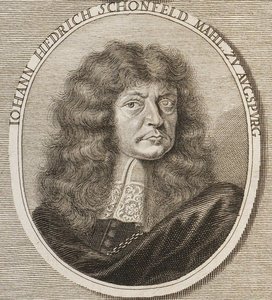
johann heinrich schönfeld
1609 - 1684