

 Предпросмотр
 Поделиться
 Поделиться
 Детали произведения

 Скачать
 Похожие работы
 Рентгенография
 Слайд-шоу
 Статистика
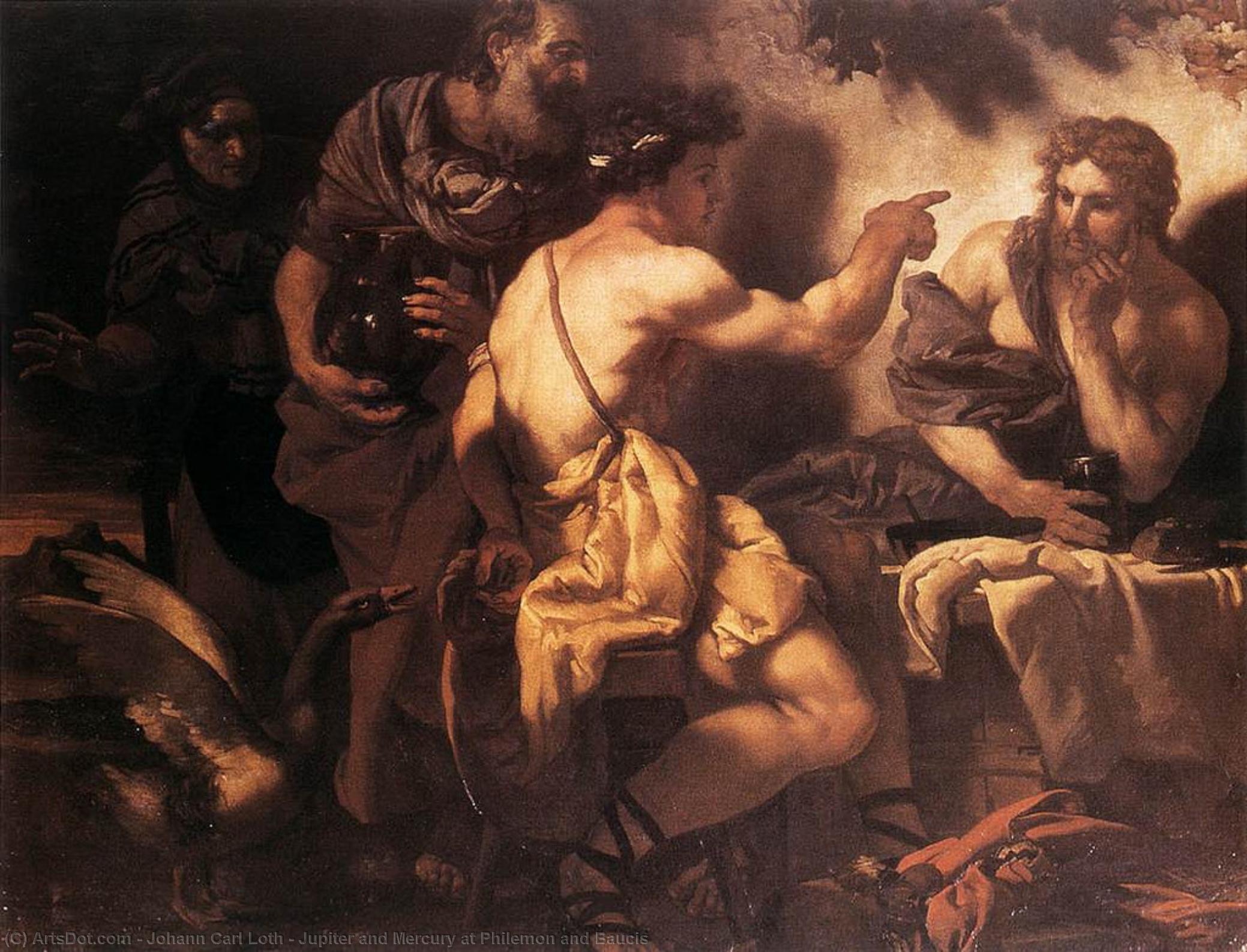
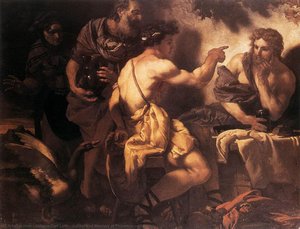
Jupiter and Mercury at Philemon and Baucis
 Oil On Canvas
- WallArt
- Baroque
 178.0 x 252.0 cm
 Музей истории искусств (Вена)
 Читать далее
Приобретите цифровое изображение высокого разрешения в улучшенном качестве, которое значительно превосходит онлайн-превью.
Каждый файл тщательно подготавливается нашими специалистами с использованием передовых инструментов и экспертной ручной ретуши. Мы гарантируем исключительную четкость, точную цветопередачу и детальную проработку каждого изображения.
Финальный файл доставляется по электронной почте в течение 72 часов и оптимизирован для немедленного использования в профессиональной среде, при верстке и печати. Это тот же уровень качества, которому доверяют ведущие дизайнерские студии, издательства и галереи.
Цифровое изображение
Скачайте файл высокого разрешения для личного использования, печати и творческих проектов. ( Перейти к печати Купить картину ручной работы)
Включено в каждый заказ цифровых изображений
Гарантия экспертной цифровой доставки
Выбирая ArtsDot.com, вы получаете не просто изображение — вы приобретаете профессионально обработанное цифровое произведение искусства, созданное с безупречной точностью и под защитой гарантии качества. Вот всё, что автоматически входит в ваш заказ:

Мгновенная доставка по e-mail
Ваш цифровой файл в высоком разрешении будет отправлен вам по электронной почте в течение 72 часов после оформления заказа — и сразу станет доступен для использования.

Цифровой файл с ИИ-улучшением
Ваше произведение искусства проходит профессиональную оптимизацию с использованием передовых инструментов ИИ и ручной обработки, что гарантирует максимальную детализацию, четкость и точность цветопередачи.

Бессрочная бесплатная повторная доставка
Случайно удалили или потеряли файл? Не беспокойтесь — мы отправим его вам повторно в любое время и совершенно бесплатно.

Без импортных пошлин — навсегда
Наслаждайтесь вашим произведением искусства мгновенно без таможенных пошлин, сборов или затрат на доставку — цифровые загрузки всегда не облагаются налогом.

Гарантия точности цветопередачи
Мы гарантируем, что ваше цифровое изображение максимально точно передает оригинальные цвета благодаря использованию профессиональных инструментов и систем управления цветом.

Гарантия удовлетворенности 100 дней
Если вы не будете удовлетворены своим цифровым изображением, мы внесем правки или вернем 100% стоимости в течение 100 дней — без лишних вопросов.

100% Гарантия возврата средств
Не удовлетворены покупкой? Получите полный возврат средств в течение 100 дней после получения цифрового файла — без лишних вопросов.

Скидки на оптовые заказы
Купите 3 изображения, сэкономьте 10% — Купите 5, сэкономьте 15% — Купите 10+, сэкономьте 20%. Отличное решение для творческих проектов, галерей и агентств.
Background and Inspiration
Johann Karl Loth was a German painter who spent most of his career in Venice, Italy. He was influenced by the Venetian school of painting and developed a distinctive style characterized by vibrant colors and loose brushwork. The painting Jupiter and Mercury at Philemon and Baucis is based on a story from Ovid's Metamorphoses, in which the gods Jupiter and Mercury disguise themselves as travelers and seek shelter at the humble home of Philemon and Baucis.Description and Analysis
The painting depicts the moment when the gods reveal themselves to their hosts. The composition is divided into two halves: the humble interior of the cottage on the left, and the lush landscape outside on the right. Loth's use of light and color creates a sense of drama and mystery, as the divine light emanating from the gods illuminates the scene. The painting is a masterpiece of Baroque art, with its dramatic lighting and intense emotions.Reproduction and Availability
If you are interested in owning a reproduction of Jupiter and Mercury at Philemon and Baucis, ArtsDot.com offers high-quality handmade oil paintings that capture the beauty and detail of the original. Our skilled artists use traditional techniques to create accurate and vibrant reproductions that are perfect for adding a touch of classic art to your home or office. You can browse our collection of Johann Karl Loth paintings and order your reproduction today.- Visit Johann Karl Loth's page on ArtsDot.com to learn more about the artist and his works.
- Read about Johann Karl Loth on Wikipedia to gain a deeper understanding of his life and art.
The painting Jupiter and Mercury at Philemon and Baucis is a testament to the skill and creativity of Johann Karl Loth, and its reproduction is a great way to appreciate and own a piece of art history.
Похожие произведения


Биография художника
The Venetian Master of Drama: The Life and Legacy of Johann Karl Loth
In the sun-drenched, theatrical atmosphere of seventeenth-century Venice, few artists captured the profound tension between the divine and the earthly as masterfully as Johann Karl Loth. Born around 1632 in Munich, within the Electorate of Bavaria, Loth was a painter whose identity bridged the robust traditions of German artistry with the luminous, emotive splendor of the Italian Baroque. Though his name might not resonate with the immediate household recognition of a Titian, his presence in the Venetian landscape was monumental. He was famously celebrated by the biographer Arnold Houbraken as one of the three grand masters of art bearing the name "Karel"—a prestigious distinction that placed him alongside luminaries such as Karel Duijardin and Carlo Maratta, signaling his arrival among the elite of European painting.
Loth’s artistic journey began under the watchful eye of his father, Johann Ulrich Loth, a painter who provided the foundational technical rigor that would later allow the son to experiment with such grand scale. This early training in Munich instilled a disciplined approach to composition, yet it was his move to Venice that truly ignited his creative spirit. In the vibrant Venetian milieu, Loth absorbed the influence of Giovan Battista Langetti, adopting a style defined by chiaroscuro—the dramatic interplay of light and shadow—and a penchant for tenebrism. This technique allowed him to sculpt figures out of darkness, imbuing his canvases with a sense of weight, mystery, and spiritual urgency that became his unmistakable signature.
A Tapestry of Myth and Scripture
The true brilliance of Loth’s oeuvre lies in his ability to transform the canvas into a stage for the most epic narratives of human history. He specialized in large-scale history paintings, often characterized by densely populated, crowded group scenes that demanded immense compositional skill. His subjects were drawn from the wellspring of classical mythology and the profound depths of the Old Testament, treated not merely as illustrations but as living, breathing dramas. Whether depicting the celestial intervention of gods or the harrowing trials of biblical patriarchs, Loth utilized a palette of vibrant colors and loose, expressive brushwork to evoke intense emotion.
One can see this mastery in works such as Jupiter and Mercury at Philemon and Baucis, where the divine presence is felt through a sudden, illuminating light that pierces the humble surroundings of a mortal cottage. Similarly, his religious compositions, such as Holy Family and God the Father, showcase a profound command over atmospheric depth and sacred intimacy. His ability to weave complex human emotions—devotion, fear, awe, and familial love—into these grand narratives ensured that his work resonated far beyond the borders of Italy, attracting the attention of prestigious patrons including Emperor Leopold I of the Habsburg court in Vienna.
Influence, Collaboration, and Enduring Significance
Loth’s career was not a solitary endeavor but one marked by significant artistic synergy. In Venice, he engaged in fruitful collaborations with fellow masters like Pietro Liberi, working together to fulfill ambitious commissions that elevated the standards of historical storytelling. His studio became a beacon for aspiring talents; he mentored a generation of painters, including Michael Wenzel Halbax and Johann Michael Rottmayr, ensuring that his stylistic hallmarks—the dramatic lighting and theatrical compositions—would ripple through the subsequent decades of Baroque art. Even beyond the realm of painting, Loth’s reputation drew well-to-do travelers and artists, such as Cornelis de Bruijn, to his doorstep, making his studio a vital node in the European artistic network.
As he approached the end of his life, residing in Venice until his death in 1698, Loth had secured a legacy that transcended his German origins. He was a painter who could command both the intimate shadows of a single figure and the chaotic energy of a multitude. Today, his works reside in some of the world's most esteemed institutions, from the Kunsthistorisches Museum in Vienna to the Hermitage Museum in St. Petersburg. Through his ability to marry the structural discipline of his youth with the emotive fluidity of the Venetian school, Johann Karl Loth remains a definitive voice of the Baroque era, reminding us of a time when art was a grand, theatrical pursuit of the sublime.
johann karl loth
1632 - 1698
Основные сведения
- Artistic Movement Or Style: Baroque
- Artists Or Movements Influenced By This Artist: ['Classical Mythology Art']
- Artists Who Influenced This Artist:
- Giovanni Battista Langetti
- Franz Loth
- Date Of Death: 1698
- Full Name: Johann Karl Loth
- Nationality: German
- Notable Artworks:
- Jupiter and Mercury at Philemon and Baucis
- Karl mercury piping to argus
- Holy Family and God the Father
- Place Of Birth: Munich