

 Предпросмотр
 Поделиться
 Поделиться
 Детали произведения

 Скачать
 Похожие работы
 Рентгенография
 Слайд-шоу
 Статистика
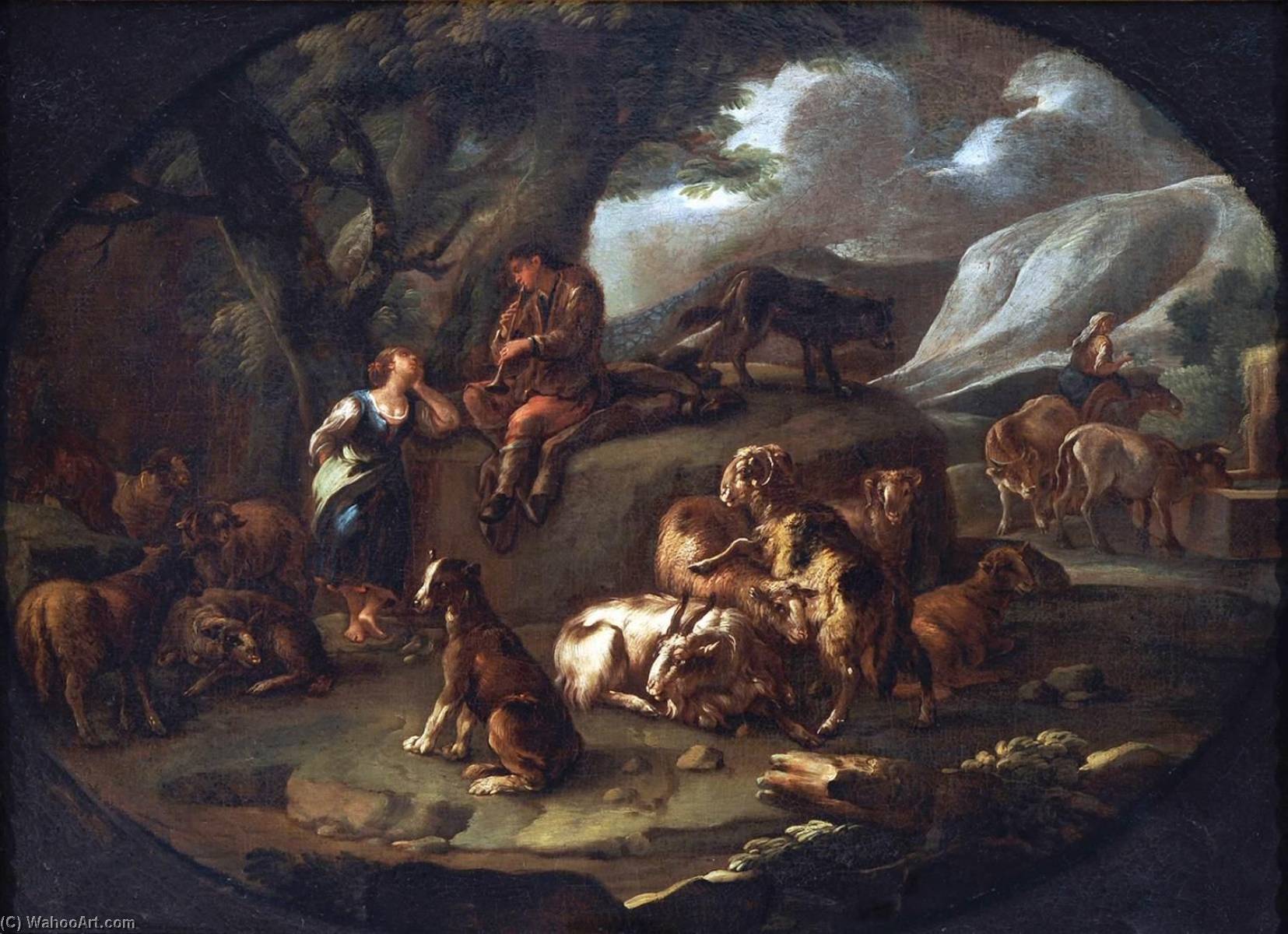
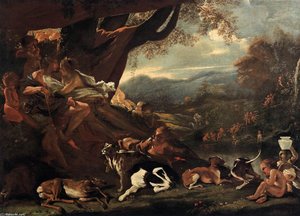
Pastoral Landscape
 1684
1684 76.0 x 99.0 cm
 Читать далее
Приобретите цифровое изображение высокого разрешения в улучшенном качестве, которое значительно превосходит онлайн-превью.
Каждый файл тщательно подготавливается нашими специалистами с использованием передовых инструментов и экспертной ручной ретуши. Мы гарантируем исключительную четкость, точную цветопередачу и детальную проработку каждого изображения.
Финальный файл доставляется по электронной почте в течение 72 часов и оптимизирован для немедленного использования в профессиональной среде, при верстке и печати. Это тот же уровень качества, которому доверяют ведущие дизайнерские студии, издательства и галереи.
Цифровое изображение
Скачайте файл высокого разрешения для личного использования, печати и творческих проектов. ( Перейти к печати Купить картину ручной работы)
Включено в каждый заказ цифровых изображений
Гарантия экспертной цифровой доставки
Выбирая ArtsDot.com, вы получаете не просто изображение — вы приобретаете профессионально обработанное цифровое произведение искусства, созданное с безупречной точностью и под защитой гарантии качества. Вот всё, что автоматически входит в ваш заказ:

Мгновенная доставка по e-mail
Ваш цифровой файл в высоком разрешении будет отправлен вам по электронной почте в течение 72 часов после оформления заказа — и сразу станет доступен для использования.

Цифровой файл с ИИ-улучшением
Ваше произведение искусства проходит профессиональную оптимизацию с использованием передовых инструментов ИИ и ручной обработки, что гарантирует максимальную детализацию, четкость и точность цветопередачи.

Бессрочная бесплатная повторная доставка
Случайно удалили или потеряли файл? Не беспокойтесь — мы отправим его вам повторно в любое время и совершенно бесплатно.

Без импортных пошлин — навсегда
Наслаждайтесь вашим произведением искусства мгновенно без таможенных пошлин, сборов или затрат на доставку — цифровые загрузки всегда не облагаются налогом.

Гарантия точности цветопередачи
Мы гарантируем, что ваше цифровое изображение максимально точно передает оригинальные цвета благодаря использованию профессиональных инструментов и систем управления цветом.

Гарантия удовлетворенности 100 дней
Если вы не будете удовлетворены своим цифровым изображением, мы внесем правки или вернем 100% стоимости в течение 100 дней — без лишних вопросов.

100% Гарантия возврата средств
Не удовлетворены покупкой? Получите полный возврат средств в течение 100 дней после получения цифрового файла — без лишних вопросов.

Скидки на оптовые заказы
Купите 3 изображения, сэкономьте 10% — Купите 5, сэкономьте 15% — Купите 10+, сэкономьте 20%. Отличное решение для творческих проектов, галерей и агентств.
Похожие произведения






Биография художника
The Pastoral Vision of Johann Melchior Roos
In the grand tapestry of the Baroque era, few artists captured the quiet, breathing essence of the natural world as tenderly as Johann Melchior Roos. Born on December 27, 1663, in the historic German city of Heidelberg, Roos was destined for a life steeped in the traditions of landscape and animal painting. He was the son of the esteemed Johann Heinrich Roos, a master whose pastoral idylls had already begun to introduce a new level of atmospheric depth to German art. Growing up under his father's tutelage, the young Roos did not merely learn technique; he inherited a way of seeing—a way that prioritized the subtle interplay of light upon fur, leaf, and earth.
His early development was marked by a restless, wandering spirit that would eventually define his artistic identity. After honing his skills in Düsseldorf under the guidance of Anton Philipsz Amman, Roos’s journey led him through the prestigious drawing academies of the Hague, specifically the Confrerie Pictura. However, it was his movement toward the warmth of the south that truly transformed his palette. By traveling to Rome and later settling in Florence around 1690, he immersed himself in the luminous, sun-drenched landscapes of Italy. This period of engagement with Tuscan culture allowed him to fuse the meticulous, disciplined training of the North with the classical idealism and radiant light of the Italian Baroque.
A Mastery of Light and Animalia
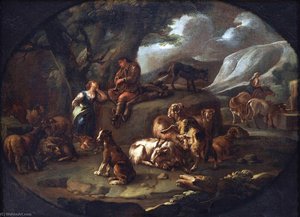
Roos’s work is celebrated for its profound ability to elevate the mundane to the magnificent. While many of his contemporaries sought fame through grand historical narratives or complex mythological allegories, Roos found his muse in the serene, unhurried rhythms of rural life. He became a master of the Italianate landscape, creating scenes where the rolling hills of Tuscany and the rugged beauty of places like Tivoli served as stages for quiet drama. His compositions often feature animals—goats, sheep, and cattle—rendered with such anatomical precision and textural richness that they seem to pulse with life within the frame.
The technique employed by Roos was a sophisticated marriage of disegno and atmospheric observation. He possessed an extraordinary ability to manipulate tonal gradations, using subtle brushstrokes to convey the weight of a shadow or the shimmering heat of a summer afternoon. His palette, often dominated by muted greens, earthy browns, and soft blues, reflected a deep respect for naturalism. In masterpieces such as his depictions of Mount Tivoli, one can witness a breathtaking fusion of classical balance and Baroque realism, where every element—from the delicate foliage to the graceful posture of a shepherd—contributes to an overarching sense of tranquility and understated elegance.
Legacy and Historical Significance
The historical significance of Johann Melchior Roos lies in his role as a bridge between the Northern European tradition and the Mediterranean aesthetic. He did not merely copy the Italian masters; he translated their light through a Germanic lens of precision and detail. His ability to capture the pastoral idyll—a world of peace, abundance, and quiet contemplation—offered a soothing counterpoint to the more turbulent and dramatic themes prevalent in much of 17th-century art.
Throughout his life, which concluded in Braunschweig in 1731, Roos remained a singular figure. His influence can be traced through the enduring popularity of the animal portrait and the landscape genre, genres that continue to resonate with viewers seeking beauty in the natural order. To look upon a work by Roos is to step into an Arcadian dream, where time slows down, and the simple presence of a shepherd or a grazing herd becomes a profound meditation on the harmony of existence.
johann melchior roos
1631 - 1631
Основные сведения
- Artistic Movement Or Style: Baroque Painter
- Artists Or Movements Influenced By This Artist: ['Dutch Golden Age']
- Artists Who Influenced This Artist: ['Peter Paul Rubens']
- Date Of Birth: December 27, 1663
- Full Name: Johann Melchior Roos
- Nationality: German
- Notable Artworks: ['Rosa di Tivoli']
- Place Of Birth: Heidelberg