

 Предпросмотр
 Поделиться
 Поделиться
 Детали произведения

 Скачать
 Похожие работы
 Рентгенография
 Слайд-шоу
 Статистика
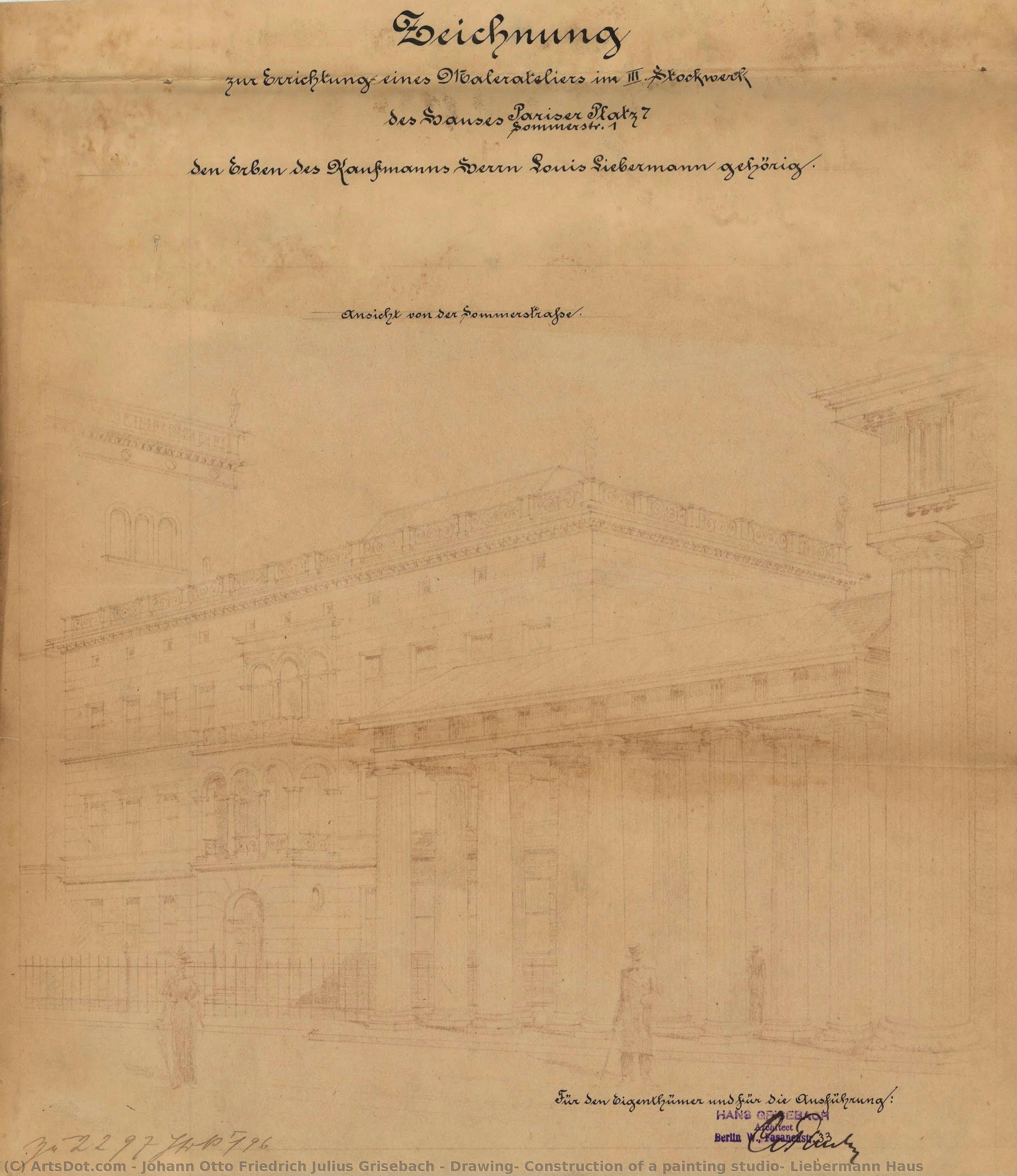
Drawing: Construction of a painting studio, Liebermann Haus


 Читать далее
Приобретите цифровое изображение высокого разрешения в улучшенном качестве, которое значительно превосходит онлайн-превью.
Каждый файл тщательно подготавливается нашими специалистами с использованием передовых инструментов и экспертной ручной ретуши. Мы гарантируем исключительную четкость, точную цветопередачу и детальную проработку каждого изображения.
Финальный файл доставляется по электронной почте в течение 72 часов и оптимизирован для немедленного использования в профессиональной среде, при верстке и печати. Это тот же уровень качества, которому доверяют ведущие дизайнерские студии, издательства и галереи.
Цифровое изображение
Скачайте файл высокого разрешения для личного использования, печати и творческих проектов. ( Перейти к печати Купить картину ручной работы)
Включено в каждый заказ цифровых изображений
Гарантия экспертной цифровой доставки
Выбирая ArtsDot.com, вы получаете не просто изображение — вы приобретаете профессионально обработанное цифровое произведение искусства, созданное с безупречной точностью и под защитой гарантии качества. Вот всё, что автоматически входит в ваш заказ:

Мгновенная доставка по e-mail
Ваш цифровой файл в высоком разрешении будет отправлен вам по электронной почте в течение 72 часов после оформления заказа — и сразу станет доступен для использования.

Цифровой файл с ИИ-улучшением
Ваше произведение искусства проходит профессиональную оптимизацию с использованием передовых инструментов ИИ и ручной обработки, что гарантирует максимальную детализацию, четкость и точность цветопередачи.

Бессрочная бесплатная повторная доставка
Случайно удалили или потеряли файл? Не беспокойтесь — мы отправим его вам повторно в любое время и совершенно бесплатно.

Без импортных пошлин — навсегда
Наслаждайтесь вашим произведением искусства мгновенно без таможенных пошлин, сборов или затрат на доставку — цифровые загрузки всегда не облагаются налогом.

Гарантия точности цветопередачи
Мы гарантируем, что ваше цифровое изображение максимально точно передает оригинальные цвета благодаря использованию профессиональных инструментов и систем управления цветом.

Гарантия удовлетворенности 100 дней
Если вы не будете удовлетворены своим цифровым изображением, мы внесем правки или вернем 100% стоимости в течение 100 дней — без лишних вопросов.

100% Гарантия возврата средств
Не удовлетворены покупкой? Получите полный возврат средств в течение 100 дней после получения цифрового файла — без лишних вопросов.

Скидки на оптовые заказы
Купите 3 изображения, сэкономьте 10% — Купите 5, сэкономьте 15% — Купите 10+, сэкономьте 20%. Отличное решение для творческих проектов, галерей и агентств.
A Glimpse into Architectural Genesis
In this evocative drawing from 1898, titled Construction of a painting studio, Liebermann Haus, we are invited to witness a moment of profound transition. The work by the esteemed German architect Johann Otto Friedrich Julius Grisebach captures more than just the skeletal rise of a structure; it documents the very birth of a creative sanctuary. Through delicate lines and meticulous observation, Grisebach presents the exterior of a building in progress, where the scaffolding and raw surfaces speak to the labor and vision required to manifest art into reality. The presence of small, distant figures near the base of the construction adds a sense of human scale and purpose, reminding the viewer that every great monument begins with the humble movement of hands and the steady rhythm of industry.
The composition is masterfully balanced, drawing the eye across various levels of windows and structural elements that hint at the light-filled spaces to come. A subtle, almost poetic detail—a clock positioned toward the upper left—serves as a silent memento mori, marking the passage of time during this period of creation. This temporal element deepens the narrative, suggesting that while construction is a process of physical building, it is also a race against time to prepare a space worthy of the artistic masters who would eventually inhabit it.
The Architect's Vision and Technical Mastery
Grisebach, a figure deeply embedded in the cultural fabric of Berlin, utilizes a technique that bridges the gap between technical architectural drafting and fine art. The drawing possesses an atmospheric quality that transcends mere blueprinting; there is a softness to the rendering that allows the viewer to feel the texture of the materials and the ambient light of the late 19th century. His ability to blend the precision of Gothic Revival influences with a burgeoning sensitivity toward form creates a piece that is both structurally informative and emotionally resonant.
For the discerning collector or interior designer, this work offers a unique opportunity to introduce a sense of historical depth and intellectual curiosity into a space. The monochromatic elegance of the drawing makes it an incredibly versatile choice for sophisticated decor, pairing beautifully with minimalist modern settings or classic, ornate interiors. It serves as a conversation piece that celebrates the beauty of process, the importance of heritage, and the enduring allure of the architectural silhouette.
A Legacy of Creative Spaces
To possess a reproduction of this work is to hold a fragment of Berlin’s artistic soul. Grisebach’s career was defined by his ability to create environments that fostered creativity, and this drawing is a testament to that mission. It captures the anticipation of the "Liebermann Haus"—a name synonymous with the pinnacle of German Impressionism—and the excitement of preparing a stage for greatness. The emotional impact of the piece lies in its quiet dignity; it does not shout with color but whispers with the strength of structure and the promise of future inspiration.
Похожие произведения
Биография художника
Johann Otto Friedrich Julius Grisebach: Architect of Berlin’s Artistic Soul
Born in Göttingen, Germany, in 1848, Johann Otto Friedrich Julius Grisebach – often known as Hans Grisebach – was more than just an architect; he was a pivotal figure in shaping the cultural landscape of late 19th-century Berlin. His career spanned several decades, marked by a distinctive blend of historical revivalism and burgeoning Expressionist sensibilities, leaving behind a legacy of buildings that continue to resonate with their innovative design and connection to the city’s artistic community. Grisebach's work wasn't merely about constructing structures; it was about creating environments that fostered creativity and reflected the spirit of a rapidly changing era.
Grisebach’s early education laid the foundation for his unique approach. He began his studies at the Polytechnikum in Hanover under the guidance of Conrad Wilhelm Hase, a renowned architect-professor whose influence extended far beyond traditional academic principles. However, his path was interrupted by military service in 1870/71 and subsequently enriched by a transformative journey to Italy. This exposure to Romanesque and Renaissance architecture ignited within him a deep appreciation for historical styles, which he would later skillfully integrate into his own designs. The Italian experience instilled a desire to move beyond mere imitation, pushing him toward a more nuanced understanding of architectural form and its relationship to context.
His professional career commenced in Vienna, where he apprenticed under the Gothic Revival architect F. Schmid. This period proved invaluable, exposing him to established techniques and stylistic conventions. Following his time in Vienna, Grisebach spent three years in Wiesbaden, broadening his experience before embarking on a comprehensive study tour through France, Spain, Italy, and Malta. These travels weren’t simply vacations; they were deliberate investigations into architectural traditions, resulting in a remarkably eclectic portfolio of influences. Upon returning to Germany, he settled in Berlin in 1880, quickly establishing himself as a respected architect within the city's burgeoning artistic circles.
Collaboration and Innovation: The Dinklage Partnership
A defining chapter in Grisebach’s career unfolded between 1889 and 1901 through his collaboration with August Dinklage. This partnership proved extraordinarily productive, yielding a series of landmark buildings that showcased their combined creative vision. Their firm became particularly renowned for its innovative use of materials – incorporating elements like ironwork and glass in ways previously unseen – and for the sophisticated spatial relationships they established within their designs. The Liebermann Haus, completed in 1893, stands as perhaps their most celebrated achievement, a testament to their ability to seamlessly blend historical references with modern sensibilities. This building, now a museum dedicated to the work of painter Max Liebermann, exemplifies Grisebach’s commitment to creating spaces that were both aesthetically pleasing and functionally adaptable.
The architectural style of Grisebach is characterized by a captivating synthesis of historical and cultural influences. He skillfully blended Gothic Revival elements with hints of Expressionist aesthetics – a movement gaining momentum during his time. His buildings weren't simply reproductions of past styles; they were reinterpretations, imbued with a sense of dynamism and emotional resonance. The Pommersches Landesmuseum in Greifswald, featuring a remarkable collection of art including masterpieces by Caspar David Friedrich, provides a compelling parallel – demonstrating the broader cultural context within which Grisebach’s work flourished.
Notable Works and Architectural Legacy
Grisebach's architectural output extended beyond the Liebermann Haus, encompassing a diverse range of projects that significantly contributed to Berlin’s urban fabric. His designs for residential buildings, commercial spaces, and public structures reflected his meticulous attention to detail and his commitment to creating harmonious environments. While specific details on every project are scarce, it is clear that he consistently sought to elevate the quality of architectural design within the city.
The impact of Grisebach’s work extends beyond individual buildings; he played a crucial role in shaping Berlin's artistic identity. His collaborations with artists like Max Liebermann fostered a vibrant exchange between architecture and art, creating spaces that were not only functional but also inspiring. His legacy is interwoven with the city’s cultural history, and his buildings continue to be studied and admired for their innovative design and enduring beauty.
A Lasting Influence
Johann Otto Friedrich Julius Grisebach's career concluded in 1904, but his influence on German architecture continues to be felt. His work represents a pivotal moment in the transition between historical revivalism and modern architectural expression. His meticulous approach to design, combined with his deep understanding of cultural context, cemented his place as one of Berlin’s most significant architects of the late 19th century. Further research into his lesser-known projects promises to reveal even greater insights into the breadth and depth of his creative vision.
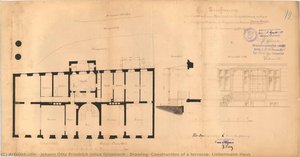
johann otto friedrich julius grisebach
1848 - 1904 , Germany
Основные сведения
- Artistic Movement Or Style: Gothic Revival & Expressionism
- Artists Or Movements Influenced By This Artist: ['Carl F.']
- Artists Who Influenced This Artist: ['Conrad Wilhelm Hase']
- Date Of Birth: July 26, 1848
- Date Of Death: May 11, 1904
- Full Name: Johann Otto Friedrich Julius Grisebach”
- Nationality: German
- Notable Artworks: ['Liebermann Haus']
- Place Of Birth: Goettingen, Germany