


 Предпросмотр
 Поделиться
 Поделиться
 Детали произведения

 Скачать
 Похожие работы
 Рентгенография
 Слайд-шоу
 Статистика
Berlin: Reichstag building


 Читать далее
Приобретите цифровое изображение высокого разрешения в улучшенном качестве, которое значительно превосходит онлайн-превью.
Каждый файл тщательно подготавливается нашими специалистами с использованием передовых инструментов и экспертной ручной ретуши. Мы гарантируем исключительную четкость, точную цветопередачу и детальную проработку каждого изображения.
Финальный файл доставляется по электронной почте в течение 72 часов и оптимизирован для немедленного использования в профессиональной среде, при верстке и печати. Это тот же уровень качества, которому доверяют ведущие дизайнерские студии, издательства и галереи.
Цифровое изображение
Скачайте файл высокого разрешения для личного использования, печати и творческих проектов. ( Перейти к печати Купить картину ручной работы)
Включено в каждый заказ цифровых изображений
Гарантия экспертной цифровой доставки
Выбирая ArtsDot.com, вы получаете не просто изображение — вы приобретаете профессионально обработанное цифровое произведение искусства, созданное с безупречной точностью и под защитой гарантии качества. Вот всё, что автоматически входит в ваш заказ:

Мгновенная доставка по e-mail
Ваш цифровой файл в высоком разрешении будет отправлен вам по электронной почте в течение 72 часов после оформления заказа — и сразу станет доступен для использования.

Цифровой файл с ИИ-улучшением
Ваше произведение искусства проходит профессиональную оптимизацию с использованием передовых инструментов ИИ и ручной обработки, что гарантирует максимальную детализацию, четкость и точность цветопередачи.

Бессрочная бесплатная повторная доставка
Случайно удалили или потеряли файл? Не беспокойтесь — мы отправим его вам повторно в любое время и совершенно бесплатно.

Без импортных пошлин — навсегда
Наслаждайтесь вашим произведением искусства мгновенно без таможенных пошлин, сборов или затрат на доставку — цифровые загрузки всегда не облагаются налогом.

Гарантия точности цветопередачи
Мы гарантируем, что ваше цифровое изображение максимально точно передает оригинальные цвета благодаря использованию профессиональных инструментов и систем управления цветом.

Гарантия удовлетворенности 100 дней
Если вы не будете удовлетворены своим цифровым изображением, мы внесем правки или вернем 100% стоимости в течение 100 дней — без лишних вопросов.

100% Гарантия возврата средств
Не удовлетворены покупкой? Получите полный возврат средств в течение 100 дней после получения цифрового файла — без лишних вопросов.

Скидки на оптовые заказы
Купите 3 изображения, сэкономьте 10% — Купите 5, сэкономьте 15% — Купите 10+, сэкономьте 20%. Отличное решение для творческих проектов, галерей и агентств.
Похожие произведения







Биография художника
Johann Paul Wallot: Architect of Imperial Dreams
Paul Wallot (1841-1912) stands as a pivotal figure in 19th-century German architecture, a man whose Huguenot heritage and artistic sensibilities shaped some of the nation’s most iconic landmarks. Born in Koblenz, Germany, into a family steeped in French nobility – the Vallots – Wallot's life was one of both privilege and profound creative drive. His journey from Oppenheim to Berlin and beyond culminated in designs that not only reflected the grandeur of the German Empire but also embodied a unique blend of Neo-Renaissance aesthetics and innovative engineering. More than just an architect, Wallot was a storyteller, meticulously crafting spaces intended to inspire awe and project an image of strength and stability for his nation.Early Life and Artistic Foundations
Wallot’s Huguenot ancestry profoundly influenced his artistic development. The Vallots, having fled religious persecution in France, brought with them a rich tradition of craftsmanship, intellectual curiosity, and a deep appreciation for classical forms. He received an early education that emphasized both the arts and sciences, attending the Technische Universität Darmstadt and later studying at the Gottfried Wilhelm Leibniz Universität Hannover under the tutelage of Conrad Wilhelm Hase, a leading figure in German historicist architecture. This formative period instilled in him a rigorous understanding of architectural principles while simultaneously nurturing his inclination towards elaborate ornamentation and detailed design. Crucially, Wallot’s time in Berlin exposed him to the burgeoning field of building technology, including advancements in ironwork and glass construction – elements that would become integral to his signature style. His early work involved assisting established architects like Heinrich Strack and Friedrich Hitzig, providing invaluable experience within a dynamic studio environment. A significant turning point was his study trips through Italy and Great Britain, where he immersed himself in the works of masters such as Andrea Palladio and Michele Sanmicheli, absorbing their principles of proportion, harmony, and classical design.The Reichstag: A Monument to Imperial Ambition
Wallot’s most celebrated achievement is undoubtedly the design of the Reichstag building in Berlin (1884-1904). Commissioned during a period of rapid German expansion and burgeoning national pride, the Reichstag was intended as a symbol of parliamentary democracy – a bold statement at a time when many European nations clung to autocratic rule. Wallot’s design skillfully balanced elements of Neo-Renaissance grandeur with innovative engineering solutions. The imposing façade, featuring Corinthian columns and intricate detailing, immediately conveyed an impression of authority and permanence. However, it was the soaring glass dome, a revolutionary feature for its time, that truly captured the public's imagination. This transparent structure not only provided stunning panoramic views of Berlin but also symbolized the openness and accessibility of government – a deliberate contrast to the secretive nature of many European parliaments. The construction process itself was fraught with controversy, fueled by Kaiser Wilhelm II’s intervention and his infamous critique (“My son, this is how we do it!”), highlighting the tension between artistic vision and imperial decree. Despite these challenges, Wallot persevered, ultimately delivering a masterpiece that remains one of Berlin's most recognizable landmarks.Beyond the Reichstag: Dresden and State Buildings
Wallot’s architectural career extended far beyond the Reichstag. He also designed several other significant buildings in Germany, showcasing his versatility and evolving style. The adjacent Palace of the President of the Reichstag (completed in 1904) complemented the Reichstag with a stately presence, further reinforcing the image of imperial power. His work in Dresden is particularly noteworthy, including the former Saxon *Ständehaus* state diet building of 1906 at Brühl’s Terrace – a magnificent example of Neo-Renaissance architecture that continues to impress visitors today. These projects demonstrate Wallot's ability to adapt his design principles to different contexts and scales, while consistently maintaining a commitment to quality and detail.Legacy and Historical Significance
Paul Wallot’s legacy is inextricably linked to the rise of German architecture in the late 19th century. His designs embodied the spirit of the era – a blend of classical tradition and modern innovation, reflecting Germany's growing confidence and ambition. The Reichstag building, in particular, stands as a testament to his artistic vision and engineering skill, becoming an enduring symbol of German democracy and parliamentary governance. While his relationship with Kaiser Wilhelm II was often strained, Wallot’s contributions to the architectural landscape of Berlin and beyond remain undeniable. His work continues to inspire architects and art enthusiasts alike, offering a glimpse into a pivotal moment in German history and the creative genius of one remarkable man. The influence of his Huguenot heritage—a dedication to craftsmanship, an appreciation for classical forms, and a commitment to beauty—resonates throughout his oeuvre, solidifying his place as a significant figure in architectural history.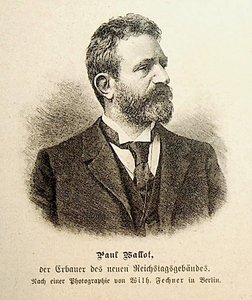
johann paul wallot
1841 - 1912 , Germany
Основные сведения
- Artistic Movement Or Style: Neo-Renaissance
- Artists Or Movements Influenced By This Artist: ['Hugo von Ritgen']
- Artists Who Influenced This Artist:
- Conrad Wilhelm Hase
- Heinrich Strack
- Date Of Birth: 1841-06-26
- Date Of Death: 1912-08-10
- Full Name: Johann Paul Wallot
- Nationality: German
- Notable Artworks:
- Reichstag Berlin
- Palace President
- Dresden State Building
- Place Of Birth: Koblenz, Germany