

 Предпросмотр
 Поделиться
 Поделиться
 Детали произведения

 Скачать
 Похожие работы
 Рентгенография
 Слайд-шоу
 Статистика
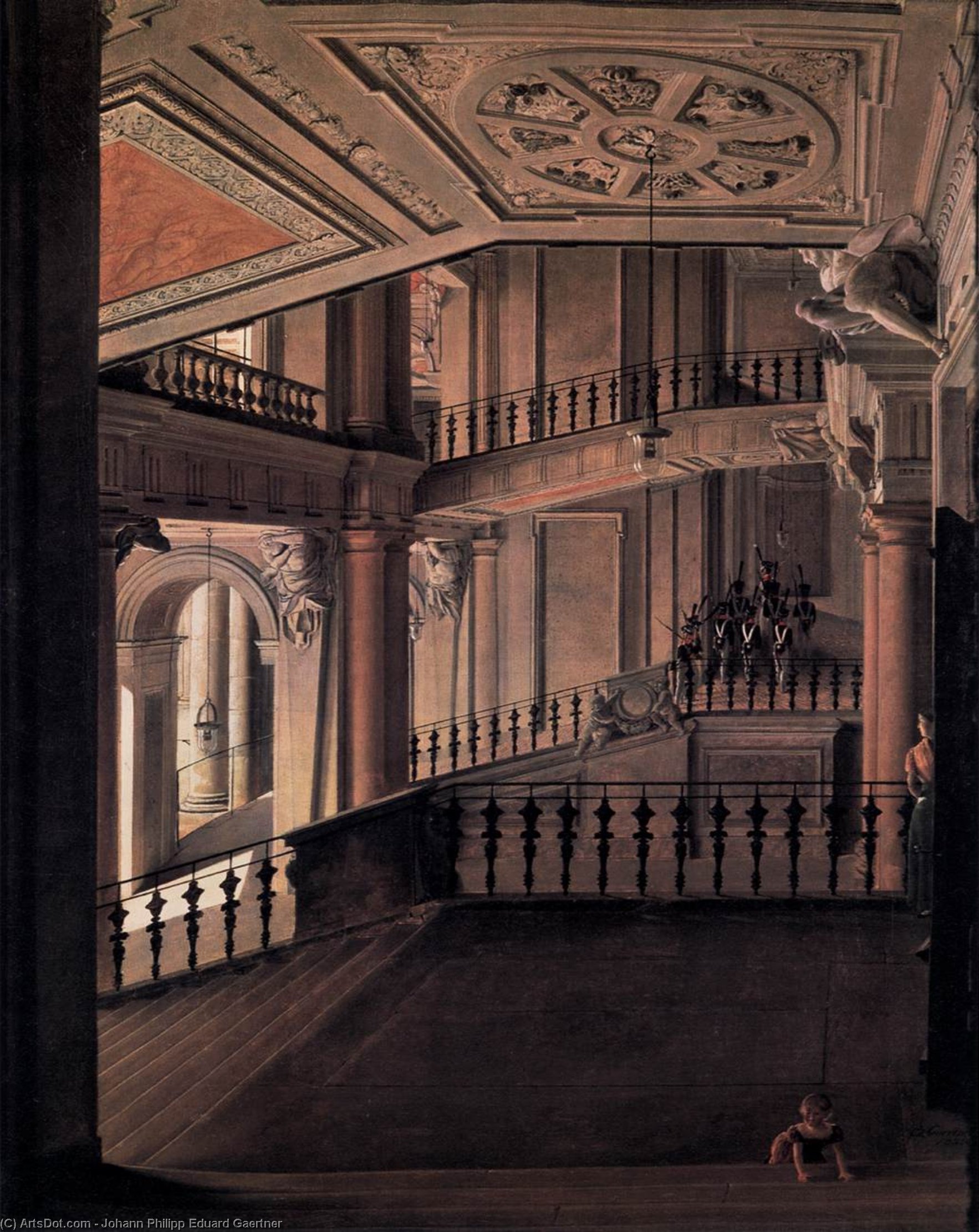
Staircase in the Berlin Palace
 Oil On Canvas
- WallArt
- Biedermeier
 1828
1828- 19th Century
 48.0 x 59.0 cm
 Шарлоттенбургский дворец
 Читать далее
Приобретите цифровое изображение высокого разрешения в улучшенном качестве, которое значительно превосходит онлайн-превью.
Каждый файл тщательно подготавливается нашими специалистами с использованием передовых инструментов и экспертной ручной ретуши. Мы гарантируем исключительную четкость, точную цветопередачу и детальную проработку каждого изображения.
Финальный файл доставляется по электронной почте в течение 72 часов и оптимизирован для немедленного использования в профессиональной среде, при верстке и печати. Это тот же уровень качества, которому доверяют ведущие дизайнерские студии, издательства и галереи.
Цифровое изображение
Скачайте файл высокого разрешения для личного использования, печати и творческих проектов. ( Перейти к печати Купить картину ручной работы)
Включено в каждый заказ цифровых изображений
Гарантия экспертной цифровой доставки
Выбирая ArtsDot.com, вы получаете не просто изображение — вы приобретаете профессионально обработанное цифровое произведение искусства, созданное с безупречной точностью и под защитой гарантии качества. Вот всё, что автоматически входит в ваш заказ:

Мгновенная доставка по e-mail
Ваш цифровой файл в высоком разрешении будет отправлен вам по электронной почте в течение 72 часов после оформления заказа — и сразу станет доступен для использования.

Цифровой файл с ИИ-улучшением
Ваше произведение искусства проходит профессиональную оптимизацию с использованием передовых инструментов ИИ и ручной обработки, что гарантирует максимальную детализацию, четкость и точность цветопередачи.

Бессрочная бесплатная повторная доставка
Случайно удалили или потеряли файл? Не беспокойтесь — мы отправим его вам повторно в любое время и совершенно бесплатно.

Без импортных пошлин — навсегда
Наслаждайтесь вашим произведением искусства мгновенно без таможенных пошлин, сборов или затрат на доставку — цифровые загрузки всегда не облагаются налогом.

Гарантия точности цветопередачи
Мы гарантируем, что ваше цифровое изображение максимально точно передает оригинальные цвета благодаря использованию профессиональных инструментов и систем управления цветом.

Гарантия удовлетворенности 100 дней
Если вы не будете удовлетворены своим цифровым изображением, мы внесем правки или вернем 100% стоимости в течение 100 дней — без лишних вопросов.

100% Гарантия возврата средств
Не удовлетворены покупкой? Получите полный возврат средств в течение 100 дней после получения цифрового файла — без лишних вопросов.

Скидки на оптовые заказы
Купите 3 изображения, сэкономьте 10% — Купите 5, сэкономьте 15% — Купите 10+, сэкономьте 20%. Отличное решение для творческих проектов, галерей и агентств.
A Grand Ascent Through Prussian Splendor
To gaze upon this depiction of the staircase in the Berlin Palace is to step directly into the heart of 19th-century Prussian grandeur. It is more than merely a rendering of marble steps; it is a captured moment of civic life and architectural ambition from 1828. The composition immediately draws the eye upward, following the elegant sweep of the staircase—a monumental artery within the palace structure. The meticulous detail evident in the painting speaks to an era obsessed with permanence and visible status. One can almost hear the echo of carriage wheels and hushed conversations bouncing off the polished stone, imagining the weight of history carried by every riser.
Mastery in Marble and Shadow
The technical brilliance displayed here lies in Gaertner's ability to render hard, reflective materials—the cool gleam of the marble contrasting sharply with the deep, velvety black of the railings. The artist has achieved a remarkable sense of depth, making the staircase feel vast and three-dimensional within the confines of the canvas. Notice the ornate detailing; the statues and decorative elements are not mere filler but integral narrative components, suggesting patronage, classical ideals, and the enduring taste for elaborate ornamentation characteristic of royal residences of that time. The interplay between light catching the polished stone and the deep shadows pooling beneath the balustrades gives the piece a dramatic, almost theatrical quality.
Echoes of an Era: Context and Character
Painted in 1828 by Johann Philipp Eduard Gaertner, this work situates itself perfectly within the period bridging Biedermeier intimacy with burgeoning industrial display. While Gaertner is celebrated for his detailed documentation of Berlin’s urban fabric, this palace scene elevates that documentary impulse into high art. The presence of figures—one poised near the bottom left, another ascending toward the upper right—lends a human scale to the immense architecture. They are witnesses to the grandeur, suggesting passage, arrival, and departure; they embody the social choreography that once defined life within such palatial settings.
Symbolism of Ascent and Connection
Symbolically, a grand staircase has always represented ascent—a journey toward higher status, knowledge, or enlightenment. In this context, the climb itself becomes a metaphor for societal aspiration. The symmetry and formality suggest order, while the visible figures hint at the personal journeys undertaken within that ordered world. For the modern collector or designer, this piece offers more than just decoration; it offers an atmosphere—a sense of stately passage and enduring cultural weight. Reproducing this work allows one to infuse a space with the sophisticated gravitas of early 19th-century European aristocracy.
Похожие произведения

Биография художника
Johann Philipp Eduard Gaertner - A Chronicler of Prussian Grandeur
Johann Philipp Eduard Gaertner (1801 – 1877) stands apart from many of his contemporaries in the annals of 19th-century German painting. He eschewed grand historical narratives and romanticized landscapes, instead dedicating himself to a remarkably precise observation of his urban surroundings—primarily the evolving cityscape of Prussia. While his name might not command immediate recognition alongside luminaries like Caspar David Friedrich or Eugène Delacroix, Gaertner’s detailed depictions of Berlin and its environs offer invaluable visual documentation of a pivotal era, bridging the gap between Biedermeier sensibilities and the burgeoning modern world. His artistic journey began modestly enough; after relocating to Kassel with his mother in 1806—where he received initial drawing instruction—Gaertner returned to Berlin in 1813 and embarked on a six-year apprenticeship at the Royal Porcelain Factory. This formative experience instilled within him a meticulous attention to detail that would become a hallmark of his mature style, shaping his artistic vision for decades to come.From Decorative Painter to Vedutist: A Parisian Awakening
A decisive turning point arrived in 1821 when Gaertner secured a position as a decorative painter within the studios of Carl Wilhelm Gropius—the royal court theater painter—allowing him to hone his skills and immerse himself in the vibrant artistic milieu of Paris. This period proved crucial in fostering his fascination with architectural painting, fueled by the influence of Parisian *vedute* tradition. Inspired by the magnificent vistas of medieval buildings—particularly those encountered during his travels—Gaertner absorbed techniques for manipulating light and atmosphere, learning to capture not merely the physical structures but also their emotional resonance. He meticulously studied the works of celebrated vedutisti like Jean-Baptiste Oudry and Nicolas Antoine Taunay, absorbing their mastery of perspective and tonal gradation. Upon returning to Berlin in 1828—where he married and established a family—Gaertner continued his artistic pursuits, focusing primarily on documenting the Biedermeier style buildings of the city.Documenting a Changing Berlin: Patronage and Panoramic Visions
The subsequent decade witnessed Gaertner diligently recording the architectural transformations occurring in Berlin, catering to royal patronage with depictions of castles in Bellevue, Charlottenburg, and Glienicke—sites that held immense symbolic significance for Prussia’s monarchy. Recognizing the importance of visual representation as a tool for conveying prestige and commemorating historical events, he undertook commissions from influential figures within Prussian society. In 1834, Gaertner achieved considerable acclaim with the undertaking of a monumental panorama of Berlin—painted from the roof of the Friedrichswerder Church—a location offering unparalleled panoramic views. This ambitious project captivated both King Friedrich Wilhelm III and his daughter, Tsarina Alexandra Feodorovna—demonstrating the widespread appreciation for Gaertner’s artistic skill and dedication to capturing the essence of Prussian architecture. He skillfully utilized a camera obscura—a device employing lenses and mirrors to project an image of the outside world onto a surface—to aid in sketching the layouts and perspectives of his paintings, reflecting a commitment to accuracy that characterized his entire oeuvre.Techniques and Influences
Gaertner’s artistic approach was profoundly shaped by several key influences: Firstly, he drew inspiration from Medieval Architecture, particularly the grandeur of Gothic cathedrals—a fascination evident in many of his early compositions. Secondly, he absorbed techniques for manipulating light and atmosphere from Parisian vedute painting—embracing the principles championed by artists like Jean-Baptiste Oudry and Nicolas Antoine Taunay. These influences combined to produce a distinctive visual style characterized by meticulous detail and an evocative portrayal of urban spaces. Finally, Gaertner’s training at the Royal Porcelain Factory instilled within him a fundamental understanding of perspective and tonal gradation—skills that underpinned his success as an architectural painter. ## Legacy and Recognition Despite facing financial difficulties following the death of King Friedrich Wilhelm III—who had previously favored Italianate landscapes over Gaertner’s architectural depictions—Gaertner persevered, adapting to changing circumstances by connecting with a group dedicated to preserving and restoring monuments. He undertook extensive travels throughout Prussia—creating watercolor sketches intended for sale and documenting the inventory of historical sites—demonstrating his unwavering commitment to artistic excellence and scholarly research. Although photography emerged as a rival medium in the latter half of the 19th century—challenging Gaertner’s dominance in architectural representation—his work experienced a resurgence of interest at the “Deutschen Jahrhundert-Ausstellung” of 1906—followed by major exhibitions in 1968, 1977, and 2001—events that cemented his reputation as one of Prussia’s foremost chroniclers of its architectural heritage. Gaertner's legacy resides not merely in the beauty of his paintings but also in their historical significance—serving as invaluable records of a transformative era—offering a glimpse into the heart of 19th-century Prussia through the discerning eye of a dedicated and meticulous artist.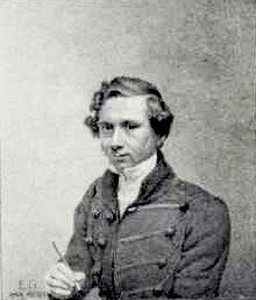
Эдуард Гартнер
1801 - 1877 , Германия
Основные сведения
- Artistic Movement Or Style: Biedermeier, Vedute
- Artists Who Influenced This Artist:
- Medieval architecture
- Parisian vedute painting
- Date Of Birth: 1801
- Date Of Death: 1877
- Full Name: Johann Philipp Eduard Gaertner
- Nationality: German
- Notable Artworks:
- The Neue Wache in Berlin
- Klosterstrasse
- Belvedere on Havel landscape
- Place Of Birth: Berlin, Germany