

 Предпросмотр
 Поделиться
 Поделиться
 Детали произведения

 Скачать
 Похожие работы
 Рентгенография
 Слайд-шоу
 Статистика
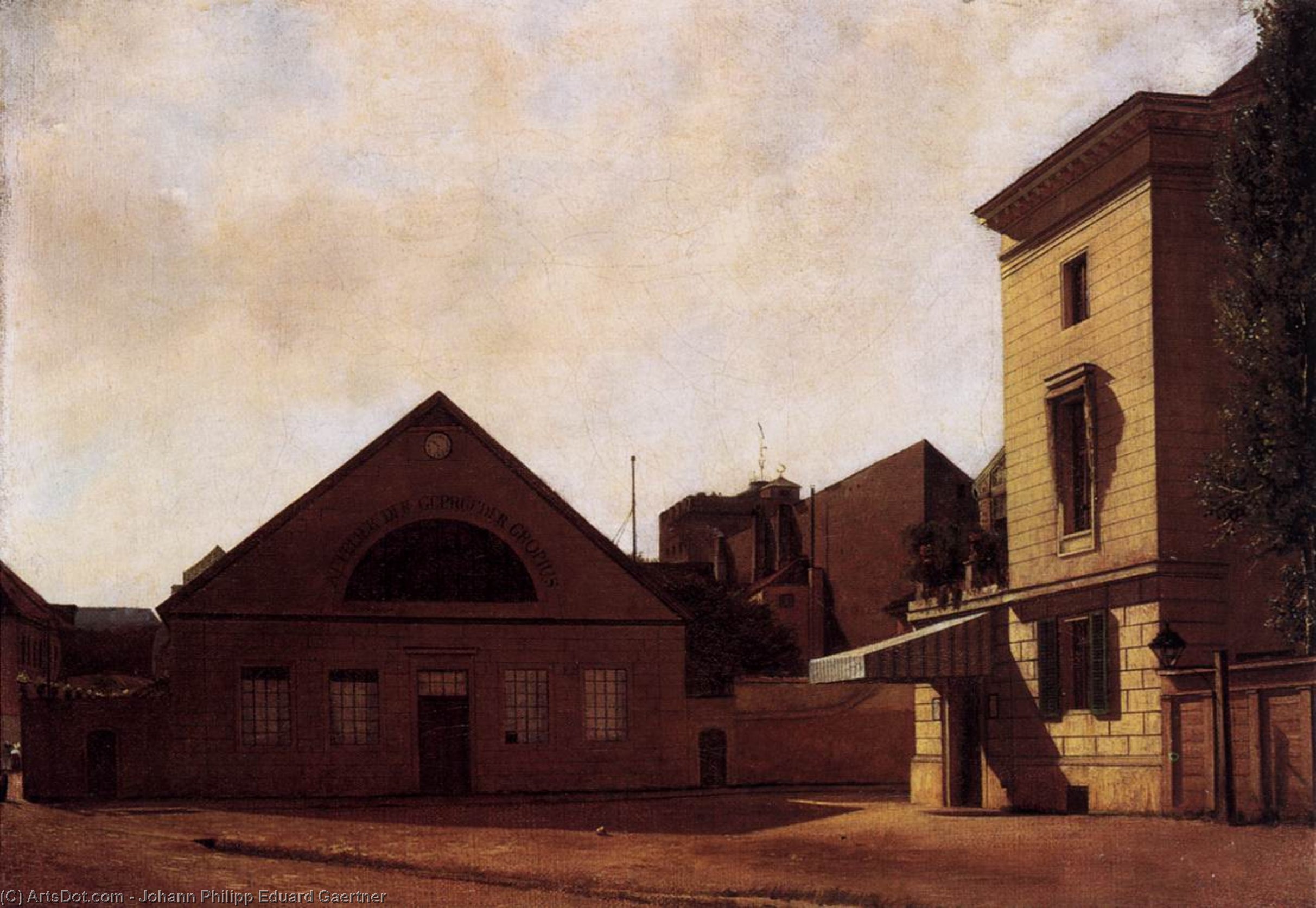
Workshop of the Gropius Brothers
 Oil On Canvas
- WallArt
- Romanticism
 1830
1830- 19th Century
 25.0 x 36.0 cm
 Национальная галерея
 Читать далее
Масляная репродукция ручной работы
Картина маслом на холсте в выбранном вами размере и раме, написанная на заказ нашими художниками. ( Перейти к печати Перейти к цифровым изображениям)




P118B $10

P118H $10

P118W $10

P438Z $10

P508JH $12

P508YH $12

P805H $10

P805Z $10

P919BZ $10

P919G $10

P919XJ $10

P959ZH $10

P968JZ $12

W106C $8

W218G $10

W218JH $8

W218Y $10

W307PJ $10

W316G $10

W316PJ $8

W316Y $10

W398PJ $8

W4111J $10

W500HY $15

W500JH $15

W692G $12

W849H $8

W940BG $15

W953PJ $8




Выберите один из наших стандартных размеров, соответствующих оригинальным пропорциям произведения искусства.

Вы можете указать собственные размеры, чтобы картина идеально вписалась в выбранную раму или пространство. Если выбранный вами размер не соответствует пропорциям оригинала, мы либо обрежем полотно, либо расширим его за счет дополнительных элементов, написанных вручную. Цифровой макет будет отправлен вам на утверждение перед началом производства.
Обратите внимание, что предварительный просмотр на экране не отражает фактическую обрезку или расширение. Только макет точно покажет окончательную композицию.
Хотя доступны индивидуальные размеры, мы рекомендуем выбирать вариант из предопределенного списка, чтобы сохранить исходные пропорции.
После оформления заказа команда ArtsDot.com свяжется с клиентом по электронной почте для уточнения деталей и предоставит предварительный макет
Доставка по всему миру () за 3–4 недели вместо стандартных 5 недель. (12 Сентябрь). Без компромиссов в качестве.

Бесплатная экспресс-доставка по всему миру

Высококачественный льняной холст

Полное страхование доставки

Гарантия возмещения таможенных пошлин

Гарантия точного соответствия цветов

100-дневная политика возврата (только при обнаружении дефектов)

Гарантия возврата 100% средств

Предложение оптовых скидок
 Вариант со стеклом доступен только для размеров менее 110 см

Workshop of the Gropius Brothers
Техника репродукции
Размер репродукции
-


Итоговая стоимость
$ 263
A Chronicle of Prussian Grandeur: Johann Philipp Eduard Gaertner’s “Workshop of the Gropius Brothers”
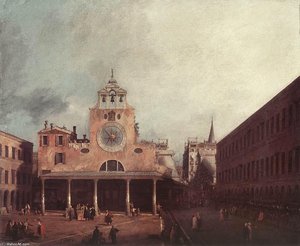
Johann Philipp Eduard Gaertner's "Workshop of the Gropius Brothers," painted in 1830, isn’t a grand historical epic or a sweeping romantic landscape; instead, it offers a remarkably intimate and meticulously observed portrait of urban life in early 19th-century Prussia. This oil on canvas work, measuring 25 x 36 cm, reveals a world steeped in the burgeoning industrial age, yet retaining a palpable sense of faded grandeur and quiet contemplation. The painting depicts a substantial warehouse complex – likely a vital component of Berlin’s expanding mercantile infrastructure – rendered with an almost architectural precision that speaks to Gaertner's background as a craftsman at the Royal Porcelain Factory.
Gaertner’s artistic journey began not in the hallowed halls of academic art training, but within the practical world of manufacturing. This early apprenticeship instilled in him a deep appreciation for form, structure, and the subtle nuances of material – qualities that profoundly inform his approach to painting. He wasn't striving for dramatic effects or idealized beauty; rather, he sought to capture the essence of his subject with unwavering detail and a keen eye for light and shadow. The muted palette—dominated by browns, ochres, and grays—creates an atmosphere of subdued solemnity, reminiscent of a bygone era. The artist’s brushstrokes are loose and expressive, leaning towards Romanticism in their emphasis on capturing mood and atmosphere, yet grounded in the meticulous observation characteristic of early Realism.
Decoding the Architecture: Symbolism and Context
The warehouse complex itself is more than just a building; it's a symbol of Prussia’s burgeoning economic power. Berlin was experiencing rapid growth during this period, fueled by trade and industry, and structures like these were essential to its prosperity. The symmetrical composition, with the central building dominating the scene, subtly reflects the rigid social hierarchies and bureaucratic order that defined Prussian society. Noticeably absent are any human figures – a deliberate choice by Gaertner, perhaps, suggesting the impersonal nature of industrial progress or the detachment of individuals within a vast system. The surrounding foliage, rendered in delicate shades of green, provides a small counterpoint to the dominant browns, hinting at the enduring connection between humanity and the natural world.
Considering the date of 1830, the painting offers a fascinating glimpse into a transitional period. The Biedermeier style, with its focus on domesticity and quiet scenes of everyday life, was still prevalent, yet the rise of industrialization and urban expansion were already reshaping the landscape – both literally and figuratively. Gaertner’s work sits comfortably between these two stylistic currents, embodying a sense of realism tempered by an appreciation for historical detail and atmospheric effect.
The Language of Light and Texture
Gaertner masterfully employs atmospheric perspective to create a powerful illusion of depth. Objects in the distance are rendered paler and less distinct, drawing the viewer’s eye towards the central building, which is presented with remarkable clarity. The loose brushstrokes contribute significantly to the painting's texture, conveying the rough materiality of brick and stone. The diffused lighting—a hallmark of Romanticism—softens the edges and casts long shadows, adding to the overall sense of melancholy and timelessness. It’s a technique that invites us to linger, examining the subtle variations in tone and the interplay of light and shadow.
A Legacy of Observation: Gaertner's Contribution
While not as widely celebrated as some of his contemporaries, Johann Philipp Eduard Gaertner played a crucial role in documenting the visual history of Berlin. His meticulous depictions of urban architecture provide invaluable insights into the city’s development during a period of profound transformation. “Workshop of the Gropius Brothers” stands as a testament to his skill and dedication – a quiet but compelling chronicle of Prussian grandeur, offering a poignant reflection on the passage of time and the enduring power of observation.
Похожие произведения

Биография художника
Johann Philipp Eduard Gaertner - A Chronicler of Prussian Grandeur
Johann Philipp Eduard Gaertner (1801 – 1877) stands apart from many of his contemporaries in the annals of 19th-century German painting. He eschewed grand historical narratives and romanticized landscapes, instead dedicating himself to a remarkably precise observation of his urban surroundings—primarily the evolving cityscape of Prussia. While his name might not command immediate recognition alongside luminaries like Caspar David Friedrich or Eugène Delacroix, Gaertner’s detailed depictions of Berlin and its environs offer invaluable visual documentation of a pivotal era, bridging the gap between Biedermeier sensibilities and the burgeoning modern world. His artistic journey began modestly enough; after relocating to Kassel with his mother in 1806—where he received initial drawing instruction—Gaertner returned to Berlin in 1813 and embarked on a six-year apprenticeship at the Royal Porcelain Factory. This formative experience instilled within him a meticulous attention to detail that would become a hallmark of his mature style, shaping his artistic vision for decades to come.From Decorative Painter to Vedutist: A Parisian Awakening
A decisive turning point arrived in 1821 when Gaertner secured a position as a decorative painter within the studios of Carl Wilhelm Gropius—the royal court theater painter—allowing him to hone his skills and immerse himself in the vibrant artistic milieu of Paris. This period proved crucial in fostering his fascination with architectural painting, fueled by the influence of Parisian *vedute* tradition. Inspired by the magnificent vistas of medieval buildings—particularly those encountered during his travels—Gaertner absorbed techniques for manipulating light and atmosphere, learning to capture not merely the physical structures but also their emotional resonance. He meticulously studied the works of celebrated vedutisti like Jean-Baptiste Oudry and Nicolas Antoine Taunay, absorbing their mastery of perspective and tonal gradation. Upon returning to Berlin in 1828—where he married and established a family—Gaertner continued his artistic pursuits, focusing primarily on documenting the Biedermeier style buildings of the city.Documenting a Changing Berlin: Patronage and Panoramic Visions
The subsequent decade witnessed Gaertner diligently recording the architectural transformations occurring in Berlin, catering to royal patronage with depictions of castles in Bellevue, Charlottenburg, and Glienicke—sites that held immense symbolic significance for Prussia’s monarchy. Recognizing the importance of visual representation as a tool for conveying prestige and commemorating historical events, he undertook commissions from influential figures within Prussian society. In 1834, Gaertner achieved considerable acclaim with the undertaking of a monumental panorama of Berlin—painted from the roof of the Friedrichswerder Church—a location offering unparalleled panoramic views. This ambitious project captivated both King Friedrich Wilhelm III and his daughter, Tsarina Alexandra Feodorovna—demonstrating the widespread appreciation for Gaertner’s artistic skill and dedication to capturing the essence of Prussian architecture. He skillfully utilized a camera obscura—a device employing lenses and mirrors to project an image of the outside world onto a surface—to aid in sketching the layouts and perspectives of his paintings, reflecting a commitment to accuracy that characterized his entire oeuvre.Techniques and Influences
Gaertner’s artistic approach was profoundly shaped by several key influences: Firstly, he drew inspiration from Medieval Architecture, particularly the grandeur of Gothic cathedrals—a fascination evident in many of his early compositions. Secondly, he absorbed techniques for manipulating light and atmosphere from Parisian vedute painting—embracing the principles championed by artists like Jean-Baptiste Oudry and Nicolas Antoine Taunay. These influences combined to produce a distinctive visual style characterized by meticulous detail and an evocative portrayal of urban spaces. Finally, Gaertner’s training at the Royal Porcelain Factory instilled within him a fundamental understanding of perspective and tonal gradation—skills that underpinned his success as an architectural painter. ## Legacy and Recognition Despite facing financial difficulties following the death of King Friedrich Wilhelm III—who had previously favored Italianate landscapes over Gaertner’s architectural depictions—Gaertner persevered, adapting to changing circumstances by connecting with a group dedicated to preserving and restoring monuments. He undertook extensive travels throughout Prussia—creating watercolor sketches intended for sale and documenting the inventory of historical sites—demonstrating his unwavering commitment to artistic excellence and scholarly research. Although photography emerged as a rival medium in the latter half of the 19th century—challenging Gaertner’s dominance in architectural representation—his work experienced a resurgence of interest at the “Deutschen Jahrhundert-Ausstellung” of 1906—followed by major exhibitions in 1968, 1977, and 2001—events that cemented his reputation as one of Prussia’s foremost chroniclers of its architectural heritage. Gaertner's legacy resides not merely in the beauty of his paintings but also in their historical significance—serving as invaluable records of a transformative era—offering a glimpse into the heart of 19th-century Prussia through the discerning eye of a dedicated and meticulous artist.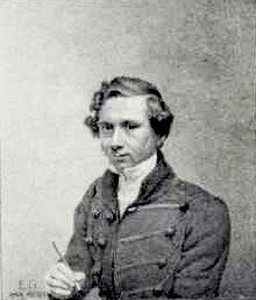
Эдуард Гартнер
1801 - 1877 , Германия
Основные сведения
- Artistic Movement Or Style: Biedermeier, Vedute
- Artists Who Influenced This Artist:
- Medieval architecture
- Parisian vedute painting
- Date Of Birth: 1801
- Date Of Death: 1877
- Full Name: Johann Philipp Eduard Gaertner
- Nationality: German
- Notable Artworks:
- The Neue Wache in Berlin
- Klosterstrasse
- Belvedere on Havel landscape
- Place Of Birth: Berlin, Germany
Похожие статьи
Evoking Nature's Sublime: A Comprehensive Exploration of 19th-Century Landscape Painting
Explore the captivating world of 19th-century landscape painting! Discover renowned artists like Friedrich & Monet, key movements, and find the perfect artwork to bring nature's serenity into your home. Expert insights at ArtsDot.
The Sublime and the Picturesque: Exploring Emotion & Nature in Romantic Landscape Painting
Explore the emotional power of Romantic landscape painting! Discover the sublime & picturesque traditions, key artists like Friedrich & Cole, and find your perfect artwork at ArtsDot.

Romantic Realism's Finest: 10 Masterpieces for Your Home | ArtsDot
Explore 10 defining masterpieces of Romantic Realism! Discover Courbet, Millet & Daumier's powerful paintings—capturing emotion and social realities. Find museum-quality reproductions for your home at ArtsDot.com.
Evoking Emotion & Transcendence: Romantic Landscape Painting (18th-19th Century)
Explore the emotional depth of Romantic landscape painting (18th-19th century). Discover key artists like Friedrich & Cole, and the concepts of the sublime. Expert insights for art lovers & collectors.

Романтический пейзаж: 10 шедевров, изменивших искусство | ArtsDot.com
Погрузитесь в мир романтического пейзажа! 10 шедевров Фридриха, Тёрнера и других гениев. Узнайте историю создания культовых картин и вдохновитесь для декора интерьера. Репродукции высокого качества на ArtsDot.com.