

 Предпросмотр
 Поделиться
 Поделиться
 Детали произведения

 Скачать
 Похожие работы
 Рентгенография
 Слайд-шоу
 Статистика
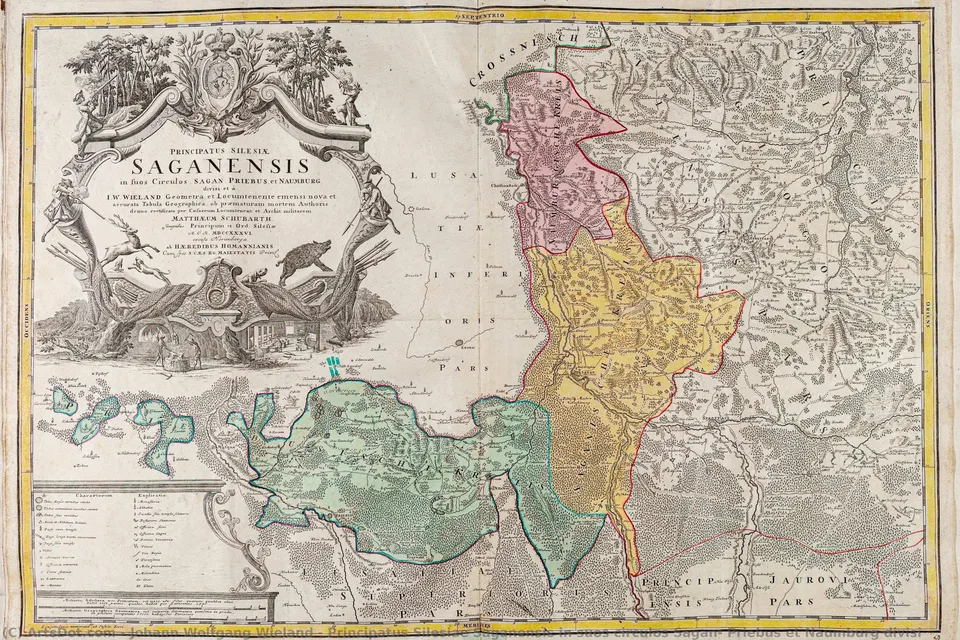
Principatus Silesiae Saganensis in suos circulos Sagan, Priebus et Naumburg divisi
 Neoclassicism
 1752
1752 55.0 x 81.0 cm
 Ossoliński National Institute
 Читать далее
Приобретите цифровое изображение высокого разрешения в улучшенном качестве, которое значительно превосходит онлайн-превью.
Каждый файл тщательно подготавливается нашими специалистами с использованием передовых инструментов и экспертной ручной ретуши. Мы гарантируем исключительную четкость, точную цветопередачу и детальную проработку каждого изображения.
Финальный файл доставляется по электронной почте в течение 72 часов и оптимизирован для немедленного использования в профессиональной среде, при верстке и печати. Это тот же уровень качества, которому доверяют ведущие дизайнерские студии, издательства и галереи.
Цифровое изображение
Скачайте файл высокого разрешения для личного использования, печати и творческих проектов. ( Перейти к печати Купить картину ручной работы)
Включено в каждый заказ цифровых изображений
Гарантия экспертной цифровой доставки
Выбирая ArtsDot.com, вы получаете не просто изображение — вы приобретаете профессионально обработанное цифровое произведение искусства, созданное с безупречной точностью и под защитой гарантии качества. Вот всё, что автоматически входит в ваш заказ:

Мгновенная доставка по e-mail
Ваш цифровой файл в высоком разрешении будет отправлен вам по электронной почте в течение 72 часов после оформления заказа — и сразу станет доступен для использования.

Цифровой файл с ИИ-улучшением
Ваше произведение искусства проходит профессиональную оптимизацию с использованием передовых инструментов ИИ и ручной обработки, что гарантирует максимальную детализацию, четкость и точность цветопередачи.

Бессрочная бесплатная повторная доставка
Случайно удалили или потеряли файл? Не беспокойтесь — мы отправим его вам повторно в любое время и совершенно бесплатно.

Без импортных пошлин — навсегда
Наслаждайтесь вашим произведением искусства мгновенно без таможенных пошлин, сборов или затрат на доставку — цифровые загрузки всегда не облагаются налогом.

Гарантия точности цветопередачи
Мы гарантируем, что ваше цифровое изображение максимально точно передает оригинальные цвета благодаря использованию профессиональных инструментов и систем управления цветом.

Гарантия удовлетворенности 100 дней
Если вы не будете удовлетворены своим цифровым изображением, мы внесем правки или вернем 100% стоимости в течение 100 дней — без лишних вопросов.

100% Гарантия возврата средств
Не удовлетворены покупкой? Получите полный возврат средств в течение 100 дней после получения цифрового файла — без лишних вопросов.

Скидки на оптовые заказы
Купите 3 изображения, сэкономьте 10% — Купите 5, сэкономьте 15% — Купите 10+, сэкономьте 20%. Отличное решение для творческих проектов, галерей и агентств.
Похожие произведения
Биография художника
Johann Wolfgang Wieland: Bridging Enlightenment and Romanticism
Johann Wolfgang Wieland, born in Oberholzheim, Italy in 1733, stands as a pivotal figure in the transition between the rationalism of the Age of Enlightenment and the burgeoning emotional currents of pre-Romanticism. Though his life was marked by both professional triumphs and personal struggles, Wieland’s contributions to German literature – particularly his poetry, translations, and dramatic works – cemented his place among the “Weimar Classics,” a group that profoundly shaped the intellectual landscape of 18th and early 19th century Germany alongside Johann Gottfried Herder, Johann Wolfgang von Goethe, and Friedrich Schiller. His work represents a fascinating synthesis of classical ideals with emerging sensibilities, making him a key bridge between established literary traditions and the nascent Romantic movement.
Wieland’s early life was steeped in intellectual curiosity. He received a rigorous education, initially at the Jesuit school in Bamberg and later at the University of Jena, where he immersed himself in classical literature and philosophy. This foundation profoundly influenced his writing style, characterized by its elegance, precision, and adherence to established forms – particularly evident in his translations of Shakespeare’s plays. Wieland's translation of *Hamlet* is considered a landmark achievement, capturing both the dramatic intensity and philosophical depth of the original while adapting it for a German audience accustomed to classical conventions.
The Rise of a Poet and Dramatist
Wieland’s literary career truly took flight with his first major work, *Die Agathon-Fabel* (The Agathon Fable), published in 1764. This allegorical poem, drawing heavily on Plato's *Republic*, explored themes of virtue, education, and the ideal state – a subject central to the philosophical debates of the Enlightenment. It established Wieland’s reputation as a sophisticated poet capable of blending intellectual rigor with lyrical beauty. Following this success, he continued to produce poetry, essays, and translations, solidifying his position within the literary circles of Leipzig and later Weimar.
His dramatic works, however, are arguably where Wieland achieved lasting recognition. *Der Teutsche Merkur* (The German Mercury), a satirical drama published in 1767, showcased his wit, irony, and ability to critique contemporary society. It was followed by *Die Mannon* (1769) and *Philo von Kornhäusern* (1772), both of which explored themes of love, honor, and social constraints – often with a distinctly playful and subversive edge. These plays demonstrated Wieland’s growing interest in psychological realism and his willingness to challenge conventional dramatic conventions.
The History of Agathon: A Masterpiece of Allegory
Perhaps Wieland's most celebrated work is *Die Geschichte des Agathon* (The History of Agathon), published in 1786. This epic poem, a complex and ambitious allegory, delves into the nature of beauty, truth, and artistic creation. It’s a deeply philosophical exploration that draws upon classical mythology, Renaissance humanism, and emerging Romantic ideas about the power of imagination. The poem's intricate structure, rich symbolism, and profound meditations on art and humanity have ensured its place as a cornerstone of German literature.
Wieland’s engagement with Shakespeare during this period was particularly significant. He translated numerous plays, including *Othello*, *Macbeth*, and *King Lear*, adapting them to the German language while retaining their dramatic power and emotional resonance. These translations not only introduced Shakespeare's works to a wider German audience but also influenced subsequent generations of German writers and dramatists.
Weimar and Beyond
In 1785, Wieland moved to Weimar, becoming part of the vibrant intellectual community that centered around Johann Wolfgang von Goethe and Friedrich Schiller. He served as a literary advisor and friend to Goethe, contributing to the development of Weimar Classicism – a movement characterized by its emphasis on reason, order, and classical forms. Despite his association with these influential figures, Wieland maintained a distinct artistic voice, often exploring themes that diverged from the more overtly political or philosophical concerns of his colleagues.
Wieland’s later years were marked by personal difficulties, including financial struggles and strained relationships. He died in 1813 in Weimar, leaving behind a substantial body of work that continues to be studied and appreciated for its intellectual depth, artistic beauty, and enduring significance as a bridge between the Enlightenment and Romanticism. His legacy lies not only in his individual achievements but also in his role as a key figure in shaping the course of German literature and culture.
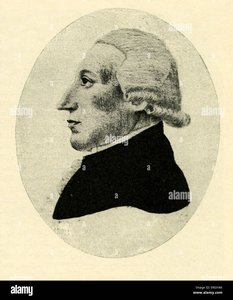
johann wolfgang wieland
1733 - 1813 , Italy
Основные сведения
- Artistic Movement Or Style: Aufklärung, Weimar Classicism
- Artists Or Movements Influenced By This Artist:
- Goethe
- Herder
- Artists Who Influenced This Artist:
- Lessing
- Shakespeare
- Date Of Birth: 1733
- Date Of Death: 1813
- Full Name: Johann Wolfgang Wieland
- Nationality: German
- Notable Artworks: ['The History of Agathon']
- Place Of Birth: Oberholzheim, Italy