

 Предпросмотр
 Поделиться
 Поделиться
 Детали произведения

 Скачать
 Похожие работы
 Рентгенография
 Слайд-шоу
 Статистика
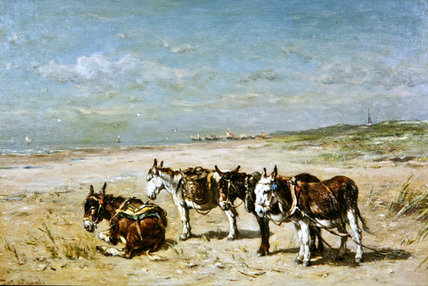
Donkeys On The Beach

 Читать далее
Приобретите цифровое изображение высокого разрешения в улучшенном качестве, которое значительно превосходит онлайн-превью.
Каждый файл тщательно подготавливается нашими специалистами с использованием передовых инструментов и экспертной ручной ретуши. Мы гарантируем исключительную четкость, точную цветопередачу и детальную проработку каждого изображения.
Финальный файл доставляется по электронной почте в течение 72 часов и оптимизирован для немедленного использования в профессиональной среде, при верстке и печати. Это тот же уровень качества, которому доверяют ведущие дизайнерские студии, издательства и галереи.
Цифровое изображение
Скачайте файл высокого разрешения для личного использования, печати и творческих проектов. ( Перейти к печати Купить картину ручной работы)
Включено в каждый заказ цифровых изображений
Гарантия экспертной цифровой доставки
Выбирая ArtsDot.com, вы получаете не просто изображение — вы приобретаете профессионально обработанное цифровое произведение искусства, созданное с безупречной точностью и под защитой гарантии качества. Вот всё, что автоматически входит в ваш заказ:

Мгновенная доставка по e-mail
Ваш цифровой файл в высоком разрешении будет отправлен вам по электронной почте в течение 72 часов после оформления заказа — и сразу станет доступен для использования.

Цифровой файл с ИИ-улучшением
Ваше произведение искусства проходит профессиональную оптимизацию с использованием передовых инструментов ИИ и ручной обработки, что гарантирует максимальную детализацию, четкость и точность цветопередачи.

Бессрочная бесплатная повторная доставка
Случайно удалили или потеряли файл? Не беспокойтесь — мы отправим его вам повторно в любое время и совершенно бесплатно.

Без импортных пошлин — навсегда
Наслаждайтесь вашим произведением искусства мгновенно без таможенных пошлин, сборов или затрат на доставку — цифровые загрузки всегда не облагаются налогом.

Гарантия точности цветопередачи
Мы гарантируем, что ваше цифровое изображение максимально точно передает оригинальные цвета благодаря использованию профессиональных инструментов и систем управления цветом.

Гарантия удовлетворенности 100 дней
Если вы не будете удовлетворены своим цифровым изображением, мы внесем правки или вернем 100% стоимости в течение 100 дней — без лишних вопросов.

100% Гарантия возврата средств
Не удовлетворены покупкой? Получите полный возврат средств в течение 100 дней после получения цифрового файла — без лишних вопросов.

Скидки на оптовые заказы
Купите 3 изображения, сэкономьте 10% — Купите 5, сэкономьте 15% — Купите 10+, сэкономьте 20%. Отличное решение для творческих проектов, галерей и агентств.
Похожие произведения
Биография художника
The Pastoral Soul of the Hague School
Johannes Hubertus Leonardus de Haas remains a profound, if quietly observant, voice within the tapestry of nineteenth-century Dutch art. Born in 1832 in the village of Hedel, de Haas possessed an innate sensitivity to the rhythms of the natural world, a quality that would later define his reputation as a master of animal and landscape painting. While history often shines its brightest spotlight on the more radical innovators of the Hague School, de Haas occupied a vital space within this movement, acting as a bridge between traditional Dutch realism and the atmospheric, tonal experiments of the Barbizon influence. His canvases do not merely depict scenery; they capture the very breath of the Dutch countryside, rendered with a meticulous devotion to the textures of fur, grass, and light.
His artistic journey began in the bustling streets of Amsterdam, where he sought formal instruction through evening classes at the Koninklijke Academie. This early period of academic rigor provided him with the technical foundation necessary for his later, more fluid works. However, it was his move to Haarlem that truly ignited his professional development. Under the mentorship of Pieter Frederik van Os, a titan of the Haarlem School, de Haas learned the art of subtle observation. It was during these formative years in Haarlem that he forged lasting bonds with fellow rising stars such as Paul Gabriel and Hendrik Dirk Kruseman van Elten. This circle of young artists shared a common goal: to move away from stiff, idealized compositions toward a more honest, atmospheric representation of the landscape.
Oosterbeek and the Mastery of Atmosphere
The year 1853 marked a transformative chapter in de Haas’s life when he, alongside his companions, traveled to Oosterbeek. This location was far more than a mere scenic destination; it was the beating heart of Dutch landscape painting, a sanctuary where the principles of the French Barbizon School were being translated into a uniquely Netherlandish idiom. In Oosterbeek, de Haas encountered the influential Johannes Warnardus Bilders, whose studio served as a crucible for artistic debate and experimentation. It was here that de Haas’s style began to mature, moving toward a focus on tonal harmony and the ephemeral effects of light and weather. This period also brought personal significance to his life, as he met and eventually married Caroline, the daughter of Bilders, further intertwining his destiny with the very fabric of this artistic community.
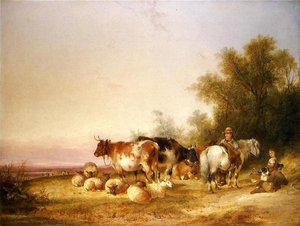
As his technique evolved, de Haas became particularly renowned for his ability to imbue animal subjects with a sense of quiet dignity. His depictions of cattle—often grazing in lush, sun-dappled meadows or standing stoically against a darkening sky—are hallmarks of his oeuvre. He possessed a rare talent for capturing the weight and musculature of livestock, yet he never allowed the anatomical precision to overshadow the emotional resonance of the scene. Through his brush, a simple young bull or a resting herd becomes a symbol of the enduring, peaceful relationship between man, beast, and the land. His work reflects a deep-seated respect for the pastoral life, celebrating the serene beauty of rural Holland with a sincerity that resonates across generations.
Legacy of a Quiet Observer
The historical significance of Johannes Hubertus Leonardus de Haas lies in his contribution to the broader narrative of Dutch Impressionism and the Hague School. Though he may not have sought the avant-garde provocations of his more famous contemporaries, his commitment to capturing the "mood" of a landscape helped solidify the aesthetic identity of his era. His ability to balance the meticulous detail of his training with the soft, atmospheric textures of the Barbizon style allowed him to create works that feel both grounded in reality and elevated by poetic light.
Today, de Haas is remembered as an artist who found greatness in the understated. His legacy is preserved in the quiet strength of his compositions and the enduring charm of his pastoral visions. To look upon a de Haas painting is to step into a world where time slows down, inviting the viewer to appreciate the subtle shifts in a summer afternoon or the tranquil presence of life in the Dutch meadows. His work remains a testament to the power of observation and the beauty found in the most humble corners of the natural world.
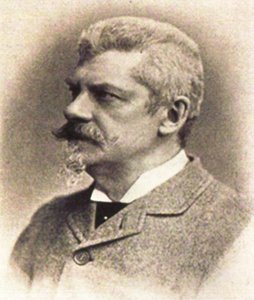
Johannes Hubertus Leonardus de Haas
1832 - 1908 , Netherlands
Основные сведения
- Artistic Movement Or Style: Hague School; Barbizon school
- Artists Or Movements Influenced By This Artist: ['Barbizon School']
- Artists Who Influenced This Artist:
- Johannes Warnardus Bilders
- Paul Gabriel
- Hendrik Dirk Kruseman van Elten
- Date Of Birth: 1832
- Date Of Death: 1908
- Full Name: Johannes Hubertus Leonardus de Haas
- Nationality: Dutch
- Notable Artworks:
- Young Bull
- Life, The Market Place
- Place Of Birth: Hedel, Netherlands