

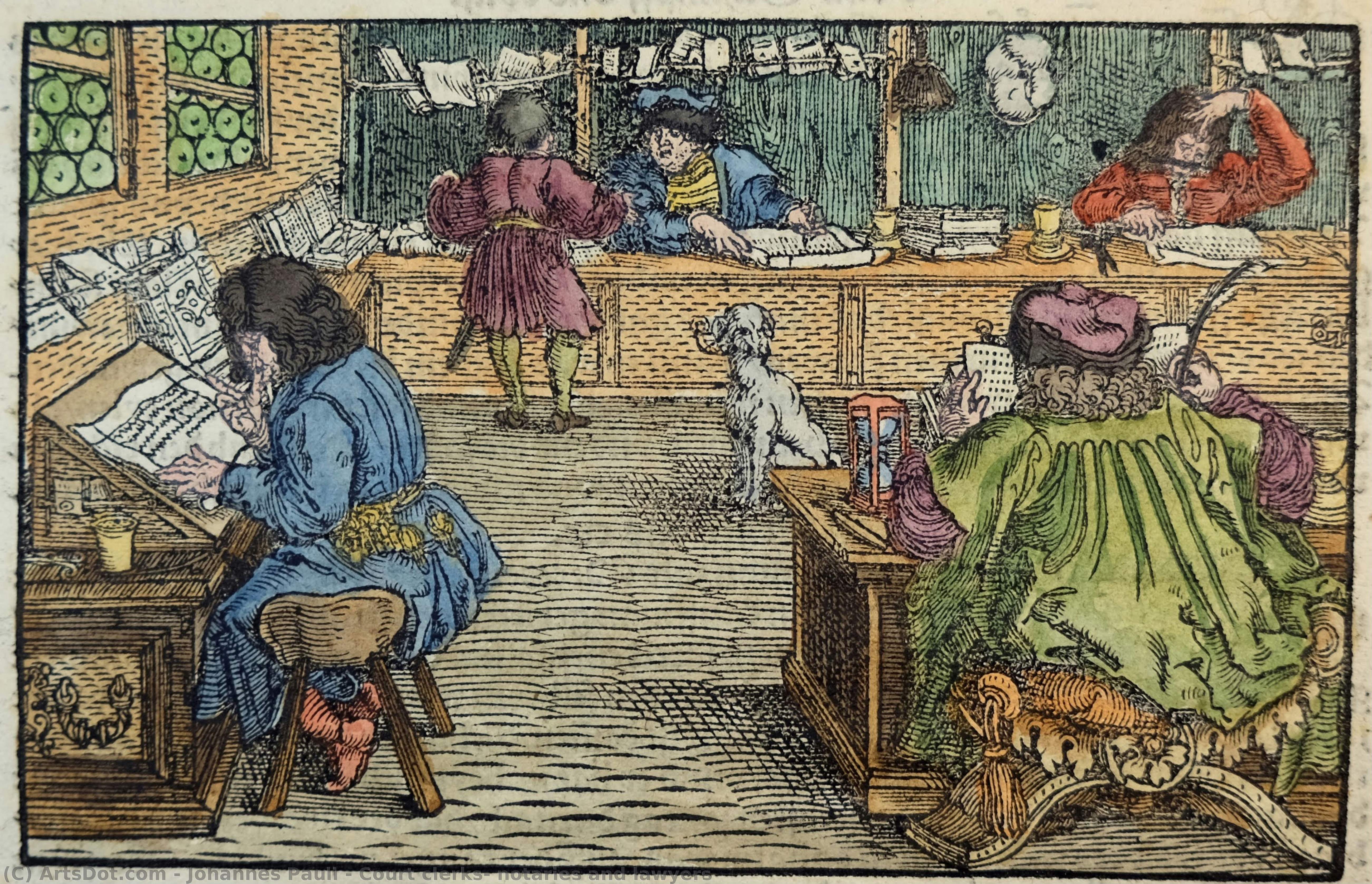
 Предпросмотр
 Поделиться
 Поделиться
 Детали произведения

 Скачать
 Похожие работы
 Рентгенография
 Слайд-шоу
 Статистика
Court clerks, notaries and lawyers

 Читать далее
Приобретите цифровое изображение высокого разрешения в улучшенном качестве, которое значительно превосходит онлайн-превью.
Каждый файл тщательно подготавливается нашими специалистами с использованием передовых инструментов и экспертной ручной ретуши. Мы гарантируем исключительную четкость, точную цветопередачу и детальную проработку каждого изображения.
Финальный файл доставляется по электронной почте в течение 72 часов и оптимизирован для немедленного использования в профессиональной среде, при верстке и печати. Это тот же уровень качества, которому доверяют ведущие дизайнерские студии, издательства и галереи.
Цифровое изображение
Скачайте файл высокого разрешения для личного использования, печати и творческих проектов. ( Перейти к печати Купить картину ручной работы)
Включено в каждый заказ цифровых изображений
Гарантия экспертной цифровой доставки
Выбирая ArtsDot.com, вы получаете не просто изображение — вы приобретаете профессионально обработанное цифровое произведение искусства, созданное с безупречной точностью и под защитой гарантии качества. Вот всё, что автоматически входит в ваш заказ:

Мгновенная доставка по e-mail
Ваш цифровой файл в высоком разрешении будет отправлен вам по электронной почте в течение 72 часов после оформления заказа — и сразу станет доступен для использования.

Цифровой файл с ИИ-улучшением
Ваше произведение искусства проходит профессиональную оптимизацию с использованием передовых инструментов ИИ и ручной обработки, что гарантирует максимальную детализацию, четкость и точность цветопередачи.

Бессрочная бесплатная повторная доставка
Случайно удалили или потеряли файл? Не беспокойтесь — мы отправим его вам повторно в любое время и совершенно бесплатно.

Без импортных пошлин — навсегда
Наслаждайтесь вашим произведением искусства мгновенно без таможенных пошлин, сборов или затрат на доставку — цифровые загрузки всегда не облагаются налогом.

Гарантия точности цветопередачи
Мы гарантируем, что ваше цифровое изображение максимально точно передает оригинальные цвета благодаря использованию профессиональных инструментов и систем управления цветом.

Гарантия удовлетворенности 100 дней
Если вы не будете удовлетворены своим цифровым изображением, мы внесем правки или вернем 100% стоимости в течение 100 дней — без лишних вопросов.

100% Гарантия возврата средств
Не удовлетворены покупкой? Получите полный возврат средств в течение 100 дней после получения цифрового файла — без лишних вопросов.

Скидки на оптовые заказы
Купите 3 изображения, сэкономьте 10% — Купите 5, сэкономьте 15% — Купите 10+, сэкономьте 20%. Отличное решение для творческих проектов, галерей и агентств.
Похожие произведения









Биография художника
A Voice from the Medieval Hearth: The Life and Legacy of Johannes Pauli
Johannes Pauli, born around 1455 in the small Franconian village of Pfettisheim, Germany, remains a fascinating yet somewhat enigmatic figure in the landscape of late medieval German literature. His life, pieced together from fragmented records and scholarly conjecture, reveals a man deeply embedded in the religious and social currents of his time—a Franciscan writer who sought to blend instruction with amusement, seriousness with jest. While details surrounding his early years are scarce, we know he pursued theological studies in Strasbourg before embracing the Franciscan order, becoming known as a charismatic preacher traveling through various church institutions and cities throughout southern Germany. This itinerant life undoubtedly exposed him to a diverse tapestry of stories, observations, and the everyday realities of common people—a wealth of material that would later form the core of his most enduring work.The Creation of ‘Schimpf und Ernst’: A Mirror to Society
Pauli’s lasting fame rests upon his collection of tales, ‘Schimpf und Ernst’ (roughly translated as “Reproof and Earnestness”), published in 1515. This wasn't a work born from scholarly isolation but rather a vibrant compilation of 693 jests, moral anecdotes, and farces drawn from ancient sources, medieval traditions, and the rich oral culture surrounding him. It’s a remarkably accessible text, written in plain language that resonated with a broad audience—from the literate elite to those who relied on public readings for entertainment and edification. The collection isn't simply a series of humorous stories; it functions as a keen social commentary, offering pointed satire on the foibles of human nature, the corruption within institutions, and the complexities of daily life. Pauli’s genius lay in his ability to cloak moral lessons within engaging narratives, making them palatable—and memorable—for his contemporaries. He didn't aim for high-brow philosophical discourse but instead sought to gently nudge readers towards self-reflection through laughter and relatable characters.Influences and Literary Context
Pauli did not operate in a vacuum. His work clearly demonstrates the influence of figures like Geiler von Kaisersberg, a Dominican preacher renowned for his own vivid sermons and moralizing tales. Geiler’s emphasis on using contemporary examples to illustrate theological points likely inspired Pauli's approach to storytelling. Furthermore, the broader tradition of medieval exempla—short illustrative stories used in sermons to reinforce ethical teachings—provided a structural foundation for ‘Schimpf und Ernst’. However, Pauli distinguished himself through his unique voice and his willingness to embrace humor as a primary pedagogical tool. He wasn’t merely retelling existing tales; he was actively shaping them, adapting them to his own purposes, and infusing them with a distinctly Franconian sensibility. The work also foreshadows elements of the Renaissance *fabliau*, though rooted in a more explicitly religious framework.Impact and Historical Significance
The immediate success of ‘Schimpf und Ernst’ is evidenced by its numerous printings and widespread circulation throughout the 16th century. It became a foundational text for German popular literature, influencing generations of writers and storytellers. Perhaps most notably, Pauli's work served as a significant source of inspiration for Elizabethan playwrights and authors in England. The “Hundred Merry Tales”, a collection of English stories published in the late 16th century, drew heavily from ‘Schimpf und Ernst’, demonstrating the enduring appeal—and transcultural reach—of Pauli’s narratives. Beyond its literary influence, Pauli's work offers invaluable insights into the social and cultural landscape of early modern Germany. It provides a window into the concerns, anxieties, and aspirations of ordinary people during a period of significant religious and political upheaval. His ability to capture the nuances of everyday life—the petty squabbles, the moral dilemmas, the simple joys—makes him a uniquely compelling voice from the medieval past. Pauli’s legacy isn't simply as a writer of humorous tales but as a chronicler of his time, a social commentator who used laughter as a means of prompting reflection and fostering a sense of shared humanity.
johannes pauli
1455 - 1530 , Germany
Основные сведения
- Artistic Movement Or Style: Medieval Literature
- Artists Or Movements Influenced By This Artist:
- Elizabethan Tales
- Hans Sachs
- Artists Who Influenced This Artist: ['Geiler of Kaisersberg']
- Date Of Birth: c. 1455
- Date Of Death: after 1530
- Full Name: Johannes Pauli
- Nationality: German
- Notable Artworks: ['Schimpf und Ernst']
- Place Of Birth: Pfettenheim, Germany