

 Предпросмотр
 Поделиться
 Поделиться
 Детали произведения

 Скачать
 Похожие работы
 Рентгенография
 Слайд-шоу
 Статистика
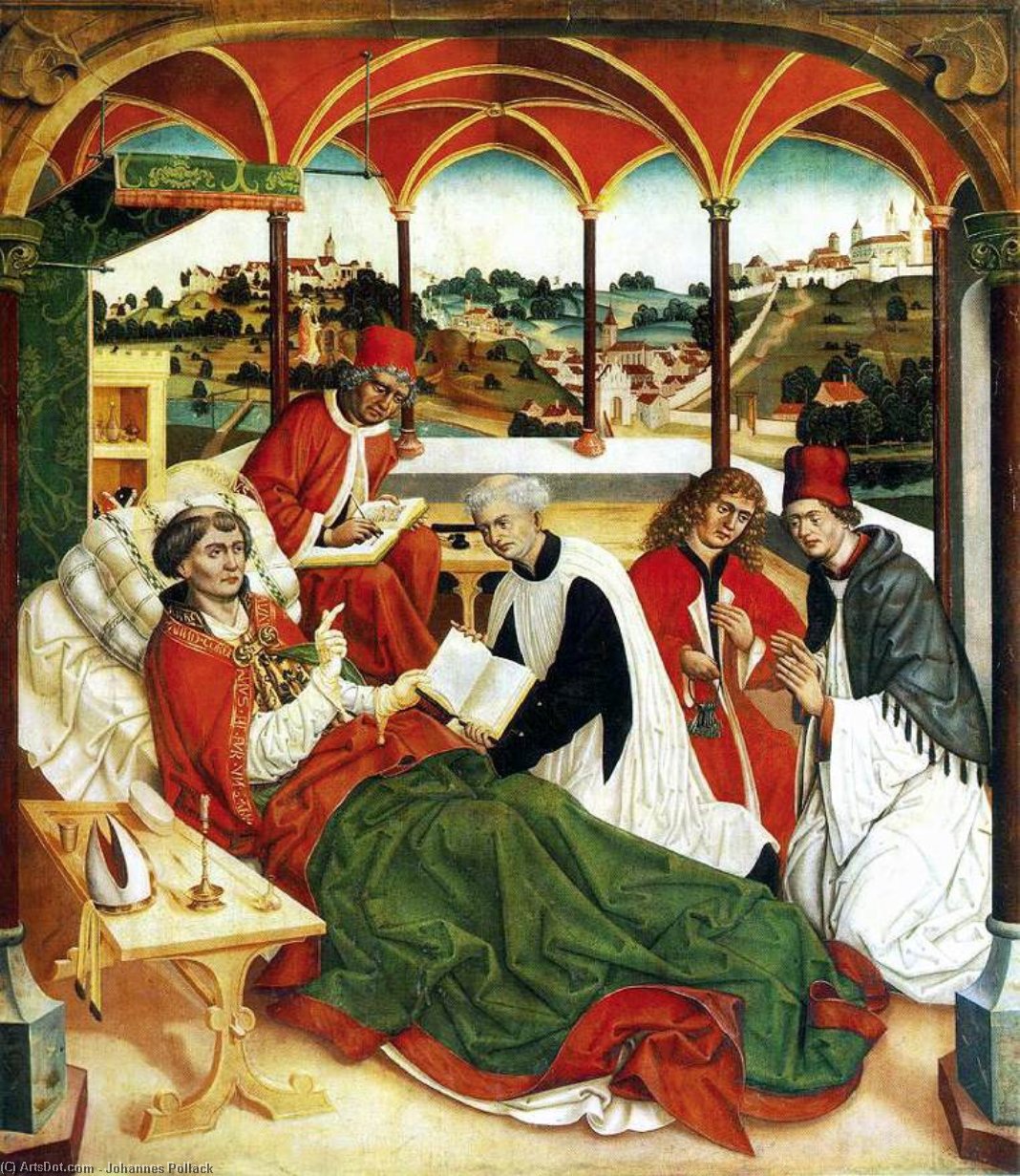
The Death of St Corbinian
 Oil On Canvas
- WallArt
- Renaissance
 1484
1484- Renaissance
 147.0 x 129.0 cm
 Альте Пинакотека
 Читать далее
Жикле / Арт-принт
Печать (жикле) или холст музейного качества с быстрыми сроками изготовления и широким выбором вариантов отделки. ( Купить картину ручной работы Перейти к цифровым изображениям)




P118B $10

P118H $10

P118W $10

P438Z $10

P508JH $12

P508YH $12

P805H $10

P805Z $10

P919BZ $10

P919G $10

P919XJ $10

P959ZH $10

P968JZ $12

W106C $8

W218G $10

W218JH $8

W218Y $10

W307PJ $10

W316G $10

W316PJ $8

W316Y $10

W398PJ $8

W4111J $10

W500HY $15

W500JH $15

W692G $12

W849H $8

W940BG $15

W953PJ $8




Выберите один из наших стандартных размеров, соответствующих оригинальным пропорциям произведения искусства.

Вы можете указать свои собственные размеры, чтобы репродукция идеально подошла под конкретную раму или пространство. Если выбранный вами размер не будет соответствовать пропорциям оригинала, мы либо обрежем произведение, либо дополним изображение зеркальным отражением краев или однотонной заливкой. Перед началом производства вам будет отправлен цифровой макет для утверждения.
Пожалуйста, обратите внимание, что предварительный просмотр на экране не отображает фактическую обрезку или расширение изображения. Только макет точно покажет финальную композицию.
Несмотря на возможность заказа индивидуальных размеров, мы рекомендуем выбирать размер из предопределенного списка, чтобы сохранить оригинальные пропорции.
Доставка по всему миру () за 2 недели вместо стандартных 4/5 недель. (12 Сентябрь)

Бесплатная экспресс-доставка по всему миру

Высококачественный льняной холст

Полное страхование доставки

Гарантия возмещения таможенных пошлин

Гарантия точного соответствия цветов

100-дневная политика возврата (только при обнаружении дефектов)

Гарантия возврата 100% средств

Предложение оптовых скидок
 Вариант со стеклом доступен только для размеров менее 110 см

The Death of St Corbinian
Жикле / Арт-принт
Размер репродукции
-


Итоговая стоимость
$ 62
Похожие произведения
Биография художника
Johannes Pollack: Bridging Cultures in Renaissance Krakow
Johannes Pollack, born around 1435 in Krakow, Poland – a city at the crossroads of Germanic and Slavic traditions – stands as one of the most remarkable figures of Polish Renaissance art. His life’s journey intertwined with monastic devotion and artistic innovation, leaving an indelible mark on the visual landscape of his era and establishing him as a pivotal link between Northern European stylistic currents and the burgeoning humanist spirit of Krakow.- Early Life & Monastic Formation: Pollack entered the Benedictine monastery of St Florian in Krakow at a young age, marking the beginning of a life dedicated to prayer and scholarship. This formative experience profoundly shaped his artistic sensibilities, instilling within him a deep appreciation for religious iconography and fostering an unwavering commitment to conveying spiritual truths through visual representation.
- Artistic Training & Influences: While biographical details remain scarce, Pollack’s artistic training undoubtedly benefited from the vibrant intellectual environment of Krakow. The humanist ideals championed by scholars like Nicolaus Copernicus and Marcin Kromer – emphasizing observation, reason, and human dignity – permeated the city's cultural discourse, influencing artists like Pollack to adopt innovative techniques and explore new expressive possibilities.
The Flowering of Krakow’s Artistic Vision: Style & Technique
Pollack’s artistic style exemplifies the distinctive blend characteristic of Krakow’s Renaissance. Drawing inspiration from Flemish masters such as Rogier van der Weyden and Hugo van der Goes, he skillfully employed oil paint – a relatively new medium at the time – to achieve unprecedented levels of realism and luminosity. His meticulous attention to detail—evident in depictions of drapery folds, facial expressions, and anatomical accuracy—demonstrates a mastery of observation that aligns perfectly with humanist principles.Religious Iconography & Spiritual Expression
Pollack’s artistic output consistently prioritized conveying spiritual messages. His depictions of saints, biblical scenes, and liturgical figures are imbued with a palpable sense of reverence and contemplation—reflecting the Benedictine monastic ethos that underpinned his life's work. Through carefully crafted gestures, facial expressions, and drapery designs, Pollack succeeded in capturing the essence of Christian faith, inviting viewers to engage in a dialogue with divine grace.Legacy & Historical Significance
Johannes Pollack’s contribution to Polish Renaissance art transcends mere stylistic innovation. He served as a beacon of humanist ideals within Krakow's artistic community and elevated St Florian Monastery to prominence as a center of artistic excellence. His enduring influence can be discerned in subsequent generations of Polish painters—who embraced his meticulous technique and expressive vision—solidifying his place among the foremost artists of his time and ensuring that his legacy continues to inspire admiration for centuries to come.
johannes pollack
1435 - 1519 , Poland
Основные сведения
- Artistic Movement Or Style: Renaissance painter
- Artists Who Influenced This Artist: ['Maurice Pollack']
- Date Of Birth: 1435
- Full Name: Johannes Pollack
- Nationality: Polish-German
- Notable Artworks: ['St Corbinian painting']
- Place Of Birth: Krakow, Poland
Похожие статьи

The Enduring Power of Painting: A Historical & Contemporary Exploration of Form and Emotion
Explore the rich history & enduring techniques of oil painting with ArtsDot. Discover masterpieces, learn about art collecting, and find authentic handmade reproductions crafted by skilled artists.

The Enduring Legacy of Oil on Canvas: Technique, History & Aesthetic Impact
Explore the rich history & techniques of oil painting – from Renaissance masters to Impressionism. Discover pigments, layering methods, and why this timeless medium endures. Expert insights for artists & art enthusiasts.
Эль Греко: 25 шедевров гения. Купить картины онлайн | ArtsDot
Погрузитесь в мир Эль Греко! 25 величайших шедевров испанского маньеризма. Узнайте историю создания культовых картин, технику и символизм. Купите репродукции высокого качества для вашего интерьера на ArtsDot.com.

Oil on Canvas: A Historical & Technical Exploration of a Timeless Artistic Medium
Explore the rich history & enduring techniques of oil painting on canvas. Discover the science behind its longevity, conservation practices, and contemporary relevance. Expert insights for art enthusiasts.
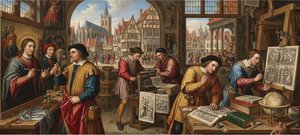
The Northern Renaissance: A Flourishing of Realism, Religious Reform & Artistic Innovation
Explore the Northern Renaissance! Discover Jan van Eyck's innovations, religious shifts, & key artists of this influential period. Expert analysis and insights into Early Netherlandish painting at ArtsDot.