

 Предпросмотр
 Поделиться
 Поделиться
 Детали произведения

 Скачать
 Похожие работы
 Рентгенография
 Слайд-шоу
 Статистика
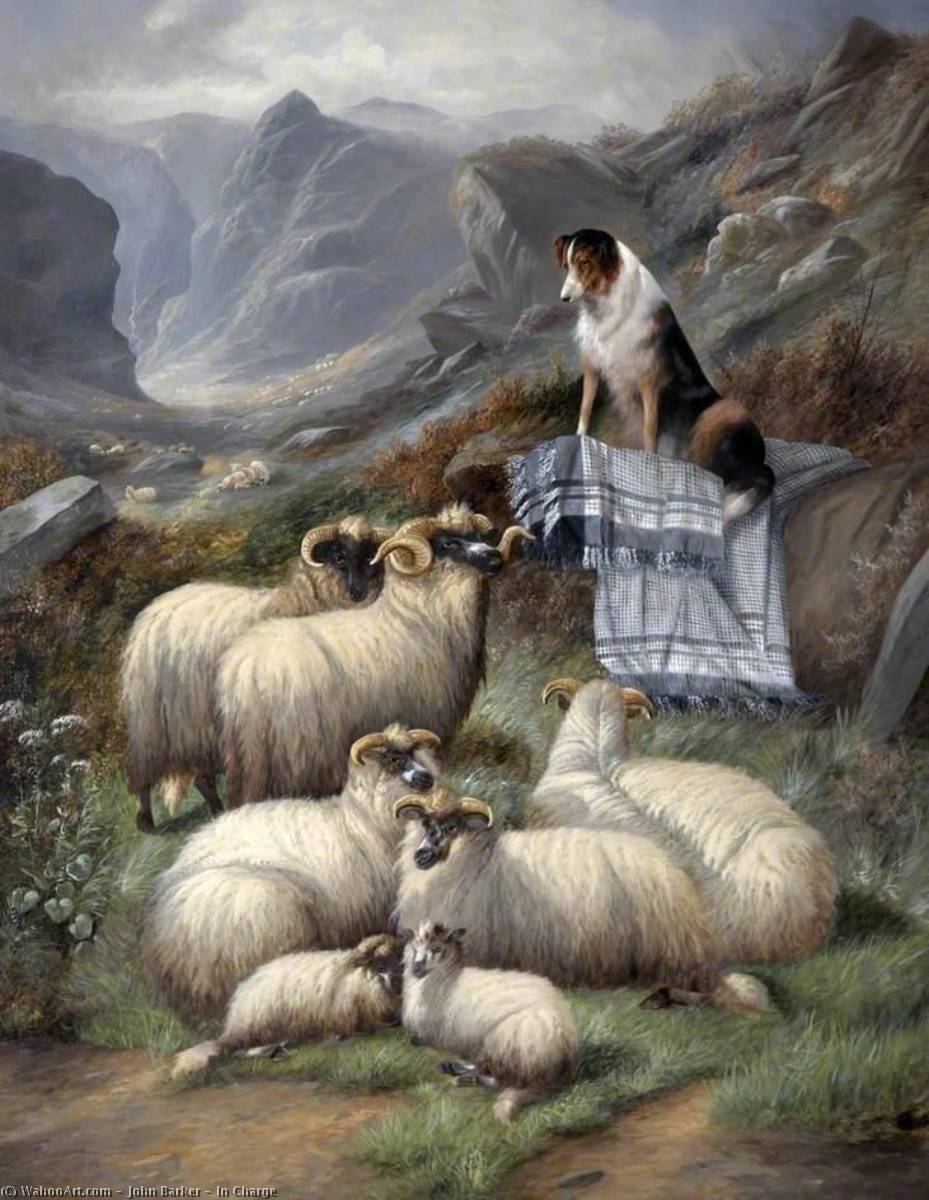
In Charge

 Читать далее
Масляная репродукция ручной работы
Картина маслом на холсте в выбранном вами размере и раме, написанная на заказ нашими художниками. ( Перейти к печати Перейти к цифровым изображениям)




































Выберите один из наших стандартных размеров, соответствующих оригинальным пропорциям произведения искусства.

Вы можете указать собственные размеры, чтобы картина идеально вписалась в выбранную раму или пространство. Если выбранный вами размер не соответствует пропорциям оригинала, мы либо обрежем полотно, либо расширим его за счет дополнительных элементов, написанных вручную. Цифровой макет будет отправлен вам на утверждение перед началом производства.
Обратите внимание, что предварительный просмотр на экране не отражает фактическую обрезку или расширение. Только макет точно покажет окончательную композицию.
Хотя доступны индивидуальные размеры, мы рекомендуем выбирать вариант из предопределенного списка, чтобы сохранить исходные пропорции.
После оформления заказа команда ArtsDot.com свяжется с клиентом по электронной почте для уточнения деталей и предоставит предварительный макет
Доставка по всему миру () за 3–4 недели вместо стандартных 5 недель. (11 Сентябрь). Без компромиссов в качестве.

Бесплатная экспресс-доставка по всему миру

Высококачественный льняной холст

Полное страхование доставки

Гарантия возмещения таможенных пошлин

Гарантия точного соответствия цветов

100-дневная политика возврата (только при обнаружении дефектов)

Гарантия возврата 100% средств

Предложение оптовых скидок
 Вариант со стеклом доступен только для размеров менее 110 см

In Charge
Техника репродукции
Размер репродукции
-


Итоговая стоимость
$ 263
Похожие произведения







Биография художника
The Pastoral Vision of John Barker
In the heart of the Victorian era, a period often defined by the soot and clamor of the Industrial Revolution, the works of John Barker (1824–1904) offered a profound sanctuary of stillness. Born in Coventry in 1824, Barker emerged as a painter who looked away from the encroaching urban sprawl to find his muse in the enduring rhythms of the countryside. His artistic journey was one of intentional retreat, seeking out the quiet dignity of Scottish landscapes and the gentle movements of pastoral life. While the world around him accelerated toward modernity, Barker’s brush remained dedicated to the timelessness of rural traditions, capturing farm scenes, animal portraits, and the simple, unadorned beauty of ordinary people.
Barker’s early life was shaped by a foundation of craftsmanship and keen observation. The son of Richard Church, a draper, he grew up in an environment where the nuances of texture and detail were deeply valued. This upbringing likely fostered his ability to render the tangible realities of his subjects with remarkable sensitivity. His artistic development was further enriched by his formal training under William Laidlaw Symonds at the Melville Institution, where he mastered the rigorous technical precision required of a formal academic painter. This early discipline provided him with the essential tools to capture light and texture with an almost photographic fidelity, laying the groundwork for a career defined by both accuracy and emotion.
A Journey Through Light and Landscape
The evolution of Barker’s style was profoundly influenced by his travels across the European continent. His immersion in the artistic atmosphere of Italy, particularly within the sun-drenched landscapes of Florence and Rome, breathed a new, romantic vitality into his brushwork. In these Mediterranean settings, he encountered the lingering echoes of masters like Turner and Constable, learning how to weave atmospheric perspective and soft, emotive light into his compositions. This exposure allowed him to transcend mere documentation, moving toward a style that utilized thin, translucent washes of color over textured underpaintings—a meticulous glazing method that imbued his canvases with a warm, luminous glow.
What distinguishes a Barker painting is not the presence of grand historical drama, but rather the profound beauty found in the mundane. He possessed a rare ability to elevate commonplace scenes into moments of timeless significance. His repertoire included:
- Scottish Landscapes: Capturing misty hillsides and picturesque villages with remarkable accuracy.
- Pastoral Genre Scenes: Depicting shepherds tending flocks or farmers guiding hay carts with an intimate grace.
- Animal Portraits: Rendering livestock and working animals with a sense of character and life.
Legacy and Historical Significance
Throughout his prolific career, Barker produced over 300 paintings that serve as a poetic tribute to the simplicity of rural existence. His work became a vital record of a vanishing way of life, preserving the textures of the Scottish countryside and the quietude of the Victorian pastoral ideal. Today, his canvases are housed in prestigious museums across Britain and Ireland, where they continue to resonate with viewers seeking a connection to the natural world. The historical significance of John Barker lies in his ability to act as a bridge between the meticulous realism of his training and the emotive, atmospheric qualities of the Romantic movement, leaving behind a legacy of pastoral serenity that remains as captivating today as it was in the nineteenth century.

Основные сведения
- Artistic Movement Or Style: Genre Painting
- Artists Or Movements Influenced By This Artist: ['Romanticism']
- Artists Who Influenced This Artist: ['Joshua Reynolds']
- Date Of Birth: 1824
- Date Of Death: 1904
- Full Name: John Joseph Barker
- Nationality: British
- Notable Artworks: ['The Hay Cart']
- Place Of Birth: Coventry, England