

 Предпросмотр
 Поделиться
 Поделиться
 Детали произведения

 Скачать
 Похожие работы
 Рентгенография
 Слайд-шоу
 Статистика
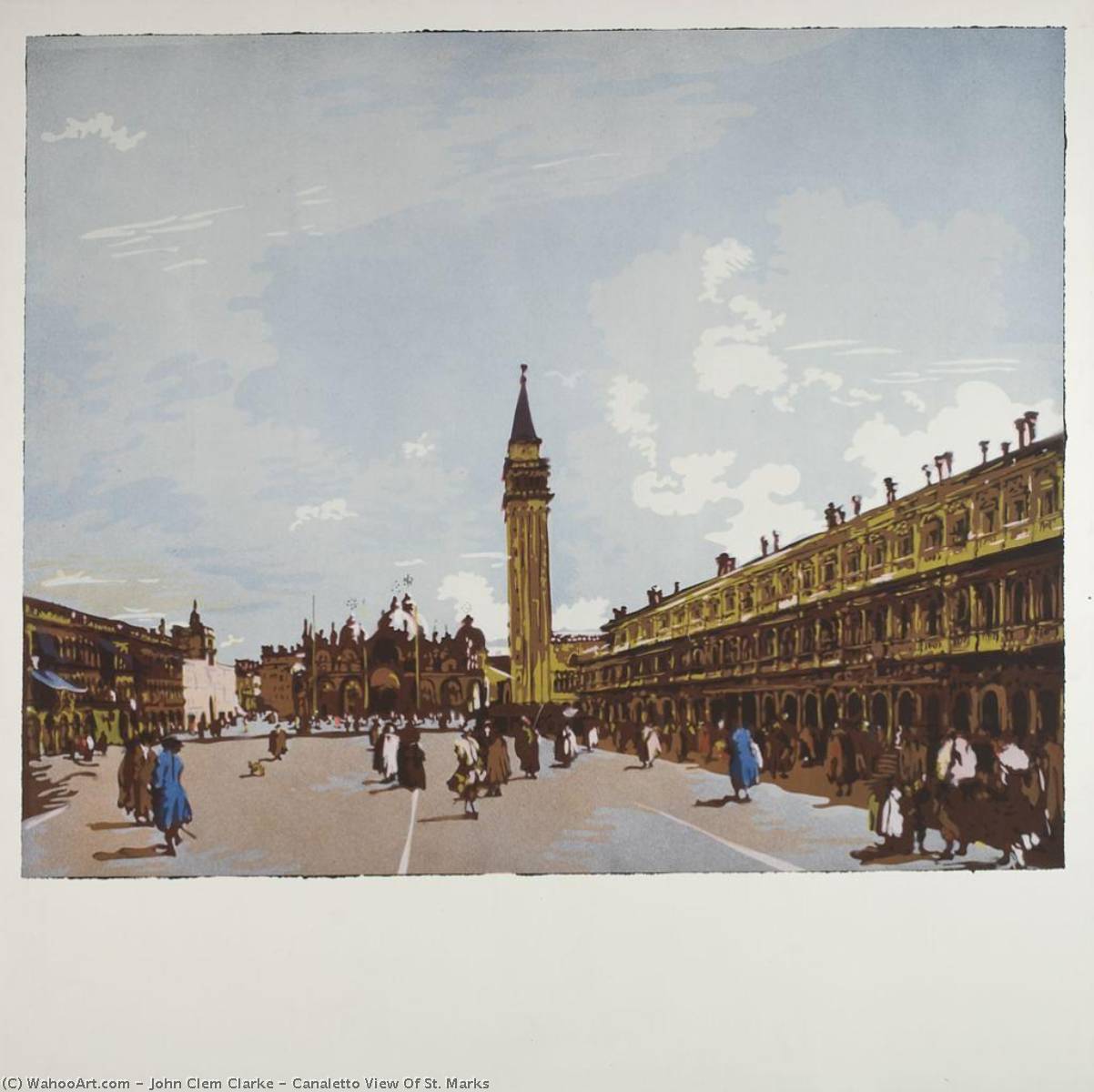
Canaletto View Of St. Marks
 1968
1968 173.0 x 173.0 cm
 Читать далее
Приобретите цифровое изображение высокого разрешения в улучшенном качестве, которое значительно превосходит онлайн-превью.
Каждый файл тщательно подготавливается нашими специалистами с использованием передовых инструментов и экспертной ручной ретуши. Мы гарантируем исключительную четкость, точную цветопередачу и детальную проработку каждого изображения.
Финальный файл доставляется по электронной почте в течение 72 часов и оптимизирован для немедленного использования в профессиональной среде, при верстке и печати. Это тот же уровень качества, которому доверяют ведущие дизайнерские студии, издательства и галереи.
Цифровое изображение
Скачайте файл высокого разрешения для личного использования, печати и творческих проектов. ( Перейти к печати Купить картину ручной работы)
Включено в каждый заказ цифровых изображений
Гарантия экспертной цифровой доставки
Выбирая ArtsDot.com, вы получаете не просто изображение — вы приобретаете профессионально обработанное цифровое произведение искусства, созданное с безупречной точностью и под защитой гарантии качества. Вот всё, что автоматически входит в ваш заказ:

Мгновенная доставка по e-mail
Ваш цифровой файл в высоком разрешении будет отправлен вам по электронной почте в течение 72 часов после оформления заказа — и сразу станет доступен для использования.

Цифровой файл с ИИ-улучшением
Ваше произведение искусства проходит профессиональную оптимизацию с использованием передовых инструментов ИИ и ручной обработки, что гарантирует максимальную детализацию, четкость и точность цветопередачи.

Бессрочная бесплатная повторная доставка
Случайно удалили или потеряли файл? Не беспокойтесь — мы отправим его вам повторно в любое время и совершенно бесплатно.

Без импортных пошлин — навсегда
Наслаждайтесь вашим произведением искусства мгновенно без таможенных пошлин, сборов или затрат на доставку — цифровые загрузки всегда не облагаются налогом.

Гарантия точности цветопередачи
Мы гарантируем, что ваше цифровое изображение максимально точно передает оригинальные цвета благодаря использованию профессиональных инструментов и систем управления цветом.

Гарантия удовлетворенности 100 дней
Если вы не будете удовлетворены своим цифровым изображением, мы внесем правки или вернем 100% стоимости в течение 100 дней — без лишних вопросов.

100% Гарантия возврата средств
Не удовлетворены покупкой? Получите полный возврат средств в течение 100 дней после получения цифрового файла — без лишних вопросов.

Скидки на оптовые заказы
Купите 3 изображения, сэкономьте 10% — Купите 5, сэкономьте 15% — Купите 10+, сэкономьте 20%. Отличное решение для творческих проектов, галерей и агентств.
Похожие произведения






Биография художника
John Clem Clarke: Weaver of Lost Masterpieces
The SoHo art scene of the 1970s was a crucible, forging a unique aesthetic from the detritus of consumer culture and the echoes of artistic tradition. Within this vibrant landscape emerged John Clem Clarke (June 6, 1937 – June 5, 2021), an American painter and graphic artist who didn’t simply replicate the past; he interrogated it, re-imagined it, and imbued it with a distinctly modern sensibility. Clarke wasn't interested in faithful reproduction; instead, he sought to distill the essence of iconic paintings – from Renaissance masters to 19th-century Romantic landscapes – into evocative, layered stencils that captured not just form but also feeling. His work, often described as “Pop Art with a twist,” became a defining characteristic of his era and continues to fascinate viewers today.
Born in Bend, Oregon, Clarke’s early life instilled in him a deep appreciation for the natural world and a grounding in rural values. His father's farm provided a stark contrast to the burgeoning urban art scene he would eventually join, yet this duality—the quiet strength of the land versus the frenetic energy of New York City – undoubtedly informed his artistic vision. He pursued his passion at Oregon State University, where he excelled as a football player before transferring to the University of Oregon to study fine arts. It was during these formative years that Clarke began experimenting with techniques that would become central to his distinctive style: the meticulous creation of stencils and the strategic application of paint to achieve surprising effects.
The Stencil Technique & Reinterpretation
Clarke’s process was both deceptively simple and remarkably complex. He began by projecting images of classic paintings onto a large sheet of plywood, meticulously tracing each detail with a projector. This created an intricate network of stencils – hundreds, sometimes thousands – that he then used to apply paint to the canvas. Crucially, Clarke didn’t aim for photographic accuracy; instead, he employed a technique of “deconstruction,” selectively removing or altering elements within the original image. He might strip away skin tones in portraits, replace figures with contemporary models, or introduce graphic elements like arrows and speech bubbles – interventions that disrupted the narrative and invited new interpretations.
This approach wasn’t merely about stylistic novelty; it was a deliberate commentary on the nature of art itself. Clarke viewed his reinterpretations as a conversation between past and present, challenging viewers to reconsider their assumptions about artistic value and originality. As David L. Shirley wrote in *The New York Times*, “He manages to do everything but cover up the David image, but does not offend it. Mr. Clarke magically merges the past and the present.” His work became a potent symbol of the era’s fascination with appropriation and remix culture – concepts that would later become defining features of contemporary art.
Key Works & Recognition
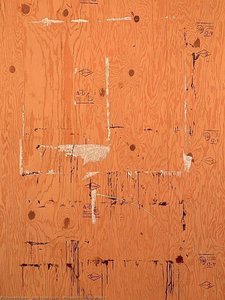
Several of Clarke's works stand out as particularly compelling examples of his unique vision. “Manet Bar At The Folies Bergere,” a striking black-and-white stencil reproduction of Édouard Manet’s bustling Parisian scene, exemplifies his ability to capture the energy and atmosphere of the original while simultaneously injecting it with a distinctly modern sensibility. Similarly, his reimagining of Peter Paul Rubens' "The Judgment of Paris" – replacing the mythological figures with bronzed, poolside models – is both visually arresting and conceptually provocative. “Plywood With Roller Marks 5” showcases his early experimentation with stenciling techniques, demonstrating the evolution of his process.
Clarke’s work gained significant recognition during the 1973 Whitney Biennial, a notoriously influential exhibition that helped launch the careers of many emerging artists. The inclusion of his reinterpretations alongside works by Warhol and Lichtenstein solidified his position as a key figure in the Pop Art movement – albeit one who approached the subject matter with a unique perspective. His work has since been exhibited at numerous museums, including the Museum of Modern Art and the Metropolitan Museum of Art, cementing its place within the canon of American art.
Legacy & Influence
John Clem Clarke’s death in 2021 marked the end of an era. He was a vital part of the SoHo art scene, and his work continues to resonate with artists and audiences today. His innovative use of stencils, his willingness to challenge artistic conventions, and his ability to imbue classic paintings with new meaning have left a lasting legacy. Clarke’s influence can be seen in the work of countless contemporary artists who continue to explore themes of appropriation, remix culture, and the relationship between past and present. He demonstrated that art could be both playful and profound, accessible and intellectually stimulating – a testament to his unique artistic vision.
His final works, created in the years leading up to his death, further explored the possibilities of digital printing and expanded on his established aesthetic. These later pieces, often characterized by intricate layering and vibrant color palettes, represent a culmination of his decades-long career and offer a fascinating glimpse into the mind of an artist who never stopped pushing boundaries.
john clem clarke
1937 -
Основные сведения
- Artistic Movement Or Style: Pop Art, Stencil Painting
- Artists Or Movements Influenced By This Artist:
- Pop Art
- Contemporary Art
- Artists Who Influenced This Artist:
- Andy Warhol
- Roy Lichtenstein
- Robert Rauschenberg
- Date Of Birth: June 6, 1937
- Date Of Death: June 5, 2021
- Full Name: John Clem Clarke
- Nationality: American
- Notable Artworks:
- Manet Bar At Folies Bergere
- Canaletto View St. Marks
- Plywood With Roller Marks 5
- Place Of Birth: Bend, Oregon, USA