

 Поделиться
 Поделиться
 Детали произведения

 Скачать
 Похожие работы
 Слайд-шоу
 Статистика
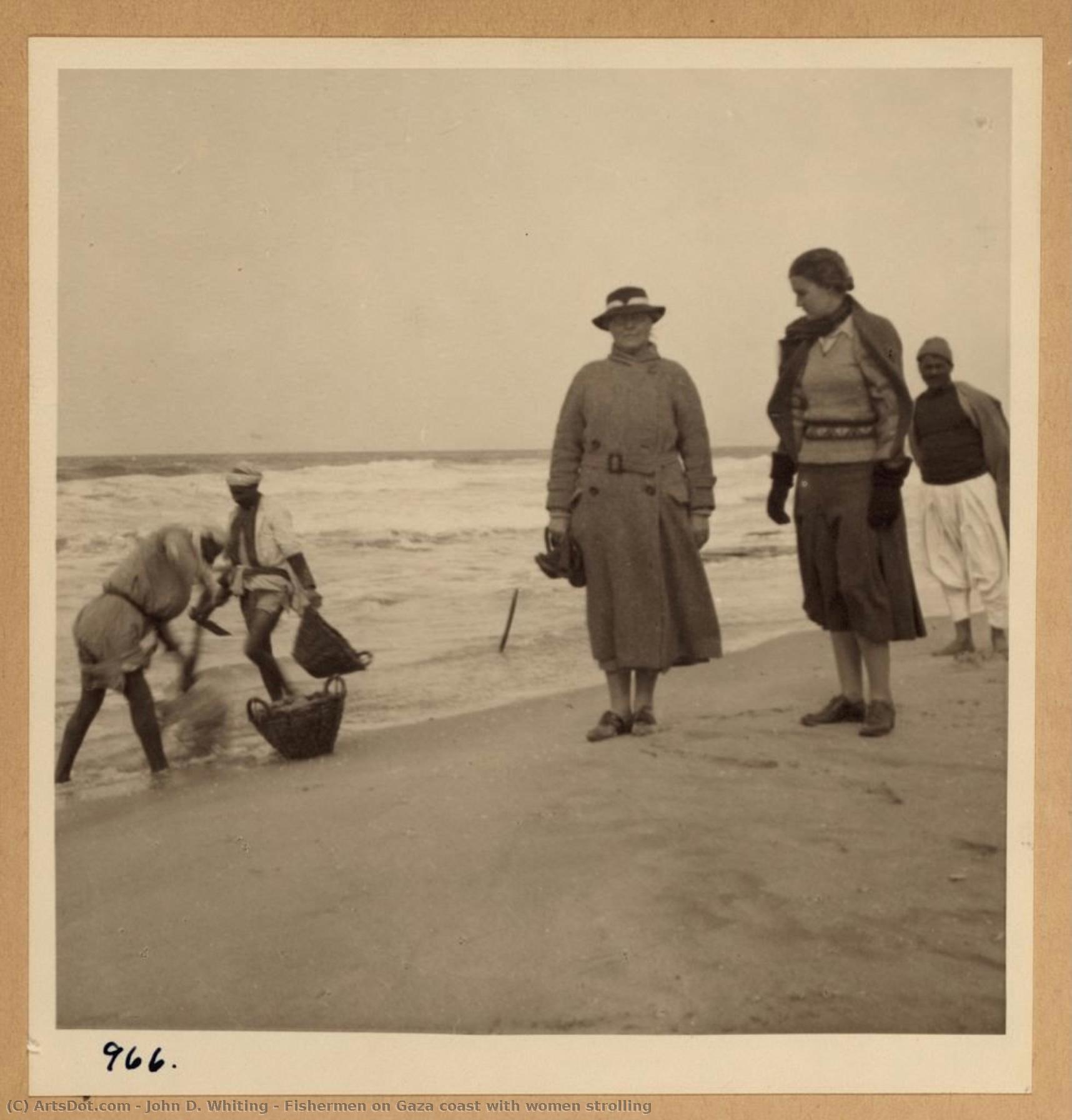
Fishermen on Gaza coast with women strolling


 Читать далее
Приобретите цифровое изображение высокого разрешения в улучшенном качестве, которое значительно превосходит онлайн-превью.
Каждый файл тщательно подготавливается нашими специалистами с использованием передовых инструментов и экспертной ручной ретуши. Мы гарантируем исключительную четкость, точную цветопередачу и детальную проработку каждого изображения.
Финальный файл доставляется по электронной почте в течение 72 часов и оптимизирован для немедленного использования в профессиональной среде, при верстке и печати. Это тот же уровень качества, которому доверяют ведущие дизайнерские студии, издательства и галереи.
Цифровое изображение
Скачайте файл высокого разрешения для личного использования, печати и творческих проектов. ( Перейти к печати Купить картину ручной работы)
Включено в каждый заказ цифровых изображений
Гарантия экспертной цифровой доставки
Выбирая ArtsDot.com, вы получаете не просто изображение — вы приобретаете профессионально обработанное цифровое произведение искусства, созданное с безупречной точностью и под защитой гарантии качества. Вот всё, что автоматически входит в ваш заказ:

Мгновенная доставка по e-mail
Ваш цифровой файл в высоком разрешении будет отправлен вам по электронной почте в течение 72 часов после оформления заказа — и сразу станет доступен для использования.

Цифровой файл с ИИ-улучшением
Ваше произведение искусства проходит профессиональную оптимизацию с использованием передовых инструментов ИИ и ручной обработки, что гарантирует максимальную детализацию, четкость и точность цветопередачи.

Бессрочная бесплатная повторная доставка
Случайно удалили или потеряли файл? Не беспокойтесь — мы отправим его вам повторно в любое время и совершенно бесплатно.

Без импортных пошлин — навсегда
Наслаждайтесь вашим произведением искусства мгновенно без таможенных пошлин, сборов или затрат на доставку — цифровые загрузки всегда не облагаются налогом.

Гарантия точности цветопередачи
Мы гарантируем, что ваше цифровое изображение максимально точно передает оригинальные цвета благодаря использованию профессиональных инструментов и систем управления цветом.

Гарантия удовлетворенности 100 дней
Если вы не будете удовлетворены своим цифровым изображением, мы внесем правки или вернем 100% стоимости в течение 100 дней — без лишних вопросов.

100% Гарантия возврата средств
Не удовлетворены покупкой? Получите полный возврат средств в течение 100 дней после получения цифрового файла — без лишних вопросов.

Скидки на оптовые заказы
Купите 3 изображения, сэкономьте 10% — Купите 5, сэкономьте 15% — Купите 10+, сэкономьте 20%. Отличное решение для творческих проектов, галерей и агентств.
A Window into a Vanished Era
In the quiet, silvered tones of John D. Whiting’s 1937 photograph, Fishermen on Gaza coast with women strolling, we are invited to step through a temporal portal into the Levant of the early twentieth century. This evocative black and white composition captures a fleeting moment of coastal life under the British Mandate, where the rhythmic pulse of the Mediterranean meets the daily rhythms of human existence. The scene is far more than a mere documentation of geography; it is a poetic study of coexistence and the gentle intersection of labor and leisure. As the eye wanders across the sandy expanse, one encounters a delicate balance between the industrious fishermen tending to their maritime heritage and the graceful presence of women strolling along the shore, creating a narrative of a community deeply connected to its environment.
The technical mastery of Whiting, an artist-anthropologist trained at Yale, is evident in the way he utilizes light and shadow to breathe life into the monochromatic landscape. The photograph possesses a profound depth, achieved through the subtle gradations of grey that define the texture of the sand, the frothing edge of the tide, and the distant horizon. There is a remarkable sense of movement captured within the stillness; the presence of a dog wandering near the center of the frame adds an element of spontaneous vitality, suggesting a world that is lived-in, breathing, and unscripted. For the discerning collector, this piece offers a sophisticated interplay of light that can serve as a focal point in any curated space, providing a sense of historical weight and atmospheric calm.
The Soul of the Levant: Context and Emotion
To look upon this work is to engage with the ethnographic soul of Palestine during a transformative period of history. Whiting’s unique perspective—shaped by his rigorous academic background in sociology and anthropology—allows him to capture the dignity of the subjects without the intrusive gaze of a stranger. The composition feels organic, as if the viewer is merely another passerby on the Gaza coast. The inclusion of the woman in her hat provides a touch of elegance and a connection to the broader social fabric of the era, bridging the gap between the rugged life of the sea and the social customs of the land.
For interior designers and lovers of fine art, this reproduction offers an unparalleled opportunity to introduce a sense of nostalgic storytelling into a modern environment. The emotional impact of the piece lies in its quietude; it evokes a longing for a simpler, more grounded era where the boundaries between man, nature, and animal were harmoniously blurred. Whether placed in a sun-drenched study or a minimalist gallery setting, Fishermen on Gaza coast with women strolling acts as a meditative anchor, inviting contemplation on the enduring beauty of human connection and the ephemeral nature of time itself.
Похожие произведения


Биография художника
The Ethnographic Eye: The Life and Legacy of John D. Whiting
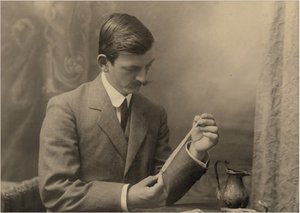
In the delicate intersection of scientific inquiry and artistic expression lived John D. Whiting, a man whose lens captured the fleeting soul of a vanishing era. Born in 1908 in the quiet, rural landscape of Chilmark, Massachusetts, Whiting possessed an innate curiosity that would eventually lead him far from the shores of New England to the sun-drenched, complex landscapes of Mandate Palestine. His intellectual foundation was forged at Yale University, where he pursued a rigorous academic path, earning his Bachelor of Arts in 1931 and later a Ph.D. in Sociology and Anthropology in 1938. This scholarly background provided more than just academic prestige; it gifted him with a profound, disciplined way of seeing—a method that allowed him to approach the camera not merely as a spectator, but as a chronicler of human social dynamics and psychological depth.
Whiting’s most significant contribution to the visual record of the twentieth century emerged through his leadership within the American Colony Photo Department in Jerusalem. Taking the helm in 1934, he transformed the department into a vital instrument of ethnographic documentation. His work during this period was characterized by an intimate, almost poetic engagement with his subjects. Through his celebrated “Diary in Photos” series, spanning from 1934 to 1939, Whiting captured the rhythmic pulse of daily life under British rule. He did not merely photograph landscapes or architecture; he sought the human narrative within them, documenting family relationships, cultural traditions, and the subtle shifts in a society caught in the tides of colonial transition.
A Visual Symphony of Culture and Connection
The artistry of Whiting lies in his ability to blend the clinical precision of an anthropologist with the emotive sensitivity of a fine artist. His photographs often possess a timeless quality, stripping away the political noise of the era to reveal universal truths about the human condition. Whether capturing the lively, salt-sprayed atmosphere of fishermen and strolling women on the Gaza coast in 1937 or documenting the focused intensity of a live sculpting session of an Arab man, his work radiates a deep respect for his subjects. There is a palpable sense of presence in his compositions, where light and shadow serve to elevate mundane moments into historical monuments.
His technical mastery was often applied to themes that explored the very essence of identity and development. His interest in psychological anthropology allowed him to look beyond the surface of a portrait, seeking to understand the social structures and individual spirits that defined the region. This dual perspective—the ability to observe the macro-level shifts in Palestinian society while remaining attuned to the micro-level nuances of personal interaction—is what renders his archive so indispensable to historians and art lovers alike. His work serves as a bridge between the scientific record and the emotional memory of a landscape that has since undergone profound and irreversible change.
Historical Significance and Enduring Impact
Though his life was tragically short, ending in 1951, the impact of John D. Whiting’s vision continues to resonate through the decades. He remains a pivotal figure for those studying the intersection of photography and anthropology, providing a visual vocabulary for an era that is often difficult to reconstruct through text alone. His legacy is found in the quiet dignity of his portraits and the sweeping, atmospheric vistas of a Levant in flux.
The enduring value of his body of work can be summarized through several key pillars:
- Documentary Precision: His role in the American Colony Photo Department ensured a high-fidelity visual record of Mandate Palestine.
- Interdisciplinary Mastery: He successfully merged the rigorous methodologies of Yale-trained sociology with the evocative power of photographic art.
- Cultural Preservation: Through his “Diary in Photos,” he preserved the ephemeral customs, clothing, and social rituals of a period of immense historical transition.
- Humanistic Perspective: His work transcends mere documentation, offering an empathetic window into the shared experiences of childhood, labor, and community.
John D. Whiting
1908 - 1951 , United States of America
Основные сведения
- Artistic Movement Or Style: Photography
- Artists Or Movements Influenced By This Artist: ['Lewis Larsson']
- Artists Who Influenced This Artist:
- G. Eric Matson
- Joseph H. Giries
- Date Of Birth: 1908 Chilmark, United States
- Date Of Death: 1951
- Full Name: John D. Whiting
- Nationality: American
- Notable Artworks: ['Diary in Photos']
- Place Of Birth: Martha’s Vineyard, Massachusetts