

 Предпросмотр
 Поделиться
 Поделиться
 Детали произведения

 Скачать
 Похожие работы
 Рентгенография
 Слайд-шоу
 Статистика
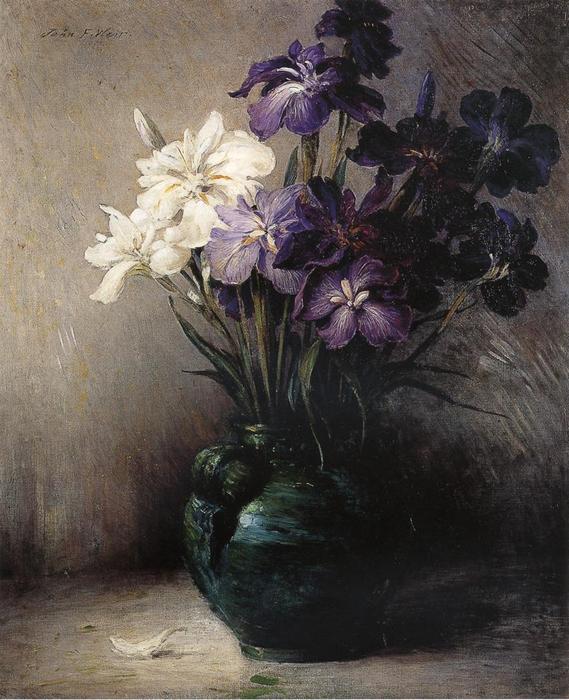
Japanese Iris - Six Varieties
 Читать далее
Приобретите цифровое изображение высокого разрешения в улучшенном качестве, которое значительно превосходит онлайн-превью.
Каждый файл тщательно подготавливается нашими специалистами с использованием передовых инструментов и экспертной ручной ретуши. Мы гарантируем исключительную четкость, точную цветопередачу и детальную проработку каждого изображения.
Финальный файл доставляется по электронной почте в течение 72 часов и оптимизирован для немедленного использования в профессиональной среде, при верстке и печати. Это тот же уровень качества, которому доверяют ведущие дизайнерские студии, издательства и галереи.
Цифровое изображение
Скачайте файл высокого разрешения для личного использования, печати и творческих проектов. ( Перейти к печати Купить картину ручной работы)
Включено в каждый заказ цифровых изображений
Гарантия экспертной цифровой доставки
Выбирая ArtsDot.com, вы получаете не просто изображение — вы приобретаете профессионально обработанное цифровое произведение искусства, созданное с безупречной точностью и под защитой гарантии качества. Вот всё, что автоматически входит в ваш заказ:

Мгновенная доставка по e-mail
Ваш цифровой файл в высоком разрешении будет отправлен вам по электронной почте в течение 72 часов после оформления заказа — и сразу станет доступен для использования.

Цифровой файл с ИИ-улучшением
Ваше произведение искусства проходит профессиональную оптимизацию с использованием передовых инструментов ИИ и ручной обработки, что гарантирует максимальную детализацию, четкость и точность цветопередачи.

Бессрочная бесплатная повторная доставка
Случайно удалили или потеряли файл? Не беспокойтесь — мы отправим его вам повторно в любое время и совершенно бесплатно.

Без импортных пошлин — навсегда
Наслаждайтесь вашим произведением искусства мгновенно без таможенных пошлин, сборов или затрат на доставку — цифровые загрузки всегда не облагаются налогом.

Гарантия точности цветопередачи
Мы гарантируем, что ваше цифровое изображение максимально точно передает оригинальные цвета благодаря использованию профессиональных инструментов и систем управления цветом.

Гарантия удовлетворенности 100 дней
Если вы не будете удовлетворены своим цифровым изображением, мы внесем правки или вернем 100% стоимости в течение 100 дней — без лишних вопросов.

100% Гарантия возврата средств
Не удовлетворены покупкой? Получите полный возврат средств в течение 100 дней после получения цифрового файла — без лишних вопросов.

Скидки на оптовые заказы
Купите 3 изображения, сэкономьте 10% — Купите 5, сэкономьте 15% — Купите 10+, сэкономьте 20%. Отличное решение для творческих проектов, галерей и агентств.
Похожие произведения






Биография художника
John Ferguson Weir - A Legacy Forged in Fire and Light: The Life and Art of John Ferguson Weir
John Ferguson Weir, born August 28, 1841, at West Point, New York, was a figure deeply embedded within the artistic currents of 19th-century America. His life unfolded as a fascinating interplay between familial legacy, industrial innovation, and academic dedication—a constellation mirrored in the careers of his brother, J. Alden Weir, and father, Robert Walter Weir. As the son of Robert Walter Weir, a long-standing professor of drawing at West Point, young John inherited not only an artistic lineage but also a unique vantage point – one that allowed him to observe and interpret the dramatic transformations sweeping across the nation during the Civil War era. This formative experience profoundly shaped his artistic vision and fueled his unwavering commitment to capturing pivotal moments in American history through powerful visual narratives.Early Artistic Foundations and Familial Influence
From an early age, Weir demonstrated a remarkable aptitude for both still life and landscape painting—skills honed under his father’s tutelage and nurtured by formal study at the National Academy of Design in New York City. This foundational training provided him with the technical prowess to embark on a career that would resonate across generations. Robert Walter Weir, himself a celebrated painter known for his monumental canvases depicting American history, instilled in John a deep appreciation for artistic excellence and a dedication to portraying the grandeur of the nation’s heritage. The influence of this paternal mentorship extended beyond mere instruction; it fostered within John a profound understanding of how art could serve as a conduit for conveying complex ideas and emotions—a principle that would guide his artistic endeavors throughout his life. Furthermore, J. Alden Weir's pioneering work in American Impressionism served as an inspirational model for John, demonstrating the transformative potential of capturing fleeting moments of beauty with vibrant color palettes and innovative compositional techniques.Industrial Visions: The Gun Foundry and Beyond
Weir’s early artistic explorations centered around the burgeoning industrial revolution—a period marked by rapid technological advancements and profound societal shifts. Recognizing the significance of documenting these transformations, he secured a commission from Robert Leighton Stuart to depict *Hudson Highlands, West Point, Summer Afternoon*, capturing the serene beauty of the Hudson Valley landscape against the backdrop of military life at West Point. This ambitious undertaking solidified Weir’s position within New York City’s artistic circles and established him as one of the foremost painters of his time. However, it was his fascination with the West Point Iron and Cannon Factory—a crucial manufacturer of Union artillery during the Civil War – that truly defined this initial phase of his artistic journey. Driven by a desire to portray not only industrial processes but also the spirit of American ingenuity and resilience, Weir undertook monumental commissions like *The Gun Foundry* (1866) and *Forging the Shaft* (1868). These paintings—executed in colossal scale with masterful chiaroscuro effects—became emblems of the era’s transformative energy. The depiction of labor figures illuminated by the fiery glow of furnaces served as a poignant reminder of the sacrifices made in defense of national unity, cementing Weir's reputation as a pioneer in depicting industrial scenes with both artistic sensitivity and technical mastery. Tragically, *Forging the Shaft* was lost to fire in 1869—a devastating setback that Weir meticulously recreated between 1874 and 1877, reaffirming his unwavering commitment to these powerful visual narratives.Yale’s Artistic Renaissance: Education and Collaboration
Following his successes with the foundry paintings, Weir embarked on a period of intellectual enrichment abroad in 1868—a formative experience that broadened his artistic horizons and honed his skills through exposure to European masters. Upon his return, he was appointed as the first director – later dean – of the School of Fine Arts at Yale University—a position he held for an astounding forty-four years, from 1869 to 1913. Recognizing the importance of fostering artistic excellence and nurturing the next generation of artists, Weir envisioned a curriculum that blended traditional academic rigor with contemporary European methodologies—a bold initiative that reflected his unwavering belief in the transformative power of art education. To realize this ambitious vision, he actively sought input from his brother, Julian Alden Weir—who was studying at the École des Beaux-Arts in Paris—demonstrating a spirit of collaboration and shared intellectual curiosity. This partnership underscored a fundamental conviction: that artistic progress demanded both foundational knowledge and innovative experimentation.A Lasting Impression: Sculpture and Legacy
Weir’s artistic output extended beyond painting into sculpture, culminating in the monumental statue of Theodore Dwight Woolsey for Yale University—a testament to his versatility and enduring dedication to artistic pursuits. Throughout his long and distinguished career, Weir remained a steadfast advocate for art education and a passionate artist—leaving behind a legacy that transcends individual masterpieces to encompass the countless students he inspired during his tenure at Yale. His work serves as a compelling reminder of an era defined by rapid change, artistic innovation, and the enduring power of visual storytelling—a legacy destined to resonate through generations of artists and scholars alike. He died in Providence, Rhode Island, in 1926, leaving behind a profound contribution to American art history.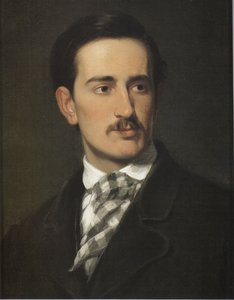
Джон Фергюсон Вейр
1841 - 1926 , Соединенные Штаты Америки
Основные сведения
- Artistic Movement Or Style: Impressionism, Industrial scenes
- Artists Or Movements Influenced By This Artist: ['J. Alden Weir']
- Artists Who Influenced This Artist: ['Robert Walter Weir']
- Date Of Birth: August 28, 1841
- Date Of Death: April 8, 1926
- Full Name: John Ferguson Weir
- Nationality: American
- Notable Artworks:
- Hudson Highlands
- The Gun Foundry
- Forging the Shaft
- Place Of Birth: West Point, USA