

 Предпросмотр
 Поделиться
 Поделиться
 Детали произведения

 Скачать
 Похожие работы
 Рентгенография
 Слайд-шоу
 Статистика
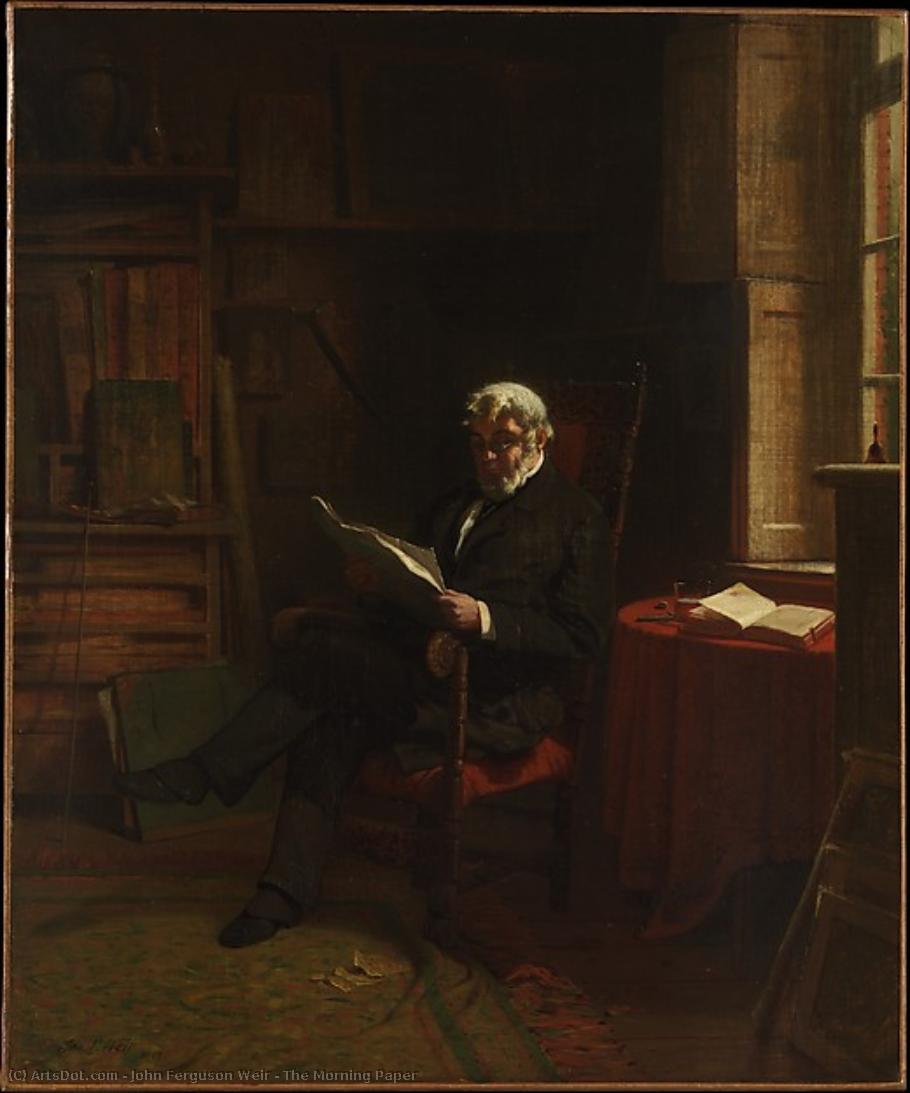
The Morning Paper
 Oil On Canvas
- WallArt
- Realism
 1868
1868- 19th Century
 61.0 x 51.0 cm
 Музей Метрополитен
 Читать далее
Масляная репродукция ручной работы
Картина маслом на холсте в выбранном вами размере и раме, написанная на заказ нашими художниками. ( Перейти к печати Перейти к цифровым изображениям)




P118B $10

P118H $10

P118W $10

P438Z $10

P508JH $12

P508YH $12

P805H $10

P805Z $10

P919BZ $10

P919G $10

P919XJ $10

P959ZH $10

P968JZ $12

W106C $8

W218G $10

W218JH $8

W218Y $10

W307PJ $10

W316G $10

W316PJ $8

W316Y $10

W398PJ $8

W4111J $10

W500HY $15

W500JH $15

W692G $12

W849H $8

W940BG $15

W953PJ $8




Выберите один из наших стандартных размеров, соответствующих оригинальным пропорциям произведения искусства.

Вы можете указать собственные размеры, чтобы картина идеально вписалась в выбранную раму или пространство. Если выбранный вами размер не соответствует пропорциям оригинала, мы либо обрежем полотно, либо расширим его за счет дополнительных элементов, написанных вручную. Цифровой макет будет отправлен вам на утверждение перед началом производства.
Обратите внимание, что предварительный просмотр на экране не отражает фактическую обрезку или расширение. Только макет точно покажет окончательную композицию.
Хотя доступны индивидуальные размеры, мы рекомендуем выбирать вариант из предопределенного списка, чтобы сохранить исходные пропорции.
После оформления заказа команда ArtsDot.com свяжется с клиентом по электронной почте для уточнения деталей и предоставит предварительный макет
Доставка по всему миру () за 3–4 недели вместо стандартных 5 недель. (11 Сентябрь). Без компромиссов в качестве.

Бесплатная экспресс-доставка по всему миру

Высококачественный льняной холст

Полное страхование доставки

Гарантия возмещения таможенных пошлин

Гарантия точного соответствия цветов

100-дневная политика возврата (только при обнаружении дефектов)

Гарантия возврата 100% средств

Предложение оптовых скидок
 Вариант со стеклом доступен только для размеров менее 110 см

The Morning Paper
Техника репродукции
Размер репродукции
-


Итоговая стоимость
$ 263
A Moment Suspended in Time
In the quietude of a dimly lit study, John Ferguson Weir’s 1868 masterpiece, “The Morning Paper,” invites the viewer into a sanctuary of profound stillness. This is not merely a portrait of an elderly gentleman lost in his morning reading; it is a masterful distillation of the American spirit during its formative years. As the eyes wander across the canvas, one feels the weight of a singular, private moment—a study in quiet reflection that transcends the boundaries of time. The composition is anchored by the central figure, whose presence dominates the frame with a dignified, contemplative grace. Seated within what appears to be a modestly furnished studio, the gentleman becomes an emblem of intellectual solace, offering a respite from the encroaching noise of an industrializing world.
The atmosphere of the painting is thick with a sense of history and nostalgia. Painted against a backdrop of muted browns, grays, and deep ochres—hues reminiscent of the Hudson River School landscapes—the work evokes the somber yet soulful aesthetic of the Victorian era. There is a palpable tension between the stillness of the subject and the subtle suggestion of progress represented by the newspaper itself. Through this lens, the artwork becomes more than a domestic scene; it serves as a symbolic bridge between the traditional values of the past and the burgeoning access to information that would soon reshape society.
The Mastery of Light and Texture
Technically, Weir demonstrates an extraordinary command over the medium of oil on canvas. His approach is deeply rooted in the academic traditions of his lineage, utilizing a dramatic chiaroscuro that recalls the legendary works of Rembrandt and Caravaggio. The lighting is purposeful and theatrical, casting deep, velvety shadows that recede into the corners of the room while simultaneously sculpting the man’s face and the crisp edges of the open book with luminous precision. This interplay of light and shadow does more than create depth; it directs the viewer's emotional journey, pulling our gaze toward the very heart of the subject's intellectual engagement.
The tactile quality of the painting is nothing short of breathtaking. Weir’s brushwork is remarkably detailed, capturing the intricate textures that define a lived-in space. One can almost feel the heavy weight of the gentleman’s waistcoat, the coarse upholstery of the chair, and the delicate, ephemeral nature of the newsprint. This meticulous attention to materiality lends the piece an atmospheric realism that makes the scene feel tangibly present. For the collector or interior designer, such richness provides a sophisticated anchor for any room, offering a sense of permanence and classical elegance that complements both traditional and contemporary settings.
A Legacy of Intellectual Depth
To understand the soul of “The Morning Paper,” one must consider the artist’s profound connection to the American artistic landscape. As the son of Robert Walter Weir, a celebrated educator at West Point, John Ferguson Weir inherited a legacy of meticulous observation and expressive technique. This painting is part of a series of interior scenes captured within his father's studio, making it an intimate window into a family of immense creative influence. The work carries with it the weight of this lineage, blending the precision of academic training with a burgeoning psychological nuance.
For those seeking to adorn their homes with art that inspires thought and conversation, this reproduction offers much more than visual beauty. It is an invitation to slow down, to embrace the sanctity of solitude, and to appreciate the enduring value of knowledge. Whether placed in a private library, a formal study, or a curated gallery space, “The Morning Paper” radiates a quiet authority and a timeless emotional resonance that continues to captivate the modern heart.
Похожие произведения
Биография художника
John Ferguson Weir - A Legacy Forged in Fire and Light: The Life and Art of John Ferguson Weir
John Ferguson Weir, born August 28, 1841, at West Point, New York, was a figure deeply embedded within the artistic currents of 19th-century America. His life unfolded as a fascinating interplay between familial legacy, industrial innovation, and academic dedication—a constellation mirrored in the careers of his brother, J. Alden Weir, and father, Robert Walter Weir. As the son of Robert Walter Weir, a long-standing professor of drawing at West Point, young John inherited not only an artistic lineage but also a unique vantage point – one that allowed him to observe and interpret the dramatic transformations sweeping across the nation during the Civil War era. This formative experience profoundly shaped his artistic vision and fueled his unwavering commitment to capturing pivotal moments in American history through powerful visual narratives.Early Artistic Foundations and Familial Influence
From an early age, Weir demonstrated a remarkable aptitude for both still life and landscape painting—skills honed under his father’s tutelage and nurtured by formal study at the National Academy of Design in New York City. This foundational training provided him with the technical prowess to embark on a career that would resonate across generations. Robert Walter Weir, himself a celebrated painter known for his monumental canvases depicting American history, instilled in John a deep appreciation for artistic excellence and a dedication to portraying the grandeur of the nation’s heritage. The influence of this paternal mentorship extended beyond mere instruction; it fostered within John a profound understanding of how art could serve as a conduit for conveying complex ideas and emotions—a principle that would guide his artistic endeavors throughout his life. Furthermore, J. Alden Weir's pioneering work in American Impressionism served as an inspirational model for John, demonstrating the transformative potential of capturing fleeting moments of beauty with vibrant color palettes and innovative compositional techniques.Industrial Visions: The Gun Foundry and Beyond
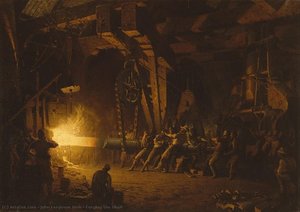
Weir’s early artistic explorations centered around the burgeoning industrial revolution—a period marked by rapid technological advancements and profound societal shifts. Recognizing the significance of documenting these transformations, he secured a commission from Robert Leighton Stuart to depict *Hudson Highlands, West Point, Summer Afternoon*, capturing the serene beauty of the Hudson Valley landscape against the backdrop of military life at West Point. This ambitious undertaking solidified Weir’s position within New York City’s artistic circles and established him as one of the foremost painters of his time. However, it was his fascination with the West Point Iron and Cannon Factory—a crucial manufacturer of Union artillery during the Civil War – that truly defined this initial phase of his artistic journey. Driven by a desire to portray not only industrial processes but also the spirit of American ingenuity and resilience, Weir undertook monumental commissions like *The Gun Foundry* (1866) and *Forging the Shaft* (1868). These paintings—executed in colossal scale with masterful chiaroscuro effects—became emblems of the era’s transformative energy. The depiction of labor figures illuminated by the fiery glow of furnaces served as a poignant reminder of the sacrifices made in defense of national unity, cementing Weir's reputation as a pioneer in depicting industrial scenes with both artistic sensitivity and technical mastery. Tragically, *Forging the Shaft* was lost to fire in 1869—a devastating setback that Weir meticulously recreated between 1874 and 1877, reaffirming his unwavering commitment to these powerful visual narratives.Yale’s Artistic Renaissance: Education and Collaboration
Following his successes with the foundry paintings, Weir embarked on a period of intellectual enrichment abroad in 1868—a formative experience that broadened his artistic horizons and honed his skills through exposure to European masters. Upon his return, he was appointed as the first director – later dean – of the School of Fine Arts at Yale University—a position he held for an astounding forty-four years, from 1869 to 1913. Recognizing the importance of fostering artistic excellence and nurturing the next generation of artists, Weir envisioned a curriculum that blended traditional academic rigor with contemporary European methodologies—a bold initiative that reflected his unwavering belief in the transformative power of art education. To realize this ambitious vision, he actively sought input from his brother, Julian Alden Weir—who was studying at the École des Beaux-Arts in Paris—demonstrating a spirit of collaboration and shared intellectual curiosity. This partnership underscored a fundamental conviction: that artistic progress demanded both foundational knowledge and innovative experimentation.A Lasting Impression: Sculpture and Legacy
Weir’s artistic output extended beyond painting into sculpture, culminating in the monumental statue of Theodore Dwight Woolsey for Yale University—a testament to his versatility and enduring dedication to artistic pursuits. Throughout his long and distinguished career, Weir remained a steadfast advocate for art education and a passionate artist—leaving behind a legacy that transcends individual masterpieces to encompass the countless students he inspired during his tenure at Yale. His work serves as a compelling reminder of an era defined by rapid change, artistic innovation, and the enduring power of visual storytelling—a legacy destined to resonate through generations of artists and scholars alike. He died in Providence, Rhode Island, in 1926, leaving behind a profound contribution to American art history.
Джон Фергюсон Вейр
1841 - 1926 , Соединенные Штаты Америки
Основные сведения
- Artistic Movement Or Style: Impressionism, Industrial scenes
- Artists Or Movements Influenced By This Artist: ['J. Alden Weir']
- Artists Who Influenced This Artist: ['Robert Walter Weir']
- Date Of Birth: August 28, 1841
- Date Of Death: April 8, 1926
- Full Name: John Ferguson Weir
- Nationality: American
- Notable Artworks:
- Hudson Highlands
- The Gun Foundry
- Forging the Shaft
- Place Of Birth: West Point, USA
Похожие статьи
Julian Alden Weir: A Quiet Master of American Impressionism & Rural Life
Discover Julian Alden Weir, a leading American Impressionist painter celebrated for his serene landscapes & depictions of rural life. Explore his artistic evolution, influence on 'The Ten', and legacy at Weir Farm.
American Realism: Social Commentary & Artistic Representation in Early 20th-Century Painting
Explore the powerful social commentary & artistic representation of American Realism. Discover key artists like Bellows & Sloan, and understand the movement's lasting impact on 20th-century art history.
10 Шедевров Американского Реализма: Искусство Правды и Жизни | ArtsDot
Погрузитесь в мир американского реализма! 10 шедевров от Эндрю Уайета, Эдварда Хоппера и других. История искусства, техники живописи и вдохновение для вашего интерьера. Купите репродукции картин на ArtsDot.com!

Джон Констебль: 25 шедевров английского пейзажа для вашего интерьера
Погрузитесь в мир английского пейзажа с Джоном Констеблом! 25 шедевров романтизма, история создания картин и вдохновение для вашего интерьера. Репродукции высокого качества на ArtsDot.com – искусство для ценителей.

Джон Сингер Сарджент: 25 шедевров портретной живописи для вашего интерьера | ArtsDot
Погрузитесь в мир Джона Сингера Сарджента! 25 шедевров импрессионизма и реализма, раскрывающих элегантность эпохи Gilded Age. Купите репродукции картин Сарджента музейного качества для вашего интерьера на ArtsDot.com.