 Предпросмотр
 Поделиться
 Поделиться
 Детали произведения

 Скачать
 Похожие работы
 Рентгенография
 Слайд-шоу
 Статистика
Odysseus vsegda byl
 Neoclassicism
 1792
1792- — Ренессанс
 229.0 x 298.0 cm
 Roy Miles gallery
 Читать далее
Масляная репродукция ручной работы
Картина маслом на холсте в выбранном вами размере и раме, написанная на заказ нашими художниками. ( Перейти к печати Перейти к цифровым изображениям)




P118B $10

P118H $10

P118W $10

P438Z $10

P508JH $12

P508YH $12

P805H $10

P805Z $10

P919BZ $10

P919G $10

P919XJ $10

P959ZH $10

P968JZ $12

W106C $8

W218G $10

W218JH $8

W218Y $10

W307PJ $10

W316G $10

W316PJ $8

W316Y $10

W398PJ $8

W4111J $10

W500HY $15

W500JH $15

W692G $12

W849H $8

W940BG $15

W953PJ $8




Выберите один из наших стандартных размеров, соответствующих оригинальным пропорциям произведения искусства.

Вы можете указать собственные размеры, чтобы картина идеально вписалась в выбранную раму или пространство. Если выбранный вами размер не соответствует пропорциям оригинала, мы либо обрежем полотно, либо расширим его за счет дополнительных элементов, написанных вручную. Цифровой макет будет отправлен вам на утверждение перед началом производства.
Обратите внимание, что предварительный просмотр на экране не отражает фактическую обрезку или расширение. Только макет точно покажет окончательную композицию.
Хотя доступны индивидуальные размеры, мы рекомендуем выбирать вариант из предопределенного списка, чтобы сохранить исходные пропорции.
После оформления заказа команда ArtsDot.com свяжется с клиентом по электронной почте для уточнения деталей и предоставит предварительный макет
Доставка по всему миру () за 3–4 недели вместо стандартных 5 недель. (12 Сентябрь). Без компромиссов в качестве.

Бесплатная экспресс-доставка по всему миру

Высококачественный льняной холст

Полное страхование доставки

Гарантия возмещения таможенных пошлин

Гарантия точного соответствия цветов

100-дневная политика возврата (только при обнаружении дефектов)

Гарантия возврата 100% средств

Предложение оптовых скидок
 Вариант со стеклом доступен только для размеров менее 110 см

Odysseus vsegda byl
Техника репродукции
Размер репродукции
-


Итоговая стоимость
$ 263
Odysseus in the Underworld: A Vision of Myth and Shadow
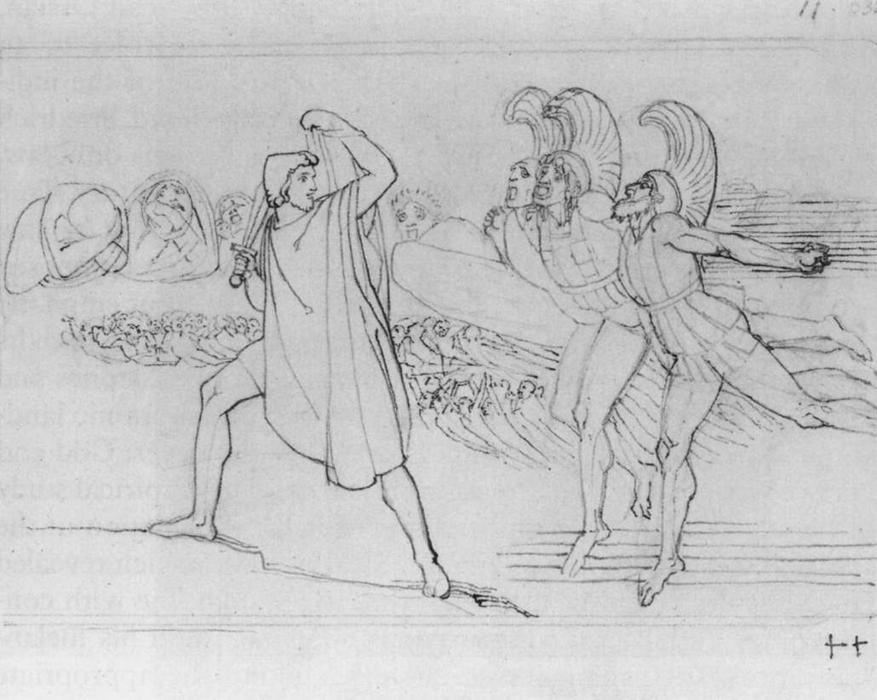
John Flaxman’s ‘Odysseus in the Underworld,’ completed in 1793, is far more than a simple illustration; it's a profound meditation on Homeric themes rendered with an almost unsettling intensity. This sketch doesn’t merely depict Odysseus’s perilous journey into the realm of the dead to consult with Tiresias – it captures the very essence of human struggle against fate and the haunting beauty of the unknown. The scene pulses with a palpable sense of dread, a testament to Flaxman's masterful ability to translate complex narrative into visual form.
The Language of Line: Technique & Style
Executed entirely in pen and ink on paper, Flaxman’s technique is nothing short of extraordinary. He doesn’t simply *draw* Odysseus; he meticulously *builds* him with a breathtaking deployment of hatching and cross-hatching. Each line isn't just a representation of form but an active element contributing to the image’s depth and texture. The artist avoids broad, flat areas of tone, instead favoring a granular approach – you can almost feel the grit of the charcoal beneath your fingertips. This deliberate choice creates an astonishingly realistic sense of volume and depth, imbuing the scene with a dramatic chiaroscuro effect that emphasizes Odysseus's muscular form and the oppressive atmosphere of the underworld. It’s a testament to Flaxman’s technical prowess and his understanding of how line can convey both solidity and ethereal quality.
Echoes of Antiquity: Historical Context & Influence
Flaxman’s work emerged during a period of fervent revival of interest in classical antiquity – the Neoclassical movement, championed by figures like Jacques-Louis David, sought to recapture the artistic principles and subject matter of ancient Greece and Rome. This sketch is a direct embodiment of this influence; Odysseus himself is portrayed with heroic grandeur, echoing the idealized depictions of Greek heroes found in Roman sculpture. Flaxman’s meticulous attention to detail and his commitment to anatomical accuracy were hallmarks of the Neoclassical style – a deliberate reaction against the perceived excesses of the Rococo period. However, Flaxman doesn't merely copy; he adapts these classical ideals to his own vision, imbuing them with a distinctly Romantic sensibility.
Symbolism & The Human Condition
‘Odysseus in the Underworld’ is rich with symbolic meaning. The journey into the underworld represents not just a physical quest but also a confrontation with mortality and the terrifying vastness of the unknown. Odysseus's desperate plea to Tiresias for guidance speaks to the universal human desire for knowledge, prophecy, and ultimately, control over one’s destiny – a struggle that resonates powerfully even today. The stark lighting, the tormented expressions of the figures, and the overall sense of foreboding all contribute to a profound exploration of the darker aspects of the human condition – themes that have captivated audiences for centuries. Flaxman masterfully uses this scene to explore the precarious balance between hope and despair, courage and fear.
A Timeless Masterpiece
This hand-painted reproduction captures the essence of Flaxman’s original sketch, offering a window into a pivotal moment in Western art history. Whether you are an admirer of classical mythology, a collector of fine art reproductions, or simply seeking to infuse your interior space with a touch of timeless elegance and dramatic power, this artwork is sure to captivate and inspire. It's more than just a print; it’s a conversation starter, a symbol of resilience, and a testament to the enduring power of storytelling.
Похожие произведения


Биография художника
A Life Etched in Stone and Line
John Flaxman, born in York in 1755, emerged as a pivotal figure bridging the gap between the waning Rococo era and the ascendant Neoclassical movement in Britain. His story is one of remarkable artistic evolution, fueled by both innate talent and diligent study. From humble beginnings assisting his father, a moulder of plaster casts, young John absorbed an early appreciation for form and texture. This practical grounding, coupled with a voracious appetite for classical literature – pursued largely through self-education – laid the foundation for a career that would redefine British sculpture and illustration. His childhood was marked by illness and loss; his mother’s death when he was nine years old profoundly shaped his introspective nature. Yet, even in these early years, his artistic promise shone brightly, winning him accolades from the Society of Arts at just twelve years old. This initial success propelled him into the orbit of London's burgeoning art scene, where friendships with William Blake and Thomas Stothard would prove formative, fostering a lifelong exchange of ideas and creative energy.Wedgwood and the Classical Ideal
Flaxman’s artistic trajectory took a significant turn with his employment by Josiah Wedgwood in 1775. This association wasn't merely a source of income; it was an immersive apprenticeship in translating classical motifs into commercially viable art forms. Modeling reliefs for Wedgwood’s renowned jasperware and basaltware demanded precision, economy of line, and a deep understanding of antique design. The influence of d’Hancarville’s engravings of Greek vases proved particularly potent, shaping Flaxman's aesthetic sensibility towards streamlined elegance and narrative clarity. Designs like the *Apotheosis of Homer* and the *Dancing Hours* weren’t simply decorative elements; they were distillations of classical mythology and allegory, rendered with a newfound emphasis on linear grace. This period honed his skills in relief sculpture, a medium he would masterfully employ throughout his career, particularly in his funerary monuments. It was during this time that Flaxman began to cultivate the style for which he became celebrated – a delicate balance between classical purity and emotional resonance.Roman Reveries and Illustrative Triumph
A transformative journey to Rome in 1787 marked a turning point in Flaxman’s artistic development. Funded partly by Wedgwood, this extended sojourn allowed him to immerse himself directly in the heart of antiquity. He studied not only classical sculpture but also medieval and Renaissance art, broadening his understanding of artistic traditions. More importantly, it was in Rome that he began producing the book illustrations that would secure his lasting fame. Commissions followed for editions of Homer’s *Iliad* and *Odyssey*, Dante’s *Divine Comedy*, and Aeschylus' tragedies. These weren’t mere accompaniments to the text; they were independent works of art, characterized by their stark simplicity, dynamic compositions, and masterful use of line. The illustrations, engraved by figures like Tommaso Piroli, resonated deeply with European audiences, earning Flaxman widespread acclaim – Goethe famously hailed him as “the idol of all dilettanti.” His designs for Dante’s *Divine Comedy*, in particular, proved profoundly influential, inspiring artists such as Goya and Ingres and serving as a crucial resource for art students throughout the 19th century.Monuments to Memory and Lasting Legacy
Upon his return to England, Flaxman established himself as a leading sculptor of funerary monuments. He approached these commissions with a unique sensitivity, eschewing ostentation in favor of restrained elegance and heartfelt emotion. His memorials – found in churches across England, including those dedicated to Thomas Chatterton, Mrs. Morley, and the Rev. Thomas Ball – are characterized by their simplicity, pathos, and rhythmic design. The monument to George Stevens, now housed in the Fitzwilliam Museum, exemplifies his ability to convey profound grief and enduring remembrance through subtle yet powerful forms. While he achieved recognition as a professor of sculpture at the Royal Academy in 1810, it is perhaps his illustrations that cemented his place in art history. John Flaxman’s work represents a synthesis of classical ideals, technical mastery, and emotional depth. He left an indelible mark on British art, influencing generations of artists with his elegant style and unwavering commitment to the power of line. His legacy continues to inspire, reminding us of the enduring beauty and profound meaning that can be found in both stone and ink. He remains a testament to the transformative power of artistic vision.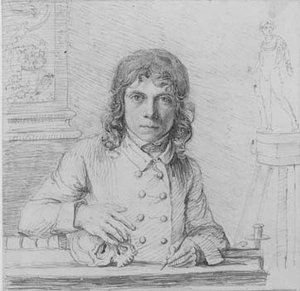
John Flaxman
1755 - 1826 , United States of America
Основные сведения
- Artistic Movement Or Style: Neoclassicism
- Artists Or Movements Influenced By This Artist:
- Goya
- Ingres
- Artists Who Influenced This Artist:
- George Romney
- William Blake
- Date Of Birth: July 6, 1755
- Date Of Death: December 7, 1826
- Full Name: John Flaxman
- Nationality: British
- Notable Artworks:
- Saint Michael Overcoming Satan
- The Fight for Body of Patroclus
- Apotheosis of Homer
- Dante's Divine Comedy
- Place Of Birth: York, USA
Похожие статьи

Джон Сингер Сарджент: 25 шедевров портретной живописи для вашего интерьера | ArtsDot
Погрузитесь в мир Джона Сингера Сарджента! 25 шедевров импрессионизма и реализма, раскрывающих элегантность эпохи Gilded Age. Купите репродукции картин Сарджента музейного качества для вашего интерьера на ArtsDot.com.

Белые шедевры: 10 знаменитых картин, покоривших мир (репродукции, декор)
Откройте для себя 10 знаменитых картин, где белый цвет – главный герой! Моне, Дега и другие мастера. История искусства, техники живописи и вдохновение для вашего интерьера. Репродукции высокого качества на ArtsDot.com

Топ-10 знаменитых картин в черных тонах: шедевры искусства для вашего интерьера
Погрузитесь в мир темных шедевров! Топ-10 знаменитых картин в черных тонах от Гойи, Рембрандта и Мунка. История искусства, техники живописи и вдохновение для вашего интерьера. Купите репродукции высокого качества на ArtsDot.com

Monochrome Visions: Exploring the Aesthetic & Historical Significance of Black & White Photography
Explore the rich history & artistic power of black and white photography. From early techniques to iconic masters like Ansel Adams, discover why monochrome continues to captivate art lovers today. Expert insights for collectors.

Джон Констебль: 25 шедевров английского пейзажа для вашего интерьера
Погрузитесь в мир английского пейзажа с Джоном Констеблом! 25 шедевров романтизма, история создания картин и вдохновение для вашего интерьера. Репродукции высокого качества на ArtsDot.com – искусство для ценителей.