 Предпросмотр
 Поделиться
 Поделиться
 Детали произведения

 Скачать
 Похожие работы
 Рентгенография
 Слайд-шоу
 Статистика
Trout Fisherman


 Читать далее
Масляная репродукция ручной работы
Картина маслом на холсте в выбранном вами размере и раме, написанная на заказ нашими художниками. ( Перейти к печати Перейти к цифровым изображениям)




P118B $10

P118H $10

P118W $10

P438Z $10

P508JH $12

P508YH $12

P805H $10

P805Z $10

P919BZ $10

P919G $10

P919XJ $10

P959ZH $10

P968JZ $12

W106C $8

W218G $10

W218JH $8

W218Y $10

W307PJ $10

W316G $10

W316PJ $8

W316Y $10

W398PJ $8

W4111J $10

W500HY $15

W500JH $15

W692G $12

W849H $8

W940BG $15

W953PJ $8




Выберите один из наших стандартных размеров, соответствующих оригинальным пропорциям произведения искусства.

Вы можете указать собственные размеры, чтобы картина идеально вписалась в выбранную раму или пространство. Если выбранный вами размер не соответствует пропорциям оригинала, мы либо обрежем полотно, либо расширим его за счет дополнительных элементов, написанных вручную. Цифровой макет будет отправлен вам на утверждение перед началом производства.
Обратите внимание, что предварительный просмотр на экране не отражает фактическую обрезку или расширение. Только макет точно покажет окончательную композицию.
Хотя доступны индивидуальные размеры, мы рекомендуем выбирать вариант из предопределенного списка, чтобы сохранить исходные пропорции.
После оформления заказа команда ArtsDot.com свяжется с клиентом по электронной почте для уточнения деталей и предоставит предварительный макет
Доставка по всему миру () за 3–4 недели вместо стандартных 5 недель. (10 Сентябрь). Без компромиссов в качестве.

Бесплатная экспресс-доставка по всему миру

Высококачественный льняной холст

Полное страхование доставки

Гарантия возмещения таможенных пошлин

Гарантия точного соответствия цветов

100-дневная политика возврата (только при обнаружении дефектов)

Гарантия возврата 100% средств

Предложение оптовых скидок
 Вариант со стеклом доступен только для размеров менее 110 см

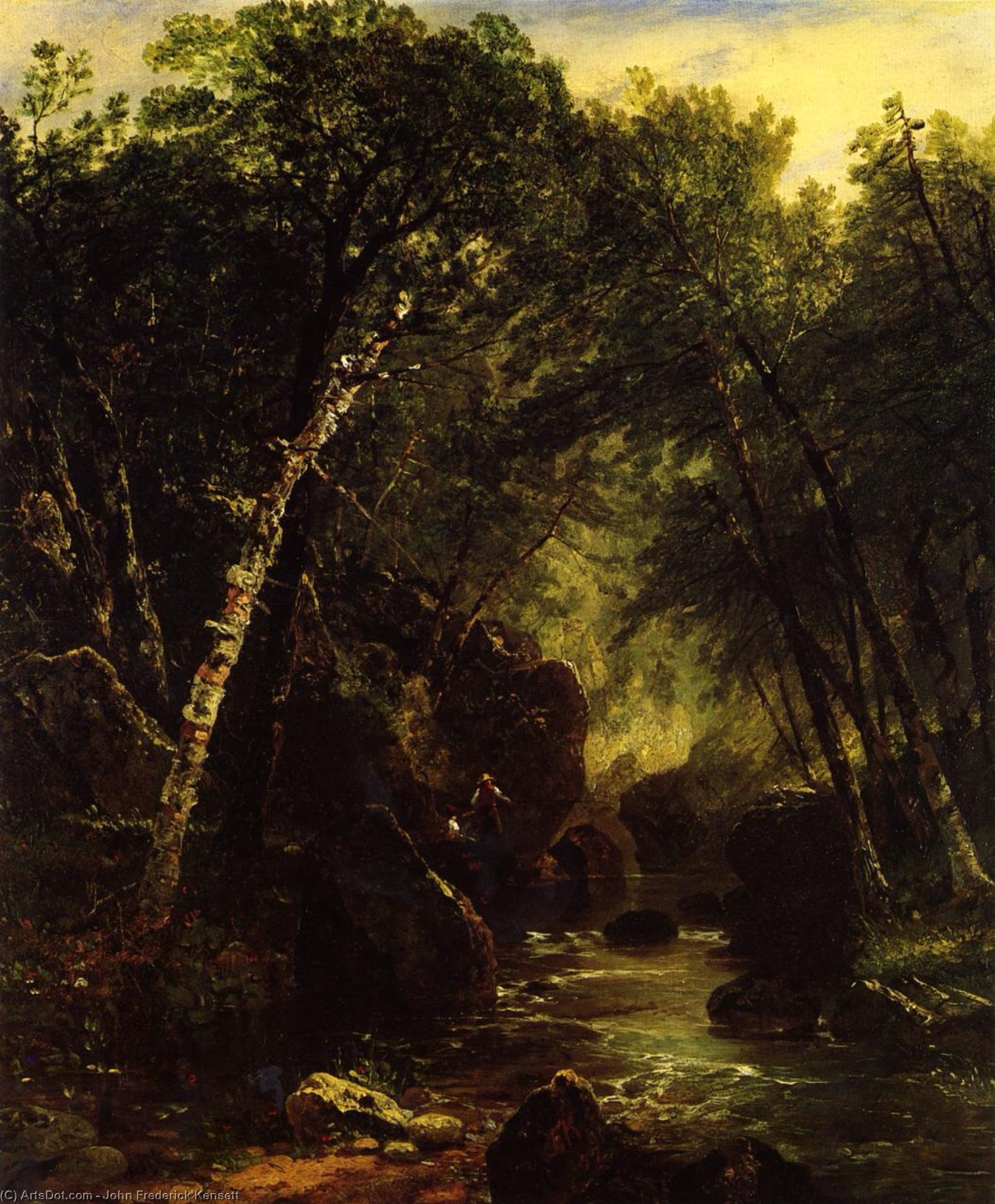
Trout Fisherman
Техника репродукции
Размер репродукции
-


Итоговая стоимость
$ 263
John Frederick Kensett: Luminosity, Landscape & The American Identity
John Frederick Kensett (1816 – 1872) stands as a cornerstone of the Hudson River School and Luminism—movements that profoundly shaped American art and its perception of nature. Born in Cheshire, Connecticut, Kensett’s artistic journey began with formal training at Yale College and honed his skills through engraving before establishing himself as a painter in New York City, where he would become a founding member of the Metropolitan Museum of Art. His legacy resides not merely in prolific output but in an unwavering dedication to capturing the sublime beauty of the American wilderness—a pursuit that cemented his place among the most influential landscape painters of his era.A Pioneer of Luminism
Kensett’s artistic style evolved dramatically from the grand, theatrical compositions favored by earlier Hudson River School artists like Thomas Cole and Frederic Church. Instead, he embraced Luminism – a technique championed by George Caleb Bingham and Asher Durand—characterized by an almost obsessive focus on atmospheric light and subtle tonal gradations. Unlike Cole's dramatic depictions of biblical scenes bathed in theatrical illumination, Kensett sought to convey the quiet grandeur of New England forests and rivers with remarkably understated brushstrokes. This deliberate restraint wasn’t a rejection of Romantic ideals; rather, it represented a conscious effort to distill nature’s essence into its purest form—a luminous haze that evoked contemplation and spiritual resonance.“Trout Fisherman”: A Masterpiece of Tranquility
Among Kensett's numerous landscapes, “Trout Fisherman” (1852) remains arguably his most iconic work. Executed in oil on canvas, the painting depicts a solitary fisherman casting his line into a serene river bordered by towering trees—a scene rendered with breathtaking precision and luminous color palettes. The composition is remarkably balanced, drawing the viewer’s eye towards the central figure while simultaneously immersing them in the enveloping atmosphere of the forest. Noticeably, Kensett eschewed dramatic vistas or turbulent weather; instead, he opted for a tranquil tableau that embodies the Luminist ethos—a celebration of quiet observation and an appreciation for the subtle harmonies of the natural world.Historical Context & Transcendental Influences
Kensett’s artistic vision was deeply rooted in the philosophical currents of his time – specifically, Transcendentalism. Figures like Ralph Waldo Emerson and Henry David Thoreau championed the idea that nature possessed inherent spiritual significance, urging individuals to reconnect with its sublime beauty and find solace in its contemplation. Kensett absorbed these transcendental ideals, translating them into visual form through his meticulous rendering of light and color. The painting’s stillness isn't simply aesthetic; it reflects a broader yearning for harmony between humanity and the natural world—a sentiment that resonated powerfully within the American intellectual landscape of the mid-19th century.Symbolism & Emotional Resonance
Beyond its technical brilliance, “Trout Fisherman” carries symbolic weight. The fisherman represents humankind’s quest for connection with the divine—a deliberate allusion to biblical narratives emphasizing humility and reverence before God's creation. The river symbolizes purity and renewal, mirroring the Transcendentalist belief in nature as a conduit for spiritual enlightenment. Furthermore, Kensett’s masterful use of light – particularly the diffused glow filtering through the foliage – evokes feelings of peace, serenity, and contemplative wonder—capturing precisely what Thoreau termed “the beauty that fills us with delight.” It's a painting designed not just to depict a scene but to inspire an emotional response—a reminder of the profound spiritual significance inherent in experiencing the unspoiled majesty of America’s wilderness.Legacy & Enduring Appeal
“Trout Fisherman” continues to captivate audiences today, serving as a testament to Kensett's artistic genius and Luminism’s enduring influence. Its meticulous detail, luminous color palette, and evocative composition exemplify the highest standards of landscape painting—a style that prioritizes observation, contemplation, and an appreciation for nature’s sublime beauty. Reproductions of this masterpiece offer collectors and interior designers alike a chance to experience firsthand the profound emotional resonance captured by Kensett—a timeless portrayal of tranquility and spiritual connection.Похожие произведения
Биография художника
A Life Dedicated to Serene Landscapes
Джон Фредерик Кенсетт, американский художник и гравер, родился 22 марта 1816 года в Чешире, штат Коннектикут. Он был представителем второго поколения школы Худого-Ривера, и его работы характеризуются их умиротворяющими и лучистыми качествами, воспевая трансцендентные аспекты природы. Ранняя жизнь и обучение Кенсетт посещал школу в Чешире и изучал гравировку с отцом, Томасом Кенсеттом. Позже он работал гравером в Нью-Хейвене до 1838 года, а затем переехал в Нью-Йорк, чтобы работать над гравировками банкнот. В 1840 году Кенсетт отправился в Европу для изучения живописи, усовершенствуя свои таланты вместе с Бенджамином Чемпеем.Установление мастерской и луминизм
После основания своей мастерской в Нью-Йорке Кенсетт широко путешествовал по северо-востоку США и Колорадо, запечатлевая суть этих ландшафтов. Его стиль развивался от традиционного стиля школы Худого-Ривера к более утонченному луминистскому подходу, характеризующемуся непринужденными мазками кистью, передающими качества атмосферного света. Картина «Монтанья от долины Конвей» (1851 года), знаковая работа, была приобретена Американским художественным обществом и распространена среди 13 000 подписчиков. «Эйтонс-ник, Лонг-Айленд» (1872 года), яркий пример луминистского стиля Кенсетта, сейчас находится в коллекции Музея искусств Метрополитен в Нью-Йорке.Влияние и наследие
Кенсетт был одним из основателей Музея искусств Метрополитен и полным членом Национальной академии дизайна. Его работы, широко признанные во время его жизни, продолжают оказывать влияние на живопись пейзажей. Он также был активным сторонником художественного сообщества, помогая начинающим художникам. Его вклад в историю искусства заключается в использовании яркого света в пейзажах, техники, которую сегодня называют луминизмом. Кенсетт умер 14 декабря 1872 года в возрасте 56 лет после того, как отважно попытался спасти жизнь женщины, погибшей в результате аварии на катере в ледяной воде.Основные работы
* «Монтанья от долины Конвей» (около 1870 г.), Музей искусств Метрополитен, Нью-Йорк * «Эйтонс-ник, Лонг-Айленд» (1872 г.) * «Три миля гавань» (около 1860 г.), Музей изящных искусств, Талласса.Связанные художники
Томас Коул, Бенджамин Чемпей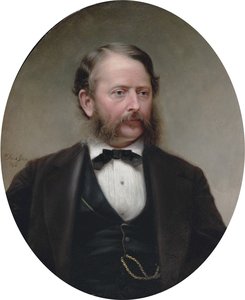
Джон Фрэдрик Кенсетт
1816 - 1872 , США
Основные сведения
- Artistic Movement Or Style: Художественная школа Гудзон
- Artists Or Movements Influenced By This Artist: ['Льюминизм']
- Artists Who Influenced This Artist:
- Бенджамин Чампей
- Томас Коул
- Date Of Birth: 22 марта 1816 г.
- Date Of Death: 14 декабря 1872 г.
- Full Name: John Frederick Kensett
- Nationality: Американский
- Notable Artworks:
- Mount Washington
- Eaton's Neck
- Place Of Birth: Шир, США
Похожие статьи
Школа реки Гудзон: 10 шедевров, изменивших американскую живопись | ArtsDot
Погрузитесь в мир Школы реки Гудзон! 10 шедевров Томаса Коула, Фредерика Чёрча и других мастеров американского романтизма. Купите репродукции картин высокого качества для вашего интерьера на ArtsDot.com.

Джон Констебль: 25 шедевров английского пейзажа для вашего интерьера
Погрузитесь в мир английского пейзажа с Джоном Констеблом! 25 шедевров романтизма, история создания картин и вдохновение для вашего интерьера. Репродукции высокого качества на ArtsDot.com – искусство для ценителей.

The Sublime Landscape: Exploring the Hudson River School Movement
Explore the captivating world of the Hudson River School! Discover the history, artists, and defining characteristics of this iconic American art movement. Learn about Romanticism's influence & find inspiration for your collection.

John Frederick Kensett: Luminosity, Landscape & the American Identity
Explore the luminous landscapes of John Frederick Kensett, a master of Luminism and key figure in the Hudson River School. Discover his serene paintings & enduring legacy with ArtsDot.

Robert Spencer: Luminism, Narrative & the American Landscape Tradition
Explore the captivating world of Luminism & the Hudson River School with our expert analysis. Discover the history, artists, and enduring beauty of 19th-century American landscape painting. Find museum-quality reproductions at ArtsDot.