

 Предпросмотр
 Поделиться
 Поделиться
 Детали произведения

 Скачать
 Похожие работы
 Рентгенография
 Слайд-шоу
 Статистика
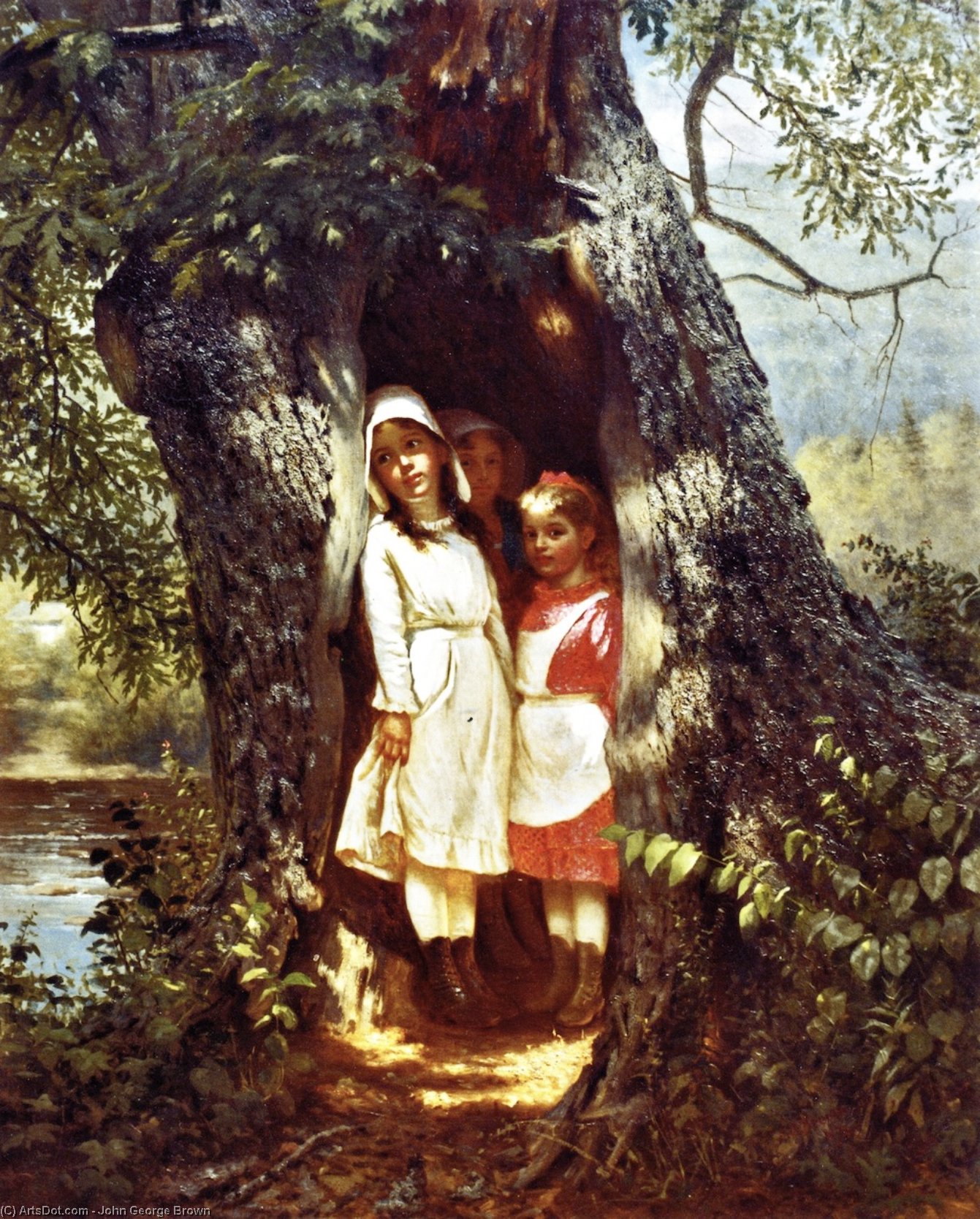
Hiding in the Old Oak


 Читать далее
Жикле / Арт-принт
Печать (жикле) или холст музейного качества с быстрыми сроками изготовления и широким выбором вариантов отделки. ( Купить картину ручной работы Перейти к цифровым изображениям)




P118B $10

P118H $10

P118W $10

P438Z $10

P508JH $12

P508YH $12

P805H $10

P805Z $10

P919BZ $10

P919G $10

P919XJ $10

P959ZH $10

P968JZ $12

W106C $8

W218G $10

W218JH $8

W218Y $10

W307PJ $10

W316G $10

W316PJ $8

W316Y $10

W398PJ $8

W4111J $10

W500HY $15

W500JH $15

W692G $12

W849H $8

W940BG $15

W953PJ $8




Выберите один из наших стандартных размеров, соответствующих оригинальным пропорциям произведения искусства.

Вы можете указать свои собственные размеры, чтобы репродукция идеально подошла под конкретную раму или пространство. Если выбранный вами размер не будет соответствовать пропорциям оригинала, мы либо обрежем произведение, либо дополним изображение зеркальным отражением краев или однотонной заливкой. Перед началом производства вам будет отправлен цифровой макет для утверждения.
Пожалуйста, обратите внимание, что предварительный просмотр на экране не отображает фактическую обрезку или расширение изображения. Только макет точно покажет финальную композицию.
Несмотря на возможность заказа индивидуальных размеров, мы рекомендуем выбирать размер из предопределенного списка, чтобы сохранить оригинальные пропорции.
Доставка по всему миру () за 2 недели вместо стандартных 4/5 недель. (12 Сентябрь)

Бесплатная экспресс-доставка по всему миру

Высококачественный льняной холст

Полное страхование доставки

Гарантия возмещения таможенных пошлин

Гарантия точного соответствия цветов

100-дневная политика возврата (только при обнаружении дефектов)

Гарантия возврата 100% средств

Предложение оптовых скидок
 Вариант со стеклом доступен только для размеров менее 110 см

Hiding in the Old Oak
Жикле / Арт-принт
Размер репродукции
-


Итоговая стоимость
$ 62
A Tapestry of Unburdened Joy: Exploring Hiding in the Old Oak
To gaze upon John George Brown's Hiding in the Old Oak is to be instantly transported back to a sun-dappled afternoon, a moment suspended purely by the magic of childhood play. This painting, executed in 1874, is far more than a mere depiction of children at play; it is an eloquent meditation on innocence itself. The scene unfolds within the embrace of nature, centered around a magnificent, sheltering old oak tree. Four figures—a vibrant constellation of youthful energy—are captured mid-game. Three are nestled beneath the sturdy boughs and trunk, while one child perches with triumphant glee atop the structure. Brown has masterfully composed this gathering, arranging his subjects at varying heights and angles so that the viewer feels not like an observer behind glass, but a secret participant in their joyful enterprise.
Mastery of Light and Shadow: Technique and Atmosphere
Brown’s technical skill is immediately apparent upon viewing the piece. The choice of oil on canvas allows for a richness of color and texture that breathes life into every leaf and patch of sunlight. Notice how the artist employs light and shadow not just as decorative elements, but as structural components of the narrative. Shafts of daylight pierce through the canopy, creating dramatic contrasts that lend an incredible sense of depth to the woods. This interplay between illumination and deep shade gives the composition a palpable dimensionality, making the space feel vast yet intimately contained. It is this careful handling of chiaroscuro, combined with his characteristic warmth, that draws the viewer into the very heart of the scene.
The Enduring Symbolism of Childhood Play
Throughout Brown’s oeuvre, and particularly evident here, there lies a profound celebration of youth. The woods themselves function as a symbolic playground—a liminal space where adult concerns dissolve, leaving only the pure, unadulterated joy of discovery. The act of hiding speaks to themes of camaraderie, imagination, and the simple pleasure of shared secrets. For collectors and those seeking art that evokes deep emotional resonance, this painting offers a powerful anchor to nostalgia. It reminds us of moments when life was uncomplicated, defined only by the next game played beneath an ancient tree.
Bringing the Woodland Spirit Home
For those considering bringing the spirit of Hiding in the Old Oak into your personal sanctuary or design space, understanding its historical context adds layers of appreciation. Created during a period of significant American change, Brown’s focus on idealized domestic and natural scenes provided comfort and continuity to his patrons. The vibrant yet gentle palette, combined with the dynamic energy of the composition, ensures that this piece functions beautifully in any setting—from a bright, airy living room to a study seeking an infusion of pastoral calm. Owning a reproduction allows you to curate not just a painting, but a feeling: the timeless, enduring magic of childhood adventure.
Похожие произведения

Биография художника
A Life Etched in Childhood: The World of John George Brown
John George Brown, a name perhaps less immediately recognizable than some of his contemporaries, nevertheless occupies a significant and deeply affecting niche within the landscape of 19th-century American art. Born in Durham, England, in 1831, his journey was one of determined self-improvement and astute observation, culminating in a career that captured the poignant realities – and often idealized sentiments – surrounding childhood during a period of rapid social change. Brown’s story isn't simply about artistic talent; it’s about an immigrant’s ambition, a keen eye for detail, and a shrewd understanding of the burgeoning American art market. His early life was marked by necessity rather than privilege. Apprenticed to a glass factory at just fourteen years old, he labored to support his family, yet even amidst the demanding work, a passion for drawing persisted. This dedication led him to evening classes at the School of Design in Newcastle, and later, further study at the Trustees Academy in Edinburgh – formative experiences that laid the groundwork for his future artistic endeavors. In 1853, Brown bravely crossed the Atlantic, settling in Brooklyn, New York, a city poised to become both his home and his muse. He continued his education at the Graham Art School and the National Academy of Design, honing his skills under the guidance of instructors like Thomas Seir Cummings, preparing himself for a life dedicated to capturing the essence of American experience.From Portraiture to the Streets: Finding His Voice
Initially establishing himself as a portrait painter, Brown quickly discovered that his true calling lay elsewhere – in the vibrant, often overlooked world of everyday life. He began to focus on genre scenes, and it was through his depictions of street children that he truly found his voice. The 1860s witnessed the rise of Brown’s “street urchin” paintings, images that resonated deeply with a public fascinated by – and perhaps simultaneously troubled by – the realities of urban poverty. These weren't merely sentimental portrayals; they were carefully observed studies of character, capturing the resilience, resourcefulness, and quiet dignity of children navigating difficult circumstances. Bootblacks diligently polishing shoes, newsboys hawking papers on bustling street corners, flower sellers offering their wares – these scenes became Brown’s signature, imbued with a remarkable level of detail and empathy. His work wasn't born in isolation; it was influenced by the Barbizon school, particularly its emphasis on realism and depictions of everyday life, as well as the dramatic use of light and color championed by artists like J.M.W. Turner. However, Brown synthesized these influences into a uniquely American style, one that spoke to the specific social conditions and cultural anxieties of his adopted homeland. He sought to portray not just poverty, but also the inherent dignity and potential within those who faced it.A Master of Sentiment and Commerce
Brown was not only an artist but also a remarkably astute businessman. Recognizing the appeal of his work, he strategically copyrighted many of his most popular paintings, allowing for widespread reproduction as chromolithographs and photographic prints. This commercial success dramatically increased his fame and financial security, making him one of the wealthiest genre painters in the United States during his lifetime. However, this commercial success didn’t diminish the artistic merit of his work. Paintings like “The Net Mender” and “The First Point” exemplify his ability to capture moments of quiet beauty and emotional depth. "Claiming the Shot - A Group of Portraits after the Hunt in the Adirondacks" demonstrates a broader range, showcasing his skill in depicting group scenes with remarkable realism. His paintings offered more than just aesthetic pleasure; they provided valuable insights into 19th-century American society, particularly the lives of working children and the changing urban landscape. Often imbued with subtle moral undertones, Brown’s work reflected his belief in the importance of hard work, honesty, and resilience – values that resonated deeply with Victorian audiences.Shifting Focus: From Youth to Age
As Brown matured as an artist, so too did his subject matter evolve. In his later years, he shifted his focus from depicting the energy and vitality of childhood to portraying the quiet dignity and solitude of old age. These paintings often featured elderly individuals in rural settings, evoking a sense of nostalgia for a simpler past. While this shift might seem dramatic, it was a natural progression for an artist deeply concerned with capturing the human condition in all its complexity. He continued to be an active member of various art institutions, serving as vice-president of the National Academy of Design from 1899 to 1904, demonstrating his ongoing commitment to the artistic community. His later works, though different in subject matter, retained the meticulous attention to detail and emotional sensitivity that characterized his earlier paintings.A Lasting Legacy: Echoes of Childhood
John George Brown passed away in New York City in 1913, leaving behind a substantial body of work that continues to captivate and move audiences today. His paintings are held in prestigious collections around the world, including the National Gallery in London and the Detroit Institute of Arts, testament to his enduring artistic significance. He is remembered not only for his technical skill but also for his ability to capture the essence of a particular time and place – Victorian America – with honesty, empathy, and a touch of romanticism. *His work serves as a poignant reminder of the challenges faced by children in the 19th century, while simultaneously celebrating their resilience and spirit.* Brown’s legacy extends beyond his paintings; he represents a fascinating intersection of artistic talent, entrepreneurial acumen, and social commentary – a true chronicler of American life. **His ability to transform everyday scenes into enduring works of art ensures that his vision will continue to resonate with generations to come.**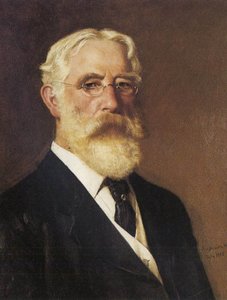
Джон Джордж Браун
1831 - 1913 , Великобритания
Основные сведения
- Artistic Movement Or Style: Жанровое живопись, Реализм
- Artists Or Movements Influenced By This Artist: ['Барбизонская школа']
- Artists Who Influenced This Artist:
- Барбизонская школа
- Дж.М.В. Тёрнер
- Date Of Birth: 11 нояб. 1831
- Date Of Death: 8 февр. 1913
- Full Name: John George Brown
- Nationality: Британско-американец
- Notable Artworks:
- The Net Mender
- The First Point
- Claiming the Shot
- Place Of Birth: Дарем, Великобритания
Похожие статьи

The Enduring Legacy of Oil on Canvas: Technique, History & Aesthetic Impact
Explore the rich history & techniques of oil painting – from Renaissance masters to Impressionism. Discover pigments, layering methods, and why this timeless medium endures. Expert insights for artists & art enthusiasts.

The Enduring Power of Painting: A Historical & Contemporary Exploration of Form and Emotion
Explore the rich history & enduring techniques of oil painting with ArtsDot. Discover masterpieces, learn about art collecting, and find authentic handmade reproductions crafted by skilled artists.

Масляная живопись: История, техника и непреходящее наследие
Узнайте все о масляной живописи: история техники, секреты мастеров и современные тенденции. Погрузитесь в мир искусства с экспертами !

Oil on Canvas: A Historical & Technical Exploration of a Timeless Artistic Medium
Explore the rich history & enduring techniques of oil painting on canvas. Discover the science behind its longevity, conservation practices, and contemporary relevance. Expert insights for art enthusiasts.

Топ-10 шедевров масляной живописи, изменивших искусство навсегда | ArtsDot.com
Погрузитесь в мир великих шедевров масляной живописи! От Леонардо да Винчи до Ван Гога – узнайте истории создания самых известных картин, техники художников и их влияние на искусство. Репродукции музейного качества на ArtsDot.com. Explore the full collection online!