

 Предпросмотр
 Поделиться
 Поделиться
 Детали произведения

 Скачать
 Похожие работы
 Рентгенография
 Слайд-шоу
 Статистика
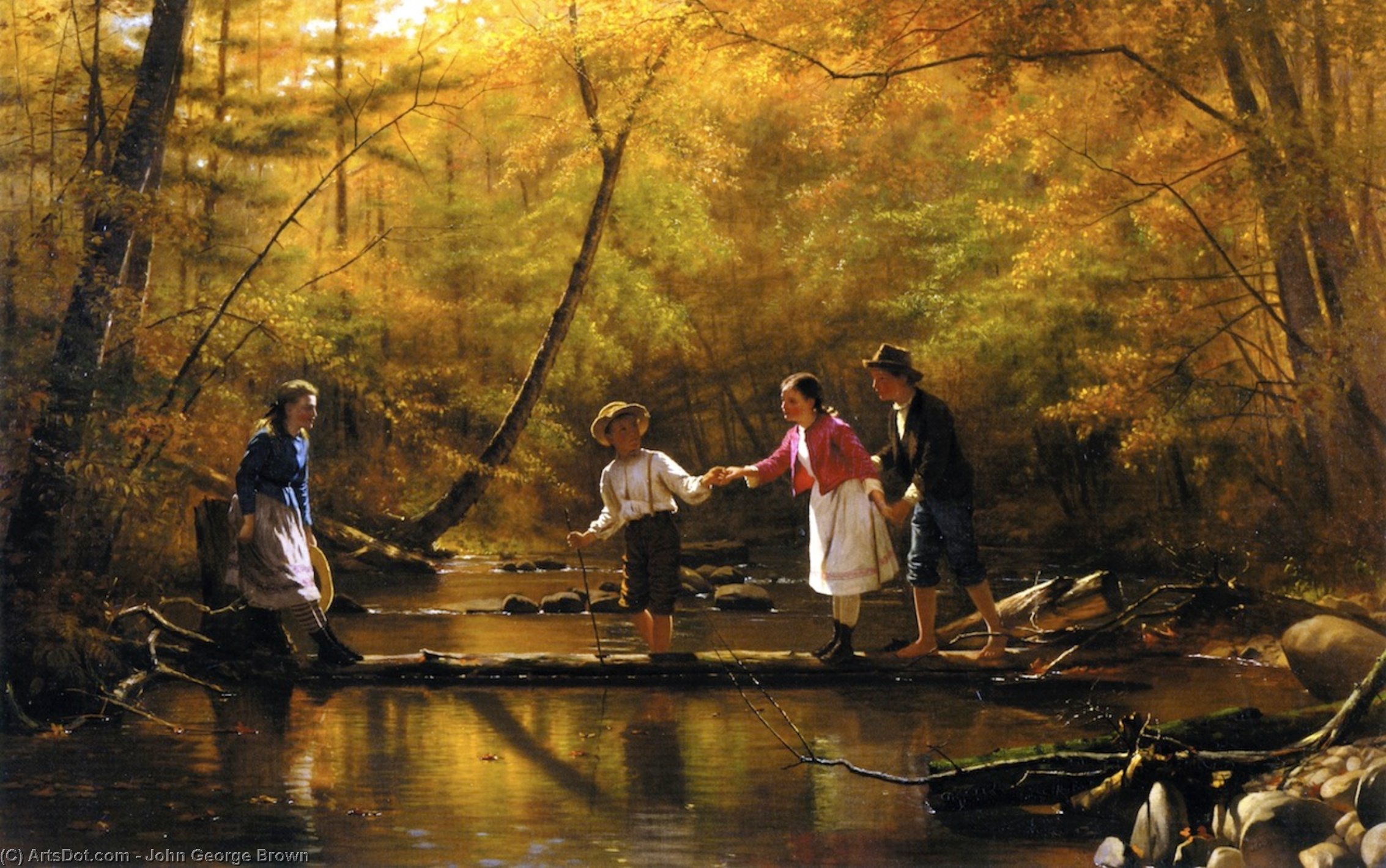
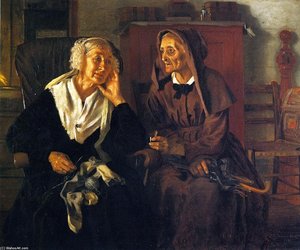
The Country Gallants


 Читать далее
Приобретите цифровое изображение высокого разрешения в улучшенном качестве, которое значительно превосходит онлайн-превью.
Каждый файл тщательно подготавливается нашими специалистами с использованием передовых инструментов и экспертной ручной ретуши. Мы гарантируем исключительную четкость, точную цветопередачу и детальную проработку каждого изображения.
Финальный файл доставляется по электронной почте в течение 72 часов и оптимизирован для немедленного использования в профессиональной среде, при верстке и печати. Это тот же уровень качества, которому доверяют ведущие дизайнерские студии, издательства и галереи.
Цифровое изображение
Скачайте файл высокого разрешения для личного использования, печати и творческих проектов. ( Перейти к печати Купить картину ручной работы)
Включено в каждый заказ цифровых изображений
Гарантия экспертной цифровой доставки
Выбирая ArtsDot.com, вы получаете не просто изображение — вы приобретаете профессионально обработанное цифровое произведение искусства, созданное с безупречной точностью и под защитой гарантии качества. Вот всё, что автоматически входит в ваш заказ:

Мгновенная доставка по e-mail
Ваш цифровой файл в высоком разрешении будет отправлен вам по электронной почте в течение 72 часов после оформления заказа — и сразу станет доступен для использования.

Цифровой файл с ИИ-улучшением
Ваше произведение искусства проходит профессиональную оптимизацию с использованием передовых инструментов ИИ и ручной обработки, что гарантирует максимальную детализацию, четкость и точность цветопередачи.

Бессрочная бесплатная повторная доставка
Случайно удалили или потеряли файл? Не беспокойтесь — мы отправим его вам повторно в любое время и совершенно бесплатно.

Без импортных пошлин — навсегда
Наслаждайтесь вашим произведением искусства мгновенно без таможенных пошлин, сборов или затрат на доставку — цифровые загрузки всегда не облагаются налогом.

Гарантия точности цветопередачи
Мы гарантируем, что ваше цифровое изображение максимально точно передает оригинальные цвета благодаря использованию профессиональных инструментов и систем управления цветом.

Гарантия удовлетворенности 100 дней
Если вы не будете удовлетворены своим цифровым изображением, мы внесем правки или вернем 100% стоимости в течение 100 дней — без лишних вопросов.

100% Гарантия возврата средств
Не удовлетворены покупкой? Получите полный возврат средств в течение 100 дней после получения цифрового файла — без лишних вопросов.

Скидки на оптовые заказы
Купите 3 изображения, сэкономьте 10% — Купите 5, сэкономьте 15% — Купите 10+, сэкономьте 20%. Отличное решение для творческих проектов, галерей и агентств.
The Country Gallants: A Snapshot of Victorian Leisure
“The Country Gallants,” painted by American artist John George Brown in 1876, resides within the esteemed Toledo Museum of Art, offering a glimpse into a specific moment of Victorian society – one characterized by refined leisure and an appreciation for pastoral beauty. More than just a depiction of five men enjoying a riverside stroll, this oil on canvas piece embodies a broader ethos: a careful observation of everyday life elevated to artistic contemplation.
- Subject Matter: The painting portrays a group of gentlemen engaged in conversation on a bridge spanning a tranquil river. Their postures convey relaxed camaraderie and an enjoyment of the surroundings.
- Style: Brown’s style leans towards Impressionism, albeit tempered with realism. While capturing fleeting moments of light and atmosphere—evident in the dappled sunlight filtering through the trees—he maintains meticulous attention to detail in portraying the figures themselves and the architectural elements of the bridge.
- Technique: Employing traditional oil painting techniques, Brown skillfully blended pigments to achieve subtle gradations of color and texture. The brushstrokes are visible yet controlled, contributing to a sense of immediacy without sacrificing accuracy. Notice particularly how he renders the surface of the river – reflecting light and creating an illusion of depth.
Historical Context: Painted during the latter half of the Victorian era (1837-1901), “The Country Gallants” reflects the prevailing fascination with idealized landscapes and the pursuit of leisure as a marker of social status. The bridge itself symbolizes connection – both physical and metaphorical – linking individuals to nature and fostering social interaction. It speaks to a desire for respite from the pressures of industrialization and urban life.
Symbolism: Beyond its literal representation, the painting carries symbolic weight. The figures embody Victorian ideals of gentlemanly conduct—decorum, intelligence, and refined taste. Their presence on the bridge suggests an aspiration towards harmony with the natural world, a sentiment prevalent in Romantic art preceding Brown’s time. The river represents tranquility and renewal, mirroring the psychological state of those depicted.
Emotional Impact: “The Country Gallants” evokes feelings of serenity and nostalgia. Its soft palette and luminous light create an atmosphere conducive to contemplation. It invites viewers to consider not just what is seen but also what is felt—a quiet appreciation for beauty, companionship, and the simple pleasures of life. This painting continues to resonate with audiences today because it captures a timeless essence of human experience.
Further Information: For those interested in delving deeper into John George Brown’s artistic legacy or exploring high-quality reproductions of “The Country Gallants,” ArtsDot offers exceptional resources. You can find more about the artist's biography and other notable works on their website at ArtsDot.
Похожие произведения


Биография художника
A Life Etched in Childhood: The World of John George Brown
John George Brown, a name perhaps less immediately recognizable than some of his contemporaries, nevertheless occupies a significant and deeply affecting niche within the landscape of 19th-century American art. Born in Durham, England, in 1831, his journey was one of determined self-improvement and astute observation, culminating in a career that captured the poignant realities – and often idealized sentiments – surrounding childhood during a period of rapid social change. Brown’s story isn't simply about artistic talent; it’s about an immigrant’s ambition, a keen eye for detail, and a shrewd understanding of the burgeoning American art market. His early life was marked by necessity rather than privilege. Apprenticed to a glass factory at just fourteen years old, he labored to support his family, yet even amidst the demanding work, a passion for drawing persisted. This dedication led him to evening classes at the School of Design in Newcastle, and later, further study at the Trustees Academy in Edinburgh – formative experiences that laid the groundwork for his future artistic endeavors. In 1853, Brown bravely crossed the Atlantic, settling in Brooklyn, New York, a city poised to become both his home and his muse. He continued his education at the Graham Art School and the National Academy of Design, honing his skills under the guidance of instructors like Thomas Seir Cummings, preparing himself for a life dedicated to capturing the essence of American experience.From Portraiture to the Streets: Finding His Voice
Initially establishing himself as a portrait painter, Brown quickly discovered that his true calling lay elsewhere – in the vibrant, often overlooked world of everyday life. He began to focus on genre scenes, and it was through his depictions of street children that he truly found his voice. The 1860s witnessed the rise of Brown’s “street urchin” paintings, images that resonated deeply with a public fascinated by – and perhaps simultaneously troubled by – the realities of urban poverty. These weren't merely sentimental portrayals; they were carefully observed studies of character, capturing the resilience, resourcefulness, and quiet dignity of children navigating difficult circumstances. Bootblacks diligently polishing shoes, newsboys hawking papers on bustling street corners, flower sellers offering their wares – these scenes became Brown’s signature, imbued with a remarkable level of detail and empathy. His work wasn't born in isolation; it was influenced by the Barbizon school, particularly its emphasis on realism and depictions of everyday life, as well as the dramatic use of light and color championed by artists like J.M.W. Turner. However, Brown synthesized these influences into a uniquely American style, one that spoke to the specific social conditions and cultural anxieties of his adopted homeland. He sought to portray not just poverty, but also the inherent dignity and potential within those who faced it.A Master of Sentiment and Commerce
Brown was not only an artist but also a remarkably astute businessman. Recognizing the appeal of his work, he strategically copyrighted many of his most popular paintings, allowing for widespread reproduction as chromolithographs and photographic prints. This commercial success dramatically increased his fame and financial security, making him one of the wealthiest genre painters in the United States during his lifetime. However, this commercial success didn’t diminish the artistic merit of his work. Paintings like “The Net Mender” and “The First Point” exemplify his ability to capture moments of quiet beauty and emotional depth. "Claiming the Shot - A Group of Portraits after the Hunt in the Adirondacks" demonstrates a broader range, showcasing his skill in depicting group scenes with remarkable realism. His paintings offered more than just aesthetic pleasure; they provided valuable insights into 19th-century American society, particularly the lives of working children and the changing urban landscape. Often imbued with subtle moral undertones, Brown’s work reflected his belief in the importance of hard work, honesty, and resilience – values that resonated deeply with Victorian audiences.Shifting Focus: From Youth to Age
As Brown matured as an artist, so too did his subject matter evolve. In his later years, he shifted his focus from depicting the energy and vitality of childhood to portraying the quiet dignity and solitude of old age. These paintings often featured elderly individuals in rural settings, evoking a sense of nostalgia for a simpler past. While this shift might seem dramatic, it was a natural progression for an artist deeply concerned with capturing the human condition in all its complexity. He continued to be an active member of various art institutions, serving as vice-president of the National Academy of Design from 1899 to 1904, demonstrating his ongoing commitment to the artistic community. His later works, though different in subject matter, retained the meticulous attention to detail and emotional sensitivity that characterized his earlier paintings.A Lasting Legacy: Echoes of Childhood
John George Brown passed away in New York City in 1913, leaving behind a substantial body of work that continues to captivate and move audiences today. His paintings are held in prestigious collections around the world, including the National Gallery in London and the Detroit Institute of Arts, testament to his enduring artistic significance. He is remembered not only for his technical skill but also for his ability to capture the essence of a particular time and place – Victorian America – with honesty, empathy, and a touch of romanticism. *His work serves as a poignant reminder of the challenges faced by children in the 19th century, while simultaneously celebrating their resilience and spirit.* Brown’s legacy extends beyond his paintings; he represents a fascinating intersection of artistic talent, entrepreneurial acumen, and social commentary – a true chronicler of American life. **His ability to transform everyday scenes into enduring works of art ensures that his vision will continue to resonate with generations to come.**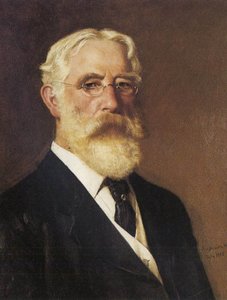
Джон Джордж Браун
1831 - 1913 , Великобритания
Основные сведения
- Artistic Movement Or Style: Жанровое живопись, Реализм
- Artists Or Movements Influenced By This Artist: ['Барбизонская школа']
- Artists Who Influenced This Artist:
- Барбизонская школа
- Дж.М.В. Тёрнер
- Date Of Birth: 11 нояб. 1831
- Date Of Death: 8 февр. 1913
- Full Name: John George Brown
- Nationality: Британско-американец
- Notable Artworks:
- The Net Mender
- The First Point
- Claiming the Shot
- Place Of Birth: Дарем, Великобритания