

 Предпросмотр
 Поделиться
 Поделиться
 Детали произведения

 Скачать
 Похожие работы
 Рентгенография
 Слайд-шоу
 Статистика
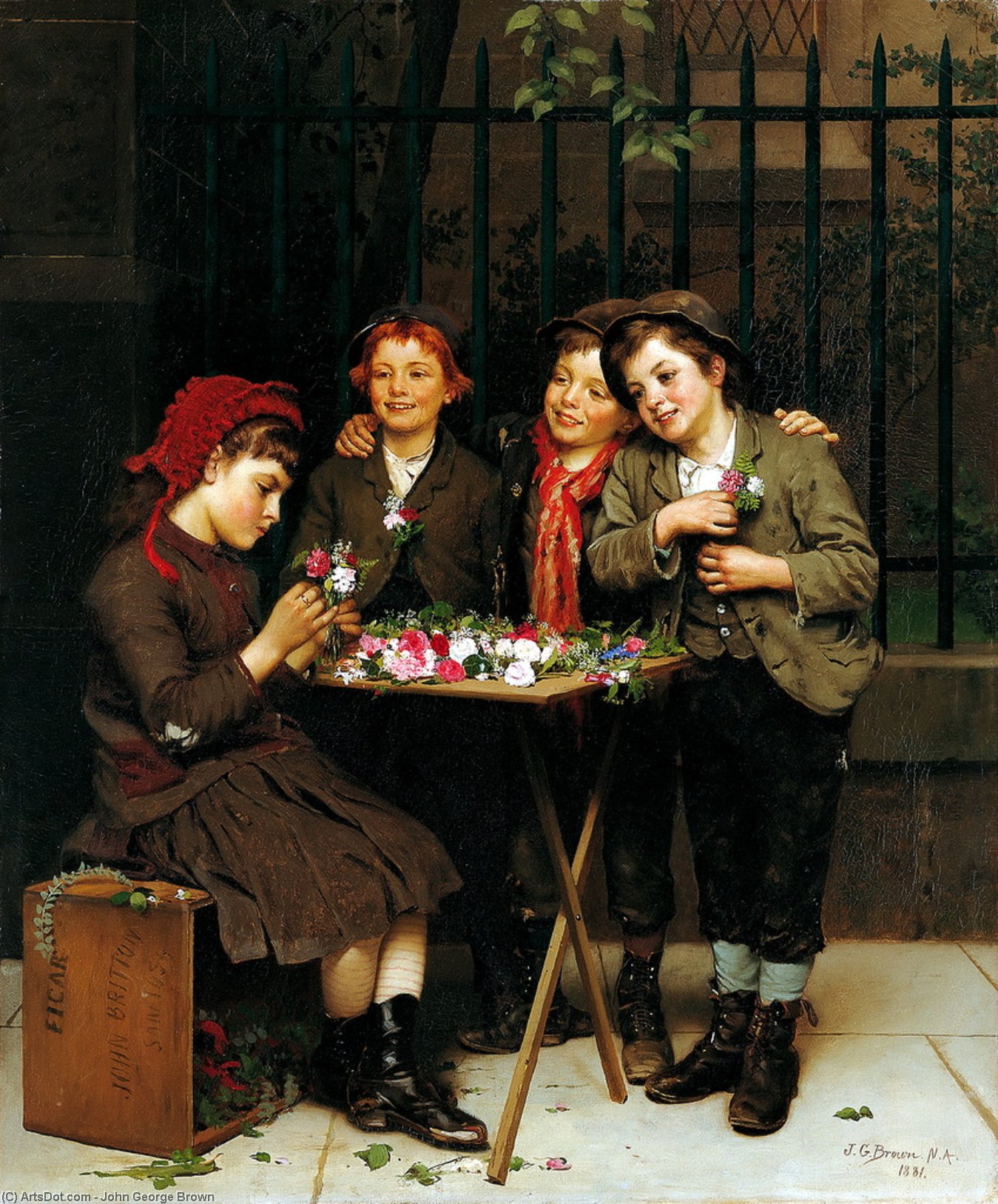
Tough Customers


 Читать далее
Жикле / Арт-принт
Печать (жикле) или холст музейного качества с быстрыми сроками изготовления и широким выбором вариантов отделки. ( Купить картину ручной работы Перейти к цифровым изображениям)




P118B $10

P118H $10

P118W $10

P438Z $10

P508JH $12

P508YH $12

P805H $10

P805Z $10

P919BZ $10

P919G $10

P919XJ $10

P959ZH $10

P968JZ $12

W106C $8

W218G $10

W218JH $8

W218Y $10

W307PJ $10

W316G $10

W316PJ $8

W316Y $10

W398PJ $8

W4111J $10

W500HY $15

W500JH $15

W692G $12

W849H $8

W940BG $15

W953PJ $8




Выберите один из наших стандартных размеров, соответствующих оригинальным пропорциям произведения искусства.

Вы можете указать свои собственные размеры, чтобы репродукция идеально подошла под конкретную раму или пространство. Если выбранный вами размер не будет соответствовать пропорциям оригинала, мы либо обрежем произведение, либо дополним изображение зеркальным отражением краев или однотонной заливкой. Перед началом производства вам будет отправлен цифровой макет для утверждения.
Пожалуйста, обратите внимание, что предварительный просмотр на экране не отображает фактическую обрезку или расширение изображения. Только макет точно покажет финальную композицию.
Несмотря на возможность заказа индивидуальных размеров, мы рекомендуем выбирать размер из предопределенного списка, чтобы сохранить оригинальные пропорции.
Доставка по всему миру () за 2 недели вместо стандартных 4/5 недель. (10 Сентябрь)

Бесплатная экспресс-доставка по всему миру

Высококачественный льняной холст

Полное страхование доставки

Гарантия возмещения таможенных пошлин

Гарантия точного соответствия цветов

100-дневная политика возврата (только при обнаружении дефектов)

Гарантия возврата 100% средств

Предложение оптовых скидок
 Вариант со стеклом доступен только для размеров менее 110 см

Tough Customers
Жикле / Арт-принт
Размер репродукции
-


Итоговая стоимость
$ 62
A Snapshot of Innocence: Examining John George Brown’s “Tough Customers”
John George Brown's "Tough Customers," painted in 1881, transcends mere portraiture; it embodies a poignant distillation of Victorian sensibilities regarding childhood and familial bonds. Currently residing within the hallowed halls of the Thyssen-Bornemisza Museum in Madrid, Spain, this oil on canvas offers more than just visual delight—it invites contemplation about the complexities of domestic life during an era defined by burgeoning industrialization yet clinging fiercely to idealized notions of family harmony. The painting’s composition is deceptively simple. Four children occupy the central space, arranged with careful consideration against a muted backdrop dominated by earthy tones – ochre, umber, and olive green—a palette characteristic of Brown's stylistic choices and reflective of the prevailing artistic trends of his time. The artist skillfully utilizes light to illuminate the subjects, casting gentle shadows that contribute to an atmosphere of warmth and intimacy. Two potted plants strategically positioned on either side of the frame serve as subtle visual anchors, injecting a touch of botanical elegance into the scene and subtly reinforcing themes of nurturing and growth. Stylistically, “Tough Customers” aligns itself firmly within the genre painting tradition—a movement that sought to depict everyday life with realism tempered by emotional resonance. Brown’s brushstrokes are bold yet controlled, conveying both energy and precision. The artist employs impasto technique – applying thick layers of paint – particularly noticeable in the faces of the children, capturing subtle expressions of curiosity and engagement. This textural richness lends a palpable sense of immediacy to the artwork, transporting viewers back to a bygone era. Beyond its aesthetic qualities lies a deeper symbolic significance. The inclusion of the suitcase hints at journeys undertaken—both literal and metaphorical—representing aspiration and familial responsibility. More profoundly, however, the painting speaks to the universal desire for connection and affection within the family unit. Brown’s depiction captures not just children playing together but also conveys an unspoken understanding between them – a quiet confidence born from shared experience and mutual regard. It's a tender portrayal of childhood innocence juxtaposed against the backdrop of Victorian society, reminding us that even amidst rapid change, certain values endure.- Artist: John George Brown
- Year Painted: 1881
- Museum Location: Thyssen-Bornemisza Museum, Madrid, Spain
Similar Artistic Explorations
For those seeking inspiration in comparable artistic endeavors, Frans Snyders’ “Concert of Birds” presents a compelling parallel. Like “Tough Customers,” this oil on canvas masterpiece employs a masterful use of color and composition to convey emotion—specifically, the exuberance of avian life within a domestic setting. Furthermore, Anselmo Miguel Nieto's "La belle Hollandaise" exemplifies Brown’s fascination with capturing fleeting moments of beauty and social interaction. Pablo Picasso’s work similarly delves into themes of childhood and familial dynamics.Exploring Further: John George Brown’s Legacy
Discover more about John George Brown’s artistic journey and explore reproductions of his celebrated paintings at ArtsDot.com. His enduring appeal lies in his ability to distill complex emotions into deceptively simple visual narratives—a testament to his skill as a genre painter and a keen observer of human experience.Похожие произведения


Биография художника
A Life Etched in Childhood: The World of John George Brown
John George Brown, a name perhaps less immediately recognizable than some of his contemporaries, nevertheless occupies a significant and deeply affecting niche within the landscape of 19th-century American art. Born in Durham, England, in 1831, his journey was one of determined self-improvement and astute observation, culminating in a career that captured the poignant realities – and often idealized sentiments – surrounding childhood during a period of rapid social change. Brown’s story isn't simply about artistic talent; it’s about an immigrant’s ambition, a keen eye for detail, and a shrewd understanding of the burgeoning American art market. His early life was marked by necessity rather than privilege. Apprenticed to a glass factory at just fourteen years old, he labored to support his family, yet even amidst the demanding work, a passion for drawing persisted. This dedication led him to evening classes at the School of Design in Newcastle, and later, further study at the Trustees Academy in Edinburgh – formative experiences that laid the groundwork for his future artistic endeavors. In 1853, Brown bravely crossed the Atlantic, settling in Brooklyn, New York, a city poised to become both his home and his muse. He continued his education at the Graham Art School and the National Academy of Design, honing his skills under the guidance of instructors like Thomas Seir Cummings, preparing himself for a life dedicated to capturing the essence of American experience.From Portraiture to the Streets: Finding His Voice
Initially establishing himself as a portrait painter, Brown quickly discovered that his true calling lay elsewhere – in the vibrant, often overlooked world of everyday life. He began to focus on genre scenes, and it was through his depictions of street children that he truly found his voice. The 1860s witnessed the rise of Brown’s “street urchin” paintings, images that resonated deeply with a public fascinated by – and perhaps simultaneously troubled by – the realities of urban poverty. These weren't merely sentimental portrayals; they were carefully observed studies of character, capturing the resilience, resourcefulness, and quiet dignity of children navigating difficult circumstances. Bootblacks diligently polishing shoes, newsboys hawking papers on bustling street corners, flower sellers offering their wares – these scenes became Brown’s signature, imbued with a remarkable level of detail and empathy. His work wasn't born in isolation; it was influenced by the Barbizon school, particularly its emphasis on realism and depictions of everyday life, as well as the dramatic use of light and color championed by artists like J.M.W. Turner. However, Brown synthesized these influences into a uniquely American style, one that spoke to the specific social conditions and cultural anxieties of his adopted homeland. He sought to portray not just poverty, but also the inherent dignity and potential within those who faced it.A Master of Sentiment and Commerce
Brown was not only an artist but also a remarkably astute businessman. Recognizing the appeal of his work, he strategically copyrighted many of his most popular paintings, allowing for widespread reproduction as chromolithographs and photographic prints. This commercial success dramatically increased his fame and financial security, making him one of the wealthiest genre painters in the United States during his lifetime. However, this commercial success didn’t diminish the artistic merit of his work. Paintings like “The Net Mender” and “The First Point” exemplify his ability to capture moments of quiet beauty and emotional depth. "Claiming the Shot - A Group of Portraits after the Hunt in the Adirondacks" demonstrates a broader range, showcasing his skill in depicting group scenes with remarkable realism. His paintings offered more than just aesthetic pleasure; they provided valuable insights into 19th-century American society, particularly the lives of working children and the changing urban landscape. Often imbued with subtle moral undertones, Brown’s work reflected his belief in the importance of hard work, honesty, and resilience – values that resonated deeply with Victorian audiences.Shifting Focus: From Youth to Age
As Brown matured as an artist, so too did his subject matter evolve. In his later years, he shifted his focus from depicting the energy and vitality of childhood to portraying the quiet dignity and solitude of old age. These paintings often featured elderly individuals in rural settings, evoking a sense of nostalgia for a simpler past. While this shift might seem dramatic, it was a natural progression for an artist deeply concerned with capturing the human condition in all its complexity. He continued to be an active member of various art institutions, serving as vice-president of the National Academy of Design from 1899 to 1904, demonstrating his ongoing commitment to the artistic community. His later works, though different in subject matter, retained the meticulous attention to detail and emotional sensitivity that characterized his earlier paintings.A Lasting Legacy: Echoes of Childhood
John George Brown passed away in New York City in 1913, leaving behind a substantial body of work that continues to captivate and move audiences today. His paintings are held in prestigious collections around the world, including the National Gallery in London and the Detroit Institute of Arts, testament to his enduring artistic significance. He is remembered not only for his technical skill but also for his ability to capture the essence of a particular time and place – Victorian America – with honesty, empathy, and a touch of romanticism. *His work serves as a poignant reminder of the challenges faced by children in the 19th century, while simultaneously celebrating their resilience and spirit.* Brown’s legacy extends beyond his paintings; he represents a fascinating intersection of artistic talent, entrepreneurial acumen, and social commentary – a true chronicler of American life. **His ability to transform everyday scenes into enduring works of art ensures that his vision will continue to resonate with generations to come.**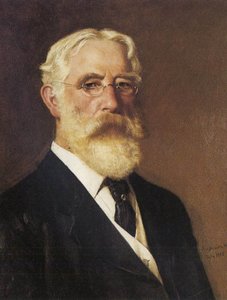
Джон Джордж Браун
1831 - 1913 , Великобритания
Основные сведения
- Artistic Movement Or Style: Жанровое живопись, Реализм
- Artists Or Movements Influenced By This Artist: ['Барбизонская школа']
- Artists Who Influenced This Artist:
- Барбизонская школа
- Дж.М.В. Тёрнер
- Date Of Birth: 11 нояб. 1831
- Date Of Death: 8 февр. 1913
- Full Name: John George Brown
- Nationality: Британско-американец
- Notable Artworks:
- The Net Mender
- The First Point
- Claiming the Shot
- Place Of Birth: Дарем, Великобритания
Похожие статьи

Джон Сингер Сарджент: 25 шедевров портретной живописи для вашего интерьера | ArtsDot
Погрузитесь в мир Джона Сингера Сарджента! 25 шедевров импрессионизма и реализма, раскрывающих элегантность эпохи Gilded Age. Купите репродукции картин Сарджента музейного качества для вашего интерьера на ArtsDot.com.

Жорж Брак: 25 шедевров кубизма для ценителей искусства и интерьера
Откройте для себя 25 шедевров Жоржа Брака – пионера кубизма! Узнайте историю создания культовых картин, технику и влияние французского художника на искусство XX века. Репродукции высокого качества для вашего интерьера на ArtsDot.com.

Жорж Сёра: 25 шедевров великого мастера пуантилизма | ArtsDot
Откройте для себя 25 шедевров Жоржа Сёра – пионера пуантилизма! Узнайте историю создания культовых картин, технику письма и влияние импрессионизма. Репродукции высокого качества на ArtsDot.com. Искусство для вашего интерьера.

Джон Констебль: 25 шедевров английского пейзажа для вашего интерьера
Погрузитесь в мир английского пейзажа с Джоном Констеблом! 25 шедевров романтизма, история создания картин и вдохновение для вашего интерьера. Репродукции высокого качества на ArtsDot.com – искусство для ценителей.
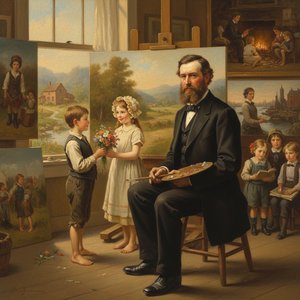
John George Brown: Capturing American Life & Sentiment in 19th-Century Genre Painting
Explore the captivating genre paintings of John George Brown, celebrated for his realistic depictions of 19th-century American life. Discover his legacy & find museum-quality reproductions at ArtsDot.