

 Поделиться
 Поделиться
 Детали произведения

 Скачать
 Похожие работы
 Слайд-шоу
 Статистика
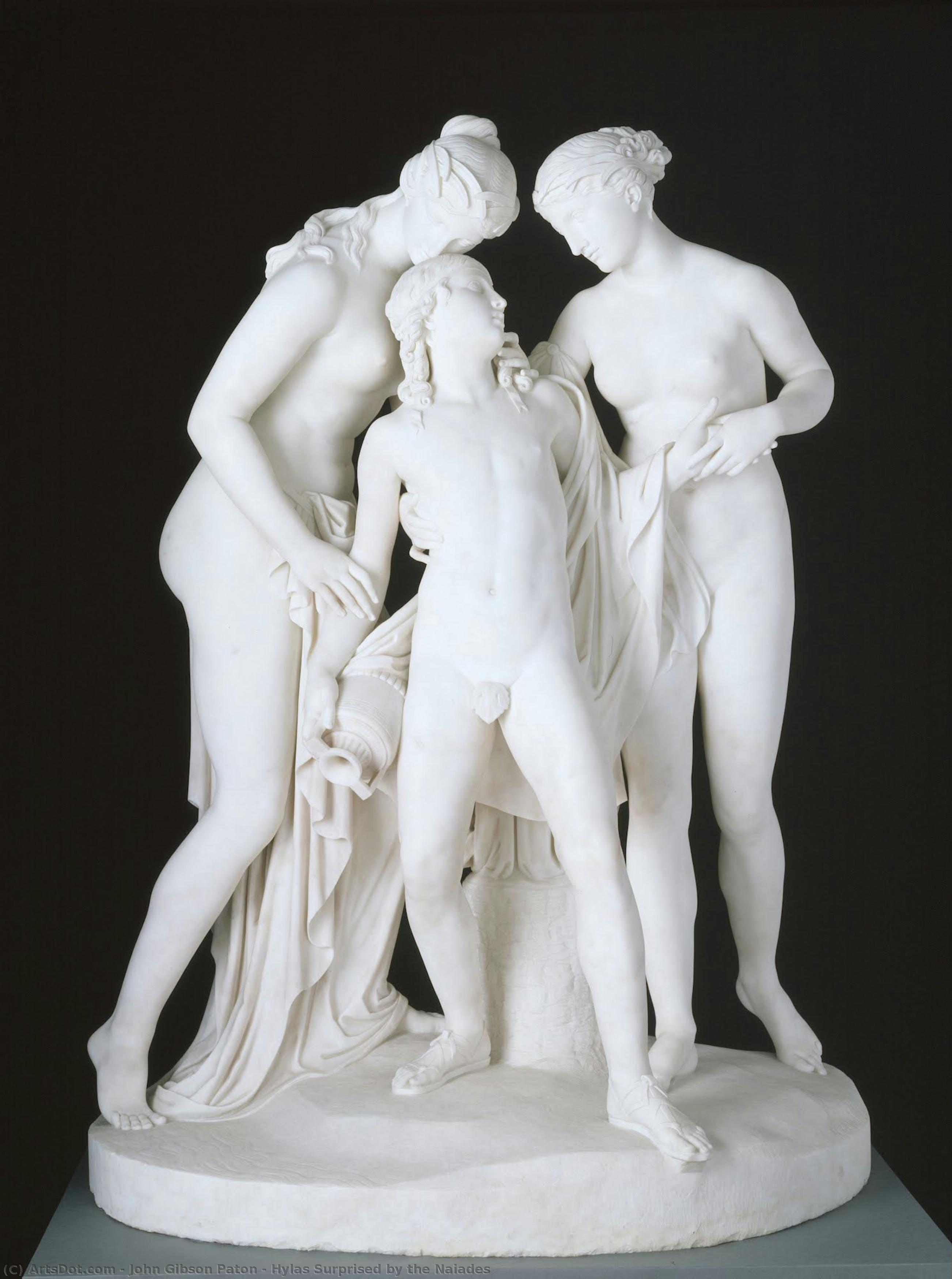
Hylas Surprised by the Naiades
 Marble
- Sculpture
- Neoclassical
 19th Century
 19.0 x 71.0 cm
 Тейт Брититен
 Читать далее
Жикле / Арт-принт
Печать (жикле) или холст музейного качества с быстрыми сроками изготовления и широким выбором вариантов отделки. ( Купить картину ручной работы Перейти к цифровым изображениям)




































Выберите один из наших стандартных размеров, соответствующих оригинальным пропорциям произведения искусства.

Вы можете указать свои собственные размеры, чтобы репродукция идеально подошла под конкретную раму или пространство. Если выбранный вами размер не будет соответствовать пропорциям оригинала, мы либо обрежем произведение, либо дополним изображение зеркальным отражением краев или однотонной заливкой. Перед началом производства вам будет отправлен цифровой макет для утверждения.
Пожалуйста, обратите внимание, что предварительный просмотр на экране не отображает фактическую обрезку или расширение изображения. Только макет точно покажет финальную композицию.
Несмотря на возможность заказа индивидуальных размеров, мы рекомендуем выбирать размер из предопределенного списка, чтобы сохранить оригинальные пропорции.
Доставка по всему миру () за 2 недели вместо стандартных 4/5 недель. (12 Сентябрь)

Бесплатная экспресс-доставка по всему миру

Высококачественный льняной холст

Полное страхование доставки

Гарантия возмещения таможенных пошлин

Гарантия точного соответствия цветов

100-дневная политика возврата (только при обнаружении дефектов)

Гарантия возврата 100% средств

Предложение оптовых скидок
 Вариант со стеклом доступен только для размеров менее 110 см

Hylas Surprised by the Naiades
Жикле / Арт-принт
Размер репродукции
-


Итоговая стоимость
$ 62
A Moment Frozen in Mythic Grace
In the quiet halls of art history, few works capture the delicate tension between enchantment and peril as exquisitely as John Gibson Paton’s "Hylas Surprised by the Naiades." Created during the height of the Neoclassical era, this marble masterpiece serves as a breathtaking window into the heart of Greek mythology. The sculpture depicts a pivotal, breathless moment from Homer's Iliad: Hylas, the beautiful son of King Thiodomus, finds himself ensnively captivated by the nymphs inhabiting a sacred fountain. It is a scene that transcends mere storytelling, embodying the eternal themes of beauty, desire, and the irresistible, often transformative power of the natural world.
The composition is a masterclass in Neoclassical balance, utilizing a sophisticated triangular arrangement to guide the viewer’s gaze. At the heart of this marble dance stands Hylas, his form serving as the apex toward which all movement gravitates. Below him, two female nymphs dominate the lower section of the work; their outstretched hands and leaning bodies convey an irresistible invitation, pulling the observer into their rhythmic, aquatic reverie. A fourth nymph stands slightly apart, her serene contemplation providing a subtle, soulful counterbalance to the palpable tension and physical closeness shared between Hylas and his admirers. This deliberate structuring creates a sense of profound stability while simultaneously mirroring the dynamic, swirling emotions of the myth itself.
The Mastery of Marble and Light
To behold this work is to witness the incredible technical prowess of Gibson Paton. The choice of white marble was far from incidental; it was essential for capturing the ethereal, almost translucent quality of the nymphs' skin and the shimmering essence of water. Through painstaking honing and classical modeling techniques, the sculptor achieved a surface finish that plays brilliantly with light. One can almost feel the tactile contrast between the smooth, polished limbs of the figures and the intricate, flowing folds of their drapery. The way light catches the high points of the marble creates a luminous effect, breathing life into the cold stone and imbuing the scene with a sense of warmth and vitality.
The interplay of shadow is equally vital to the sculpture's impact. Deep, velvety shadows define the contours of the figures, lending them a powerful three-dimensionality that commands attention from every angle. This dramatic use of light and dark—reminiscent of a chiaroscuro painting—accentuates the organic curves of the human form and the undulating shapes of the nymphs' movements. For the discerning collector or interior designer, such a piece offers more than just visual beauty; it provides a focal point of profound depth and sculptural weight that can anchor a room with elegance and historical prestige.
Symbolism and Emotional Resonance
Beyond its physical perfection, "Hylas Surprised by the Naiades" resonates on a deeply emotional level. There is an inherent vulnerability in Hylas’s surprise, a sense of being caught in a moment where the boundaries between the human and the divine are blurred. The sculpture evokes a complex spectrum of feelings: from the soft sensuality of the nymphs' approach to the underlying hint of danger that accompanies such mythological encounters. It explores the concept of temptation—the way beauty can both enchant and ensnare the soul.
For those seeking to bring a sense of timelessness into their personal spaces, this work offers an unparalleled opportunity. A high-quality reproduction of this sculpture allows the grace of the Neoclassical style to permeate a modern environment, offering a sophisticated dialogue between classical antiquity and contemporary aesthetics. It is not merely a decoration, but an invitation to contemplate the enduring mysteries of human emotion and the mythic beauty that continues to haunt our collective imagination.
Похожие произведения
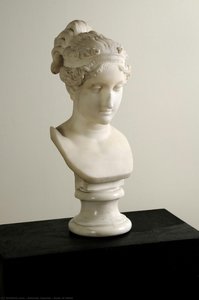
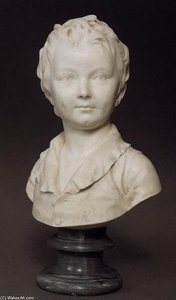
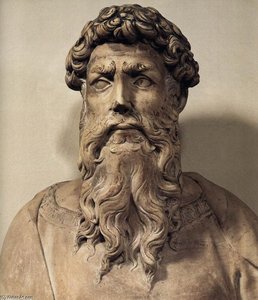
Биография художника
The Dual Legacy of John Gibson Paton: Faith and Form
The life of John Gibson Paton (1824-1907) presents a fascinating duality, a rare intersection where the fervent devotion of a missionary meets the delicate precision of a classical artist. Born in Barrow-in-Furness, Scotland, Paton’s early years were steeped in the rigorous piety of a Presbyterian upbringing. Under the influence of his father, James Paton, a man dedicated to the spread of scripture, the young John developed a profound sense of purpose that would eventually lead him far from the familiar landscapes of Cumbria. Yet, beneath this layer of theological preparation lay an emerging sensitivity to beauty and form, a creative impulse that would later find expression in works that bridged the gap between the sacred and the mythological.
Paton’s journey was one of extraordinary geographical and spiritual breadth. In 1858, he embarked on a transformative mission to the New Hebrides, now known as Vanuatu. This period of his life was defined by intense humanitarian struggle and pioneering evangelism. Alongside his wife, Mary Ann Robson, Paton navigated the complexities of colonial-era Pacific life, working tirelessly to establish Protestant missions and advocating against the horrific practice of blackbirding—the kidnapping of indigenous peoples for forced labor. This era of his life provided a stark, visceral contrast to the idealized worlds of classical myth, yet it was perhaps this very encounter with the raw realities of human existence that deepened the emotional resonance found in his artistic sensibilities.
Classical Echoes and Artistic Vision
While his missionary work focused on the salvation of souls, Paton’s artistic output sought to capture the eternal beauty of classical antiquity. His work often drew upon the rich tapestry of Greek mythology, utilizing neoclassical themes to explore concepts of desire, nature, and the divine. One of the most striking examples of this is seen in Hylas Surprised by the Naiades. This piece captures a quintessential moment of mythological tension: the encounter between the young Hylas and the enchanting nymphs at a woodland fountain. Through his mastery of composition, Paton was able to evoke an atmosphere of dreamlike enchantment, where the boundaries between the human and the supernatural become beautifully blurred.
The technical execution of his work reflects a deep reverence for the idealized forms characteristic of the 19th-century neoclassical tradition. His ability to render texture and light suggests a profound understanding of the classical masters, aiming to achieve a sense of balance and harmony that transcends time. Whether exploring the soft, ethereal presence in works like Tinted Venus or the intimate character studies found in his Portrait of Woman, Paton’s art remains anchored in a pursuit of aesthetic perfection. His paintings do not merely depict scenes; they invite the viewer into a contemplative space where the legends of old are given new, luminous life.
Historical Significance and Enduring Impression
The historical significance of John Gibson Paton lies in his ability to inhabit two seemingly disparate worlds with equal intensity. He was a man of action in the Pacific, a defender of human rights and a pioneer of religious expansion, yet he remained a man of reflection, finding solace and expression in the timeless narratives of myth. This tension between the historical reality of his missionary life and the mythological escapism of his art creates a unique biographical narrative that continues to intrigue scholars and art enthusiasts alike.
Today, Paton is remembered not only for his impactful humanitarian efforts but as an artist who successfully translated the spiritual fervor of his era into the language of classical beauty. His legacy serves as a testament to the complexity of the human spirit—capable of both the most rigorous moral conviction and the most delicate aesthetic appreciation. Through his works, we are reminded that even in the midst of life's most arduous journeys, there remains an enduring search for the sublime.
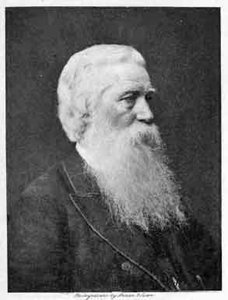
john gibson paton
1824 - 1907 , United Kingdom
Основные сведения
- Artistic Movement Or Style: Victorian Painting
- Artists Who Influenced This Artist:
- William Holman Hunt
- John Everett Millais
- Date Of Birth: May 24, 1824
- Date Of Death: January 28, 1907
- Full Name: John Gibson Paton
- Nationality: Scottish
- Notable Artworks:
- Tinted Venus
- Hylas Surprised by the Naiades
- Portrait of Woman
- Place Of Birth: Barrow-in-Furness, United Kingdom
Похожие статьи
The Enduring Allure of Marble in Art History: From Classical Sculpture to Modern Abstraction
Explore the captivating history of marble sculpture from ancient Greece to modern art. Discover renowned artists like Canova & Michelangelo, carving techniques, and investment insights at ArtsDot.

The Enduring Form: Exploring Themes & Techniques in Sculpture Across Historical Periods
Explore the rich history of sculpture from ancient masterpieces to contemporary innovations. Discover key techniques, influential artists & investment potential for discerning art collectors.

10 легендарных бронзовых скульптур, изменивших искусство навсегда | ArtsDot
Погрузитесь в мир великих бронзовых скульптур! От Давида Микеланджело до работ Родена – история искусства, техники и вдохновения. Купите репродукции шедевров для вашего интерьера на ArtsDot.com
Джон Сингер Сарджент: 25 шедевров портретной живописи для вашего интерьера | ArtsDot
Погрузитесь в мир Джона Сингера Сарджента! 25 шедевров импрессионизма и реализма, раскрывающих элегантность эпохи Gilded Age. Купите репродукции картин Сарджента музейного качества для вашего интерьера на ArtsDot.com.

Джон Констебль: 25 шедевров английского пейзажа для вашего интерьера
Погрузитесь в мир английского пейзажа с Джоном Констеблом! 25 шедевров романтизма, история создания картин и вдохновение для вашего интерьера. Репродукции высокого качества на ArtsDot.com – искусство для ценителей.