

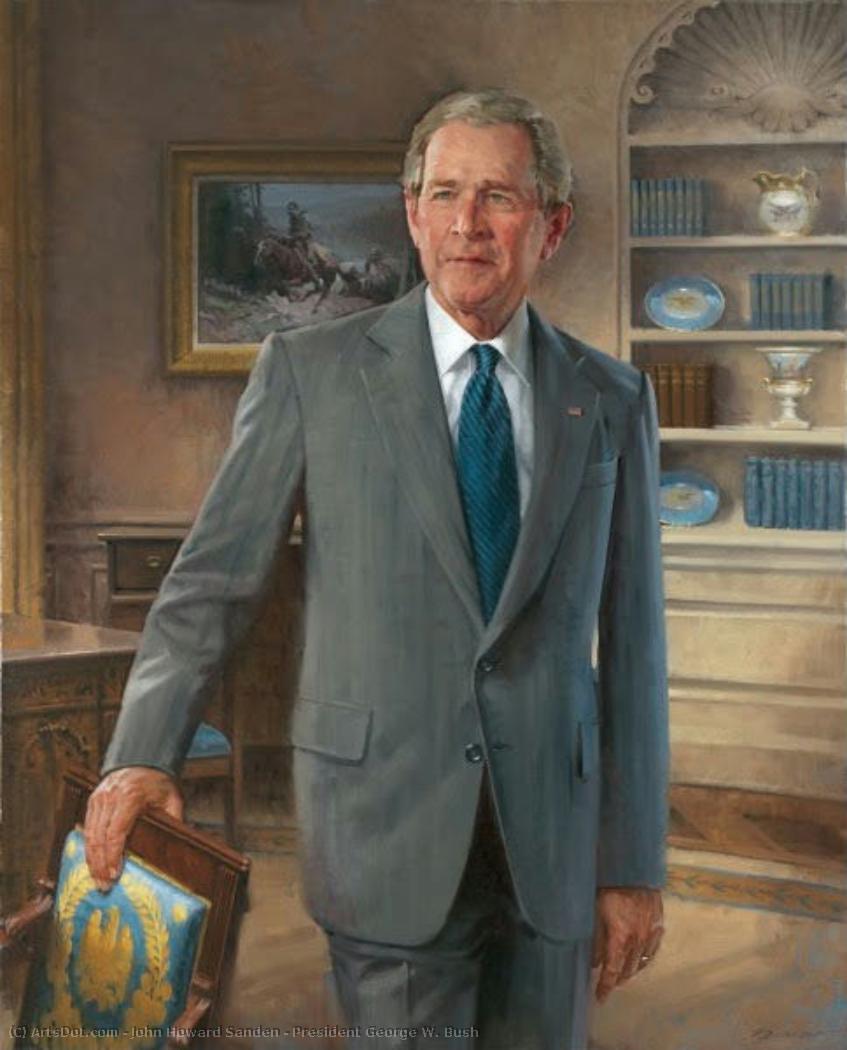
 Предпросмотр
 Поделиться
 Поделиться
 Детали произведения

 Скачать
 Похожие работы
 Рентгенография
 Слайд-шоу
 Статистика
President George W. Bush


 Читать далее
Приобретите цифровое изображение высокого разрешения в улучшенном качестве, которое значительно превосходит онлайн-превью.
Каждый файл тщательно подготавливается нашими специалистами с использованием передовых инструментов и экспертной ручной ретуши. Мы гарантируем исключительную четкость, точную цветопередачу и детальную проработку каждого изображения.
Финальный файл доставляется по электронной почте в течение 72 часов и оптимизирован для немедленного использования в профессиональной среде, при верстке и печати. Это тот же уровень качества, которому доверяют ведущие дизайнерские студии, издательства и галереи.
Цифровое изображение
Скачайте файл высокого разрешения для личного использования, печати и творческих проектов. ( Перейти к печати Купить картину ручной работы)
Включено в каждый заказ цифровых изображений
Гарантия экспертной цифровой доставки
Выбирая ArtsDot.com, вы получаете не просто изображение — вы приобретаете профессионально обработанное цифровое произведение искусства, созданное с безупречной точностью и под защитой гарантии качества. Вот всё, что автоматически входит в ваш заказ:

Мгновенная доставка по e-mail
Ваш цифровой файл в высоком разрешении будет отправлен вам по электронной почте в течение 72 часов после оформления заказа — и сразу станет доступен для использования.

Цифровой файл с ИИ-улучшением
Ваше произведение искусства проходит профессиональную оптимизацию с использованием передовых инструментов ИИ и ручной обработки, что гарантирует максимальную детализацию, четкость и точность цветопередачи.

Бессрочная бесплатная повторная доставка
Случайно удалили или потеряли файл? Не беспокойтесь — мы отправим его вам повторно в любое время и совершенно бесплатно.

Без импортных пошлин — навсегда
Наслаждайтесь вашим произведением искусства мгновенно без таможенных пошлин, сборов или затрат на доставку — цифровые загрузки всегда не облагаются налогом.

Гарантия точности цветопередачи
Мы гарантируем, что ваше цифровое изображение максимально точно передает оригинальные цвета благодаря использованию профессиональных инструментов и систем управления цветом.

Гарантия удовлетворенности 100 дней
Если вы не будете удовлетворены своим цифровым изображением, мы внесем правки или вернем 100% стоимости в течение 100 дней — без лишних вопросов.

100% Гарантия возврата средств
Не удовлетворены покупкой? Получите полный возврат средств в течение 100 дней после получения цифрового файла — без лишних вопросов.

Скидки на оптовые заказы
Купите 3 изображения, сэкономьте 10% — Купите 5, сэкономьте 15% — Купите 10+, сэкономьте 20%. Отличное решение для творческих проектов, галерей и агентств.
Похожие произведения
Биография художника
Early Life and Artistic Beginnings
James Lewis Dine, born in June 1935 in Cincinnati, Ohio, emerged from a surprisingly conventional upbringing to become one of the most influential figures in post-war American art. His early years were marked by a quiet domesticity—his father was an accountant, and his mother a homemaker—a stark contrast to the vibrant, experimental world he would soon navigate. However, this seemingly ordinary background provided a grounding that ultimately fueled his artistic explorations. A pivotal moment occurred during his teenage years when Dine encountered prints by German Expressionist masters like Ernst Ludwig Kirchner and Max Beckmann through a copy of Paul J. Sachs’ *Modern Prints and Drawings*. These works, with their raw emotion and fragmented forms, ignited within him a profound desire to capture the complexities of human experience—a yearning that would shape his entire career. He began experimenting with woodcuts in the basement of his grandparents' home, developing a foundational skill set and an intuitive understanding of printmaking techniques. This early immersion in the world of graphic art laid the groundwork for his later innovations, demonstrating a remarkable ability to distill complex ideas into simple, powerful visual forms.The Rise of Happenings and Early Experiments
Dine’s artistic trajectory took a dramatic turn in 1958 when he relocated to New York City, a hub of burgeoning avant-garde activity. He quickly immersed himself in the city's experimental art scene, joining forces with fellow artists Claes Oldenburg, Marcus Ratliff, Allan Kaprow, and Bob Whitman. This collaboration proved instrumental in the development of “happenings”—large-scale, immersive events that blurred the boundaries between art and life. Dine’s *The Smiling Workman* (1959), a simple, hand-printed image of a smiling worker, became an iconic symbol of this movement, representing a shift away from traditional artistic conventions and towards participatory experiences. This period was characterized by a playful irreverence and a willingness to challenge established norms—qualities that would remain central to Dine’s work throughout his career. He began experimenting with various printmaking techniques – lithography, etching, intaglio, dry paint, and woodcuts – often combining them in unexpected ways, pushing the boundaries of traditional methods.The Development of “Cut” and Minimalism
In the early 1960s, Dine embarked on a series of groundbreaking works known as "Cut," characterized by his meticulous cutting of paper into simple geometric shapes—squares, rectangles, circles—and then reassembling them to create new compositions. This seemingly reductive process was, in fact, incredibly complex and demanding, requiring immense precision and an acute awareness of spatial relationships. The “Cut” series represented a move towards minimalism, stripping away extraneous elements and focusing on the essential forms of shape and space. These works were not merely decorative; they explored themes of order, chaos, and the relationship between representation and abstraction. Simultaneously, Dine began to incorporate text into his work, often using simple phrases or words—"Cut," "Smile," "Eat"—to add layers of meaning and commentary. This integration of language and image further expanded the scope of his artistic practice, reflecting a growing interest in communication and social critique.Sculptural Explorations and Continued Innovation
Throughout the 1970s and beyond, Dine’s work continued to evolve, encompassing sculpture, photography, and performance art. He explored the possibilities of using everyday materials—paper, metal, wood—to create unexpected forms and structures. His sculptures often featured simple, repetitive elements, echoing the geometric rigor of his “Cut” series while introducing a tactile dimension. Dine’s photographic work also gained prominence during this period, documenting his studio practice and exploring themes of process and materiality. He remained committed to experimentation, constantly seeking new ways to challenge conventional notions of art and engage with the viewer. His later works often incorporated elements of chance and improvisation, reflecting a lifelong fascination with the interplay between control and spontaneity. His work became increasingly conceptual, inviting viewers to consider the very nature of art itself—its meaning, its function, and its relationship to the world around us.Legacy and Influence
Jim Dine’s impact on contemporary art is undeniable. His pioneering work in happenings, his innovative use of printmaking techniques, and his exploration of minimalism have profoundly influenced generations of artists. He demonstrated that art could be accessible, democratic, and deeply personal—a belief reflected in his commitment to making his work available to a wide audience through limited editions and affordable prints. Dine’s emphasis on process and materiality continues to resonate with artists today, encouraging them to embrace experimentation and challenge established conventions. His legacy extends beyond the realm of art; he is remembered as a thoughtful and engaging artist who consistently sought to connect with people in meaningful ways—a testament to the enduring power of simple forms and honest expression.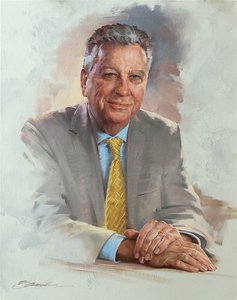
john howard sanden
1935 - 2022 , United States of America
Основные сведения
- Artistic Movement Or Style: Happenings, Printmaking
- Artists Or Movements Influenced By This Artist: ['Allan Kaprow']
- Artists Who Influenced This Artist:
- Paul J. Sachs
- Ernst Ludwig Kirchner
- Date Of Birth: June 16, 1935
- Full Name: James Lewis Dine
- Nationality: American
- Notable Artworks:
- The Smiling Workman
- Cut Cards
- Place Of Birth: Cincinnati, Ohio, USA