

 Предпросмотр
 Поделиться
 Поделиться
 Детали произведения

 Скачать
 Похожие работы
 Рентгенография
 Слайд-шоу
 Статистика
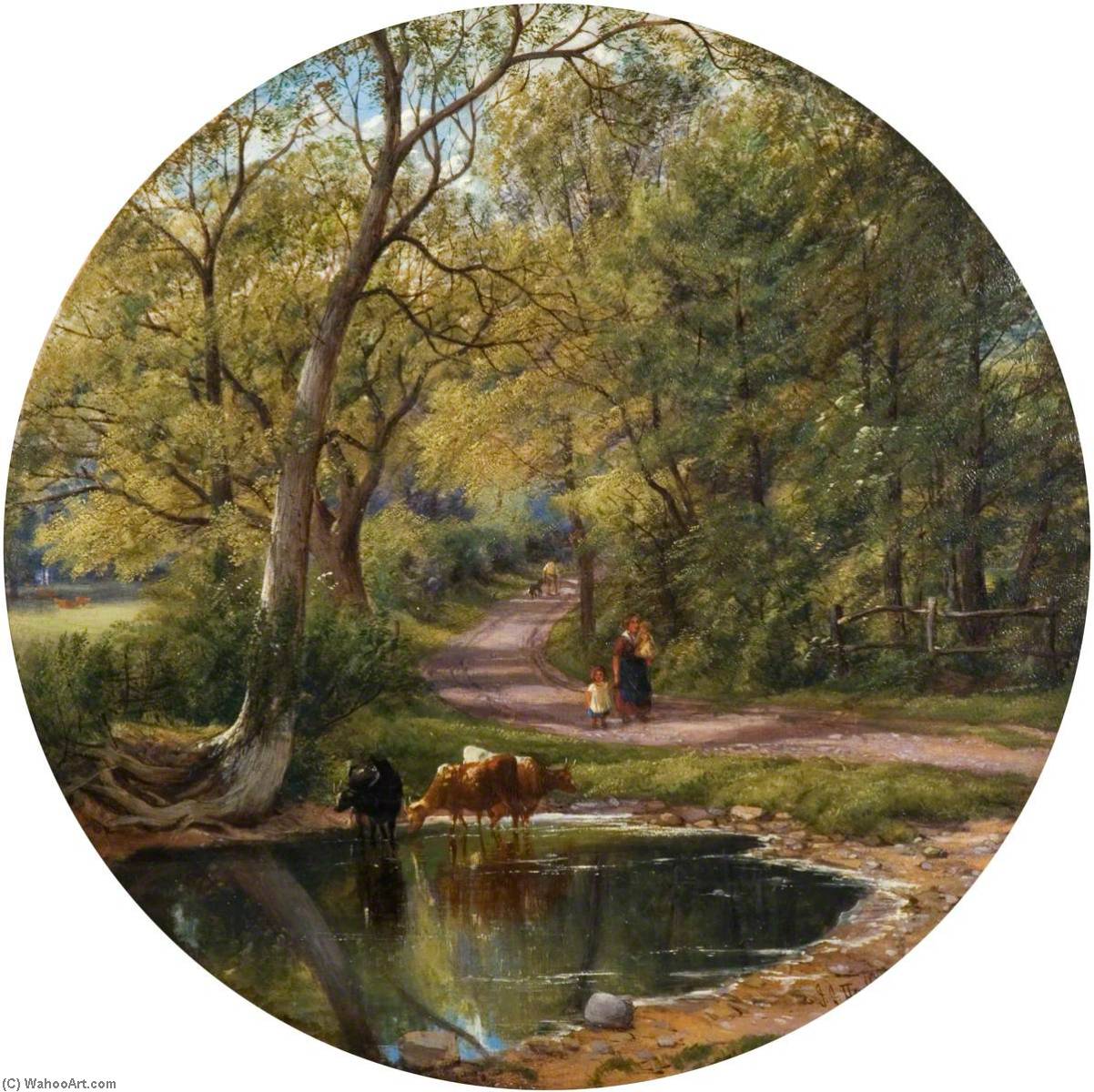
A Pleasant Lane at Hamstead
 Oil
Oil- WallArt
- Realism
 1865
1865- 19th Century
 61.0 x 61.0 cm
 University of Birmingham
 Читать далее
Масляная репродукция ручной работы
Картина маслом на холсте в выбранном вами размере и раме, написанная на заказ нашими художниками. ( Перейти к печати Перейти к цифровым изображениям)




P118B $10

P118H $10

P118W $10

P438Z $10

P508JH $12

P508YH $12

P805H $10

P805Z $10

P919BZ $10

P919G $10

P919XJ $10

P959ZH $10

P968JZ $12

W106C $8

W218G $10

W218JH $8

W218Y $10

W307PJ $10

W316G $10

W316PJ $8

W316Y $10

W398PJ $8

W4111J $10

W500HY $15

W500JH $15

W692G $12

W849H $8

W940BG $15

W953PJ $8




Выберите один из наших стандартных размеров, соответствующих оригинальным пропорциям произведения искусства.

Вы можете указать собственные размеры, чтобы картина идеально вписалась в выбранную раму или пространство. Если выбранный вами размер не соответствует пропорциям оригинала, мы либо обрежем полотно, либо расширим его за счет дополнительных элементов, написанных вручную. Цифровой макет будет отправлен вам на утверждение перед началом производства.
Обратите внимание, что предварительный просмотр на экране не отражает фактическую обрезку или расширение. Только макет точно покажет окончательную композицию.
Хотя доступны индивидуальные размеры, мы рекомендуем выбирать вариант из предопределенного списка, чтобы сохранить исходные пропорции.
После оформления заказа команда ArtsDot.com свяжется с клиентом по электронной почте для уточнения деталей и предоставит предварительный макет
Доставка по всему миру () за 3–4 недели вместо стандартных 5 недель. (11 Сентябрь). Без компромиссов в качестве.

Бесплатная экспресс-доставка по всему миру

Высококачественный льняной холст

Полное страхование доставки

Гарантия возмещения таможенных пошлин

Гарантия точного соответствия цветов

100-дневная политика возврата (только при обнаружении дефектов)

Гарантия возврата 100% средств

Предложение оптовых скидок
 Вариант со стеклом доступен только для размеров менее 110 см

A Pleasant Lane at Hamstead
Техника репродукции
Размер репродукции
-


Итоговая стоимость
$ 263
A Window into a Serene Pastoral Past
A Pleasant Lane at Hamstead invites the viewer to step away from the frenetic pace of modern existence and wander into the quiet, sun-dappled heart of the nineteenth-century English countryside. Painted in 1865 by the master of understated landscapes, John Joseph Hughes, this exquisite work captures a moment of profound tranquility. The composition centers on a gentle lane, flanked by lush, verdant trees that arch overhead like a natural cathedral, filtering the light to create a soft, dappled effect upon the path below. As your eyes traverse the canvas, you encounter figures strolling leisurely along the way, their presence adding a sense of human warmth and community to the scene. Near the water's edge, two cows graze in quiet contemplation, grounding the painting in the rhythmic, peaceful reality of rural life. It is more than just a landscape; it is a narrative of harmony between humanity and the natural world.Mastery of Light and Texture
The technique employed by Hughes in this piece demonstrates a remarkable sensitivity to the nuances of the English atmosphere. Eschewing dramatic or jarring brushstrokes, the artist utilizes a refined approach to texture that brings the foliage and the earth to life with subtle precision. The interplay of light and shadow is particularly captivating; one can almost feel the warmth of the afternoon sun breaking through the canopy and the cool moisture of the nearby water. For the discerning collector or interior designer, this painting offers a sophisticated balance of color and composition. The palette, dominated by rich greens, earthy browns, and soft sky tones, provides a calming focal point that can anchor a room, offering a sense of depth and organic elegance to any curated space.A Nostalgic Journey through History
To understand the emotional resonance of this work, one must consider the historical context of Hughes’s era. Living through a period of significant industrial transition, Hughes sought to preserve the idyllic, vanishing beauty of the English landscape. His background as a gardener and teacher is evident in his meticulous attention to botanical detail and his ability to find the extraordinary within the ordinary. There is a profound sense of nostalgia embedded in every stroke—a longing for a time when life moved at the pace of a walking path and the boundaries between civilization and nature were beautifully blurred. This painting serves as a poignant historical document, capturing the soul of a landscape that remains an eternal symbol of peace and pastoral perfection.An Inspiration for the Modern Interior
For those seeking to infuse their homes or galleries with a sense of timelessness, this reproduction offers an unparalleled opportunity. The artwork’s ability to evoke emotion—ranging from quiet introspection to a gentle joy—makes it a versatile masterpiece for various design aesthetics, whether one is styling a classic manor or a contemporary minimalist retreat. Owning a piece that captures such a delicate balance of light, life, and legacy allows the viewer to maintain a permanent connection to the serene beauty of the natural world, making A Pleasant Lane at Hamstead not just a decoration, but an enduring source of inspiration.Похожие произведения

Биография художника
John Joseph Hughes: A Shepherd of English Landscapes
John Joseph Hughes (1797-1864) stands as a quietly significant figure in 19th-century British art, primarily recognized for his serene and meticulously rendered depictions of English countryside life. Born in County Tyrone, Ireland, Hughes’s artistic journey began not with grand ambitions but with a grounding in the practicalities of rural existence – initially as a gardener, later as a teacher and eventually, a dedicated landscape painter. His work offers a poignant glimpse into a vanishing era, capturing idyllic scenes of Warwickshire mills, castles, and rolling fields with an understated beauty that belies their historical importance. Hughes’s art isn't characterized by dramatic flourishes or bold statements; instead, it resides in the subtle nuances of light, texture, and composition, creating images imbued with a profound sense of peace and nostalgia.Early Life and Influences: From Gardener to Painter
Hughes’s early life was shaped by both hardship and opportunity. Born into a modest farming family, he experienced the challenges of rural Irish life firsthand. This experience instilled in him a deep appreciation for the natural world and a keen eye for detail – qualities that would later inform his artistic practice. His initial employment as a gardener at Favour Royal Manor provided invaluable exposure to diverse plant life and cultivated an understanding of landscape design. Crucially, this period also introduced him to the burgeoning world of art through his association with Mother Elizabeth Ann Seton, a pivotal figure in the early Catholic Church in America. Her encouragement and support paved the way for Hughes’s formal artistic training at Mount St. Mary's College in Emmitsburg, Maryland – an institution that profoundly shaped his aesthetic sensibilities. The influence of the Pre-Raphaelites, though perhaps not explicitly acknowledged, is subtly present in his meticulous attention to detail and his preference for depicting scenes of quiet beauty. Interestingly, Hughes’s career was initially intertwined with the Catholic Church; he served as a priest and later as Archbishop of New York, demonstrating a commitment to both artistic expression and religious service.A Painter of Pastoral Scenes: Warwickshire and Beyond
Hughes's most celebrated works depict scenes from the English countryside, particularly those found in Warwickshire. His paintings are not grand historical narratives but rather intimate portraits of daily life – farmers tending their fields, mill workers at their looms, and stately castles standing sentinel over vast landscapes. A prime example is “Farm in Wood Lane, Handsworth, Birmingham,” a work that exemplifies his signature style: muted tones, layered textures, and an almost photographic realism. The composition draws the eye through carefully placed elements, creating a sense of depth and inviting the viewer to lose themselves in the scene. While he frequently painted mills, these weren’t simply industrial structures; they were integrated seamlessly into the landscape, reflecting Hughes's belief in the harmonious relationship between humanity and nature. His depictions of castles, often viewed from a distance, suggest a connection to England’s rich history and tradition. Hughes’s ability to capture the essence of a place – its light, atmosphere, and character – is what distinguishes his work and endures as a testament to his artistic skill.Technique and Style: Meticulous Detail and Atmospheric Perspective
Hughes's artistic technique was characterized by meticulous detail and a sophisticated understanding of atmospheric perspective. He employed a restrained palette, favoring earthy tones and subtle gradations of color to create a sense of realism and depth. His brushwork is generally smooth and controlled, reflecting his careful observation of nature. He paid particular attention to the rendering of light and shadow, using chiaroscuro – the dramatic contrast between light and dark – to model forms and evoke mood. The influence of Joseph Wright of Derby, a pioneering artist known for his scientific depictions of industry and natural phenomena, can be detected in Hughes’s use of light and composition. Hughes's work is not about grand gestures or flamboyant displays; it’s about capturing the quiet beauty of everyday life with remarkable precision and sensitivity.Legacy and Historical Significance
John Joseph Hughes may not be a household name, but his paintings hold a significant place in British art history. His serene landscapes offer a valuable window into 19th-century England – a time of rapid social change and industrialization. His work stands as a counterpoint to the more dramatic and overtly political art of the era, providing instead a quiet celebration of rural life and the beauty of the natural world. The National Portrait Gallery’s collection of his works underscores their enduring appeal and historical importance. Hughes's legacy lies not in revolutionary innovations but in his ability to capture the essence of a bygone era with remarkable skill and understated grace – a testament to the power of observation, patience, and a deep appreciation for the beauty that surrounds us.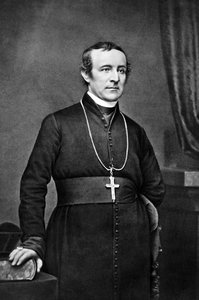
john joseph hughes
1797 - 1864
Основные сведения
- Artistic Movement Or Style: Landscape painting
- Date Of Birth: 1797
- Date Of Death: 1864
- Full Name: John Joseph Hughes
- Nationality: British
- Notable Artworks:
- Farm in Wood Lane
- Warwickshire views
- Place Of Birth: County Tyrone, Ireland
Похожие статьи

Джон Констебль: 25 шедевров английского пейзажа для вашего интерьера
Погрузитесь в мир английского пейзажа с Джоном Констеблом! 25 шедевров романтизма, история создания картин и вдохновение для вашего интерьера. Репродукции высокого качества на ArtsDot.com – искусство для ценителей.

Романтический пейзаж: 10 шедевров, изменивших искусство | ArtsDot.com
Погрузитесь в мир романтического пейзажа! 10 шедевров Фридриха, Тёрнера и других гениев. Узнайте историю создания культовых картин и вдохновитесь для декора интерьера. Репродукции высокого качества на ArtsDot.com.
Serene Visions: Exploring Themes of Tranquility in Art History & Contemporary Practice
Explore the history of serene landscape art & discover artists who evoke tranquility. Find the perfect calming artwork for your home with expert guidance from ArtsDot.

Evocations of Place: A Historical Journey Through Landscape Art
Explore the rich history of landscape art with ArtsDot. Discover renowned artists, movements like Impressionism & Romanticism, and expert guidance for collecting timeless pieces. Find your perfect serene escape today!

Evoking Tranquility: A Comprehensive Exploration of Serene Landscapes in Art History
Explore the history of serene landscapes in art! Discover renowned artists like Monet & Munch, movements from Impressionism to Tonalism, and find the perfect piece to bring tranquility to your home. Expert insights at ArtsDot.