


 Предпросмотр
 Поделиться
 Поделиться
 Детали произведения

 Скачать
 Похожие работы
 Рентгенография
 Слайд-шоу
 Статистика
A Stormy Day, Stonehaven, Aberdeenshire
 40.0 x 60.0 cm
 Читать далее
Приобретите цифровое изображение высокого разрешения в улучшенном качестве, которое значительно превосходит онлайн-превью.
Каждый файл тщательно подготавливается нашими специалистами с использованием передовых инструментов и экспертной ручной ретуши. Мы гарантируем исключительную четкость, точную цветопередачу и детальную проработку каждого изображения.
Финальный файл доставляется по электронной почте в течение 72 часов и оптимизирован для немедленного использования в профессиональной среде, при верстке и печати. Это тот же уровень качества, которому доверяют ведущие дизайнерские студии, издательства и галереи.
Цифровое изображение
Скачайте файл высокого разрешения для личного использования, печати и творческих проектов. ( Перейти к печати Купить картину ручной работы)
Включено в каждый заказ цифровых изображений
Гарантия экспертной цифровой доставки
Выбирая ArtsDot.com, вы получаете не просто изображение — вы приобретаете профессионально обработанное цифровое произведение искусства, созданное с безупречной точностью и под защитой гарантии качества. Вот всё, что автоматически входит в ваш заказ:

Мгновенная доставка по e-mail
Ваш цифровой файл в высоком разрешении будет отправлен вам по электронной почте в течение 72 часов после оформления заказа — и сразу станет доступен для использования.

Цифровой файл с ИИ-улучшением
Ваше произведение искусства проходит профессиональную оптимизацию с использованием передовых инструментов ИИ и ручной обработки, что гарантирует максимальную детализацию, четкость и точность цветопередачи.

Бессрочная бесплатная повторная доставка
Случайно удалили или потеряли файл? Не беспокойтесь — мы отправим его вам повторно в любое время и совершенно бесплатно.

Без импортных пошлин — навсегда
Наслаждайтесь вашим произведением искусства мгновенно без таможенных пошлин, сборов или затрат на доставку — цифровые загрузки всегда не облагаются налогом.

Гарантия точности цветопередачи
Мы гарантируем, что ваше цифровое изображение максимально точно передает оригинальные цвета благодаря использованию профессиональных инструментов и систем управления цветом.

Гарантия удовлетворенности 100 дней
Если вы не будете удовлетворены своим цифровым изображением, мы внесем правки или вернем 100% стоимости в течение 100 дней — без лишних вопросов.

100% Гарантия возврата средств
Не удовлетворены покупкой? Получите полный возврат средств в течение 100 дней после получения цифрового файла — без лишних вопросов.

Скидки на оптовые заказы
Купите 3 изображения, сэкономьте 10% — Купите 5, сэкономьте 15% — Купите 10+, сэкономьте 20%. Отличное решение для творческих проектов, галерей и агентств.
Похожие произведения




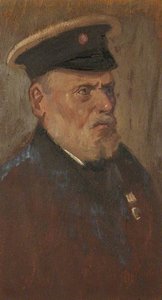





Биография художника
John Muirhead (1855–1943): Pioneer of Plant Anatomy
John Muirhead Macfarlane (September 28, 1855 – September 16, 1943) was a Scottish anatomist and botanist who made significant contributions to the understanding of plant cell structure. Born in Kirkcaldy, Fife, he pursued his scientific passions with unwavering dedication, shaping the landscape of botanical research during the late Victorian and Edwardian eras.- Early Life & Education: Muirhead’s formative years were marked by a fascination for natural history instilled by his father, who encouraged him to explore the intricacies of the natural world. He excelled academically at St Andrew's University, earning degrees in medicine and botany—a dual pursuit that would prove instrumental in his subsequent scientific endeavors.
- Academic Career: Muirhead’s scholarly journey continued at Glasgow University, where he became Regius Professor of Botany in 1893. During his tenure, he established a renowned anatomical laboratory and mentored generations of students, fostering a tradition of meticulous observation and rigorous experimentation.
- Botanical Research & Discoveries: Muirhead's groundbreaking research focused on the ultrastructure of plant cells—specifically, chloroplasts and mitochondria—revolutionizing our comprehension of photosynthesis and cellular respiration. His meticulous preparations and detailed illustrations captivated fellow botanists and cemented his reputation as a visionary scientist.
- Notable Publications: Muirhead authored numerous influential treatises that reshaped botanical dogma. Among his most celebrated works were “The Anatomy of Flowering Plants” (1894) and “Plant Physiology,” which meticulously documented the biochemical processes underpinning plant growth and development—publications that continue to serve as foundational texts in modern botany.
- Legacy & Influence: John Muirhead Macfarlane’s legacy extends far beyond his scientific achievements. He championed the importance of anatomical investigation as a cornerstone of botanical understanding, inspiring countless researchers to pursue similar endeavors. His meticulous approach and unwavering commitment to accuracy established him as an exemplar of scholarly integrity—a figure whose contributions endure in the annals of plant science.
The Anatomical Laboratory at Glasgow University
Muirhead’s laboratory was a beacon of scientific innovation during his time, attracting students from across Scotland and beyond. Equipped with cutting-edge instrumentation—including staining techniques and microscopy—it fostered an environment conducive to groundbreaking discoveries. The laboratory's meticulous organization and adherence to exacting standards reflected Muirhead’s unwavering belief in the power of methodical observation as a path toward unlocking botanical mysteries.- Instrumentation & Techniques: Muirhead championed the use of advanced staining methods—particularly aniline dyes—to visualize subcellular structures with unprecedented clarity. He meticulously documented his experimental protocols and disseminated his findings through peer-reviewed publications, establishing Glasgow University as a center for anatomical research.
- Student Mentorship: Muirhead cultivated a supportive atmosphere within his laboratory, nurturing the intellectual curiosity of his students and encouraging them to pursue independent investigations—a tradition that persisted long after his departure from Glasgow University.
- Collaborations & Partnerships: Muirhead forged fruitful alliances with fellow botanists—both nationally and internationally—collaborating on research projects that broadened our understanding of plant biology. These partnerships underscored the importance of interdisciplinary dialogue in advancing scientific knowledge.
- Impact on Botanical Education: Muirhead’s laboratory served as a model for botanical education, shaping curricula and pedagogical practices across Scotland. His emphasis on anatomical investigation instilled in generations of students a lifelong appreciation for meticulous observation and rigorous experimentation—a legacy that continues to resonate within the halls of Glasgow University today.
Muirhead's Contributions to Plant Physiology
Beyond his anatomical investigations, Muirhead’s research into plant physiology yielded invaluable insights into the biochemical processes governing plant growth and development. He meticulously documented experimental observations and synthesized complex data—demonstrating a remarkable ability to distill fundamental principles from intricate biological systems. His work challenged prevailing assumptions about plant metabolism and paved the way for future advancements in plant science.- Chloroplasts & Mitochondria: Muirhead’s pioneering studies focused on elucidating the ultrastructure of chloroplasts—the organelles responsible for photosynthesis—and mitochondria—the powerhouses of eukaryotic cells—revolutionizing our comprehension of energy transduction and carbon fixation.
- Experimental Protocols & Data Analysis: Muirhead rigorously adhered to established experimental protocols, employing quantitative techniques to assess plant responses to environmental stimuli—a methodological approach that underscored the importance of empirical evidence in scientific inquiry.
- Theoretical Frameworks & Interpretations: Muirhead skillfully integrated theoretical frameworks—derived from thermodynamics and biochemistry—with observational data—resulting in nuanced interpretations of plant physiology that transcended simplistic mechanistic explanations.
- Influence on Subsequent Research: Muirhead’s work profoundly impacted subsequent botanical research, inspiring scientists to explore similar questions about plant metabolism and signaling pathways—a legacy that continues to shape the field of plant biology today.
Notable Publications & Scientific Legacy
Muirhead's scholarly output spanned numerous influential treatises that reshaped botanical dogma during his lifetime. Among his most celebrated works were “The Anatomy of Flowering Plants” (1894) and “Plant Physiology,” which meticulously documented the biochemical processes underpinning plant growth and development—publications that continue to serve as foundational texts in modern botany. His meticulous preparations and detailed illustrations captivated fellow botanists and cemented his reputation as a visionary scientist.- “The Anatomy of Flowering Plants” (1894): This monumental monograph comprehensively charted the ultrastructural organization of flowering plants—establishing Muirhead as a leader in botanical anatomy and cementing his place among the foremost scientists of his era.
- “Plant Physiology” (1897): Muirhead’s groundbreaking treatise dissected the biochemical processes governing plant metabolism—challenging prevailing assumptions about plant energy transduction and carbon fixation—and ushering in a new era of plant physiology research.
- Collaborations & Contributions to Botanical Nomenclature: Muirhead actively participated in taxonomic revisions and collaborated with fellow botanists on efforts to standardize botanical nomenclature—enhancing the clarity and precision of scientific communication.
- Recognition & Honors: Muirhead received numerous accolades for his scholarly achievements—including honorary doctorates from universities across Europe—affirming his stature as a titan of botanical science and cementing his legacy as an exemplar of intellectual rigor.
Historical Significance & Enduring Influence
John Muirhead Macfarlane’s contributions to plant anatomy and physiology transcended the confines of his scientific laboratory, shaping the trajectory of botanical research for decades after his passing. His unwavering commitment to meticulous observation—coupled with his pioneering use of staining techniques and microscopy—established him as a cornerstone of modern botany—a figure whose legacy continues to inspire scientists worldwide.- Foundation of Plant Cell Biology: Muirhead’s anatomical investigations laid the groundwork for the emergence of plant cell biology—establishing him as one of the progenitors of this transformative field of scientific inquiry.
- Impact on Agricultural Practices: Muirhead's research into plant physiology informed agricultural practices—enhancing crop yields and improving food security—demonstrating the tangible consequences of botanical science for human welfare.
- Influence on Botanical Education & Training: Muirhead’s laboratory served as a model for botanical education—inspiring generations of students to pursue scientific careers and fostering a tradition of rigorous inquiry—a legacy that continues to resonate within the halls of Glasgow University today.
- Recognition in Botanical Literature & Scholarship: Muirhead's work remains cited extensively in botanical literature—serving as a testament to his enduring influence on scholarly discourse and cementing his place among the most revered botanists of all time.
Concluding Remarks
John Muirhead Macfarlane’s life was dedicated to unraveling the mysteries of plant biology—a pursuit that yielded transformative insights into the fundamental processes underpinning plant growth, development, and metabolism. His unwavering commitment to scientific rigor—coupled with his pioneering use of staining techniques and microscopy—established him as a titan of botanical science—a figure whose legacy continues to inspire scientists worldwide.- A Visionary Scientist: Muirhead’s intellectual curiosity—fueled by an innate fascination for the natural world—propelled him to forge new paths in plant anatomy and physiology—solidifying his place among the most innovative thinkers of his era.
- A Champion of Botanical Education: Muirhead's laboratory served as a beacon of scientific excellence—inspiring generations of students to pursue botanical careers and fostering a tradition of rigorous inquiry—a legacy that continues to resonate within the halls of Glasgow University today.
- An Enduring Influence on Plant Science: Muirhead’s groundbreaking research—characterized by meticulous observation and quantitative analysis—remains cited extensively in botanical literature—affirming his enduring influence on scholarly discourse and cementing his place among the most revered botanists of all time.

Джон Констебл
Шотландия
Основные сведения
- Artistic Movement Or Style: Romanticism
- Artists Who Influenced This Artist: ['William Hunter']
- Date Of Birth: September 28, 1855
- Date Of Death: September 16, 1943
- Full Name: John Muirhead Macfarlane
- Nationality: Scottish
- Notable Artworks:
- The Cause and Course of Organic Evolution
- Nepenthaceae
- Place Of Birth: Kirkcaldy, Fife