

 Предпросмотр
 Поделиться
 Поделиться
 Детали произведения

 Скачать
 Похожие работы
 Рентгенография
 Слайд-шоу
 Статистика
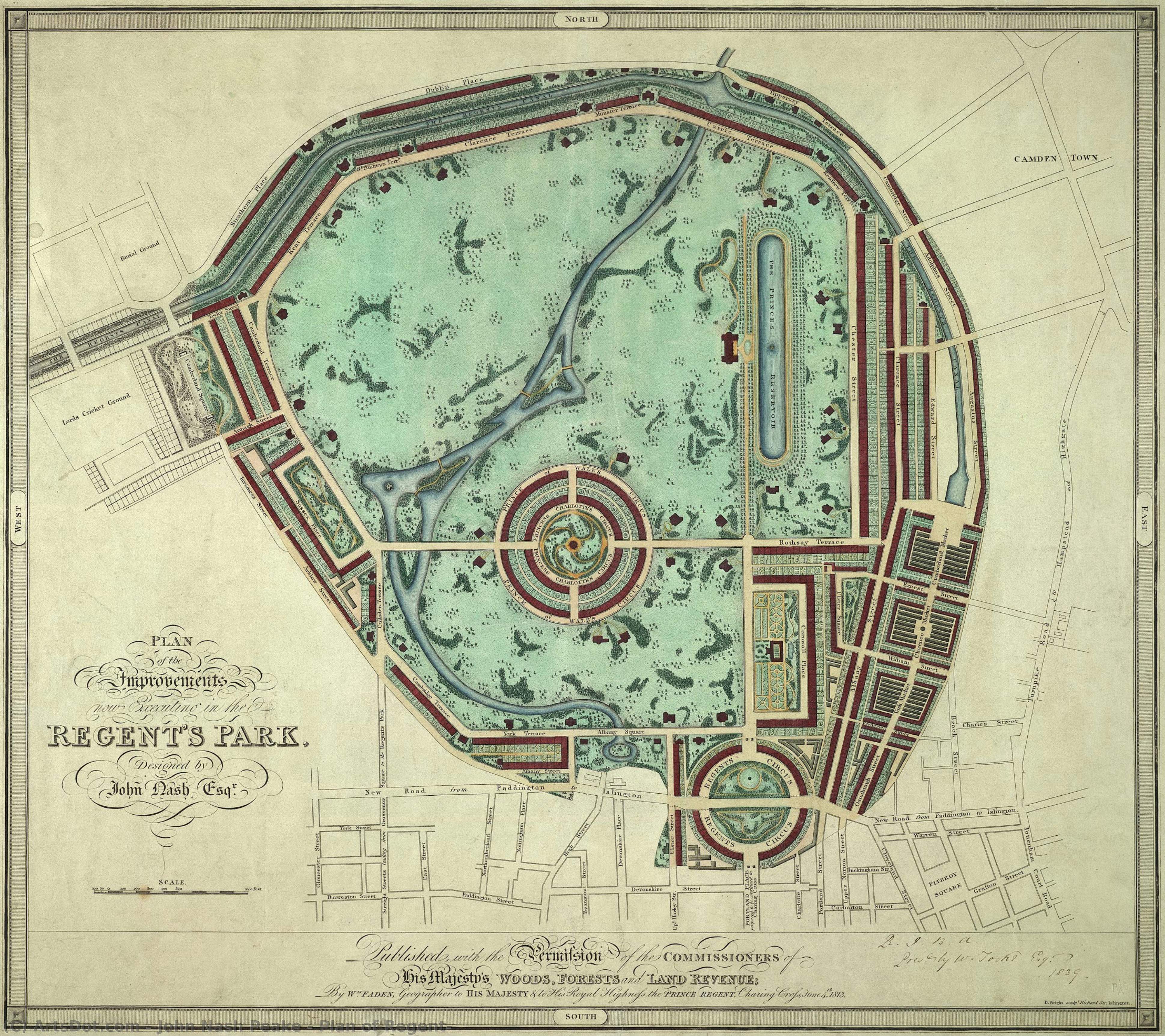
Plan of Regent


 Читать далее
Масляная репродукция ручной работы
Картина маслом на холсте в выбранном вами размере и раме, написанная на заказ нашими художниками. ( Перейти к печати Перейти к цифровым изображениям)




































Выберите один из наших стандартных размеров, соответствующих оригинальным пропорциям произведения искусства.

Вы можете указать собственные размеры, чтобы картина идеально вписалась в выбранную раму или пространство. Если выбранный вами размер не соответствует пропорциям оригинала, мы либо обрежем полотно, либо расширим его за счет дополнительных элементов, написанных вручную. Цифровой макет будет отправлен вам на утверждение перед началом производства.
Обратите внимание, что предварительный просмотр на экране не отражает фактическую обрезку или расширение. Только макет точно покажет окончательную композицию.
Хотя доступны индивидуальные размеры, мы рекомендуем выбирать вариант из предопределенного списка, чтобы сохранить исходные пропорции.
После оформления заказа команда ArtsDot.com свяжется с клиентом по электронной почте для уточнения деталей и предоставит предварительный макет
Доставка по всему миру () за 3–4 недели вместо стандартных 5 недель. (11 Сентябрь). Без компромиссов в качестве.

Бесплатная экспресс-доставка по всему миру

Высококачественный льняной холст

Полное страхование доставки

Гарантия возмещения таможенных пошлин

Гарантия точного соответствия цветов

100-дневная политика возврата (только при обнаружении дефектов)

Гарантия возврата 100% средств

Предложение оптовых скидок
 Вариант со стеклом доступен только для размеров менее 110 см

Plan of Regent
Техника репродукции
Размер репродукции
-


Итоговая стоимость
$ 263
A Visionary Blueprint: The Architectural Elegance of Plan of Regent
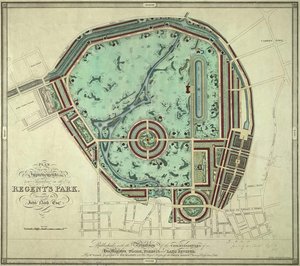
In the delicate interplay between urban planning and romantic landscape, Plan of Regent emerges as a captivating window into the early nineteenth-century imagination. Created in 1813, this exquisite work serves as more than a mere topographical map; it is a poetic rendering of an era defined by grand ambitions and the pursuit of aesthetic harmony. The composition centers upon a magnificent circular expanse, a focal point that suggests the rhythmic pulse of a race track or a grand promenade, around which the world seems to orbit in perfect, calculated grace. Through the artist's lens, we witness the birth of a structured paradise, where the rigid lines of human design meet the fluid, untamed beauty of the natural world.
The artistry within this piece lies in its ability to blend the precision of an architectural draft with the soft, atmospheric qualities of landscape painting. The artist utilizes a delicate technique to depict the winding river that meanders through the parkland, acting as a silver thread that binds the various elements of the composition together. Smaller circular features, perhaps representing tranquil ponds or manicured gardens, are scattered throughout the terrain like jewels dropped upon a verdant velvet. This rhythmic repetition of shapes creates a sense of visual music, guiding the viewer's eye across the canvas in a dance of discovery, from the dense clusters of trees to the distant, stately silhouettes of buildings.
For the discerning collector or interior designer, Plan of Regent offers a profound sense of order and serenity. The historical context of 1813—a period of immense transition in Britain—is captured here through a lens of optimism and structural beauty. There is a deep symbolism in the way the man-made paths intersect with the organic flow of the water, representing the eternal human desire to cultivate nature without conquering it. This piece does not merely decorate a wall; it invites contemplation on the balance between civilization and the wild.
Integrating a high-quality reproduction of this work into a contemporary space provides an instant infusion of classical sophistication. Whether placed in a sunlit study or as a focal point in a grand hallway, the painting’s muted tones and intricate details evoke a timelessness that transcends modern trends. It serves as an intellectual anchor for a room, offering guests a narrative of history, geometry, and grace. To possess this work is to hold a fragment of a lost era, a beautifully preserved dream of a perfectly ordered world.
Похожие произведения

Биография художника
The Soul of the English Landscape: The Life and Legacy of John Nash Peake
In the annals of British Modernism, few artists possess the ability to bridge the gap between the serene romanticism of the countryside and the visceral, psychological shadows of war as profoundly as John Nash Peake. Born in London in 1896 into a lineage of creative distinction—his father being a noted sculptor—Peake was immersed in the language of form and visual storytelling from his earliest years. This foundational connection to the arts led him to the prestigious Slade School of Art, where he refined a technique that would eventually allow him to capture not just the physical world, but the very atmosphere of existence itself. His early training was deeply colored by the Impressionist masters; the light-drenched canvases of Claude Monet and the structural color explorations of Paul Cézanne became the pillars upon which he built his stylistic identity, instilling in him a lifelong devotion to capturing fleeting, atmospheric sensations with remarkable precision.
Peake’s artistic journey is often viewed through two distinct lenses: the sublime beauty of nature and the harrowing reality of human conflict. In his landscape works, he functioned as a romantic visionary, seeking to portray the majesty of the natural world while simultaneously acknowledging its fragility in an age of rapid industrialization. His ability to render grand, sweeping vistas—such as the breathtakingly detailed The Matterhorn—demonstrates a mastery of oil painting that utilizes bold, expressive brushstrokes to evoke a sense of awe and contemplation. In these works, the viewer is not merely looking at a mountain or a lake, but is invited into a space where the textures of rock and water feel palpably alive, reflecting a humanist concern for preserving the untouched beauty of the earth.
The Shadow of the Great War
However, the trajectory of Peake’s career was irrevocably altered by the onset of World War I. The transition from the tranquil landscapes of his youth to the grim, mud-soaked reality of the Western Front introduced a new, darker dimension to his palette and purpose. Witnessing the horrors of trench warfare firsthand, Peake moved beyond mere topographical representation to explore the profound psychological toll of combat. His wartime paintings serve as haunting chronicles of anxiety and disillusionment, where the landscape itself becomes a participant in the tragedy.
In masterpieces such as Oppy Wood, 1917. Evening, Peake captures a moment of heavy, palpable tension. The scene is not one of peace, but of a world suspended in the terrifying anticipation of violence. Through his skilled use of muted tones and the soft, hazy quality of twilight, he renders the rugged confines of the trenches with a grit that feels almost tactile. The inclusion of an airplane drifting through the dusk serves as a poignant symbol of the evolving nature of modern warfare, bridging the gap between the earthbound struggle of the infantry and the terrifying new dimension of aerial combat. In these works, the trees and woods are no longer just elements of nature; they become silent, somber witnesses to the unfolding human drama.
Artistic Significance and Enduring Influence
The historical significance of John Nash Peake lies in his ability to synthesize these opposing forces—the beautiful and the brutal. He did not merely document history; he translated the emotional landscape of a generation into a visual language that remains deeply moving today. His career, which spanned several decades as a painter, illustrator, and teacher, left an indelible mark on the British artistic landscape by proving that modernism could encompass both the delicate nuances of light and the heavy weight of human suffering.
To reflect upon Peake's contributions is to recognize a legacy defined by:
- Technical Mastery: A sophisticated application of Impressionist-inspired light and texture that brought landscapes to life.
- Emotional Depth: The courage to move from the romanticized view of nature into the psychological complexities of war.
- Historical Witness: Providing a visual record of the transition from 19th-century romanticism to the stark realities of 20th-century conflict.
Through his evocative canvases, Peake remains a pivotal figure for those seeking to understand the dual nature of the human experience—the capacity to find sublime beauty even amidst the encroaching shadows of history.
Основные сведения
- Artistic Movement Or Style: British Modernism
- Artists Or Movements Influenced By This Artist: ['Romantic Landscape Painting']
- Artists Who Influenced This Artist: ['Paul Nash']
- Date Of Birth: 1896
- Date Of Death: 1970
- Full Name: John Nash Peake
- Nationality: British
- Notable Artworks:
- The Matterhorn
- Fishing Fleet, Tenby
- Oppy Wood, 1917. Evening
- Place Of Birth: London, England
Похожие статьи

The Nuances of Graphite: Exploring Emotional Depth & Technical Mastery in Pencil Drawing
Explore the captivating world of graphite drawing! Discover its rich history, master essential techniques like chiaroscuro, and learn how artists evoke emotion through this timeless medium. Expert insights for art enthusiasts.
Frederick Bridgman: Anatomical Mastery & the Evolution of Figure Drawing Instruction
Explore the anatomical mastery of George B. Bridgman & his revolutionary figure drawing techniques. Discover how his methods transformed art instruction and continue to inspire artists today. Learn more at ArtsDot.

The Enduring Power of Line: Exploring Themes & Techniques in Drawing Across Art History
Explore the rich history of drawing! Discover key techniques like linear perspective & iconic artists from the Renaissance to modern times. Enhance your art appreciation with ArtsDot.

Gordon Parks: A Poetic Lens on American Life – Photography, Social Justice & Storytelling
Explore the profound work of Gordon Parks, a groundbreaking photographer who documented American life with unparalleled empathy and artistry. Discover his iconic images & lasting impact on social justice through Life magazine & beyond.

F.A.Q.: Отслеживание Заказа Искусства – Руководство для Ценителей
Узнайте, как отследить свой заказ произведений искусства на . Подробное руководство для ценителей и коллекционеров. Гарантия качества и надежной доставки.