

 Предпросмотр
 Поделиться
 Поделиться
 Детали произведения

 Скачать
 Похожие работы
 Рентгенография
 Слайд-шоу
 Статистика
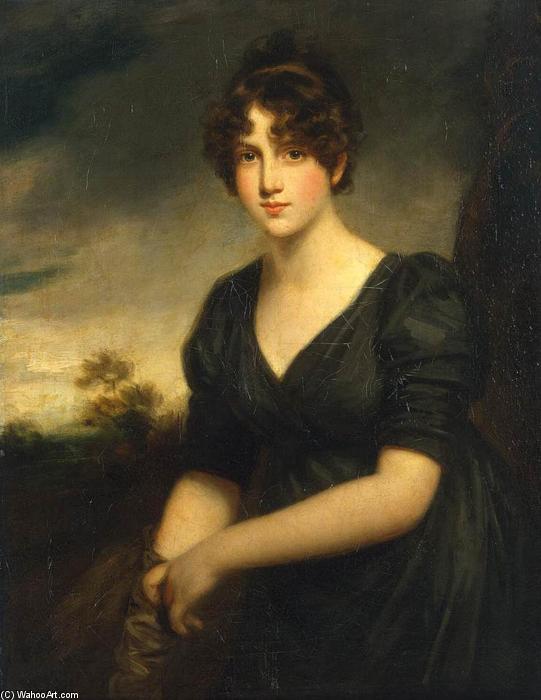
Portrait of Miss Frances Vinicombe
 Oil On Canvas
- WallArt
- Neoclassical Romanticism
 1790
1790- 19th Century
 92.0 x 71.0 cm
 Эрмитаж
 Читать далее
Масляная репродукция ручной работы
Картина маслом на холсте в выбранном вами размере и раме, написанная на заказ нашими художниками. ( Перейти к печати Перейти к цифровым изображениям)




P118B $10

P118H $10

P118W $10

P438Z $10

P508JH $12

P508YH $12

P805H $10

P805Z $10

P919BZ $10

P919G $10

P919XJ $10

P959ZH $10

P968JZ $12

W106C $8

W218G $10

W218JH $8

W218Y $10

W307PJ $10

W316G $10

W316PJ $8

W316Y $10

W398PJ $8

W4111J $10

W500HY $15

W500JH $15

W692G $12

W849H $8

W940BG $15

W953PJ $8




Выберите один из наших стандартных размеров, соответствующих оригинальным пропорциям произведения искусства.

Вы можете указать собственные размеры, чтобы картина идеально вписалась в выбранную раму или пространство. Если выбранный вами размер не соответствует пропорциям оригинала, мы либо обрежем полотно, либо расширим его за счет дополнительных элементов, написанных вручную. Цифровой макет будет отправлен вам на утверждение перед началом производства.
Обратите внимание, что предварительный просмотр на экране не отражает фактическую обрезку или расширение. Только макет точно покажет окончательную композицию.
Хотя доступны индивидуальные размеры, мы рекомендуем выбирать вариант из предопределенного списка, чтобы сохранить исходные пропорции.
После оформления заказа команда ArtsDot.com свяжется с клиентом по электронной почте для уточнения деталей и предоставит предварительный макет
Доставка по всему миру () за 3–4 недели вместо стандартных 5 недель. (13 Сентябрь). Без компромиссов в качестве.

Бесплатная экспресс-доставка по всему миру

Высококачественный льняной холст

Полное страхование доставки

Гарантия возмещения таможенных пошлин

Гарантия точного соответствия цветов

100-дневная политика возврата (только при обнаружении дефектов)

Гарантия возврата 100% средств

Предложение оптовых скидок
 Вариант со стеклом доступен только для размеров менее 110 см

Portrait of Miss Frances Vinicombe
Техника репродукции
Размер репродукции
-


Итоговая стоимость
$ 263
A Window into Romantic Portraiture: John Opie’s ‘Portrait of Miss Frances Vinicombe’
John Opie's “Portrait of Miss Frances Vinicombe,” painted in 1790, stands as a quintessential example of Neoclassical elegance subtly infused with the burgeoning spirit of Romanticism. Executed on canvas using oil paints—a technique favored for its luminosity and ability to capture nuanced tonal variations—the artwork transports us back to Cornwall during Opie’s formative years, reflecting his dedication to meticulous observation and artistic precision. Measuring 92 x 71 cm, it resides within the prestigious Hermitage Museum in St. Petersburg, Russia, ensuring its enduring presence as a masterpiece of British art history.The Subject: Innocence and Quiet Reflection
The portrait depicts Miss Frances Vinicombe, a young woman presented with serene dignity against a backdrop of softly rendered trees and billowing clouds. Opie’s masterful composition focuses intently on the subject's gaze—a direct address to the viewer—suggesting an unspoken intimacy and conveying a palpable sense of composure. Her clasped hands symbolize vulnerability and inner contemplation, hinting at themes of piety and moral virtue prevalent in Romantic art circles. The artist skillfully captures the delicate beauty of youthful femininity, prioritizing emotional resonance over ostentation.Stylistic Influences: Bridging Neoclassicism and Romantic Sentiment
Opie’s work demonstrates a fascinating blend of stylistic influences characteristic of his era. While adhering to the formal conventions of Neoclassical portraiture—emphasizing idealized beauty and balanced proportions—he subtly incorporates elements indicative of Romanticism's growing preoccupation with emotion and subjective experience. The atmospheric landscape serves not merely as decorative backdrop but actively contributes to the painting’s emotional impact, mirroring Miss Vinicombe’s inner state through muted colors and hazy textures. This harmonious fusion underscores Opie’s artistic vision: a desire to elevate portraiture beyond mere likeness into an exploration of human psychology.Technique and Detail: Opie's Commitment to Accuracy
Opie’s meticulous attention to detail is evident throughout “Portrait of Miss Vinicombe.” The artist employed glazing techniques—applying thin layers of translucent paint over subsequent coats—to achieve remarkable tonal depth and luminosity, capturing the subtle nuances of light and shadow. Careful brushwork contributes to a velvety surface texture that enhances the painting's visual richness. Furthermore, Opie’s meticulous rendering of hair textures and drapery folds exemplifies his unwavering commitment to artistic realism, demonstrating a profound understanding of observational drawing principles—skills honed during his early apprenticeship.Symbolism Beyond Appearance: Virtue and Domestic Tranquility
Beyond its aesthetic qualities, “Portrait of Miss Vinicombe” carries symbolic weight reflecting the values of Romantic society. The woman’s posture conveys serenity and inner peace—a testament to domestic tranquility and moral integrity. Her gaze directs attention inward, prompting contemplation on themes of faith and virtue—concepts central to Opie's artistic worldview. Ultimately, Opie’s masterpiece invites viewers to consider not just what is seen but also what is felt, cementing its place as a poignant portrayal of youthful innocence and quiet reflection within the broader context of Romantic art history.Похожие произведения
Биография художника
A Cornish Prodigy Ascends: The Life and Art of John Opie
John Opie, born in the humble surroundings of Harmony Cottage, Trevellas, Cornwall in 1761, emerged as one of the most remarkable artistic figures of his generation. His story is a compelling narrative of raw talent nurtured against the odds, rising from a carpenter’s son to become a celebrated portraitist and history painter, a Royal Academician, and an influential voice within the British art world. Opie's early life was marked by a precocious aptitude for both drawing and mathematics – a duality that perhaps informed his meticulous approach to composition and form. Even as a young boy, he demonstrated an independent spirit, establishing an evening school to teach reading, writing, and arithmetic to local children while simultaneously mastering Euclid’s geometry. This thirst for knowledge, coupled with his artistic inclination, was initially met with resistance from his father, who insisted on an apprenticeship in carpentry. However, fate intervened in the form of Dr. John Wolcot, known as Peter Pindar, a physician and satirist whose discerning eye recognized the extraordinary potential within the young Opie.Mentorship, London, and Royal Patronage
Wolcot became Opie’s champion, securing his release from the carpentry apprenticeship and providing him with invaluable guidance, encouragement, and crucial introductions. This mentorship proved pivotal in launching Opie's career. In 1781, they journeyed to London together, where Wolcot shrewdly presented Opie as a self-taught prodigy – a “Cornish wonder” untouched by formal artistic training. This narrative captivated the London art scene, drawing comparisons to masters like Caravaggio and Velázquez from none other than Sir Joshua Reynolds himself. The initial success was swift and dazzling. Commissions poured in, including portraits of members of the British royal family—the Duke and Duchess of Gloucester, Lady Salisbury, and Mary Delany among them. Opie’s residence on Castle Street became a hub of fashionable society, his talent commanding attention and admiration. However, the partnership with Wolcot eventually dissolved as Opie asserted his independence, seeking to forge his own path without the constraints of their profit-sharing agreement. This period solidified Opie's reputation, establishing him as a leading portraitist capable of capturing not only physical likeness but also the character and social standing of his sitters.Beyond Portraiture: Historical Paintings and Academic Recognition
While initially celebrated for his portraits, Opie harbored ambitions beyond simply recording the faces of the elite. He yearned to engage with grand historical narratives, seeking to establish himself as a painter of significant subjects. This ambition led him to explore history painting, culminating in works like *The Assassination of James I* (1786) and *The Murder of Rizzio* (1787). The latter proved particularly impactful, earning him immediate election as an Associate of the Royal Academy and full membership the following year. These historical paintings demonstrated a growing mastery of composition, dramatic lighting—often reminiscent of Rembrandt—and a commitment to conveying emotional intensity. Opie’s dedication to his craft extended beyond painting; he actively sought to broaden his intellectual horizons through the study of Latin, French literature, and cultivated social circles. He also became deeply involved with John Boydell's Shakespeare Gallery, creating five paintings inspired by the Bard’s plays, further cementing his position within the artistic establishment.A Legacy of Artistry and Thought
Opie’s later life was marked by both professional success and personal challenges. His first marriage proved unhappy, ending in divorce in 1796. However, he found lasting happiness with Amelia Alderson, a writer and abolitionist whom he married in 1798. Their partnership fostered mutual support and intellectual stimulation. In 1805, Opie was appointed Professor of Painting at the Royal Academy, a testament to his standing within the art world. His lectures, delivered in 1806 and published posthumously in 1809 with a memoir by Amelia, revealed a thoughtful and articulate mind deeply engaged with the principles of artistic creation. He advocated for the formation of a national gallery—a visionary idea that would eventually become reality—and offered insightful commentary on the state of British art. John Opie’s untimely death in April 1807 at the age of 46 cut short a promising career, but his legacy endures. He left behind a substantial body of work – over 500 portraits and 250 other paintings—that offers a fascinating glimpse into the social and cultural landscape of late 18th and early 19th century Britain. He remains a significant figure in British art history, celebrated for his technical skill, insightful portraiture, and contributions to artistic discourse.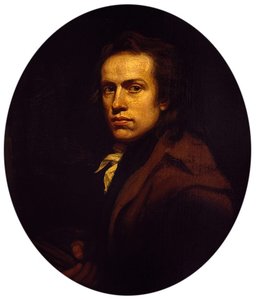
John Opie
1761 - 1807 , United Kingdom
Основные сведения
- Artistic Movement Or Style: Historical & Portraiture
- Artists Who Influenced This Artist:
- Caravaggio
- Velazquez
- Date Of Birth: 1761
- Date Of Death: 1807
- Full Name: John Opie
- Nationality: British
- Notable Artworks: ['Shakespeare Gallery works']
- Place Of Birth: Trevellas, UK
Похожие статьи

Romantic Realism's Finest: 10 Masterpieces for Your Home | ArtsDot
Explore 10 defining masterpieces of Romantic Realism! Discover Courbet, Millet & Daumier's powerful paintings—capturing emotion and social realities. Find museum-quality reproductions for your home at ArtsDot.com.

Джон Констебль: 25 шедевров английского пейзажа для вашего интерьера
Погрузитесь в мир английского пейзажа с Джоном Констеблом! 25 шедевров романтизма, история создания картин и вдохновение для вашего интерьера. Репродукции высокого качества на ArtsDot.com – искусство для ценителей.

The Enduring Legacy of Oil on Canvas: Technique, History & Aesthetic Impact
Explore the rich history & techniques of oil painting – from Renaissance masters to Impressionism. Discover pigments, layering methods, and why this timeless medium endures. Expert insights for artists & art enthusiasts.

Oil on Canvas: A Historical & Technical Exploration of a Timeless Artistic Medium
Explore the rich history & enduring techniques of oil painting on canvas. Discover the science behind its longevity, conservation practices, and contemporary relevance. Expert insights for art enthusiasts.

Джон Сингер Сарджент: 25 шедевров портретной живописи для вашего интерьера | ArtsDot
Погрузитесь в мир Джона Сингера Сарджента! 25 шедевров импрессионизма и реализма, раскрывающих элегантность эпохи Gilded Age. Купите репродукции картин Сарджента музейного качества для вашего интерьера на ArtsDot.com.