

 Предпросмотр
 Поделиться
 Поделиться
 Детали произведения

 Скачать
 Похожие работы
 Рентгенография
 Слайд-шоу
 Статистика
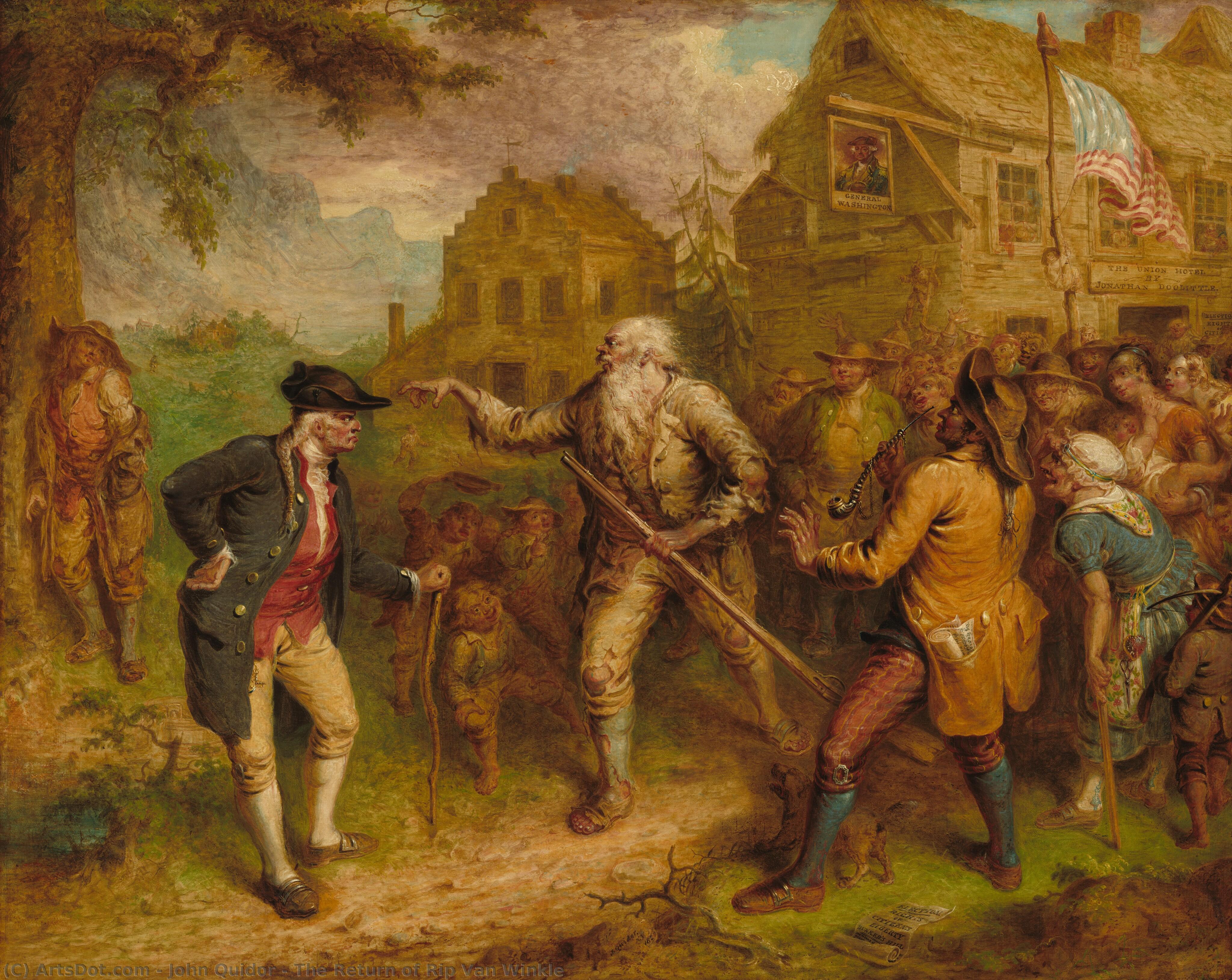
The Return of Rip Van Winkle
 Oil
Oil- WallArt
- Romanticism
 1849
1849- 19th Century
 139.0 x 159.0 cm
 Читать далее
Масляная репродукция ручной работы
Картина маслом на холсте в выбранном вами размере и раме, написанная на заказ нашими художниками. ( Перейти к печати Перейти к цифровым изображениям)




P118B $10

P118H $10

P118W $10

P438Z $10

P508JH $12

P508YH $12

P805H $10

P805Z $10

P919BZ $10

P919G $10

P919XJ $10

P959ZH $10

P968JZ $12

W106C $8

W218G $10

W218JH $8

W218Y $10

W307PJ $10

W316G $10

W316PJ $8

W316Y $10

W398PJ $8

W4111J $10

W500HY $15

W500JH $15

W692G $12

W849H $8

W940BG $15

W953PJ $8




Выберите один из наших стандартных размеров, соответствующих оригинальным пропорциям произведения искусства.

Вы можете указать собственные размеры, чтобы картина идеально вписалась в выбранную раму или пространство. Если выбранный вами размер не соответствует пропорциям оригинала, мы либо обрежем полотно, либо расширим его за счет дополнительных элементов, написанных вручную. Цифровой макет будет отправлен вам на утверждение перед началом производства.
Обратите внимание, что предварительный просмотр на экране не отражает фактическую обрезку или расширение. Только макет точно покажет окончательную композицию.
Хотя доступны индивидуальные размеры, мы рекомендуем выбирать вариант из предопределенного списка, чтобы сохранить исходные пропорции.
После оформления заказа команда ArtsDot.com свяжется с клиентом по электронной почте для уточнения деталей и предоставит предварительный макет
Доставка по всему миру () за 3–4 недели вместо стандартных 5 недель. (11 Сентябрь). Без компромиссов в качестве.

Бесплатная экспресс-доставка по всему миру

Высококачественный льняной холст

Полное страхование доставки

Гарантия возмещения таможенных пошлин

Гарантия точного соответствия цветов

100-дневная политика возврата (только при обнаружении дефектов)

Гарантия возврата 100% средств

Предложение оптовых скидок
 Вариант со стеклом доступен только для размеров менее 110 см

The Return of Rip Van Winkle
Техника репродукции
Размер репродукции
-


Итоговая стоимость
$ 263
A Moment Frozen in Time: The Chaos of Reawakening
In the evocative masterpiece The Return of Rip Van Winkle, John Quidor captures a moment of profound disorientation and historical upheaval. The canvas vibrates with the energy of a man thrust from a long, supernatural slumber into a world that has fundamentally transformed. At the heart of this horizontal composition stands Rip Van Winkle himself, a figure of weathered eccentricity. His long, white beard and wild, unkempt hair seem to catch an invisible wind, mirroring the internal tempest of his confusion. With bulging eyes and a mouth agape in silent shock, he points a gnarled finger toward a reality he no longer recognizes. His clothing, once perhaps fine, is now a collection of tattered parchment-white rags, with holes at the elbows and knees that speak to his decades of isolation in the mountains. The stark contrast between his disheveled state and the structured, colonial attire of the crowd creates an immediate visual tension that draws the viewer into the center of this historical drama.
The scene is populated by a diverse assembly of onlookers, each contributing a unique layer to the narrative of a changing America. To the left, a man with flushed cheeks and a stern, downward gaze provides a grounded, almost confrontational presence, his navy-blue jacket and silver buttons reflecting the burgeoning order of a new era. In striking contrast, a man of light brown skin stands at the forefront, his expression one of intense curiosity. The inclusion of such diverse figures suggests that the ripples of Rip’s return extend far beyond his personal confusion, touching the very fabric of a society in transition. Small, poignant details—a rolled-up paper bearing the date “seventy-six” and a scroll mentioning “ELECTION RIGHTS”—serve as powerful symbols of the American Revolution and the birth of democratic ideals, anchoring this fantastical tale in the heavy weight of historical reality.
The Mastery of Quidor’s Narrative Style
John Quidor’s technique, while born from a more practical apprenticeship than formal academic rigor, possesses a raw, expressive power that is uniquely captivating. His ability to manipulate light and texture allows the viewer to feel the coarseness of Rip’s tattered stockings and the smooth, metallic glint of the silver buttons on a gentleman's waistcoat. The color palette is a masterful blend of earthy, historical tones—pinks, navy blues, and straw yellows—interspersed with the startling, bright white of Rip’s hair and shirt. This use of color does more than just define form; it directs the emotional flow of the painting, guiding the eye from the frantic energy of the protagonist to the observant, steady gazes of the townspeople.
For the discerning collector or interior designer, this painting offers much more than mere decoration; it provides a window into the American Romantic spirit. The composition is dense and lively, making it an ideal centerpiece for a room that seeks to evoke conversation, intellect, and a sense of historical depth. Whether placed in a traditional study adorned with dark woods or used as a bold, narrative statement in a contemporary gallery space, The Return of Rip Van Winkle commands attention. It is a piece that celebrates the beauty of the unexpected and the profound impact of time, making it an enduring choice for those who appreciate art that tells a story as much as it displays a skill.
Похожие произведения
Биография художника
Early Life and Artistic Training
John Quidor (1801 – 1885) emerged from the Hudson Valley landscape of upstate New York, a region profoundly shaped by Romantic ideals and burgeoning artistic movements. Born in Tappan, he experienced a formative childhood amidst the burgeoning industrialization of America, though his family maintained ties to rural traditions. Unlike many artists of his era who pursued formal academic training, Quidor’s artistic education was remarkably limited—a single apprenticeship with John Wesley Jarvis, where Henry Inman also trained—leaving him without substantial technical skills beyond copying engravings. This lack of structured instruction proved detrimental to his ambitions and fueled a lawsuit against Jarvis in 1822 alleging inadequate mentorship, damaging his reputation considerably. Despite the setback, Quidor persevered, securing employment as a banner painter and decorative artist for New York City’s fire companies—a role that provided practical experience but yielded no surviving artworks.Literary Inspirations and Artistic Style
Quidor's artistic vision was decisively molded by the literary landscape of his time, particularly the works of Washington Irving and James Fenimore Cooper. He found inspiration in Irving’s tales—most notably “Sleepy Hollow” and “Rip Van Winkle”—capturing the eerie atmosphere and folklore of Dutch New York with meticulous detail. Similarly, Cooper's "The Pioneers" instilled him with a fascination for the American frontier and its dramatic vistas. Influenced by European Romantic painters like William Hogarth, Isaac Cruikshank, James Gillray, Joseph Wright of Derby, and George Morland, Quidor adopted a distinctive style characterized by expressive brushwork, rich color palettes, and an emphasis on capturing fleeting moments of emotion and narrative. His canvases often depicted scenes from literature with palpable energy and psychological depth—a hallmark of Romantic art’s preoccupation with human experience.Notable Paintings and Artistic Output
Quidor produced approximately 35 paintings during his career, predominantly focused on literary subjects. Among his most celebrated works are “The Money Diggers” (1832), a depiction of miners seeking fortune in the Appalachian Mountains; “Leatherstocking’s Rescue” (1855), portraying Silas Deane Leatherstocking rescuing a young boy from peril; and "The Headless Horseman" (1855), an iconic illustration of Irving's chilling tale. These paintings exemplify Quidor’s ability to translate literary narratives into visual representations, imbued with Romantic sensibilities. Furthermore, he mentored Thomas Bangs Thorpe and Charles Loring Elliott, fostering the development of younger artists who carried on his stylistic legacy.Tragedy and Legacy
A devastating fire in 1835 destroyed Quidor’s studio located at 46 Canal Street, marking a significant impediment to his artistic endeavors. Despite this misfortune, Quidor continued to paint until his death in Jersey City in 1885. His work remains relatively obscure compared to other Romantic painters of the era, yet it possesses considerable merit—particularly its evocative portrayal of American folklore and literary themes. John Quidor’s contribution to American art history is recognized as a testament to the enduring power of imagination and storytelling within the artistic realm. He stands as an important figure in rediscovering the Romantic spirit in America.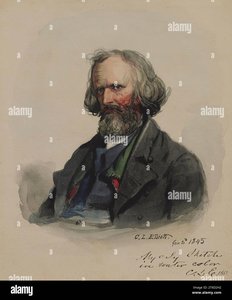
John Quidor
1801 - 1885 , United States of America
Основные сведения
- Artistic Movement Or Style: Romanticism
- Artists Or Movements Influenced By This Artist: ['Hudson River School']
- Artists Who Influenced This Artist:
- William Hogarth
- Isaac Cruikshank
- James Gillray
- Joseph Wright of Derby
- George Morland
- Date Of Birth: 1801
- Date Of Death: 1885
- Full Name: John Quidor
- Nationality: American
- Notable Artworks:
- The Money Diggers
- Leatherstocking's Rescue
- The Headless Horseman
- Place Of Birth: Tappan, United States
Похожие статьи
10 Шедевров Раннего Нидерландского Живописи: История Искусства в Вашем Интерьере
Погрузитесь в мир Раннего нидерландского живописи! Откройте 10 шедевров Яна ван Эйка, Рогира ван дер Вейдена и других мастеров. История искусства, техника исполнения и вдохновение для вашего интерьера на ArtsDot.com.

Рембрандт ван Рейн: Топ-25 шедевров великого голландского мастера | ArtsDot
Погрузитесь в мир великого Рембрандта! 25 шедевров голландского барокко, истории создания картин и уникальные техники художника. Купите репродукции картин Рембрандта высочайшего качества для вашего интерьера на ArtsDot.com
Grant Wood & American Regionalism: Identity, Myth & the Rural Landscape
Explore the world of Grant Wood & American Regionalism with ArtsDot. Discover the symbolism behind 'American Gothic', recurring themes, and the movement's lasting impact on art history. High-quality reproductions available.

Джон Сингер Сарджент: 25 шедевров портретной живописи для вашего интерьера | ArtsDot
Погрузитесь в мир Джона Сингера Сарджента! 25 шедевров импрессионизма и реализма, раскрывающих элегантность эпохи Gilded Age. Купите репродукции картин Сарджента музейного качества для вашего интерьера на ArtsDot.com.

Джон Констебль: 25 шедевров английского пейзажа для вашего интерьера
Погрузитесь в мир английского пейзажа с Джоном Констеблом! 25 шедевров романтизма, история создания картин и вдохновение для вашего интерьера. Репродукции высокого качества на ArtsDot.com – искусство для ценителей.