

 Предпросмотр
 Поделиться
 Поделиться
 Детали произведения

 Скачать
 Похожие работы
 Рентгенография
 Слайд-шоу
 Статистика
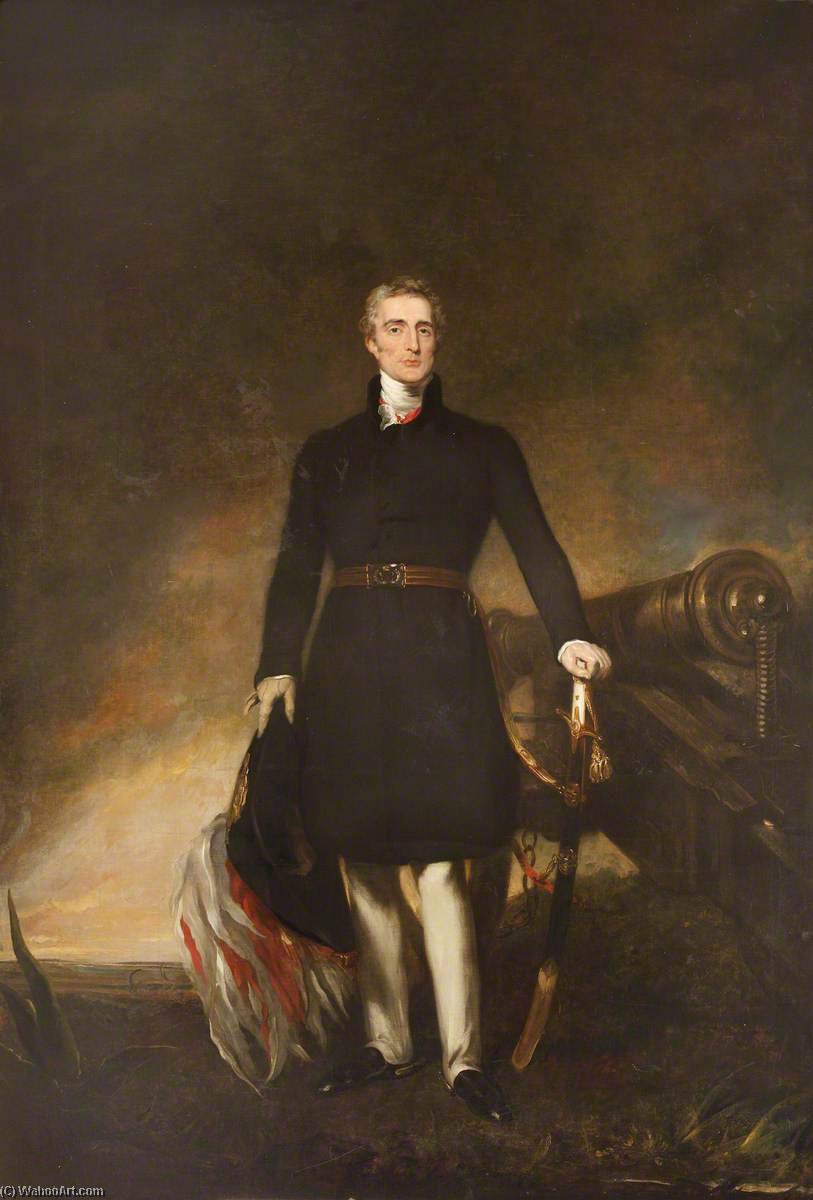
The Duke of Wellington (1769–1852)
 Oil On Canvas
- WallArt
- Romantic Portraiture
 19th Century
 256.0 x 175.0 cm
 Королевская военная больница Челси
 Читать далее
Приобретите цифровое изображение высокого разрешения в улучшенном качестве, которое значительно превосходит онлайн-превью.
Каждый файл тщательно подготавливается нашими специалистами с использованием передовых инструментов и экспертной ручной ретуши. Мы гарантируем исключительную четкость, точную цветопередачу и детальную проработку каждого изображения.
Финальный файл доставляется по электронной почте в течение 72 часов и оптимизирован для немедленного использования в профессиональной среде, при верстке и печати. Это тот же уровень качества, которому доверяют ведущие дизайнерские студии, издательства и галереи.
Цифровое изображение
Скачайте файл высокого разрешения для личного использования, печати и творческих проектов. ( Перейти к печати Купить картину ручной работы)
Включено в каждый заказ цифровых изображений
Гарантия экспертной цифровой доставки
Выбирая ArtsDot.com, вы получаете не просто изображение — вы приобретаете профессионально обработанное цифровое произведение искусства, созданное с безупречной точностью и под защитой гарантии качества. Вот всё, что автоматически входит в ваш заказ:

Мгновенная доставка по e-mail
Ваш цифровой файл в высоком разрешении будет отправлен вам по электронной почте в течение 72 часов после оформления заказа — и сразу станет доступен для использования.

Цифровой файл с ИИ-улучшением
Ваше произведение искусства проходит профессиональную оптимизацию с использованием передовых инструментов ИИ и ручной обработки, что гарантирует максимальную детализацию, четкость и точность цветопередачи.

Бессрочная бесплатная повторная доставка
Случайно удалили или потеряли файл? Не беспокойтесь — мы отправим его вам повторно в любое время и совершенно бесплатно.

Без импортных пошлин — навсегда
Наслаждайтесь вашим произведением искусства мгновенно без таможенных пошлин, сборов или затрат на доставку — цифровые загрузки всегда не облагаются налогом.

Гарантия точности цветопередачи
Мы гарантируем, что ваше цифровое изображение максимально точно передает оригинальные цвета благодаря использованию профессиональных инструментов и систем управления цветом.

Гарантия удовлетворенности 100 дней
Если вы не будете удовлетворены своим цифровым изображением, мы внесем правки или вернем 100% стоимости в течение 100 дней — без лишних вопросов.

100% Гарантия возврата средств
Не удовлетворены покупкой? Получите полный возврат средств в течение 100 дней после получения цифрового файла — без лишних вопросов.

Скидки на оптовые заказы
Купите 3 изображения, сэкономьте 10% — Купите 5, сэкономьте 15% — Купите 10+, сэкономьте 20%. Отличное решение для творческих проектов, галерей и агентств.
A Portrait of Command: The Duke of Wellington
To gaze upon this depiction of the Duke of Wellington is to encounter not merely a likeness, but an embodiment of British martial spirit and enduring historical gravity. John Simpson has captured a moment steeped in ceremony and authority. The subject stands with an undeniable bearing, clad in formal attire that speaks volumes of his station—a man whose life was inextricably linked to the grand sweep of military history. His presence, framed by the imposing bulk of the cannon and the dignity of the flag he holds, suggests a pivotal juncture, perhaps commemorating a victory or affirming a steadfast commitment to duty.
The Mastery of John Simpson’s Brush
John Simpson, working during a period when portraiture served as both commemoration and status symbol, approached this work with remarkable skill. Having honed his craft under the tutelage of Sir Thomas Lawrence, one can detect in the rendering a refined technique—a flattering yet acutely observant hand at work. The artist possesses an innate ability to imbue fabric, uniform, and facial expression with palpable texture. Observe the meticulous detail in the folds of the black suit; they do not merely hang upon the figure but seem weighted by history itself. This level of craftsmanship ensures that even a reproduction retains the illusion of depth and costly materiality.
Historical Resonance and Symbolism
The inclusion of the cannon is far from incidental; it anchors the portrait within a narrative of power and defense. It speaks to Wellington’s role as a military architect, a figure whose life was defined by strategy and conflict. The flag he carries acts as a potent symbol—a banner under which loyalty and national pride were rallied. For the collector or designer, this piece offers more than decoration; it is an artifact of narrative weight. It allows one to contemplate the intersection of personal achievement with monumental historical events.
Bringing Empire Home: Decorating with History
For those seeking to infuse a space—be it a grand hall, a library, or a distinguished study—with character and intellectual depth, this artwork is unparalleled. The rich tonality and formal composition lend themselves beautifully to traditional interiors, complementing dark woods, deep velvets, and polished metals. Owning a reproduction of this piece means curating an atmosphere of enduring respectability and storied accomplishment. It serves as a silent conversation starter, inviting admiration for both the subject’s stature and the artist’s masterful execution.
Похожие произведения

Биография художника
John Simpson: A Life in Portraiture
Early Life and Training
- Born in London in 1782, John Simpson embarked on a career as a portrait painter during a vibrant period of British art.
- He received his foundational training at the prestigious Royal Academy, honing his skills and establishing himself within the artistic community.
- Crucially, Simpson spent several years as an assistant to Sir Thomas Lawrence, PRA – a leading portraitist of the era. This mentorship profoundly shaped his style and approach to capturing likenesses.
Artistic Development and Style
- Simpson’s early work reflects the influence of Sir Thomas Lawrence, characterized by a refined technique and attention to detail. He quickly gained recognition for his ability to create flattering and accurate portraits.
- He exhibited regularly at the Royal Academy from 1807 until his death, demonstrating consistent productivity and engagement with the art world.
- While primarily a portraitist, Simpson’s work occasionally ventured beyond conventional society portraiture, hinting at a broader artistic sensibility.
Major Achievements and Commissions
- Royal Patronage: In 1834, Simpson received a significant commission to travel to Portugal and paint portraits in Lisbon.
- His success led to an appointment as Painter to the Queen of Portugal, solidifying his reputation on the international stage.
- Notable Sitters: Simpson painted numerous prominent figures, including William IV and many other notable individuals of his time. His portraits provide valuable visual records of British society during the 19th century.
‘The Captive Slave’ and Rediscovery
- A Turning Point: Simpson's painting, ‘The Captive Slave,’ created a significant shift in his artistic legacy. It remained largely unseen for nearly 180 years.
- Acquisition and Recognition: The Art Institute of Chicago acquired the work in 2008, bringing it to public attention.
- Abolitionist Significance: ‘The Captive Slave’ is now recognized as a powerful statement against slavery. It demonstrates Simpson's capacity for venturing beyond conventional portraiture and engaging with important social issues.
Legacy and Historical Significance
- Despite some contemporary criticism suggesting his work lacked “instinct and penetration,” John Simpson established a successful career as a respected portrait painter.
- Family of Artists: He had two sons who also pursued artistic careers – Charles, who died young, and Philip, who found success with small domestic subjects.
- Enduring Impact: The rediscovery of ‘The Captive Slave’ has elevated Simpson's status, highlighting his talent and the painting’s importance as a symbol of the abolitionist movement. He is now recognized not only for his technical skill but also for his contribution to social commentary through art.

John Simpson
1782 - 1847 , United Kingdom
Основные сведения
- Birth Date: 1782
- Birth Place: London, United Kingdom
- Death Date: 1847
- Influenced By: Sir Thomas Lawrence
- Movement: Portraiture
- Name: John Simpson
- Nationality: British
- Notable Works: The Captive Slave