


 Предпросмотр
 Поделиться
 Поделиться
 Детали произведения

 Скачать
 Похожие работы
 Рентгенография
 Слайд-шоу
 Статистика
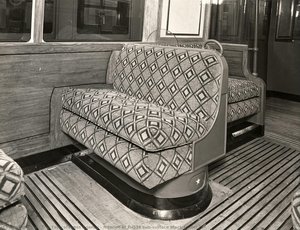
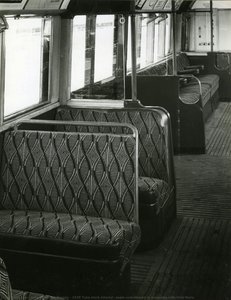
1938 Tube stock interior; seats upholstered in moquette with Enid Marx


 Читать далее
Масляная репродукция ручной работы
Картина маслом на холсте в выбранном вами размере и раме, написанная на заказ нашими художниками. ( Перейти к печати Перейти к цифровым изображениям)




































Выберите один из наших стандартных размеров, соответствующих оригинальным пропорциям произведения искусства.

Вы можете указать собственные размеры, чтобы картина идеально вписалась в выбранную раму или пространство. Если выбранный вами размер не соответствует пропорциям оригинала, мы либо обрежем полотно, либо расширим его за счет дополнительных элементов, написанных вручную. Цифровой макет будет отправлен вам на утверждение перед началом производства.
Обратите внимание, что предварительный просмотр на экране не отражает фактическую обрезку или расширение. Только макет точно покажет окончательную композицию.
Хотя доступны индивидуальные размеры, мы рекомендуем выбирать вариант из предопределенного списка, чтобы сохранить исходные пропорции.
После оформления заказа команда ArtsDot.com свяжется с клиентом по электронной почте для уточнения деталей и предоставит предварительный макет
Доставка по всему миру () за 3–4 недели вместо стандартных 5 недель. (14 Сентябрь). Без компромиссов в качестве.

Бесплатная экспресс-доставка по всему миру

Высококачественный льняной холст

Полное страхование доставки

Гарантия возмещения таможенных пошлин

Гарантия точного соответствия цветов

100-дневная политика возврата (только при обнаружении дефектов)

Гарантия возврата 100% средств

Предложение оптовых скидок
 Вариант со стеклом доступен только для размеров менее 110 см

1938 Tube stock interior; seats upholstered in moquette with Enid Marx
Техника репродукции
Размер репродукции
-


Итоговая стоимость
$ 263
Похожие произведения






Биография художника
The Visionary Lens of John Somerset Murray
In the annals of British photography, few figures possess the quiet, structural elegance found in the work of John Somerset Murray. Born in 1904 into a lineage deeply embedded in the photographic arts, Murray was destined to view the world through a lens of profound historical awareness. His grandfather, the renowned Calotypist of India, John Murray, provided a foundational legacy that infused the younger Murray with an innate ability to translate complex physical spaces into evocative visual narratives. This ancestral connection to the medium did more than just provide technical inspiration; it instilled a lifelong mission to document the shifting textures of the British landscape, capturing the very bones of a nation in transition.
Murray’s artistic journey began not with the grand scale of industry, but within the intimate confines of his own portrait studio in Chelsea. During the early 1930s, his work was defined by the delicate nuances of traditional portraiture and the sharp requirements of advertising commissions. Yet, as the world around him began to undergo rapid industrial and architectural transformation, Murray’s gaze shifted outward. He possessed a rare, intuitive understanding that the true spirit of the era lay in its steel, stone, and burgeoning infrastructure. This transition from the human face to the architectural form marked his emergence as a pioneer of documentary photography, where he sought to find the soul within the structural.
A Symphony of Steel and Stone
The hallmark of Murray’s technique was a masterful equilibrium between meticulous precision and atmospheric depth. He did not merely record buildings; he choreographed light and shadow to reveal the character of their subjects. His photographic style prioritized an uncompromising clarity that served the needs of architectural documentation, yet he never allowed his work to descend into mere clinical observation. Instead, through a sophisticated use of contrast and composition, he imbued factories, housing estates, and transit systems with a palpable sense of context and movement.
This ability to capture the essence of modernism was most evident in his collaborations with the architects of the age. Murray worked alongside visionaries such as Ernő Goldfinger and Ove Ellekjær, documenting ambitious projects like the Robin Hill Estate. In these images, one can witness the intersection of human habitation and avant-garde design. His lens captured the rhythmic patterns of modern materials, turning the functional elements of urban development into subjects of high art. Through his work, the rigid lines of mid-century architecture were softened by a sense of lived experience and historical weight.
Documenting a Nation in Flux
The true gravity of Murray’s contribution became most apparent during the tumultuous years of the Second World War. Tasked with extensive assignments for the Ministry of Information, he became an essential visual chronicler of Britain’s wartime resilience. His photographs of vital infrastructure projects and industrial production lines served a dual purpose: they were both critical records of national survival and profound artistic studies of industrial power. In the smoke and machinery of the factory floor, Murray found a new kind of beauty—a rugged, rhythmic aesthetic that celebrated the strength of the industrial spirit.
As his career progressed, Murray’s work remained a testament to the enduring importance of the documentary impulse. His legacy is defined by several key contributions to the photographic canon:
- Architectural Preservation: He provided an irreplaceable visual archive of 20th-century British architecture and urban planning.
- Industrial Artistry: He elevated the documentation of manufacturing and infrastructure to a level of high aesthetic consideration.
- Historical Continuity: By bridging the gap between his grandfather’s classical calotypes and modern commercial photography, he maintained a thread of photographic tradition through a period of radical change.
Today, the work of John Somerset Murray stands as more than just a collection of historical images; it is a window into the structural heart of an era. His ability to find poetry in the industrial and grace in the geometric ensures that his place in the history of British photography remains both significant and enduring.
john somerset murray
1904 - 1975 , United Kingdom
Основные сведения
- Artistic Movement Or Style: Advertising photography
- Artists Who Influenced This Artist: ['John Murray']
- Date Of Birth: 1904
- Full Name: John Somerset Murray
- Nationality: British
- Notable Artworks: ['Architecture images']
- Place Of Birth: Chelsea, United Kingdom