

 Предпросмотр
 Поделиться
 Поделиться
 Детали произведения

 Скачать
 Похожие работы
 Рентгенография
 Слайд-шоу
 Статистика
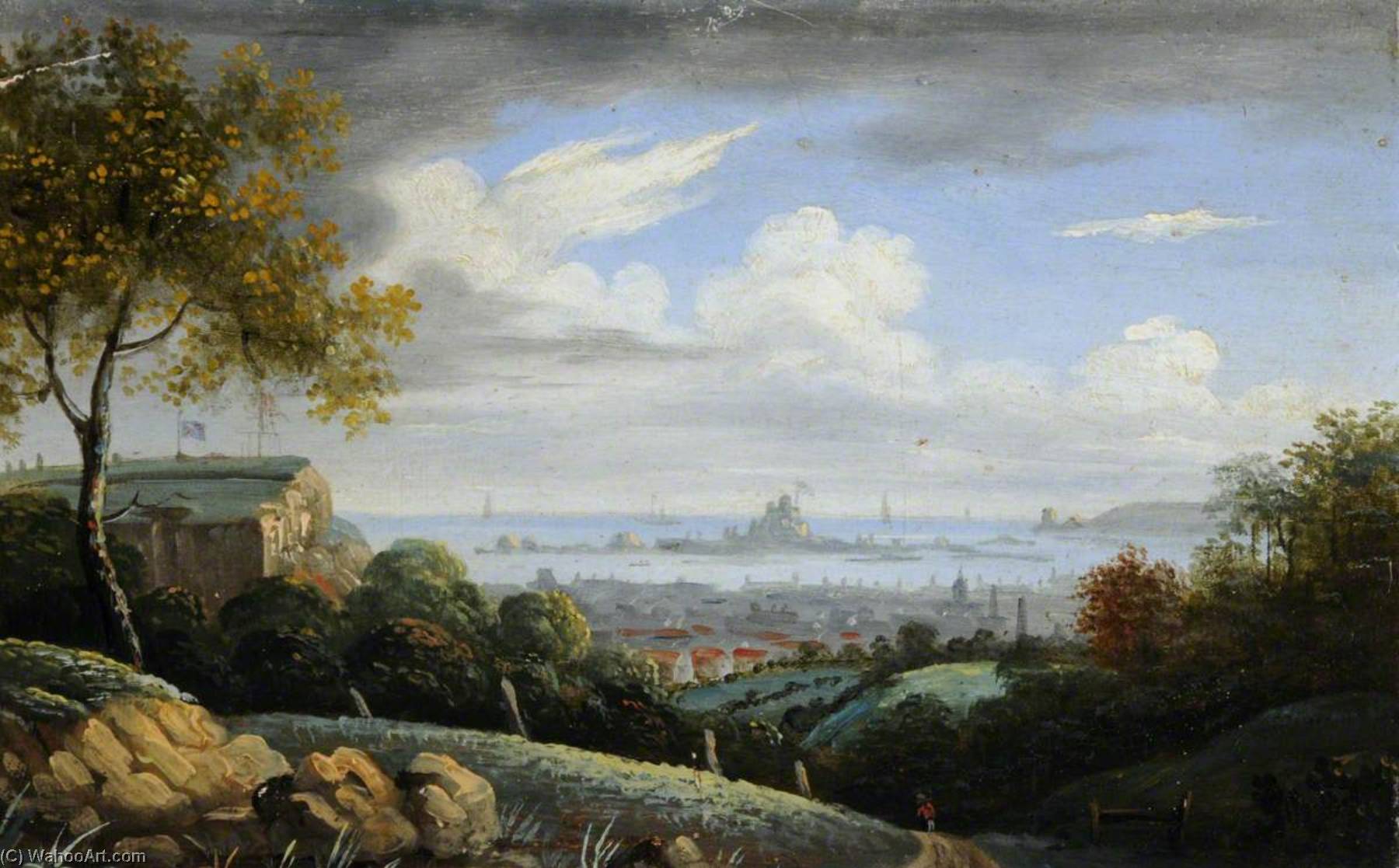
View of Fort Regent Overlooking Elizabeth Castle
 16.0 x 25.0 cm
 Читать далее
Масляная репродукция ручной работы
Картина маслом на холсте в выбранном вами размере и раме, написанная на заказ нашими художниками. ( Перейти к печати Перейти к цифровым изображениям)




































Выберите один из наших стандартных размеров, соответствующих оригинальным пропорциям произведения искусства.

Вы можете указать собственные размеры, чтобы картина идеально вписалась в выбранную раму или пространство. Если выбранный вами размер не соответствует пропорциям оригинала, мы либо обрежем полотно, либо расширим его за счет дополнительных элементов, написанных вручную. Цифровой макет будет отправлен вам на утверждение перед началом производства.
Обратите внимание, что предварительный просмотр на экране не отражает фактическую обрезку или расширение. Только макет точно покажет окончательную композицию.
Хотя доступны индивидуальные размеры, мы рекомендуем выбирать вариант из предопределенного списка, чтобы сохранить исходные пропорции.
После оформления заказа команда ArtsDot.com свяжется с клиентом по электронной почте для уточнения деталей и предоставит предварительный макет
Доставка по всему миру () за 3–4 недели вместо стандартных 5 недель. (13 Сентябрь). Без компромиссов в качестве.

Бесплатная экспресс-доставка по всему миру

Высококачественный льняной холст

Полное страхование доставки

Гарантия возмещения таможенных пошлин

Гарантия точного соответствия цветов

100-дневная политика возврата (только при обнаружении дефектов)

Гарантия возврата 100% средств

Предложение оптовых скидок
 Вариант со стеклом доступен только для размеров менее 110 см

View of Fort Regent Overlooking Elizabeth Castle
Техника репродукции
Размер репродукции
-


Итоговая стоимость
$ 263
Похожие произведения








Биография художника
The Ethereal Vision of John Tobias Young
In the annals of British Romanticism, few names evoke such a poignant sense of fleeting beauty as John Tobias Young. Born around 1786 in the quiet environs of Mildenhall, near Marlborough, Young’s life was a brief but luminous chapter in the history of landscape painting. Though his career was tragically truncated by his death in December 1824 at the young age of thirty-eight, he left behind a visual legacy that transcends the mere documentation of scenery. His work serves as a window into a period where the boundaries between the physical world and the spiritual sublime were perpetually blurred, capturing the very soul of the landscapes he traversed.
Young’s artistic journey was deeply shaped by his early exposure to the theatrical and the atmospheric. Before establishing himself as a master of the canvas, he served as a stage designer for Lord Barrymore’s private theatre at Wargrave. This unique background in scenography—a discipline requiring meticulous attention to depth, light, and emotional resonance—undoubtedly informed his approach to the natural world. He did not merely paint what was visible; he constructed vistas that invited the viewer into a carefully orchestrated emotional experience, much like a stage set designed to evoke wonder or melancholy.
The Spectral Beauty of the Channel Islands
While his roots lay in England, it was the rugged and enchanting landscape of Jersey that became the true muse for Young’s most profound achievements. Between 1816 and 1824, he produced a remarkable series of works often referred to as his "Jersey Paintings." These pieces are far more than topographical records; they are atmospheric meditations on the Channel Islands' dramatic coastline. Through his brush, the cliffs of Jersey become sites of sublime power, where the interplay of light and shadow suggests a haunting, spectral quality.
His technique was heavily influenced by the Luminism movement, a style he refined under the tutelage of the celebrated watercolorist Tobias Ragg. By mastering soft tonal gradations and a delicate atmospheric haze, Young was able to capture the ephemeral qualities of dawn, twilight, and the mist-laden sea. His ability to manipulate color and light allowed him to portray the rugged terrain with a breathtaking realism that felt almost supernatural. In works such as “Castle on a Rocky Road above a Bay,” one can sense the artist's profound desire to convey the spiritual resonance of nature—a hallmark of the Romantic era.
Legacy and Artistic Significance
The significance of John Tobias Young lies in his ability to bridge the gap between the meticulous observation of the landscape and the emotional depth of the Romantic ideal. His work anticipates the grandeur found in the later Hudson River School, sharing a common devotion to the majesty of the natural world. Though much of his reputation was once confined to the Southampton region, where he practiced for many years, his influence resonates through the enduring collections held in institutions such as the Victoria and Albert Museum and the Salisbury Library.
To look upon a Young landscape is to experience a sense of sublime isolation. His paintings remain vital testaments to a period of transition in British art, moving away from Neoclassical rigidity toward a more fluid, emotive expression. Even today, his depictions of the Jersey coastline continue to captivate, reminding us that true art does not just capture a moment in time, but preserves the very feeling of existence within the vast, ever-changing theater of nature.
john tobias young
1786 - 1828
Основные сведения
- Artistic Movement Or Style: Romantic Landscape Painting
- Artists Or Movements Influenced By This Artist: ['Hudson River School']
- Artists Who Influenced This Artist:
- Edwin Young
- Tobias Ragg
- Date Of Death: 1824
- Full Name: John Tobias Young
- Nationality: British
- Notable Artworks: ['Castle on a Rocky Road above a Bay ca. 1811-1822']
- Place Of Birth: Mildenhall, England