

 Предпросмотр
 Поделиться
 Поделиться
 Детали произведения

 Скачать
 Похожие работы
 Рентгенография
 Слайд-шоу
 Статистика
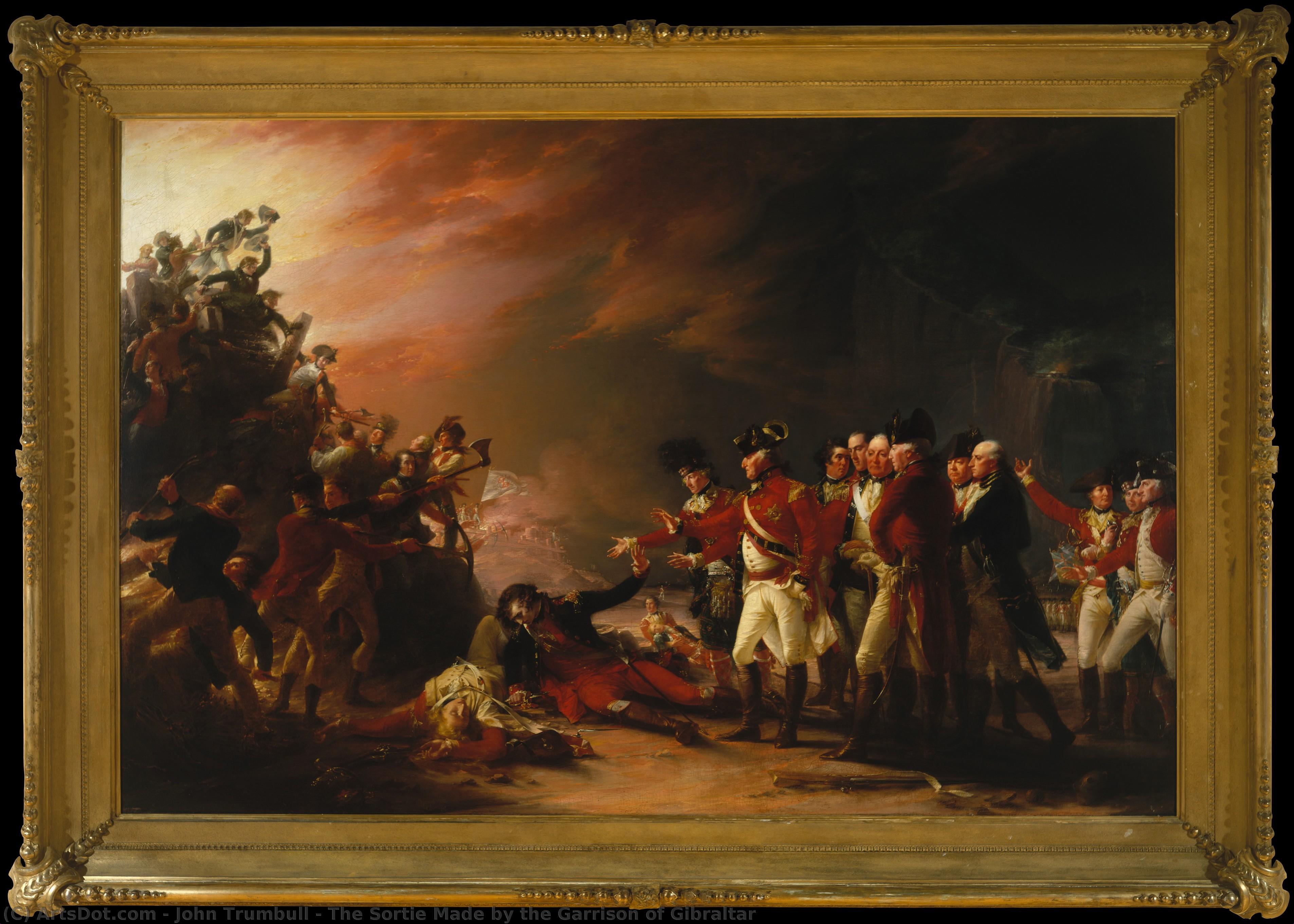
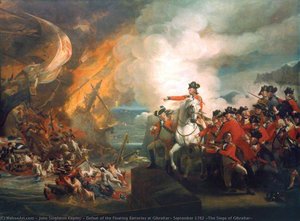
The Sortie Made by the Garrison of Gibraltar
 Acrylic On Canvas
- WallArt
- Romanticism
 1789
1789 180.0 x 272.0 cm
 Музей Метрополитен
 Читать далее
Масляная репродукция ручной работы
Картина маслом на холсте в выбранном вами размере и раме, написанная на заказ нашими художниками. ( Перейти к печати Перейти к цифровым изображениям)




































Выберите один из наших стандартных размеров, соответствующих оригинальным пропорциям произведения искусства.

Вы можете указать собственные размеры, чтобы картина идеально вписалась в выбранную раму или пространство. Если выбранный вами размер не соответствует пропорциям оригинала, мы либо обрежем полотно, либо расширим его за счет дополнительных элементов, написанных вручную. Цифровой макет будет отправлен вам на утверждение перед началом производства.
Обратите внимание, что предварительный просмотр на экране не отражает фактическую обрезку или расширение. Только макет точно покажет окончательную композицию.
Хотя доступны индивидуальные размеры, мы рекомендуем выбирать вариант из предопределенного списка, чтобы сохранить исходные пропорции.
После оформления заказа команда ArtsDot.com свяжется с клиентом по электронной почте для уточнения деталей и предоставит предварительный макет
Доставка по всему миру () за 3–4 недели вместо стандартных 5 недель. (10 Сентябрь). Без компромиссов в качестве.

Бесплатная экспресс-доставка по всему миру

Высококачественный льняной холст

Полное страхование доставки

Гарантия возмещения таможенных пошлин

Гарантия точного соответствия цветов

100-дневная политика возврата (только при обнаружении дефектов)

Гарантия возврата 100% средств

Предложение оптовых скидок
 Вариант со стеклом доступен только для размеров менее 110 см

The Sortie Made by the Garrison of Gibraltar
Техника репродукции
Размер репродукции
-


Итоговая стоимость
$ 263
The Sortie Made by the Garrison of Gibraltar – A Triumph of Dramatic Narrative
This monumental painting by John Trumbull stands as a cornerstone of American art history and a testament to the fervor of revolutionary idealism. Completed in 1789, it commemorates the daring defense of Gibraltar during the Napoleonic Wars—a pivotal moment where British resilience defied overwhelming odds against Spanish ambition. More than just a depiction of military action, “The Sortie Made by the Garrison of Gibraltar” is an ambitious undertaking that embodies Trumbull’s mastery of history painting and his unwavering commitment to capturing the essence of human drama.A Scene Frozen in Time: Historical Context
The Siege of Gibraltar had begun in 1781, fueled by Spain's determination to wrest control of Britain’s Mediterranean stronghold—a vital naval base protecting British trade routes. The British garrison, under General George Eliott, faced relentless bombardment and a formidable Spanish army attempting to breach the fortifications. Trumbull meticulously researched the events leading up to the sortie, capturing not merely what transpired but also the palpable atmosphere of anxiety and defiance that gripped the defenders. He sought to portray the siege as more than just a military conflict; it represented a struggle for liberty against oppression—a narrative deeply resonant with the spirit of the burgeoning United States.The Artist’s Vision: Style and Technique
Trumbull's approach distinguishes itself through its theatrical grandeur and masterful use of composition. Employing a pyramidal structure, he draws the viewer’s eye upwards towards the central figure – Don Jose de Barboza—creating an illusion of depth and emphasizing his tragic heroism. The artist skillfully utilized chiaroscuro—the dramatic interplay of light and shadow—to heighten emotional impact, illuminating key moments of action while shrouding others in darkness. Trumbull's meticulous attention to detail extends beyond mere representation; he strives for psychological realism, conveying the inner turmoil and determination of each participant.Symbolism Within the Canvas: Figures and Gestures
The painting’s symbolism is layered and profound. Don Jose de Barboza, despite being mortally wounded, embodies unwavering courage—rejecting Eliott's offer of assistance as he clings to his duty until the very end. This gesture underscores Trumbull’s belief in honor and selflessness—values central to the American ethos. The British officers surrounding Barboza represent steadfast resolve and strategic leadership, while the fallen soldier symbolizes sacrifice for the cause of freedom. Each figure is rendered with expressive gestures and facial expressions, conveying emotion and capturing the psychological complexity of the scene.Emotional Resonance: Impact on Viewers
“The Sortie Made by the Garrison of Gibraltar” transcends its historical subject matter to evoke a powerful emotional response in viewers. Trumbull’s depiction captures not only the physical struggle for survival but also the moral imperative to defend liberty—themes that continue to resonate across generations. The painting's monumental scale and dramatic lighting contribute to its immersive quality, transporting audiences back to the tumultuous era of the Napoleonic Wars. It serves as a poignant reminder of the human cost of conflict and celebrates the triumph of courage and conviction in the face of adversity – an enduring masterpiece that secures Trumbull’s place among America's most celebrated artists.Provenance: The Metropolitan Museum of Art
Currently housed at the Metropolitan Museum of Art in New York City, this artwork exemplifies the highest standards of artistic craftsmanship and historical scholarship. Its preservation ensures that future generations can appreciate its beauty and contemplate its enduring significance as a symbol of American resilience and idealism.Похожие произведения

Биография художника
A Life Etched in Revolution: The World of John Trumbull
John Trumbull, a name synonymous with the visual narrative of America’s birth, was more than just a painter; he was a witness, a soldier, and a chronicler of a nation forging its identity. Born in Lebanon, Connecticut, in 1756, into a family steeped in patriotic fervor – his father, Jonathan Trumbull, served as governor throughout the Revolutionary War – young John’s destiny seemed intertwined with the unfolding drama of independence. A childhood accident tragically cost him the use of one eye, yet this perceived limitation may have paradoxically sharpened his observational skills, contributing to the meticulous detail that would become a hallmark of his artistic style. His early education at Harvard College further cultivated a mind primed for both intellectual rigor and creative expression. Even before fully embracing his calling as an artist, Trumbull’s life was already imbued with a sense of duty and service, sketching fortifications during the Siege of Boston – a foreshadowing of his future role in immortalizing the Revolution on canvas.From Battlefield to Brushstroke: Artistic Formation and Influences
The path to becoming “the Painter of the Revolution” wasn’t immediate. Financial constraints initially led Trumbull down various avenues, but the pull towards art proved irresistible. In 1780, he embarked on a journey to London, seeking tutelage under the esteemed Benjamin West, an American expatriate who had achieved prominence as a history painter. West recognized Trumbull’s potential and encouraged him to focus on scenes from the War of Independence, suggesting smaller-scale works and miniature portraits – a practical approach that allowed Trumbull to hone his skills while establishing a clientele. Over the course of his career, he produced approximately 250 miniatures, demonstrating remarkable versatility and precision. However, West’s influence extended beyond technique; he instilled in Trumbull an appreciation for classical history painting, inspiring him to imbue his work with dramatic composition and allegorical depth. This fusion of historical accuracy and artistic grandeur would define Trumbull's mature style. The experience wasn’t without hardship; a brief but alarming arrest on suspicion of espionage – retaliation for the execution of Major André – forced a temporary retreat from British society, yet ultimately solidified his commitment to portraying the American cause.Immortalizing Independence: Masterpieces and Historical Significance
Trumbull’s most enduring legacy lies in his monumental historical paintings, particularly those that now grace the Capitol Rotunda. The Declaration of Independence, perhaps his most iconic work, is a carefully constructed tableau depicting the momentous occasion with remarkable fidelity. It's not merely a record of who was present but an attempt to capture the gravity and solemnity of the event. Famously, this painting found its way onto the reverse of the two-dollar bill, cementing its place in American iconography. Other significant works include The Surrender of Cornwallis at Yorktown, The Surrender of General Burgoyne, and George Washington before the Battle of Trenton. These paintings weren’t simply artistic endeavors; they were acts of national commemoration, designed to inspire patriotism and solidify a shared historical narrative. Trumbull meticulously researched each scene, consulting with veterans and studying contemporary accounts to ensure accuracy. His preparatory sketches, like the Study for Surrender of Cornwallis at Yorktown, reveal his painstaking planning process and dedication to detail. In an era devoid of photographic documentation, Trumbull’s paintings served as invaluable visual records, shaping public understanding of the Revolution and its key figures.A Lasting Legacy: Collections and Enduring Influence
John Trumbull's contributions extend beyond his celebrated canvases. He was a staunch advocate for the arts in America, serving as president of the American Academy of Fine Arts from 1816 to 1835, tirelessly working to foster a vibrant artistic community within the young nation. His paintings are now held in prestigious institutions across the country, including Yale University Art Gallery, the Smithsonian American Art Museum, and the Virginia Museum of Fine Arts, ensuring their accessibility for generations to come. The prominent display of his works within the United States Capitol serves as a lasting tribute to his dedication to both art and history.- His paintings continue to inspire artists and historians alike.
- They offer invaluable insights into the aesthetics and ideals of the early American republic.
- Trumbull’s commitment to historical accuracy set a precedent for future generations of American historical painters.
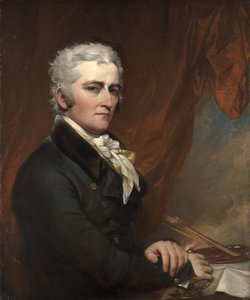
Художник Революции
1756 - 1843 , Великобритания
Основные сведения
- Artistic Movement Or Style: Историческая живопись
- Artists Who Influenced This Artist: ['Бенджамин Вест']
- Date Of Birth: 6 июня 1756 г.
- Date Of Death: 1843 г.
- Full Name: John Trumbull
- Nationality: Американский
- Notable Artworks:
- Декларация независимости
- Сдача Корнуоллиса в Йорктауне
- Джордж Вашингтон перед битвой при Трентоне
- Place Of Birth: Лейбон, США
Похожие статьи
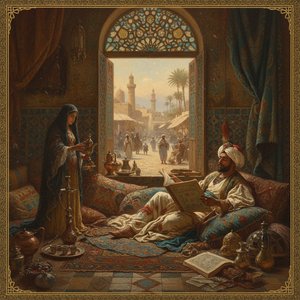
John Frederick Lewis: Orientalism, Detail & Genre Painting in 19th-Century British Art
Explore the captivating Orientalist paintings of John Frederick Lewis! Discover his mastery of detail, genre scenes & influence on 19th-century British art. Learn about his life, techniques & legacy at ArtsDot.
John Hoppner: Portraiture, Patronage & British Identity in the Late Georgian Era
Explore the life & work of John Hoppner, a leading Georgian portraitist. Discover his vibrant style, influential patrons, and lasting impact on British art history. Expert insights for collectors.
John Piper: A Spiritual Vision of British Landscape & Modernism's Embrace
Explore the captivating world of John Piper, a celebrated British painter whose evocative landscapes & iconic church art captured the spirit of his time. Discover his legacy and find high-quality reproductions at ArtsDot.

Джон Сингер Сарджент: 25 шедевров портретной живописи для вашего интерьера | ArtsDot
Погрузитесь в мир Джона Сингера Сарджента! 25 шедевров импрессионизма и реализма, раскрывающих элегантность эпохи Gilded Age. Купите репродукции картин Сарджента музейного качества для вашего интерьера на ArtsDot.com.

Джон Констебль: 25 шедевров английского пейзажа для вашего интерьера
Погрузитесь в мир английского пейзажа с Джоном Констеблом! 25 шедевров романтизма, история создания картин и вдохновение для вашего интерьера. Репродукции высокого качества на ArtsDot.com – искусство для ценителей.