

 Предпросмотр
 Поделиться
 Поделиться
 Детали произведения

 Скачать
 Похожие работы
 Рентгенография
 Слайд-шоу
 Статистика
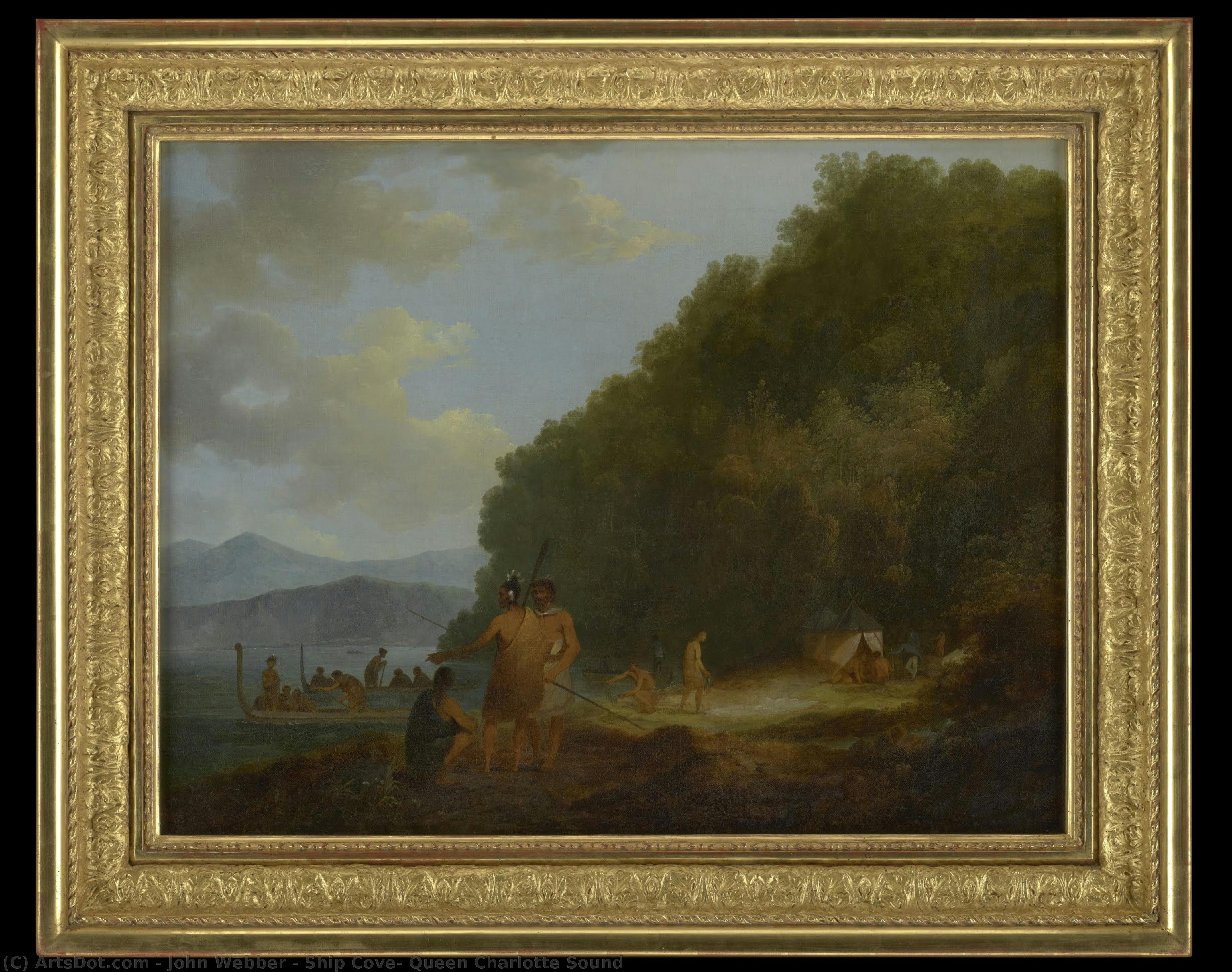
Ship Cove, Queen Charlotte Sound


 Читать далее
Масляная репродукция ручной работы
Картина маслом на холсте в выбранном вами размере и раме, написанная на заказ нашими художниками. ( Перейти к печати Перейти к цифровым изображениям)




P118B $10

P118H $10

P118W $10

P438Z $10

P508JH $12

P508YH $12

P805H $10

P805Z $10

P919BZ $10

P919G $10

P919XJ $10

P959ZH $10

P968JZ $12

W106C $8

W218G $10

W218JH $8

W218Y $10

W307PJ $10

W316G $10

W316PJ $8

W316Y $10

W398PJ $8

W4111J $10

W500HY $15

W500JH $15

W692G $12

W849H $8

W940BG $15

W953PJ $8




Выберите один из наших стандартных размеров, соответствующих оригинальным пропорциям произведения искусства.

Вы можете указать собственные размеры, чтобы картина идеально вписалась в выбранную раму или пространство. Если выбранный вами размер не соответствует пропорциям оригинала, мы либо обрежем полотно, либо расширим его за счет дополнительных элементов, написанных вручную. Цифровой макет будет отправлен вам на утверждение перед началом производства.
Обратите внимание, что предварительный просмотр на экране не отражает фактическую обрезку или расширение. Только макет точно покажет окончательную композицию.
Хотя доступны индивидуальные размеры, мы рекомендуем выбирать вариант из предопределенного списка, чтобы сохранить исходные пропорции.
После оформления заказа команда ArtsDot.com свяжется с клиентом по электронной почте для уточнения деталей и предоставит предварительный макет
Доставка по всему миру () за 3–4 недели вместо стандартных 5 недель. (10 Сентябрь). Без компромиссов в качестве.

Бесплатная экспресс-доставка по всему миру

Высококачественный льняной холст

Полное страхование доставки

Гарантия возмещения таможенных пошлин

Гарантия точного соответствия цветов

100-дневная политика возврата (только при обнаружении дефектов)

Гарантия возврата 100% средств

Предложение оптовых скидок
 Вариант со стеклом доступен только для размеров менее 110 см

Ship Cove, Queen Charlotte Sound
Техника репродукции
Размер репродукции
-


Итоговая стоимость
$ 338
A Window Into Enlightenment Exploration
In the quiet depths of John Webber’s Ship Cove, Queen Charlotte Sound, one finds much more than a mere topographical record of a distant shore; one encounters a profound moment of human intersection. Completed around 1788, this breathtaking oil on canvas serves as a window into the dawn of British colonial ambition and the complex, often fraught, reality of cultural encounter. As the viewer gazes upon this scene, they are transported to the pivotal third voyage of Captain James Cook, where the tranquil waters of New Zealand’s Marlborough Sounds become a stage for a carefully staged tableau of cooperation and underlying tension.
The composition is masterfully balanced, utilizing the natural architecture of the landscape to guide the eye through a narrative of discovery. A sweeping line of mature, lush trees dominates the right side of the frame, providing a sense of structural depth that anchors the viewer within the scene. Through the use of atmospheric haze and soft, diffused lighting, Webber evokes the ethereal quality of an overcast day, lending a dreamlike, almost melancholic beauty to the vista. This technique does more than just establish perspective; it subtly underscores the underlying anxieties of Cook’s mission, suggesting that beneath the serene surface of the cove, much remains unseen and unsaid.
The Artistry of Observation and Technique
Webber’s technical prowess is on full display through his adherence to the neoclassical landscape traditions of the late 18th century. His brushwork, while possessing a certain characteristic looseness typical of fine oil painting, is remarkably precise when it comes to capturing the tactile essence of the natural world. One can almost feel the texture of the damp foliage and the gentle ripples moving across the surface of the water. The artist meticulously renders individual leaves and the movement of the sea, creating an immersive experience that celebrates the Enlightenment ideal of scientific observation through art.
The color palette is a sophisticated arrangement of muted greens, deep blues, and earthy ochres, which harmonizes perfectly with the historical realism of the subject matter. This restrained use of color prevents the scene from becoming overly dramatic, instead allowing the subtle shifts in light to create a sense of lived-in reality. For the collector or interior designer, this palette offers a timeless elegance, making it an ideal centerpiece for spaces that value historical depth and a connection to the organic world.
Symbolism and the Human Connection
At the heart of the painting lies the poignant interaction between two vastly different worlds. The foreground is alive with movement: Māori fishermen are depicted skillfully hauling nets onto the shore, while British sailors are seen busily preparing their camp. This depiction of a "congenial exchange" was a deliberate choice by Webber to convey a sense of order and peaceful coexistence. However, for the informed observer, there is a palpable sense of historical weight. The painting captures a moment of transition, where the beauty of the landscape meets the heavy footsteps of colonial expansion.
Symbolically, the artwork represents the duality of exploration—the thirst for knowledge and the inevitable friction of contact. It is a piece that invites deep contemplation, making it an extraordinary acquisition for those who appreciate art that tells a story of global significance. Whether displayed in a grand library or a contemporary living space, Ship Cove, Queen Charlotte Sound acts as a conversation starter, evoking themes of livelihood, connection to the environment, and the enduring mystery of the unknown.
Похожие произведения
![[waterfall In Dusky Bay With Maori Canoe] — Уильям Ходжес, Romanticism](/media/artworks/images-thumb/07/9b/079b01c8b3857b7a6d1030779a4e7ad7.jpg)
Биография художника
Early Life and Education
- Birth and Family: John Webber was born on October 6, 1751, in London, United Kingdom. His father, Abraham Wäber, was a Swiss sculptor who anglicized his name upon moving to London and marrying Mary Quant in 1744.
- Early Training: Webber received his initial education in Bern, Switzerland, where he lived with his paternal aunt from the age of six. He began his artistic training as an apprentice to Johann Ludwig Aberli, a prominent landscape painter.
- Studies in Paris: From 1770, Webber continued his studies at the Académie Royale in Paris for four years, focusing on drawing and oil painting. This period honed his skills and broadened his artistic horizons.
- Return to London: After completing his education abroad, Webber returned to London and further refined his techniques at the Royal Academy.
The Pacific Expedition with Captain Cook
- Appointment as Artist: In 1776, Webber was selected as the official artist for Captain James Cook's third voyage of discovery in the Pacific. This opportunity arose through a recommendation from Daniel Solander, a botanist who had accompanied Cook on his first voyage.
- Voyage and Documentation: From 1776 to 1780, Webber meticulously documented the landscapes, people, and cultures encountered during the expedition. He created numerous drawings and watercolors of scenes in New Zealand, Hawaii (then known as the Sandwich Islands), Alaska, and other Pacific locations.
- First European Contact with Hawaii: Webber became the first European artist to make contact with Hawaii, producing significant visual records of the islands and their inhabitants. His watercolor landscapes of Kauai and Hawaii Island, including Kealakekua Bay and Kowroaa village, are particularly notable.
- Portraits of Indigenous Peoples: Webber also created portraits of prominent figures like Tereoboo, King of Owyhee, offering valuable insights into the appearance and customs of Pacific Islanders.
- Illustrations for Admiralty Account: His work was crucial in illustrating the British Admiralty's official account of the expedition, published in 1784. These engravings brought the discoveries of Cook’s voyage to a wider audience.
Career and Artistic Style
- Exhibitions at the Royal Academy: Following his return to England in 1780, Webber exhibited around 50 works at the Royal Academy between 1784 and 1792. His paintings showcased both landscapes and figures.
- Recognition and Membership: He was elected an associate of the Royal Academy in 1785 and a full member in 1791, demonstrating his growing reputation within the British art world.
- Landscape Focus with Figurative Elements: Webber’s artistic style primarily focused on landscapes, often incorporating figures to add narrative or scale. A notable example is “A Party from H.M.S. Resolution shooting sea horses,” exhibited in 1784.
- Influence of Earlier Masters: While his work reflects the influence of earlier landscape painters like Aberli, Webber developed a unique style characterized by detailed observation and accurate representation of natural environments.
Legacy and Collections
- Historical Significance: John Webber’s artwork provides invaluable visual documentation of Captain Cook's voyages and the first European encounters with Pacific cultures. His images offer a unique perspective on 18th-century exploration and cultural exchange.
- Museum Holdings: His works are held in numerous prestigious collections worldwide, including the Anchorage Museum of History and Art (Alaska), the Bishop Museum (Honolulu), the British Museum (London), the National Maritime Museum (London) ,the Bern Historical Museum (Switzerland), and the San Antonio Museum of Art.
- Enduring Impact: Webber’s paintings continue to be studied by art historians, anthropologists, and scholars interested in the history of exploration, Pacific cultures, and 18th-century art. His detailed depictions offer a glimpse into a pivotal period of global interaction.
- Death and Remembrance: John Webber died on May 29, 1793, leaving behind a significant artistic legacy that continues to resonate today.
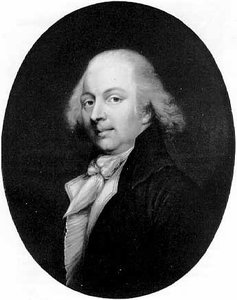
John Webber
1751 - 1793 , United Kingdom
Основные сведения
- Artistic Movement Or Style: Landscape, Portraiture
- Artists Who Influenced This Artist: ['Aberli']
- Date Of Birth: October 6, 1751
- Date Of Death: May 29, 1793
- Full Name: John Webber
- Nationality: English
- Notable Artworks:
- Ship Cove
- Cook's Portrait
- Poedua portrait
- Place Of Birth: London, UK
Похожие статьи

F.A.Q.: Бесплатная доставка по всему миру – Ответы для ценителей искусства
предлагает бесплатную доставку произведений искусства по всему миру. Узнайте о деталях международной доставки, таможенном оформлении и гарантиях для ценителей искусства.

Grahame Sydney: Evoking Otago's Soul Through Light & Landscape
Explore the captivating landscapes of Sir Grahame Sydney, a leading New Zealand artist renowned for his magic realism & evocative depictions of Otago's beauty. Discover key works and delve into his artistic legacy.

Джон Сингер Сарджент: 25 шедевров портретной живописи для вашего интерьера | ArtsDot
Погрузитесь в мир Джона Сингера Сарджента! 25 шедевров импрессионизма и реализма, раскрывающих элегантность эпохи Gilded Age. Купите репродукции картин Сарджента музейного качества для вашего интерьера на ArtsDot.com.

Джон Констебль: 25 шедевров английского пейзажа для вашего интерьера
Погрузитесь в мир английского пейзажа с Джоном Констеблом! 25 шедевров романтизма, история создания картин и вдохновение для вашего интерьера. Репродукции высокого качества на ArtsDot.com – искусство для ценителей.

Доставка и возврат
APS обеспечивает профессиональную международную доставку произведений искусства с уходом на уровне музея, полным отслеживанием и 100-дневной гарантией возврата денег. От поддержки таможни до Priority Production — доверьтесь прозрачному сервису, безопасной упаковке и надежной доставке для коллекционеров, дизайнеров и галерей.