 Предпросмотр
 Поделиться
 Поделиться
 Детали произведения

 Скачать
 Похожие работы
 Рентгенография
 Слайд-шоу
 Статистика
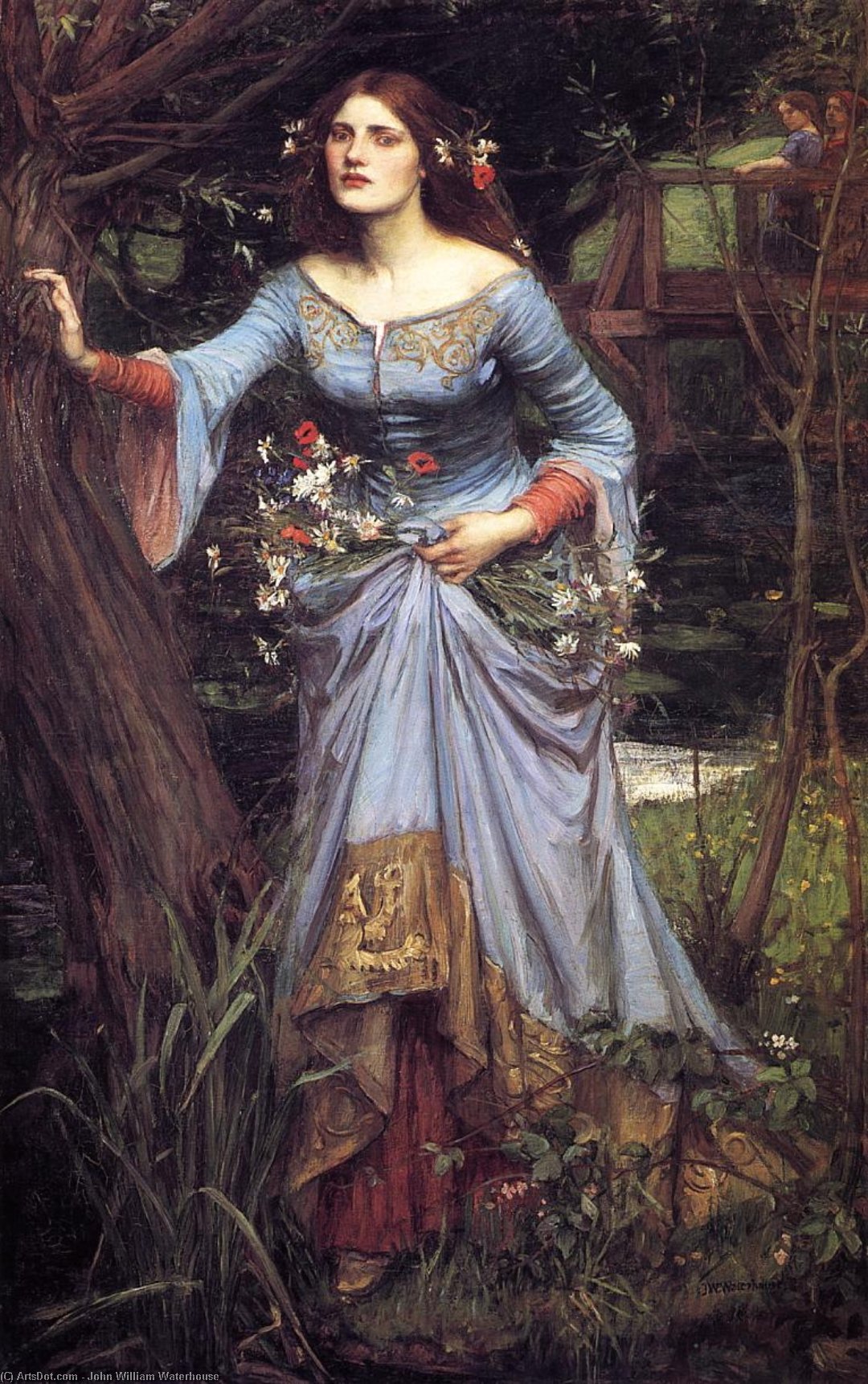
Ophelia
 Oil On Canvas
- WallArt
- Romantic Pre-Raphaelite
 1889
1889- 19th Century
 97.0 x 158.0 cm
 Читать далее
Жикле / Арт-принт
Печать (жикле) или холст музейного качества с быстрыми сроками изготовления и широким выбором вариантов отделки. ( Купить картину ручной работы Перейти к цифровым изображениям)




P118B $10

P118H $10

P118W $10

P438Z $10

P508JH $12

P508YH $12

P805H $10

P805Z $10

P919BZ $10

P919G $10

P919XJ $10

P959ZH $10

P968JZ $12

W106C $8

W218G $10

W218JH $8

W218Y $10

W307PJ $10

W316G $10

W316PJ $8

W316Y $10

W398PJ $8

W4111J $10

W500HY $15

W500JH $15

W692G $12

W849H $8

W940BG $15

W953PJ $8




Выберите один из наших стандартных размеров, соответствующих оригинальным пропорциям произведения искусства.

Вы можете указать свои собственные размеры, чтобы репродукция идеально подошла под конкретную раму или пространство. Если выбранный вами размер не будет соответствовать пропорциям оригинала, мы либо обрежем произведение, либо дополним изображение зеркальным отражением краев или однотонной заливкой. Перед началом производства вам будет отправлен цифровой макет для утверждения.
Пожалуйста, обратите внимание, что предварительный просмотр на экране не отображает фактическую обрезку или расширение изображения. Только макет точно покажет финальную композицию.
Несмотря на возможность заказа индивидуальных размеров, мы рекомендуем выбирать размер из предопределенного списка, чтобы сохранить оригинальные пропорции.
Доставка по всему миру () за 2 недели вместо стандартных 4/5 недель. (11 Сентябрь)

Бесплатная экспресс-доставка по всему миру

Высококачественный льняной холст

Полное страхование доставки

Гарантия возмещения таможенных пошлин

Гарантия точного соответствия цветов

100-дневная политика возврата (только при обнаружении дефектов)

Гарантия возврата 100% средств

Предложение оптовых скидок
 Вариант со стеклом доступен только для размеров менее 110 см

Ophelia
Жикле / Арт-принт
Размер репродукции
-


Итоговая стоимость
$ 62
A Tragic Symphony in Bloom
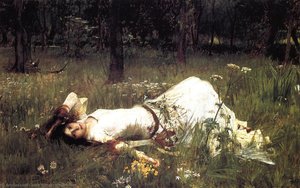
In the quiet, shadowed corners of art history, few images resonate with as much haunting beauty as John William Waterhouse’s Ophelia. This masterpiece serves as a profound meditation on grief, capturing the exact moment where life meets the inevitable embrace of nature. The painting depicts the tragic demise of Polonius’ daughter from Shakespeare’s Hamlet, frozen in a state of serene surrender as she drifts within a lush lily pond. Waterhouse does not merely illustrate a scene from a play; he invites the viewer into a liminal space between existence and oblivion, where the weight of sorrow is balanced by an ethereal, almost divine, grace. For the collector or designer, this work offers more than just visual splendor; it provides a window into a soul caught in the delicate transition from breath to silence.
The aesthetic power of the piece lies in its masterful execution of the Pre-Raphaelite spirit. Waterhouse, though often associated with the Romantic movement, utilized the meticulous detail and vibrant color palettes championed by the Pre-Raphaelite Brotherhood to breathe life into his subject. Through a sophisticated use of oil on canvas, he employed delicate glazing techniques—layering translucent washes of pigment to create a luminous depth that seems to glow from within. This painstaking process allows the light to dance across the surface of the water and catch the fine textures of Ophelia’s flowing hair and damp garments. The result is a painting that feels remarkably tactile, where the coolness of the water and the softness of the petals can almost be felt by the observer.
The Language of Flowers and Fate
Beyond its surface beauty, Ophelia is a dense tapestry of symbolic meaning, designed to be read as much as seen. Every botanical element placed around the doomed heroine serves as a silent messenger of her psychological state. The lily pond itself acts as a mirror for purity being overtaken by the melancholy of death, while the scattered wildflowers tell a story of lost innocence and remembrance. Violets signify faithfulness, pansies represent deep thought, and the roses hint at the fleeting nature of love. Even the subtle presence of greenery and the weeping willow branches frame the composition with a sense of mourning, creating an immersive environment that envelops the viewer in Shakespearean tragedy.
For those looking to integrate such a profound work into a curated space, the emotional impact of Ophelia is unparalleled. It possesses a unique ability to anchor a room, providing a focal point that encourages contemplation and evokes a sense of timelessness. Whether placed in a quiet study or as a centerpiece in a grand salon, a high-quality reproduction of this work brings with it an aura of intellectual depth and romantic nostalgia. It is an invitation to appreciate the sublime—the intersection where the devastating reality of loss meets the everlasting beauty of the natural world.
Похожие произведения

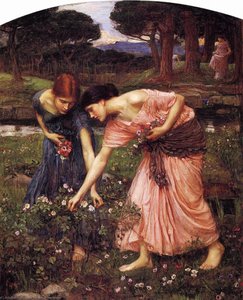

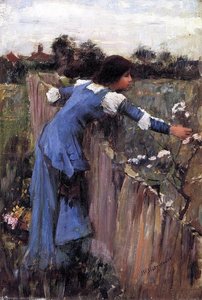
Биография художника
A Roman Beginning: The Early Life and Influences of John William Waterhouse
John William Waterhouse, a name inextricably linked to the romanticism of the Pre-Raphaelite movement, didn’t emerge from the misty landscapes often associated with that artistic circle. His story began far removed from those familiar scenes – in Rome, Italy, during his formative years. Born in 1849 to English parents, Waterhouse spent his early childhood immersed in the classical beauty of the Eternal City. This exposure to ancient Roman art and mythology wasn’t merely a backdrop; it profoundly shaped his artistic sensibilities, instilling within him a deep appreciation for the grandeur of antiquity and its enduring influence on Western culture. The Waterhouse family returned to England in 1854, settling in South Kensington, London – a location strategically chosen due to its proximity to the burgeoning Victoria and Albert Museum, a treasure trove of classical sculpture and decorative arts. This move provided young John with unparalleled access to the artistic heritage he’d first encountered in Rome, further fueling his fascination with ancient forms and narratives. His initial training was conventional, encompassing studies at the Royal Academy Schools, where he honed his technical skills in drawing and painting – mastering perspective, anatomy, and the fundamentals of composition. However, it was the vibrant intellectual atmosphere and spirit of innovation within the Royal Academy that truly ignited his passion for art, pushing him beyond mere technical proficiency. Even his early works reveal a meticulous attention to detail and a commitment to historical accuracy, qualities that would become defining characteristics of his mature style.Embracing the Pre-Raphaelite Brotherhood
While Waterhouse’s initial artistic output leaned towards classical themes reminiscent of artists like Alma-Tadema and Frederic Leighton – masters of opulent Victorian interiors and idealized figures – he gradually gravitated toward the ideals championed by the Pre-Raphaelite Brotherhood, founded in 1848. This influential group sought a return to the detailed observation of nature and the vibrant, unmodulated colors found in early Italian Renaissance art – a style they believed had been sacrificed in favor of academic conventions following Raphael’s death. Waterhouse didn't formally join the brotherhood itself, but he wholeheartedly embraced its core principles, infusing his paintings with a lyrical beauty and emotional depth that resonated powerfully with contemporary audiences. His 1874 painting, *Sleep and His Half-Brother Death*, exhibited at the Royal Academy, served as a pivotal moment, demonstrating his growing mastery of symbolic narrative and atmospheric effects – hallmarks of the Pre-Raphaelite aesthetic. This success solidified his position within the London art scene, attracting attention from collectors and critics alike. He wasn’t simply replicating Pre-Raphaelite techniques; he was interpreting them through his own unique lens, blending classical precision with romantic sensibility and a profound understanding of human psychology.Mythological Visions and Arthurian Echoes
Waterhouse is perhaps most renowned for his evocative depictions of mythological subjects and the timeless tales of Arthurian legend. He possessed an extraordinary ability to breathe life into these ancient narratives, portraying goddesses, nymphs, and tragic heroines with an exquisite blend of beauty, vulnerability, and emotional intensity. *The Lady of Shalott*, arguably his most iconic work, exists in three distinct versions (1888, 1894, and 1916), each a poignant meditation on Tennyson’s poem – a story of isolation, artistic longing, and the tragic consequences of defying societal expectations. The image of the doomed lady, adrift on her river barge, became an enduring symbol of Victorian romanticism and the plight of the artist struggling to find recognition in a world that often misunderstood their creative spirit. Similarly, his depictions of Ophelia – captured in moments of serene beauty before her fatal descent – are imbued with a haunting melancholy and a profound sense of loss. He didn’t merely illustrate these tales; he explored their psychological depths, focusing on the emotional states of his subjects and conveying the underlying themes of love, betrayal, and mortality. *Hylas and the Nymphs*, *Ariadne*, and *Penelope and the Suitors* further exemplify his ability to transform classical narratives into visually stunning and emotionally resonant works of art – each painting a carefully constructed tableau designed to evoke a specific mood and narrative.Technique and Style: A Delicate Balance
Waterhouse’s artistic style was characterized by a remarkable balance between meticulous detail and atmospheric softness. He employed a highly polished technique, often utilizing layers of translucent glazes to achieve luminous colors and a sense of ethereal beauty. His compositions were typically large-scale, commanding attention with their rich textures and intricate details. However, he also possessed a subtle understanding of brushwork – employing short, broken strokes to create a sense of movement and atmosphere, particularly in his depictions of water and light. This delicate balance between precision and spontaneity is evident throughout his oeuvre, contributing to the captivating allure of his paintings. He was influenced by the Pre-Raphaelites’ emphasis on naturalism but developed his own distinctive style, characterized by a refined elegance and a profound sensitivity to color and form. His meticulous attention to detail – from the folds of fabric to the expression in a subject's eyes – created an illusion of reality that captivated viewers and cemented his reputation as one of the most accomplished painters of his generation.Legacy and Lasting Influence
John William Waterhouse continued to paint prolifically until his death in 1917, achieving widespread recognition and acclaim during his lifetime. He was elected a full Academician in 1895 – a prestigious honor bestowed upon artists who had made significant contributions to the British art world – and dedicated time to teaching at the St. John’s Wood Art School, nurturing the next generation of artists. While his popularity waned somewhat after World War I, there has been a remarkable resurgence of interest in his work in recent decades, driven by renewed appreciation for the Pre-Raphaelite movement and its enduring influence on Western art. Today, Waterhouse is celebrated as one of the most important figures of the Pre-Raphaelite era – a master of Victorian painting whose evocative depictions of mythology, legend, and human emotion continue to captivate audiences worldwide. His paintings serve as a testament to his artistic skill, his profound understanding of human psychology, and his enduring ability to transport viewers to another world—a realm of myth, beauty, and timeless longing.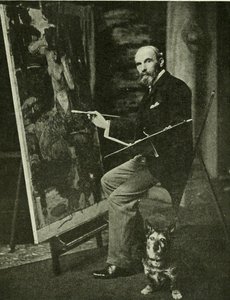
Иван Уильям Уотерхёуз
1849 - 1917 , Италия
Основные сведения
- Artistic Movement Or Style: Прерафаэлизм, Викторианство
- Artists Or Movements Influenced By This Artist: ['Импрессионизм']
- Artists Who Influenced This Artist:
- Альма-Тадема
- Фредерик Летон
- Date Of Birth: 1849
- Date Of Death: 1917
- Full Name: John William Waterhouse
- Nationality: Англичанин
- Notable Artworks:
- Леди Шалот
- Офелия
- Гилас и нимфы
- Place Of Birth: Рим, Италия
Похожие статьи
Sir John Everett Millais: Pre-Raphaelite Rebellion & Victorian Narrative Detail
Explore the revolutionary art of Sir John Everett Millais & the Pre-Raphaelite Brotherhood. Discover their radical realism, symbolic narratives, and lasting impact on Victorian aesthetics. A deep dive into 19th-century masterpieces.
25 Шедевров Данте Габриэля Россетти: Искусство, Символизм и Декор для Вашего Дома
Погрузитесь в мир Данте Габриэля Россетти! 25 шедевров прерафаэлитов, полных символизма и страсти. Узнайте истории создания культовых картин и найдите идеальный декор для вашего дома на ArtsDot.com – музейное качество, вдохновение и искусство онлайн.

John William Waterhouse: Pre-Raphaelite Mythmaker & Poetic Depictions of Female Identity
Explore the captivating world of John William Waterhouse, a master of Pre-Raphaelite painting. Discover his iconic depictions of mythology and female identity in this expert guide.
John Collier: Pre-Raphaelite Realism & Victorian Psychological Portraiture
Explore the captivating world of John Collier, a leading Pre-Raphaelite painter renowned for his psychologically insightful Victorian portraits. Discover his masterpieces and lasting artistic legacy.

Джон Сингер Сарджент: 25 шедевров портретной живописи для вашего интерьера | ArtsDot
Погрузитесь в мир Джона Сингера Сарджента! 25 шедевров импрессионизма и реализма, раскрывающих элегантность эпохи Gilded Age. Купите репродукции картин Сарджента музейного качества для вашего интерьера на ArtsDot.com.