

 Предпросмотр
 Поделиться
 Поделиться
 Детали произведения

 Скачать
 Похожие работы
 Рентгенография
 Слайд-шоу
 Статистика
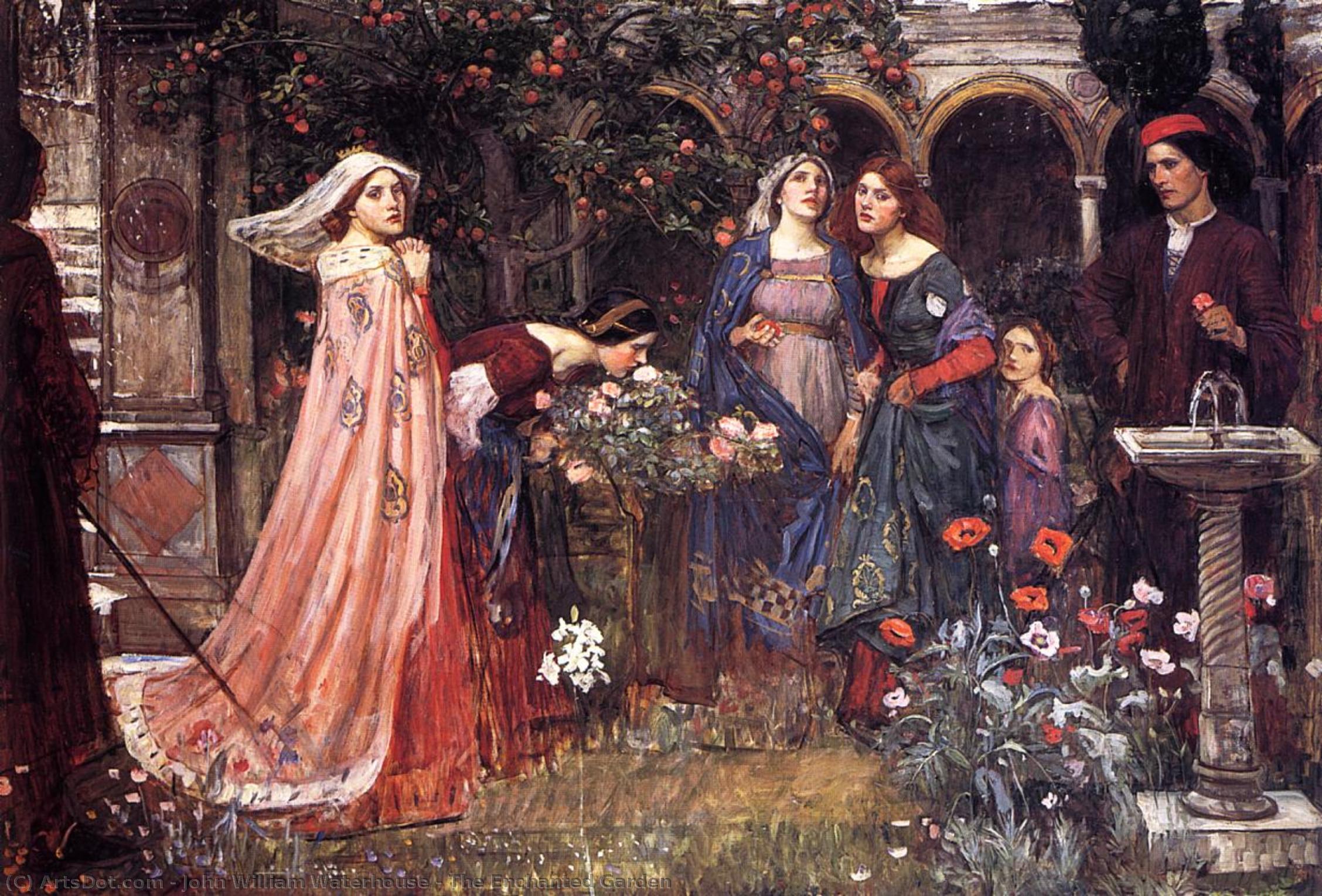
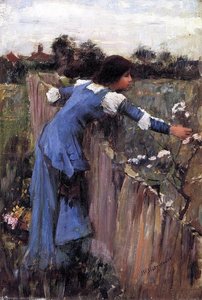
The Enchanted Garden
 Acrylic On Canvas
- WallArt
- Romanticism
 1917
1917 115.0 x 160.0 cm
 Lady Lever Art Gallery
 Читать далее
Приобретите цифровое изображение высокого разрешения в улучшенном качестве, которое значительно превосходит онлайн-превью.
Каждый файл тщательно подготавливается нашими специалистами с использованием передовых инструментов и экспертной ручной ретуши. Мы гарантируем исключительную четкость, точную цветопередачу и детальную проработку каждого изображения.
Финальный файл доставляется по электронной почте в течение 72 часов и оптимизирован для немедленного использования в профессиональной среде, при верстке и печати. Это тот же уровень качества, которому доверяют ведущие дизайнерские студии, издательства и галереи.
Цифровое изображение
Скачайте файл высокого разрешения для личного использования, печати и творческих проектов. ( Перейти к печати Купить картину ручной работы)
Включено в каждый заказ цифровых изображений
Гарантия экспертной цифровой доставки
Выбирая ArtsDot.com, вы получаете не просто изображение — вы приобретаете профессионально обработанное цифровое произведение искусства, созданное с безупречной точностью и под защитой гарантии качества. Вот всё, что автоматически входит в ваш заказ:

Мгновенная доставка по e-mail
Ваш цифровой файл в высоком разрешении будет отправлен вам по электронной почте в течение 72 часов после оформления заказа — и сразу станет доступен для использования.

Цифровой файл с ИИ-улучшением
Ваше произведение искусства проходит профессиональную оптимизацию с использованием передовых инструментов ИИ и ручной обработки, что гарантирует максимальную детализацию, четкость и точность цветопередачи.

Бессрочная бесплатная повторная доставка
Случайно удалили или потеряли файл? Не беспокойтесь — мы отправим его вам повторно в любое время и совершенно бесплатно.

Без импортных пошлин — навсегда
Наслаждайтесь вашим произведением искусства мгновенно без таможенных пошлин, сборов или затрат на доставку — цифровые загрузки всегда не облагаются налогом.

Гарантия точности цветопередачи
Мы гарантируем, что ваше цифровое изображение максимально точно передает оригинальные цвета благодаря использованию профессиональных инструментов и систем управления цветом.

Гарантия удовлетворенности 100 дней
Если вы не будете удовлетворены своим цифровым изображением, мы внесем правки или вернем 100% стоимости в течение 100 дней — без лишних вопросов.

100% Гарантия возврата средств
Не удовлетворены покупкой? Получите полный возврат средств в течение 100 дней после получения цифрового файла — без лишних вопросов.

Скидки на оптовые заказы
Купите 3 изображения, сэкономьте 10% — Купите 5, сэкономьте 15% — Купите 10+, сэкономьте 20%. Отличное решение для творческих проектов, галерей и агентств.
The Enchanted Garden: A Romantic Vision by John William Waterhouse
The painting “The Enchanted Garden,” completed in 1917 by the celebrated English artist John William Waterhouse, stands as a quintessential embodiment of Pre-Raphaelite romanticism. More than just a depiction of flora and fauna, it’s an invitation into a dreamlike realm where beauty reigns supreme and symbolism whispers secrets to attentive eyes—a fascination with classical art that would define Waterhouse's artistic legacy.Style and Influences: Echoes of Byzantium
Waterhouse’s stylistic approach was firmly rooted in the Pre-Raphaelite Brotherhood, a group of artists who rejected the academic conventions prevalent at the time and sought inspiration from medieval art and literature. Unlike the polished surfaces favored by their contemporaries, Waterhouse prioritized capturing ethereal beauty—a characteristic that permeated his entire oeuvre. The influence of Byzantine iconography is palpable; the muted palette—dominated by soft blues, greens, and creams—creates an atmosphere of solemn contemplation reminiscent of illuminated manuscripts. This deliberate stylistic choice underscores Waterhouse’s desire to transcend mere representation and convey a deeper spiritual resonance.Technique: Delicate Brushstrokes and Atmospheric Light
Waterhouse's mastery lay in his meticulous technique. He employed delicate brushstrokes, layering translucent glazes to achieve remarkable luminosity—a hallmark of Pre-Raphaelite painting. The artist painstakingly rendered the textures of petals and foliage, capturing every nuance of light and shadow. Waterhouse’s attention to detail extended beyond mere visual accuracy; he sought to evoke a palpable sense of atmosphere—the coolness of twilight, the subtle fragrance of blossoms—transforming his canvas into an immersive experience for the viewer. The artist skillfully utilized chiaroscuro—contrasting areas of light and dark—to sculpt forms and heighten dramatic effect.Historical Context: A Moment Frozen in Time
“The Enchanted Garden” was created during a period of significant artistic ferment, coinciding with the waning influence of Impressionism and the resurgence of interest in Romantic ideals. Waterhouse’s work reflects the broader cultural anxieties surrounding modernity—a yearning for stability amidst rapid social change. The painting resides at the Lady Lever Art Gallery in Merseyside, United Kingdom, offering visitors a chance to contemplate this masterpiece within its original context—a testament to Liverpool's commitment to preserving and celebrating artistic heritage. Its placement alongside other Pre-Raphaelite treasures reinforces Waterhouse’s position as one of the movement’s foremost practitioners.Symbolism: Snowflakes and Eternal Beauty
The painting is replete with symbolic imagery designed to elevate its aesthetic qualities beyond mere visual pleasure. The falling snowflakes—a recurring motif in Waterhouse's art—represent the passage of time and the ephemeral nature of beauty, reminding us that even the most exquisite creations are destined for decay. Yet, amidst this melancholic contemplation lies an affirmation of eternal ideals—the enduring power of love, faith, and artistic vision. The carefully positioned figures—women adorned in flowing gowns—symbolize feminine grace and spiritual purity. Their gaze is directed inward, suggesting a preoccupation with inner reflection—a profound engagement with the mysteries of existence.Emotional Impact: A Sanctuary for the Soul
Ultimately, “The Enchanted Garden” transcends its formal elements to elicit an emotional response from the viewer. Its serene beauty inspires feelings of tranquility and wonder—transporting us back to a time when imagination reigned supreme and art served as a conduit for spiritual contemplation. Waterhouse’s masterful orchestration of color, light, and composition creates a sanctuary for the soul—a space where anxieties dissipate and we reconnect with our deepest aspirations. It remains an enduring testament to the transformative power of art—a timeless masterpiece that continues to captivate audiences across generations.Похожие произведения

Биография художника
A Roman Beginning: The Early Life and Influences of John William Waterhouse
John William Waterhouse, a name inextricably linked to the romanticism of the Pre-Raphaelite movement, didn’t emerge from the misty landscapes often associated with that artistic circle. His story began far removed from those familiar scenes – in Rome, Italy, during his formative years. Born in 1849 to English parents, Waterhouse spent his early childhood immersed in the classical beauty of the Eternal City. This exposure to ancient Roman art and mythology wasn’t merely a backdrop; it profoundly shaped his artistic sensibilities, instilling within him a deep appreciation for the grandeur of antiquity and its enduring influence on Western culture. The Waterhouse family returned to England in 1854, settling in South Kensington, London – a location strategically chosen due to its proximity to the burgeoning Victoria and Albert Museum, a treasure trove of classical sculpture and decorative arts. This move provided young John with unparalleled access to the artistic heritage he’d first encountered in Rome, further fueling his fascination with ancient forms and narratives. His initial training was conventional, encompassing studies at the Royal Academy Schools, where he honed his technical skills in drawing and painting – mastering perspective, anatomy, and the fundamentals of composition. However, it was the vibrant intellectual atmosphere and spirit of innovation within the Royal Academy that truly ignited his passion for art, pushing him beyond mere technical proficiency. Even his early works reveal a meticulous attention to detail and a commitment to historical accuracy, qualities that would become defining characteristics of his mature style.Embracing the Pre-Raphaelite Brotherhood
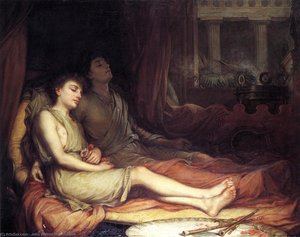
While Waterhouse’s initial artistic output leaned towards classical themes reminiscent of artists like Alma-Tadema and Frederic Leighton – masters of opulent Victorian interiors and idealized figures – he gradually gravitated toward the ideals championed by the Pre-Raphaelite Brotherhood, founded in 1848. This influential group sought a return to the detailed observation of nature and the vibrant, unmodulated colors found in early Italian Renaissance art – a style they believed had been sacrificed in favor of academic conventions following Raphael’s death. Waterhouse didn't formally join the brotherhood itself, but he wholeheartedly embraced its core principles, infusing his paintings with a lyrical beauty and emotional depth that resonated powerfully with contemporary audiences. His 1874 painting, *Sleep and His Half-Brother Death*, exhibited at the Royal Academy, served as a pivotal moment, demonstrating his growing mastery of symbolic narrative and atmospheric effects – hallmarks of the Pre-Raphaelite aesthetic. This success solidified his position within the London art scene, attracting attention from collectors and critics alike. He wasn’t simply replicating Pre-Raphaelite techniques; he was interpreting them through his own unique lens, blending classical precision with romantic sensibility and a profound understanding of human psychology.Mythological Visions and Arthurian Echoes
Waterhouse is perhaps most renowned for his evocative depictions of mythological subjects and the timeless tales of Arthurian legend. He possessed an extraordinary ability to breathe life into these ancient narratives, portraying goddesses, nymphs, and tragic heroines with an exquisite blend of beauty, vulnerability, and emotional intensity. *The Lady of Shalott*, arguably his most iconic work, exists in three distinct versions (1888, 1894, and 1916), each a poignant meditation on Tennyson’s poem – a story of isolation, artistic longing, and the tragic consequences of defying societal expectations. The image of the doomed lady, adrift on her river barge, became an enduring symbol of Victorian romanticism and the plight of the artist struggling to find recognition in a world that often misunderstood their creative spirit. Similarly, his depictions of Ophelia – captured in moments of serene beauty before her fatal descent – are imbued with a haunting melancholy and a profound sense of loss. He didn’t merely illustrate these tales; he explored their psychological depths, focusing on the emotional states of his subjects and conveying the underlying themes of love, betrayal, and mortality. *Hylas and the Nymphs*, *Ariadne*, and *Penelope and the Suitors* further exemplify his ability to transform classical narratives into visually stunning and emotionally resonant works of art – each painting a carefully constructed tableau designed to evoke a specific mood and narrative.Technique and Style: A Delicate Balance
Waterhouse’s artistic style was characterized by a remarkable balance between meticulous detail and atmospheric softness. He employed a highly polished technique, often utilizing layers of translucent glazes to achieve luminous colors and a sense of ethereal beauty. His compositions were typically large-scale, commanding attention with their rich textures and intricate details. However, he also possessed a subtle understanding of brushwork – employing short, broken strokes to create a sense of movement and atmosphere, particularly in his depictions of water and light. This delicate balance between precision and spontaneity is evident throughout his oeuvre, contributing to the captivating allure of his paintings. He was influenced by the Pre-Raphaelites’ emphasis on naturalism but developed his own distinctive style, characterized by a refined elegance and a profound sensitivity to color and form. His meticulous attention to detail – from the folds of fabric to the expression in a subject's eyes – created an illusion of reality that captivated viewers and cemented his reputation as one of the most accomplished painters of his generation.Legacy and Lasting Influence
John William Waterhouse continued to paint prolifically until his death in 1917, achieving widespread recognition and acclaim during his lifetime. He was elected a full Academician in 1895 – a prestigious honor bestowed upon artists who had made significant contributions to the British art world – and dedicated time to teaching at the St. John’s Wood Art School, nurturing the next generation of artists. While his popularity waned somewhat after World War I, there has been a remarkable resurgence of interest in his work in recent decades, driven by renewed appreciation for the Pre-Raphaelite movement and its enduring influence on Western art. Today, Waterhouse is celebrated as one of the most important figures of the Pre-Raphaelite era – a master of Victorian painting whose evocative depictions of mythology, legend, and human emotion continue to captivate audiences worldwide. His paintings serve as a testament to his artistic skill, his profound understanding of human psychology, and his enduring ability to transport viewers to another world—a realm of myth, beauty, and timeless longing.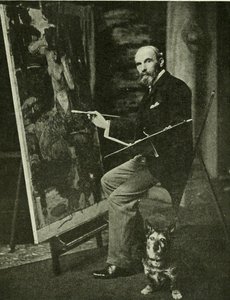
Иван Уильям Уотерхёуз
1849 - 1917 , Италия
Основные сведения
- Artistic Movement Or Style: Прерафаэлизм, Викторианство
- Artists Or Movements Influenced By This Artist: ['Импрессионизм']
- Artists Who Influenced This Artist:
- Альма-Тадема
- Фредерик Летон
- Date Of Birth: 1849
- Date Of Death: 1917
- Full Name: John William Waterhouse
- Nationality: Англичанин
- Notable Artworks:
- Леди Шалот
- Офелия
- Гилас и нимфы
- Place Of Birth: Рим, Италия