

 Предпросмотр
 Поделиться
 Поделиться
 Детали произведения

 Скачать
 Похожие работы
 Рентгенография
 Слайд-шоу
 Статистика
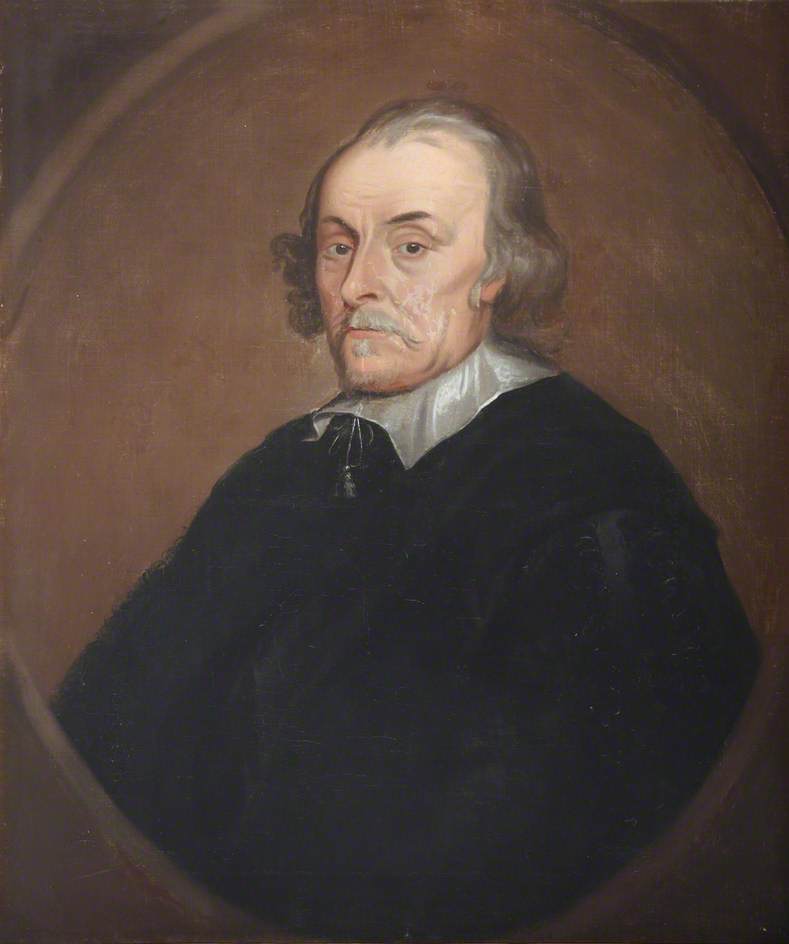
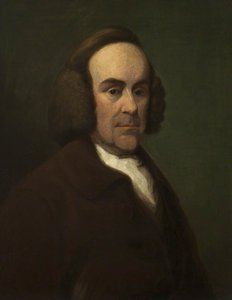
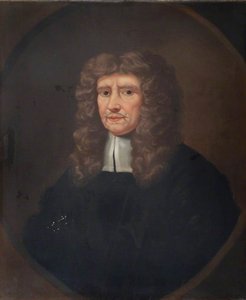
William Harvey (1578–1657)
 Acrylic On Canvas
- WallArt
- Rococo Painting
 76.0 x 64.0 cm
 Библиотека Бодлея
 Читать далее
Приобретите цифровое изображение высокого разрешения в улучшенном качестве, которое значительно превосходит онлайн-превью.
Каждый файл тщательно подготавливается нашими специалистами с использованием передовых инструментов и экспертной ручной ретуши. Мы гарантируем исключительную четкость, точную цветопередачу и детальную проработку каждого изображения.
Финальный файл доставляется по электронной почте в течение 72 часов и оптимизирован для немедленного использования в профессиональной среде, при верстке и печати. Это тот же уровень качества, которому доверяют ведущие дизайнерские студии, издательства и галереи.
Цифровое изображение
Скачайте файл высокого разрешения для личного использования, печати и творческих проектов. ( Перейти к печати Купить картину ручной работы)
Включено в каждый заказ цифровых изображений
Гарантия экспертной цифровой доставки
Выбирая ArtsDot.com, вы получаете не просто изображение — вы приобретаете профессионально обработанное цифровое произведение искусства, созданное с безупречной точностью и под защитой гарантии качества. Вот всё, что автоматически входит в ваш заказ:

Мгновенная доставка по e-mail
Ваш цифровой файл в высоком разрешении будет отправлен вам по электронной почте в течение 72 часов после оформления заказа — и сразу станет доступен для использования.

Цифровой файл с ИИ-улучшением
Ваше произведение искусства проходит профессиональную оптимизацию с использованием передовых инструментов ИИ и ручной обработки, что гарантирует максимальную детализацию, четкость и точность цветопередачи.

Бессрочная бесплатная повторная доставка
Случайно удалили или потеряли файл? Не беспокойтесь — мы отправим его вам повторно в любое время и совершенно бесплатно.

Без импортных пошлин — навсегда
Наслаждайтесь вашим произведением искусства мгновенно без таможенных пошлин, сборов или затрат на доставку — цифровые загрузки всегда не облагаются налогом.

Гарантия точности цветопередачи
Мы гарантируем, что ваше цифровое изображение максимально точно передает оригинальные цвета благодаря использованию профессиональных инструментов и систем управления цветом.

Гарантия удовлетворенности 100 дней
Если вы не будете удовлетворены своим цифровым изображением, мы внесем правки или вернем 100% стоимости в течение 100 дней — без лишних вопросов.

100% Гарантия возврата средств
Не удовлетворены покупкой? Получите полный возврат средств в течение 100 дней после получения цифрового файла — без лишних вопросов.

Скидки на оптовые заказы
Купите 3 изображения, сэкономьте 10% — Купите 5, сэкономьте 15% — Купите 10+, сэкономьте 20%. Отличное решение для творческих проектов, галерей и агентств.
William Harvey (1578–1657) – A Pioneer of Scientific Portraiture
John Wollaston’s depiction of William Harvey stands as a pivotal moment in the burgeoning artistic landscape of colonial America, marking one of the earliest instances of European stylistic influence to resonate across the Atlantic. More than just a likeness, this portrait embodies the spirit of the Rococo era—characterized by opulent ornamentation, delicate pastel hues, and an emphasis on idealized beauty—within the realm of scientific representation. Wollaston’s masterful execution elevates Harvey beyond mere anatomical accuracy, imbuing him with a palpable sense of intellectual contemplation and serene dignity.- Subject Matter: The portrait captures William Harvey (1578–1657), an English physician renowned for his groundbreaking discovery of circulation—a revolutionary concept that fundamentally reshaped understanding of human physiology.
- Style & Technique: Wollaston’s approach aligns perfectly with the Rococo aesthetic, prioritizing subtlety and grace over dramatic gesture. Employing oil paint on canvas, he utilizes a soft brushstroke technique to achieve luminous tonal gradations, creating an atmosphere of ethereal calm. The artist skillfully blends pastel shades—primarily creams and pale blues—to soften Harvey's features and convey an impression of inner peace.
- Historical Context: Painted around 1749, this artwork reflects the intellectual fervor of Enlightenment Europe, where Harvey’s theories challenged prevailing Aristotelian dogma. Wollaston’s decision to portray Harvey not as a heroic figure battling illness but as a man absorbed in thought underscores the importance placed on reason and observation during this period.
- Symbolism: The muted palette contributes to a symbolic representation of Harvey's intellectual pursuits—the coolness of blue mirroring contemplation, while cream symbolizes purity and enlightenment. Wollaston’s careful composition directs the viewer’s gaze towards Harvey’s face, emphasizing his inner life and conveying a profound respect for scientific inquiry.
- Emotional Impact: The portrait succeeds in capturing Harvey's intellectual serenity—a testament to Wollaston’s ability to translate complex scientific concepts into an emotionally resonant visual experience. It invites viewers to contemplate the transformative power of observation and the enduring legacy of Harvey’s pioneering work.
Provenance & Artistic Legacy
This particular rendition resides within the Bodleian Libraries collection, acquired in 1735 from Humphrey Bartholomew—a significant benefactor who championed the dissemination of knowledge and artistic excellence. Wollaston's influence extended beyond this singular piece; he served as a catalyst for introducing Rococo principles into American art circles, fostering dialogue between European artistic traditions and emerging colonial sensibilities. His work stands alongside other notable portraits of scientists from the era, demonstrating a commitment to portraying intellectual achievement with both precision and aesthetic beauty.Technical Details
Measurements: H 76 cm (30 in), W 63.5 cm (25 in) Medium: Oil on Canvas Artist: John Wollaston (1672–1749)Further Exploration
To delve deeper into the artistic milieu of Rococo and its impact on scientific portraiture, consider examining works by contemporaries such as Benjamin West and Gilbert Stuart. Furthermore, exploring similar depictions of thinkers—particularly those emphasizing contemplative introspection—offers valuable insights into Wollaston’s stylistic choices and their broader significance within the history of art. Examining other artists like Sir John Kyffin Williams or John Haynes-Williams can illuminate the diverse artistic expressions of the period.Похожие произведения

Биография художника
The Elegance of the Atlantic: The Life and Legacy of John Wollaston
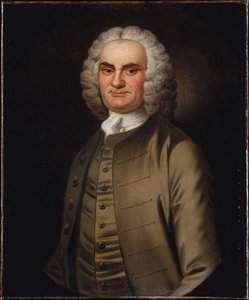
In the mid-eighteenth century, as the American colonies began to stir with a burgeoning sense of identity, a sophisticated breeze from London arrived on their shores, carried by the brush of John Wollaston. A painter of profound grace and technical finesse, Wollaston stands as a singular figure in the annals of American art history—a British master who irrevocably shaped the aesthetic landscape of the colonies. While later giants like Benjamin West and Gilbert Stuart would command the spotlight of American portraiture, Wollaston’s true contribution lies in his role as a pioneer, introducing the delicate elegance and shimmering sophistication of the Rococo style to North America. He was more than a mere chronicler of faces; he was an ambassador of European refinement, marking one of the first instances where a truly continental artistic movement flourished across the Atlantic.
The early life of Wollaston remains shrouded in the soft mists of history, leaving much to the imagination of scholars. Born in London, he was likely the scion of a painter, though the records of his lineage are famously contested. Some accounts identify his father as John Wollaston, while others, drawing from the witty anecdotes of Horace Walpole, suggest the name was originally Woolston—a change made to mirror the era's aristocratic trend of adopting more prestigious titles. While his formal training is not documented in detail, the evidence of his skill is undeniable. The letters of Charles Willson Peale hint that Wollaston studied the intricate art of drapery with a London master, a specialty that would become his hallmark. Whether he was mentored by his father or influenced by the celebrated drapery painter Joseph van Aken, Wollaston emerged with a command over fabric and light that mirrored the finest talents of the British Rococo tradition.
A Vision of Rococo Splendor
Wollaston’s artistic identity was deeply rooted in the English Rococo, a style characterized by its lightness, grace, and an almost tactile obsession with texture. His work bears an unmistakable resemblance to the portraits of Thomas Hudson and Allan Ramsay, capturing not just the likeness of his subjects but the very essence of their social standing. He possessed a remarkable ability to render the heavy sheen of silk, the delicate lace of a collar, and the complex folds of velvet, creating a visual language of luxury that captivated the colonial elite. This mastery of drapery was not merely decorative; it served to imbue his subjects with a sense of movement and vitality, making the static medium of portraiture feel alive and breathing.
His journey across the Atlantic in 1749 marked a transformative chapter for both the artist and the colonies. Settling initially in New York City, Wollaston began a nomadic period of intense creativity, traveling along the Atlantic seaboard to bring the latest London fashions to American patrons. His presence fostered a burgeoning artistic dialogue between Britain and its colonies, establishing a precedent for stylistic experimentation that would resonate through subsequent generations. Despite his travels, Wollaston remained profoundly connected to his English roots. This steadfast identity is poignantly captured in the inscription on the back of his portrait of William Smith, Jr., where he identified himself as "Johnannes Wollaston Londoniensis," a proud declaration of his London origins amidst the American wilderness.
Historical Significance and Lasting Impact
Though his life was tragically short, ending in 1775, the impact of John Wollaston’s career remains etched in the history of early American art. He provided the colonial upper class with a visual mirror that reflected their aspirations toward European sophistication. His ability to translate the high fashion of London into the colonial context allowed for a shared cultural vocabulary between the Old and New Worlds. The following elements define his enduring historical footprint:
- Introduction of Rococo: He was instrumental in transplanting the light, ornamental, and fabric-rich Rococo style from Europe to the American colonies.
- Technical Mastery: His specialized skill in rendering drapery set a new standard for portraiture in North America, influencing the way texture and light were perceived by future generations of painters.
- Cultural Bridge: Through his travels from New York through the southern colonies, he acted as a vital link in the transmission of European aesthetic values to the burgeoning American landscape.
- Foundational Influence: By establishing a precedent for high-style portraiture, he paved the way for the later development of a distinctively American school of painting.
Today, when we look upon the works attributed to Wollaston, we see more than just portraits of the colonial past; we see the arrival of an era of elegance. His brush captured a moment in time when the colonies were beginning to dream of grandeur, and through his art, that dream was rendered in silk, lace, and light.
John Wollaston
1742 - 1775
Основные сведения
- Artistic Movement Or Style: Rococo Painting
- Artists Or Movements Influenced By This Artist: ['Baroque Painting']
- Artists Who Influenced This Artist:
- Thomas Hudson
- Allan Ramsay
- Date Of Birth: 1742
- Date Of Death: 1775
- Full Name: John Wollaston
- Nationality: English
- Notable Artworks:
- George Whitefield Portrait
- Officer of the British Navy Portrait
- Thomas Willis Portrait
- Joseph Reade Portrait
- Place Of Birth: London