

 Предпросмотр
 Поделиться
 Поделиться
 Детали произведения

 Скачать
 Похожие работы
 Рентгенография
 Слайд-шоу
 Статистика
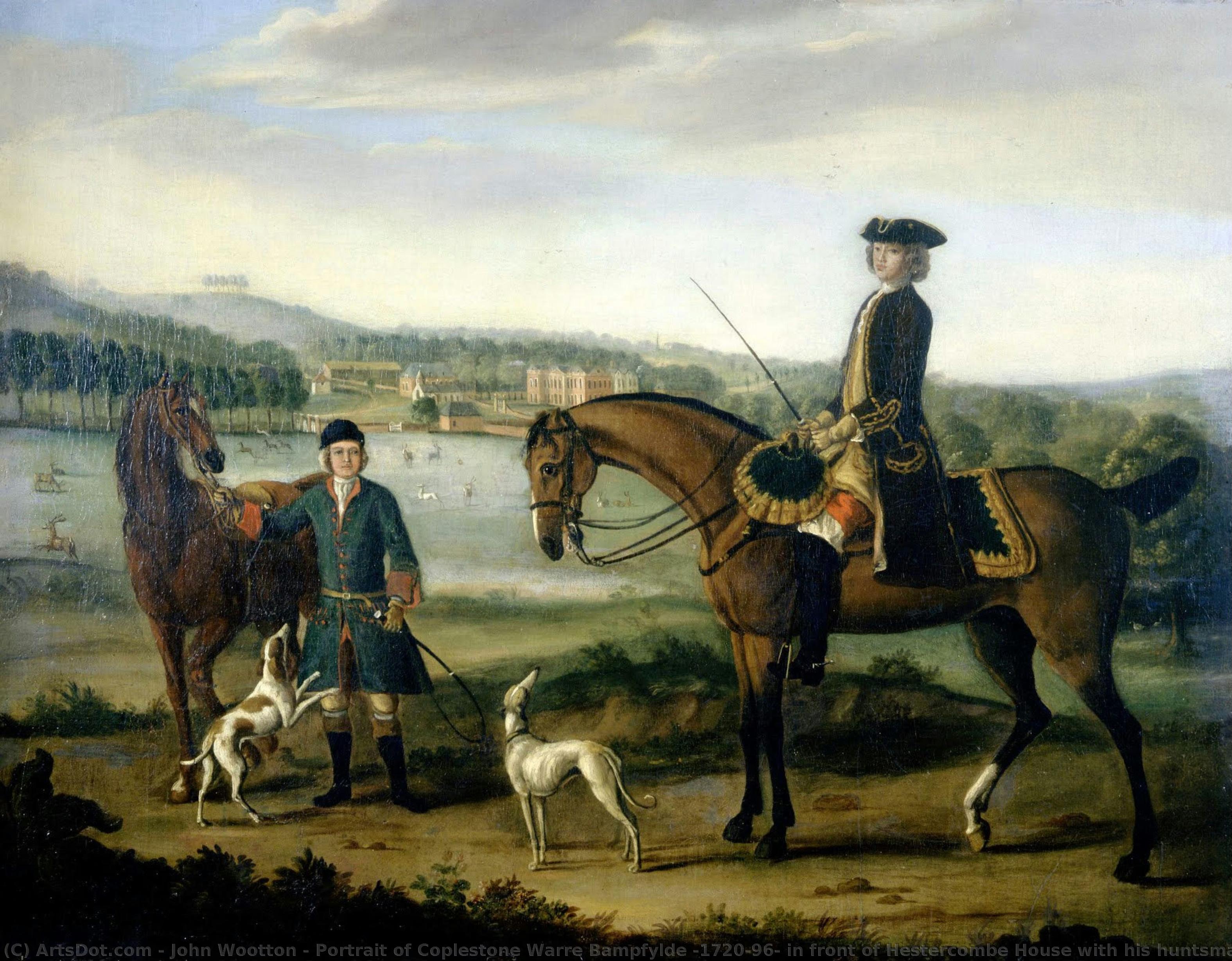
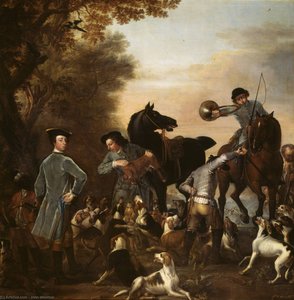
Portrait of Coplestone Warre Bampfylde (1720-96) in front of Hestercombe House with his huntsman c.1740


 Читать далее
Приобретите цифровое изображение высокого разрешения в улучшенном качестве, которое значительно превосходит онлайн-превью.
Каждый файл тщательно подготавливается нашими специалистами с использованием передовых инструментов и экспертной ручной ретуши. Мы гарантируем исключительную четкость, точную цветопередачу и детальную проработку каждого изображения.
Финальный файл доставляется по электронной почте в течение 72 часов и оптимизирован для немедленного использования в профессиональной среде, при верстке и печати. Это тот же уровень качества, которому доверяют ведущие дизайнерские студии, издательства и галереи.
Цифровое изображение
Скачайте файл высокого разрешения для личного использования, печати и творческих проектов. ( Перейти к печати Купить картину ручной работы)
Включено в каждый заказ цифровых изображений
Гарантия экспертной цифровой доставки
Выбирая ArtsDot.com, вы получаете не просто изображение — вы приобретаете профессионально обработанное цифровое произведение искусства, созданное с безупречной точностью и под защитой гарантии качества. Вот всё, что автоматически входит в ваш заказ:

Мгновенная доставка по e-mail
Ваш цифровой файл в высоком разрешении будет отправлен вам по электронной почте в течение 72 часов после оформления заказа — и сразу станет доступен для использования.

Цифровой файл с ИИ-улучшением
Ваше произведение искусства проходит профессиональную оптимизацию с использованием передовых инструментов ИИ и ручной обработки, что гарантирует максимальную детализацию, четкость и точность цветопередачи.

Бессрочная бесплатная повторная доставка
Случайно удалили или потеряли файл? Не беспокойтесь — мы отправим его вам повторно в любое время и совершенно бесплатно.

Без импортных пошлин — навсегда
Наслаждайтесь вашим произведением искусства мгновенно без таможенных пошлин, сборов или затрат на доставку — цифровые загрузки всегда не облагаются налогом.

Гарантия точности цветопередачи
Мы гарантируем, что ваше цифровое изображение максимально точно передает оригинальные цвета благодаря использованию профессиональных инструментов и систем управления цветом.

Гарантия удовлетворенности 100 дней
Если вы не будете удовлетворены своим цифровым изображением, мы внесем правки или вернем 100% стоимости в течение 100 дней — без лишних вопросов.

100% Гарантия возврата средств
Не удовлетворены покупкой? Получите полный возврат средств в течение 100 дней после получения цифрового файла — без лишних вопросов.

Скидки на оптовые заказы
Купите 3 изображения, сэкономьте 10% — Купите 5, сэкономьте 15% — Купите 10+, сэкономьте 20%. Отличное решение для творческих проектов, галерей и агентств.
Portrait of Coplestone Warre Bampfylde: A Glimpse into Georgian Aristocracy
John Wootton’s “Portrait of Coplestone Warre Bampfylde (1720-96) in front of Hestercombe House with his huntsman c.1740” offers a captivating window into the world of 18th-century English aristocracy and sporting culture. More than just a likeness, this painting is a meticulously crafted tableau vivant—a snapshot of leisure, status, and connection to the land that defined the era. Painted around 1740, it captures Coplestone Warre Bampfylde, a soldier, landscape artist, architect, and landscape designer, in his prime, before the magnificent Hestercombe House estate – now sadly reduced – which served as his backdrop.
The composition immediately draws the eye to Bampfylde himself, presented with an air of confident authority. Dressed in the fashionable attire of the period—a striking blue coat, waistcoat, and a jaunty hat—he embodies the wealth and social standing afforded by his lineage. His posture is upright, suggesting both nobility and military discipline, while his gaze holds a subtle hint of self-assurance. Beside him stand two hunting dogs, their attentive postures mirroring the gentleman’s own demeanor, reinforcing the theme of the hunt – a central pastime for the British upper class.
A Masterpiece of Sporting Art
Wootton was a pivotal figure in the development of British sporting art, and this portrait exemplifies his skill. He wasn't merely a recorder of appearances; he possessed an innate ability to capture movement, texture, and character. The brushwork is remarkably smooth, indicative of an oil painting technique, yet retains a visible quality that speaks to Wootton’s deliberate hand. Note the meticulous detail in the horses’ coats – the subtle variations in color and sheen conveying their musculature and vitality—and the careful rendering of the landscape beyond. The artist skillfully employs perspective to create a sense of depth, drawing the viewer into the scene and suggesting the vastness of the countryside.
The painting's historical context is crucial to its appreciation. The 18th century witnessed a flourishing of aristocratic leisure activities, with hunting becoming increasingly popular as a means of demonstrating wealth, skill, and connection to nature. Hestercombe House itself was a significant estate, renowned for its gardens and landscape design – Bampfylde’s own contributions further cementing his place within this world. The inclusion of the house in the background subtly elevates the portrait's status, associating Bampylde with a prestigious location and highlighting his connection to land ownership.
Symbolism and Emotional Resonance
Beyond its surface details, “Portrait of Coplestone Warre Bampfylde” is rich in symbolism. The hunt itself represents more than just sport; it embodies notions of honor, skill, and control – values highly prized by the aristocracy. The dogs symbolize loyalty and companionship, while the landscape evokes a sense of freedom and escape from urban life. The painting’s overall mood is one of serene elegance—a testament to the refined tastes and social customs of Georgian England.
Looking at this piece today, it's easy to be moved by its ability to transport us back in time. It offers a glimpse into a world of privilege, tradition, and carefully cultivated appearances. The painting’s enduring appeal lies not only in Wootton’s technical skill but also in his capacity to capture the spirit of an era—a time when hunting was both a duty and a delight, and where portraiture served as a powerful tool for asserting social status.
Where to Find Reproductions
Reproductions of this stunning artwork are available through ArtsDot.com and other reputable art reproduction services. Consider the size and framing options carefully to best complement your interior design space. A large-scale reproduction would make a striking statement in a formal living room or study, while a smaller piece could add a touch of elegance to a bedroom or hallway.
Похожие произведения
Биография художника
A Pioneer of Sporting Art: The Life and Legacy of John Wootton
John Wootton, born around 1686 in the picturesque Warwickshire village of Snitterfield, near the historic town of Stratford-upon-Avon, emerged as a truly remarkable figure – a pivotal innovator in the burgeoning world of British sporting art. While the precise details of his early life remain somewhat shrouded in the mists of time, it’s believed he entered the service of the esteemed Beaufort family at a young age, an experience that undoubtedly instilled within him a profound appreciation for equestrian pursuits and the refined social circles surrounding aristocratic households. His artistic journey commenced with formal training under Jan Wyck during the 1690s – a period where he honed his foundational skills in draftsmanship and painting techniques, establishing a solid base upon which to build an exceptionally successful career. Even in these formative years, Wootton demonstrated an innate gift for capturing the essence of horses, foreshadowing his future mastery of equine portraiture as evidenced by his earliest known work, “Bonny Black” (1711) – a captivating piece that hinted at the brilliance yet to come.Establishing a Reputation and Artistic Innovation
By 1706, Wootton had firmly established himself in London, rapidly gaining recognition for his evocative depictions of horses, particularly those gracing the vibrant racing scene at Newmarket. He wasn’t merely documenting these magnificent animals; he was imbuing them with spirit, power, and a distinct sense of character – achieving an unprecedented level of detail and sensitivity that set him apart. This specialization brought him into close contact with Britain's elite – a patronage that included figures as prominent as George II and Frederick, Prince of Wales. Wootton actively engaged within the artistic community, subscribing to the first English Academy of Painting and Drawing in 1711 and later serving as a steward of the Virtuosi Club of St Luke’s by 1717 – demonstrating his commitment to fostering intellectual discourse and collaborative artistic endeavors. However, Wootton's contribution extended far beyond simply painting horses; he was a key figure in introducing what became known as the “ideal landscape” to British art – a style deeply influenced by artists like Gaspard Dughet (also known as Gaspar van Wittel). By incorporating classical elements into his landscapes, he offered a refreshing alternative to the prevailing Dutch and Flemish styles, laying the groundwork for future generations of British landscape painters.Mastering the Canvas: Style and Major Works
Wootton’s artistic style is characterized by meticulous detail, a remarkably realistic rendering of animals, and a harmonious blend of figure and landscape painting. He possessed an exceptional ability to observe and then idealize, creating works that were both aesthetically pleasing and reflective of the sporting culture of his time. His equine portraits are arguably his most celebrated achievement – paintings like “The Bloody-Shouldered Arabian” showcase not only technical skill but also a deep understanding of anatomy and character. These weren’t merely representations; they were imbued with life, capturing the individual personality of each horse. Beyond individual horse portraits, Wootton excelled at depicting lively hunting scenes and equestrian activities, often incorporating "conversation pieces" – elaborate compositions that featured riders, hounds, and picturesque settings – designed to be displayed in aristocratic homes. These works weren’t simply records of events; they were carefully constructed narratives that captured the social dynamics and leisurely pursuits of the British aristocracy. His landscapes, while sometimes overshadowed by his animal paintings, demonstrate a refined understanding of perspective, composition, and atmospheric effects, further solidifying his position as a versatile and innovative artist. Works like “Viscount Weymouth’s Hunt” exemplify this skill, portraying aristocratic leisure with classic style and rich detail.Influences and Historical Context
Wootton's artistic development was shaped by several key influences. His early training under Jan Wyck provided him with a solid foundation in draftsmanship and painting techniques. He also drew inspiration from the works of Gaspard Dughet, whose classical landscapes influenced his own approach to composition and color. Furthermore, Wootton’s close association with the aristocratic elite exposed him to the latest artistic trends and allowed him to cultivate a sophisticated understanding of contemporary taste. His work reflects not only his technical skill but also the prevailing social values of the 18th century – a period marked by a fascination with hunting, equestrianism, and the pursuit of refined leisure. He bridged the gap between earlier traditions and the emerging styles that would define 18th-century British art.A Lasting Influence and Historical Significance
While later artists such as George Stubbs – whose anatomical precision surpassed Wootton's – gained greater prominence in the field of animal painting, John Wootton’s pioneering role remains undeniable. He established sporting art as a legitimate genre, paving the way for subsequent artists to explore this subject matter with increasing sophistication. His introduction of the ideal landscape style had a lasting impact on British painting, influencing generations and contributing to the development of a distinctly British aesthetic sensibility. He stands as a testament to the power of observation, innovation, and the enduring appeal of capturing the beauty and dynamism of both the natural world and the aristocratic pursuits that defined his era. Today, Wootton’s works are held in prestigious collections worldwide – including the Tate Gallery (London), the Virginia Museum of Fine Arts (Richmond), and the Yale Center for British Art – ensuring his legacy continues to be appreciated by art enthusiasts.
Джон Вуттон
1682 - 1764 , Великобритания
Основные сведения
- Artistic Movement Or Style: Sporting art, Landscape
- Artists Or Movements Influenced By This Artist:
- Thomas Gainsborough
- George Stubbs
- Artists Who Influenced This Artist:
- Jan Wyck
- Gaspard Dughet
- Date Of Birth: c. 1686
- Date Of Death: 1764
- Full Name: John Wootton
- Nationality: British
- Notable Artworks:
- Bonny Black
- Before the hunt
- The Bloody-Shouldered Arabian
- Place Of Birth: Snitterfield, UK