

 Поделиться
 Поделиться
 Детали произведения

 Скачать
 Похожие работы
 Слайд-шоу
 Статистика
Walking to the Sky


 Читать далее
Приобретите цифровое изображение высокого разрешения в улучшенном качестве, которое значительно превосходит онлайн-превью.
Каждый файл тщательно подготавливается нашими специалистами с использованием передовых инструментов и экспертной ручной ретуши. Мы гарантируем исключительную четкость, точную цветопередачу и детальную проработку каждого изображения.
Финальный файл доставляется по электронной почте в течение 72 часов и оптимизирован для немедленного использования в профессиональной среде, при верстке и печати. Это тот же уровень качества, которому доверяют ведущие дизайнерские студии, издательства и галереи.
Цифровое изображение
Скачайте файл высокого разрешения для личного использования, печати и творческих проектов. ( Перейти к печати Купить картину ручной работы)
Включено в каждый заказ цифровых изображений
Гарантия экспертной цифровой доставки
Выбирая ArtsDot.com, вы получаете не просто изображение — вы приобретаете профессионально обработанное цифровое произведение искусства, созданное с безупречной точностью и под защитой гарантии качества. Вот всё, что автоматически входит в ваш заказ:

Мгновенная доставка по e-mail
Ваш цифровой файл в высоком разрешении будет отправлен вам по электронной почте в течение 72 часов после оформления заказа — и сразу станет доступен для использования.

Цифровой файл с ИИ-улучшением
Ваше произведение искусства проходит профессиональную оптимизацию с использованием передовых инструментов ИИ и ручной обработки, что гарантирует максимальную детализацию, четкость и точность цветопередачи.

Бессрочная бесплатная повторная доставка
Случайно удалили или потеряли файл? Не беспокойтесь — мы отправим его вам повторно в любое время и совершенно бесплатно.

Без импортных пошлин — навсегда
Наслаждайтесь вашим произведением искусства мгновенно без таможенных пошлин, сборов или затрат на доставку — цифровые загрузки всегда не облагаются налогом.

Гарантия точности цветопередачи
Мы гарантируем, что ваше цифровое изображение максимально точно передает оригинальные цвета благодаря использованию профессиональных инструментов и систем управления цветом.

Гарантия удовлетворенности 100 дней
Если вы не будете удовлетворены своим цифровым изображением, мы внесем правки или вернем 100% стоимости в течение 100 дней — без лишних вопросов.

100% Гарантия возврата средств
Не удовлетворены покупкой? Получите полный возврат средств в течение 100 дней после получения цифрового файла — без лишних вопросов.

Скидки на оптовые заказы
Купите 3 изображения, сэкономьте 10% — Купите 5, сэкономьте 15% — Купите 10+, сэкономьте 20%. Отличное решение для творческих проектов, галерей и агентств.
A Vertical Ascent: The Poetic Vision of Walking to the Sky
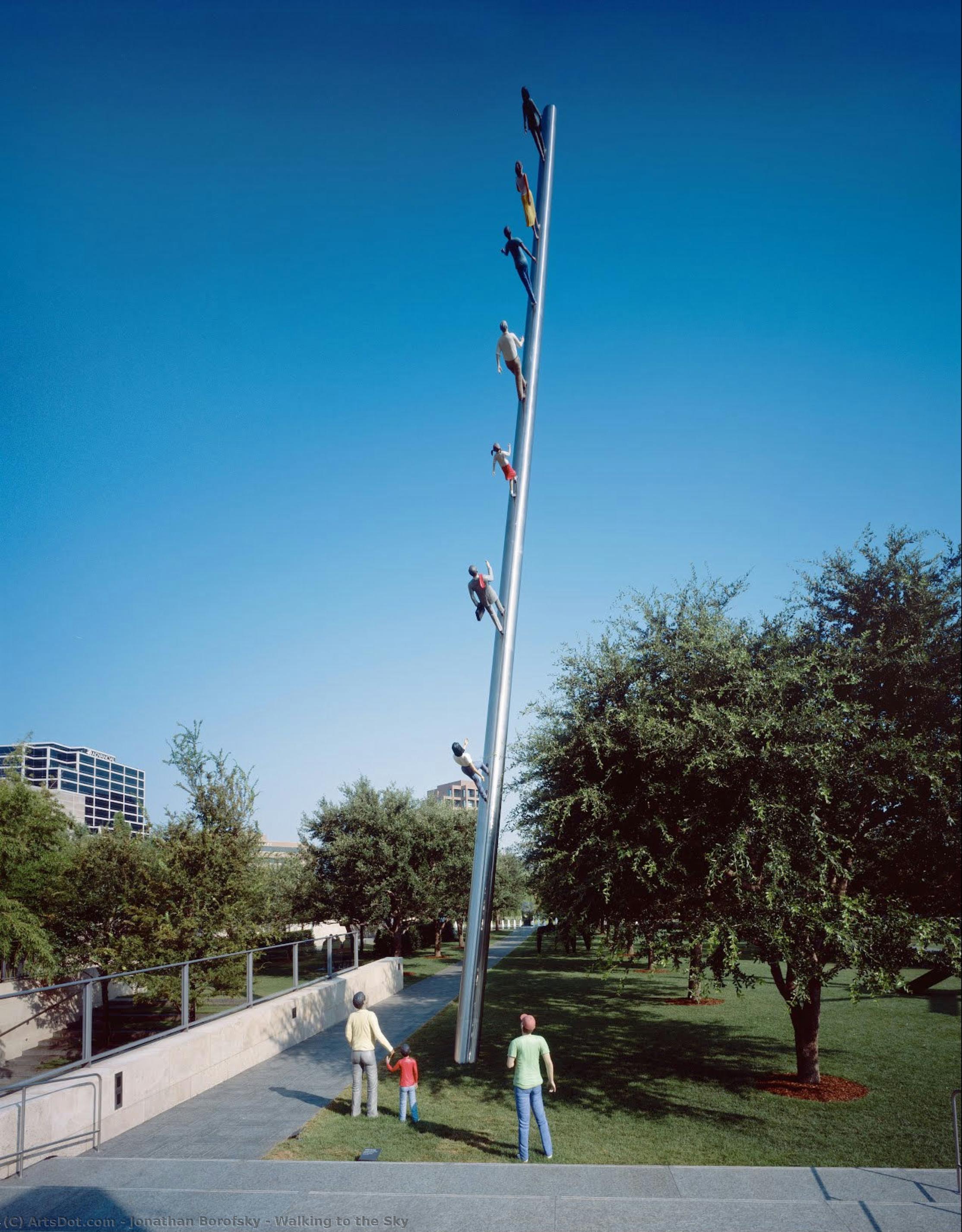
In the vast landscape of contemporary sculpture and installation art, few works capture the collective human spirit as profoundly as Jonathan Borofsky’s "Walking to the Sky." This evocative piece serves as a breathtaking metaphor for the eternal human impulse toward transcendence. At its core, the work presents a towering verticality, featuring a slender metal pole that pierces the heavens, populated by a rhythmic procession of figures in various stages of ascent. Each climber, frozen in a moment of determined movement, contributes to a larger narrative of progress, struggle, and shared destiny. The composition does not merely depict individuals; it illustrates a communal journey, where the act of climbing becomes a sacred ritual of reaching for something greater than oneself.
The aesthetic language of Borofsky is one of striking simplicity and profound impact. Through the use of industrial materials—specifically the cold, resilient strength of metal—the artist creates a tension between the rigid, man-made structure and the organic, fluid motion of the human forms. This juxtaposition invites viewers to contemplate the intersection of technology and humanity. The style avoids the heavy ornamentation of classical sculpture, opting instead for a clean, almost graphic silhouette that allows the concept to breathe. For the discerning collector or interior designer, this piece offers a sophisticated focal point, bringing a sense of dynamic energy and structural elegance to any curated space.
Symbolically, "Walking to the Sky" is an exploration of spiritual and social evolution. The thirteen visible figures represent a spectrum of human experience—some are near the base, grounded in the earthly realm, while others grasp at the higher reaches, closer to the infinite blue of the sky. This vertical hierarchy speaks to the layers of consciousness and the persistent hope that defines our species. There is an inherent sense of unity in the work; despite their different positions on the pole, the climbers are bound by a singular direction and a shared purpose. It is a powerful reminder that while our individual paths may differ, we are all part of a collective movement toward enlightenment and connection.
For those seeking to integrate art into a living or professional environment, a high-quality reproduction of this masterpiece offers more than mere decoration; it provides an emotional anchor. The piece evokes feelings of aspiration, resilience, and quiet wonder. Whether placed in a sunlit gallery, a modern corporate lobby, or a contemplative private study, "Walking to the Sky" serves as a constant, inspiring dialogue between the viewer and the limitless possibilities of the human soul. It is an invitation to look upward, to keep climbing, and to find beauty in the persistent pursuit of the extraordinary.
Похожие произведения

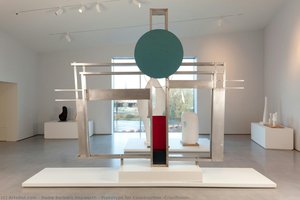

Биография художника
Ursula von Rydingsvard: Sculpting the Echoes of Experience
Born in Germany during a tumultuous period – 1942, a year etched in history by war and displacement – Ursula von Rydingsvard’s life has been profoundly shaped by experiences that resonate deeply within her art. Her early years were marked by instability and upheaval; she was born to Polish and Ukrainian peasant farmers who found themselves caught in the brutal machinery of Nazi occupation. This formative period, witnessing firsthand the horrors of forced labor and the constant movement between displacement camps, instilled a sense of vulnerability and resilience that would become central themes in her work. Immigration to Plainville, Connecticut, in 1950 offered a new beginning, yet the shadows of her past continued to inform her artistic vision. Von Rydingsvard’s journey into art began at Columbia University, where she earned a Master's degree in studio art, but it was her deliberate rejection of Minimalism – the dominant aesthetic force of the time – that truly defined her trajectory. Instead of embracing the austere geometries and conceptual detachment of Minimalist sculpture, she discovered a powerful voice within the humble cedar tree, recognizing its capacity to convey both grandeur and profound humility.
Her artistic exploration extended far beyond cedar, encompassing a diverse range of materials including bronze, animal intestines (a practice that initially drew criticism but ultimately became integral to her aesthetic), textiles, and delicate handmade paper. This willingness to experiment with unconventional media speaks to a restless intellectual curiosity and a desire to push the boundaries of sculptural expression. Von Rydingsvard’s work isn't simply about form; it’s about texture, weight, and the inherent qualities of each material she employs. She meticulously considers how these elements interact, creating sculptures that are simultaneously monumental in scale and intensely intimate in their tactile presence.
The Weight of Memory: Autobiographical Undertones
While often described as abstract, Von Rydingsvard’s sculptures are imbued with a subtle yet persistent autobiographical resonance. The ambiguity of her subjects – frequently fragmented forms reminiscent of human figures or natural elements – is not intended to obscure their origins but rather to invite viewers to contemplate the complexities of memory and experience. The echoes of her childhood in displacement camps, the trauma of war, and the subsequent immigration to America are all subtly woven into the fabric of her work. She herself has acknowledged that these experiences have shaped her artistic sensibility, leading her to explore themes of loss, resilience, and the enduring power of the past.
The artist’s choice of cedar as a primary medium is particularly significant in this context. Cedar trees are deeply rooted in European folklore and tradition, often associated with strength, longevity, and connection to the earth. However, for Von Rydingsvard, cedar represents more than just these traditional associations; it embodies the memory of her family’s past – the forests where they once lived, the hardships they endured, and the enduring spirit that carried them through difficult times. The rough texture of the wood, its inherent imperfections, mirrors the scars left by trauma and loss, while its strength symbolizes the capacity for survival and renewal.
Recognition and Legacy
Von Rydingsvard’s sculptures have garnered widespread recognition throughout her career, with over 30 museum collections spanning the globe. Her work has been exhibited nationally and internationally, solidifying her position as a leading figure in contemporary sculpture. She has received numerous prestigious awards, including the International Sculpture Center Lifetime Achievement Award (2014) and the National Museum of Women in the Arts’ Lifetime Achievement Award for Excellence in the Arts (2019). These accolades are a testament to her enduring contribution to the art world and her ability to create sculptures that resonate deeply with viewers on both an intellectual and emotional level.
Beyond her artistic achievements, Von Rydingsvard's story is one of remarkable resilience and adaptability. She continues to live and work in New York City, maintaining a prolific output despite the challenges presented by age and circumstance. Her studio in Brooklyn serves as a testament to her unwavering dedication to her craft, where she meticulously shapes and transforms materials into works that bear witness to her life’s journey – a poignant exploration of memory, experience, and the enduring power of art.
Materials and Techniques
Von Rydingsvard's process is characterized by a deep engagement with the inherent qualities of her chosen materials. She often begins with large cedar logs, meticulously selecting pieces based on their grain, texture, and overall character. The wood is then subjected to a series of transformations – sawing, carving, sanding, and sometimes even fire – before being assembled into complex sculptural forms. Her use of animal intestines, while initially controversial, represents a deliberate departure from traditional sculpting techniques. She carefully prepares the material, treating it with respect and reverence, recognizing its inherent beauty and fragility.
Beyond cedar and animal tissues, Von Rydingsvard also experiments with bronze, textiles, and handmade paper. She employs a variety of casting and fabrication methods to achieve her desired effects, often incorporating elements of chance and improvisation into the process. Her sculptures are rarely smooth or polished; they retain a sense of raw energy and tactile immediacy, reflecting the artist’s hands-on approach and her commitment to working directly with materials.
Historical Context: Minimalism and Beyond
Ursula von Rydingsvard's artistic trajectory is inextricably linked to the broader context of 1970s sculpture. At that time, Minimalism – characterized by its emphasis on geometric forms, industrial materials, and conceptual rigor – dominated the art world. However, Von Rydingsvard deliberately rejected this prevailing aesthetic, seeking a more expressive and emotionally resonant approach. Her decision to work with organic materials like cedar and animal tissues challenged the conventions of Minimalism, introducing a sense of vulnerability, intimacy, and personal narrative into her sculptures.
While influenced by earlier sculptors such as Henry Moore and Barbara Hepworth, Von Rydingsvard ultimately forged her own distinctive voice – one that is both deeply rooted in tradition and boldly innovative. Her work stands as a powerful counterpoint to the austerity of Minimalism, demonstrating the enduring value of materiality, texture, and subjective experience in contemporary sculpture.
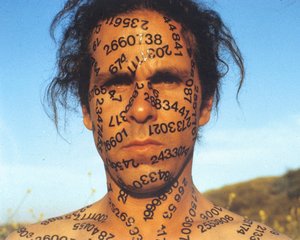
jonathan borofsky
1942 -